 THE GAME ARCHIVE
Building Your Champion: Character Creation and Skill Points
In Arx Fatalis, building your champion begins with creating a customizable character. You then allocate skill points into four documented categories: spellcasting, weapons, armor, and stealth. This system lets you define your role in the underground world, where you must defeat Akbaa, the God of Destruction. By distributing points across these categories, you shape your character's abilities from the start, preparing for the challenges ahead. The game explicitly supports skill point allocation in each of these areas, allowing you to focus on magical arts, combat prowess, defensive training, or stealth tactics.
Each category receives points individually. Allocating to spellcasting improves your magical capabilities, while points in weapons enhance proficiency with arms. Armor allocation customizes your defensive gear, and stealth points support a silent approach. These choices are permanent or adjustable only through gameplay, shaping how you confront foes and explore ancient temples, bustling cities, and abandoned mines. The system encourages specialization, as spreading points thin may leave you vulnerable. By understanding how each category interacts with the game's challenges, you can build a champion suited to your preferred tactics in Arx.
Stealth Skill Allocation: Building a Silent Approach
When you create a customizable character in Arx Fatalis, you allocate skill points across categories that include spellcasting, weapons, armor, and stealth. The game lets you choose your own playstyle and path, so putting points into the stealth category is a concrete decision made during character creation and advancement rather than a fixed class selection. Because the same pool of points also feeds spellcasting, weapons, and armor, every allocation toward stealth is a tradeoff against those other categories, letting you commit to a silent approach at the expense of other capabilities.
Stealth sits alongside combat and magic as one of the selectable directions the game supports, and the character-building rules treat it as its own skill category. Choosing to invest there means your character is built around avoiding direct confrontation rather than trading blows with the foes that populate the sunless world. The underlying structure is straightforward: a single allocation step at creation, plus further spending as the quest unfolds, determines how much of your character's competence is devoted to stealth versus the weapon, armor, and spellcasting lines that other builds rely on.
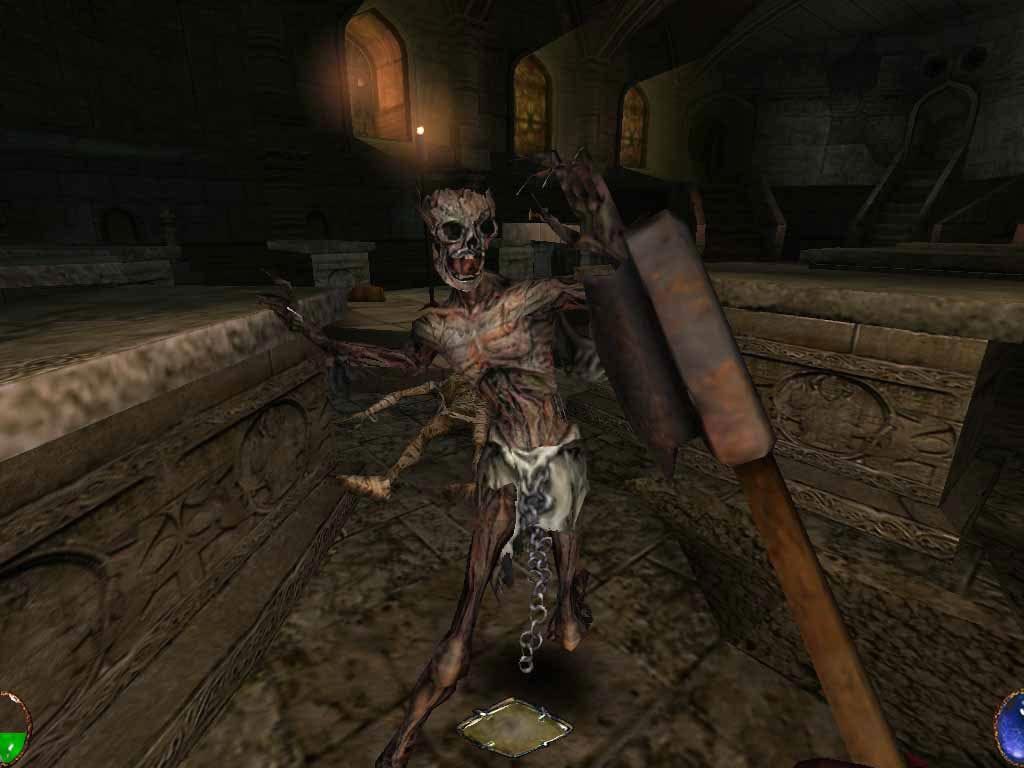
Rune Drawing: The Mouse-Based Spellcasting System
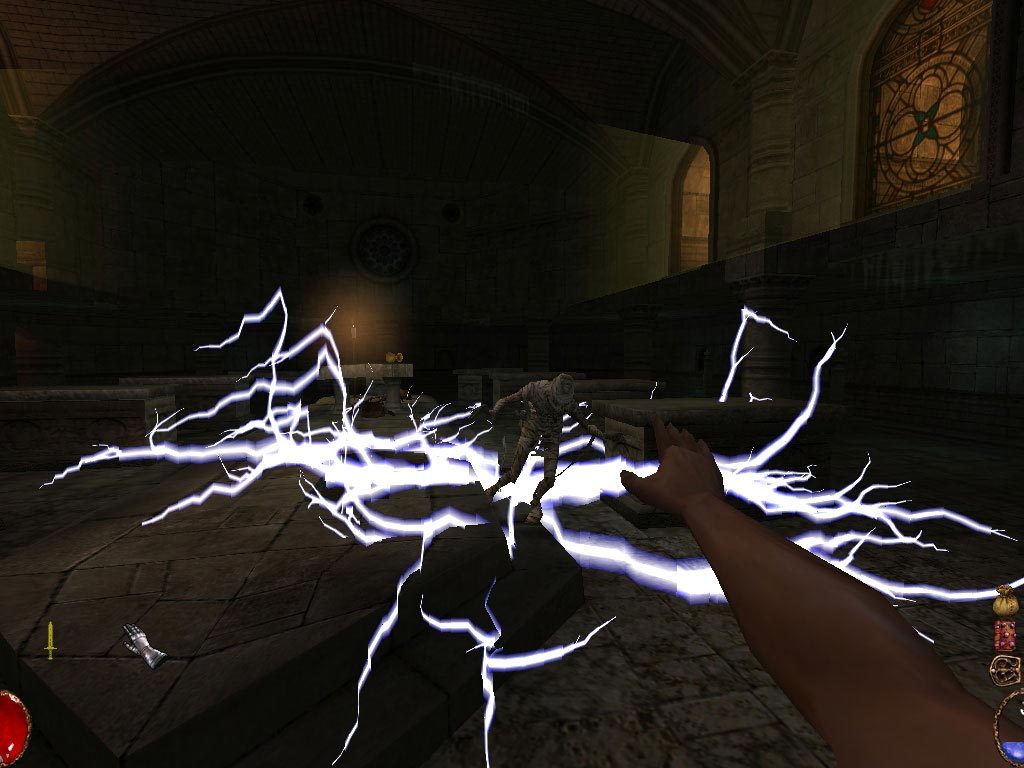
In Arx Fatalis, magic is performed by physically tracing symbols rather than pressing a hotkey. The official profile describes rune drawing as mouse-based: you draw runes in mid-air using the mouse, then combine gestures to unleash powerful magical abilities. That gestural layer sits on top of a fifty-spell catalogue, so the complete casting action depends on producing the correct combination of traced symbols instead of selecting a spell from a menu. Skill point allocation also covers spellcasting, meaning the same system is fed by character-building decisions made in categories such as spellcasting, weapons, armor, and stealth.
The documented rules connect three layers. First, the player creates a customizable character and allocates skill points, with spellcasting listed alongside weapons, armor, and stealth. Second, that spellcasting category feeds the magic side of the build rather than the combat or stealth side. Third, the casting itself is executed through mouse-based rune drawing and gesture combination across a library of fifty spells. So the mechanic is not a single button: the profile ties the rune-tracing input to the character's allocated spellcasting skill points, while the overall build remains divided among the named categories.
Choose Your Path: Nonlinear Gameplay and Multiple Endings
Arx Fatalis is built around nonlinear gameplay in which the decisions you make can drastically alter the underground world. The game's structure reflects the studio's signature approach: at every turn, the path and methods are yours to choose, and the game explicitly supports "several different possible endings awaiting you based on your decisions." This is not a single predetermined route with cosmetic variations; the world itself responds to what you do, and the conclusion you reach is tied to the cumulative weight of those acts. Because the game allows you to choose your own playstyle and path, two players can experience different outcomes without ever being forced into a fixed sequence of events.
Playstyle selection is similarly open: the game supports approaches such as stealth, combat, and magic, and it lets you commit to whichever path suits you. That flexibility is not separate from the ending system; the same design that permits varied methods of solving problems also produces divergent finales. Player decisions affect both world outcomes and the endings themselves, so choosing a stealth route is not merely a tactical preference but a stance that shapes the narrative you receive. The documented rules interact as a single loop: actions in the world change the world, and those changes determine which of the several endings is reached.
The Quest to Defeat Akbaa and Unearth Artifacts
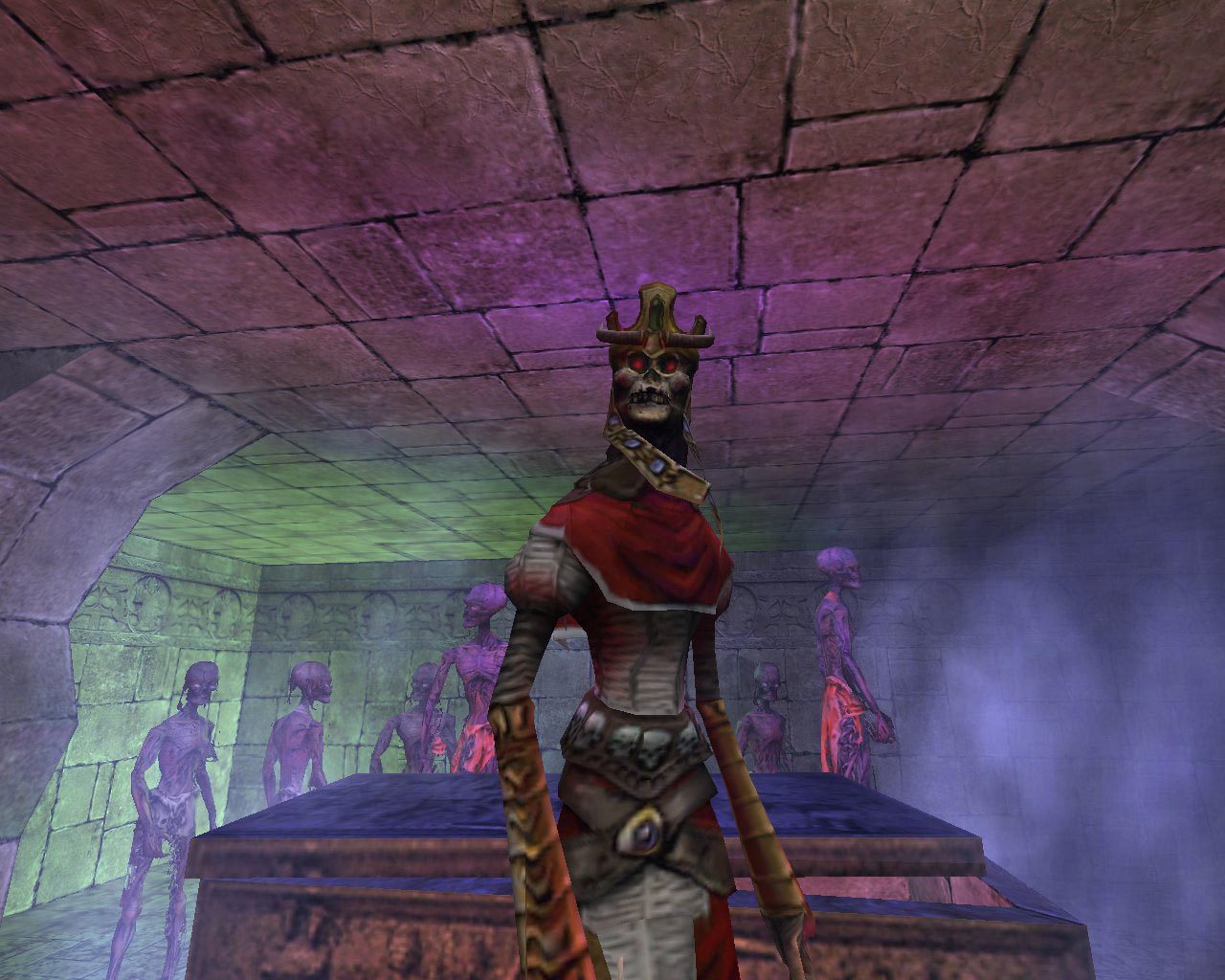
The primary objective is to defeat the God of Destruction Akbaa and save Arx. This task unfolds in a world shrouded in eternal darkness after the sun disappeared, forcing communities into underground mines. As food and drink become scarce, wars intensify among trolls, goblins, rat-men, and humans. You will encounter these diverse enemies as you explore. Along the way, you must also unearth legendary artifacts during your exploration. These goals are set against a backdrop of turmoil and survival, where every faction struggles for resources.
Progressing toward Akbaa and the legendary artifacts involves navigating challenging puzzles that are integrated into the gameplay. These puzzles require attention to the environment and its mechanics. As you interact with the world, your choices can have drastic impacts on Arx. The game allows you to choose your own playstyle and path, meaning the route you take to defeat Akbaa and unearth artifacts may vary. Different endings await based on your decisions, so each action taken during exploration and puzzle-solving shapes the outcome.
Facing the Foes and Puzzles of the Underground World
In Arx Fatalis, combat and stealth are not the only obstacles; the underground world also contains challenging puzzles integrated into gameplay. These puzzles are not optional side activities but part of the critical path, forcing you to solve them to progress. The game allows you to choose your own playstyle and path, with several different possible endings awaiting you based on your decisions. This means how you approach puzzles can shape your journey, and the choices you make could have drastic impacts on the world. As you explore, you will need to unearth legendary artifacts during exploration, which may aid you in your quest.
The enemies you face in Arx are as varied as the underground races: you will encounter trolls, goblins, rat-men, and humans. Each race struggles for survival in the sunless world, and as food and drink become scarce, wars grow more violent. This diversity means you must adapt your tactics to different foes, whether using spells, stealth, or brute force. Ultimately, your journey leads you to defeat the God of Destruction Akbaa to save Arx, tying together the exploration, puzzle-solving, and combat into a single overarching goal.
Sources & further reading.
- Arx Fatalis — official game profile Retrieved Oct 15, 2026
First published .