 THE GAME ARCHIVE
Soaring Through a World Without Words
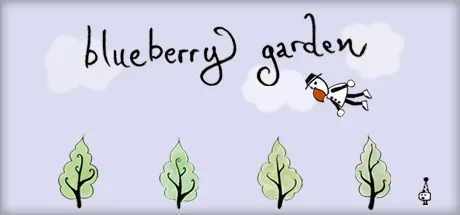
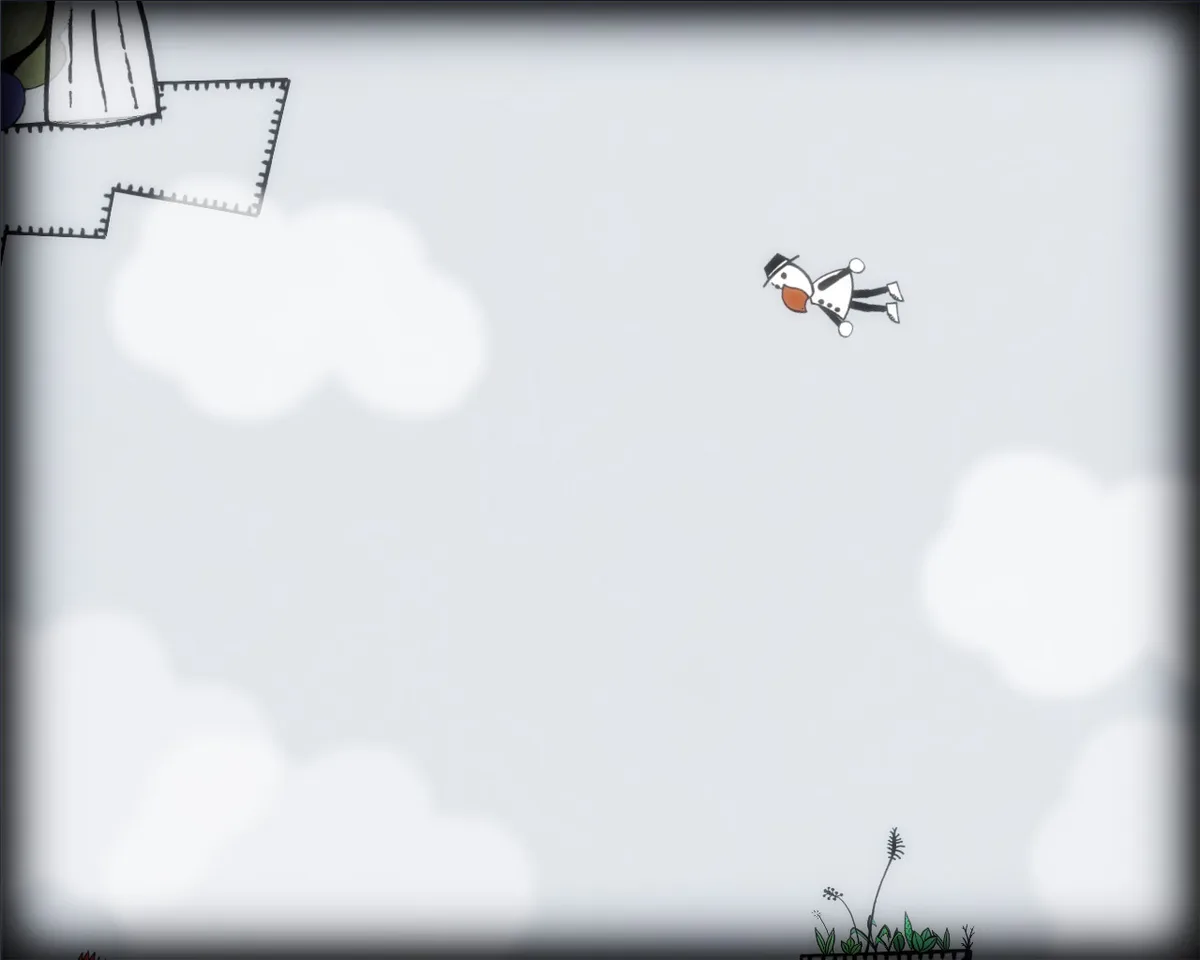
Blueberry Garden begins from the air. Soaring through the sky is the game's primary movement mechanic, carrying the player above softly swaying trees and over a strange world. That flight is the main way to reach and survey the landscape, and the goal attached to it is to find out what's going on among those trees and the mysterious creatures living there. The play described is not a single sprint but a short, experimental exercise in exploration and discovery, set inside an ever-changing ecosystem.
The storytelling is built into that flight rather than placed beside it. Blueberry Garden is presented as an interactive fairytale with no film sequences and no dialogues, so the world, its creatures and the changes across the ecosystem carry the play without spoken or scripted cutscenes. Soaring and examining the swaying trees therefore work as the same activity, and the search for what is happening goes on through movement and observation rather than through dialogue.
Fruits as Tools for Crossing the Landscape
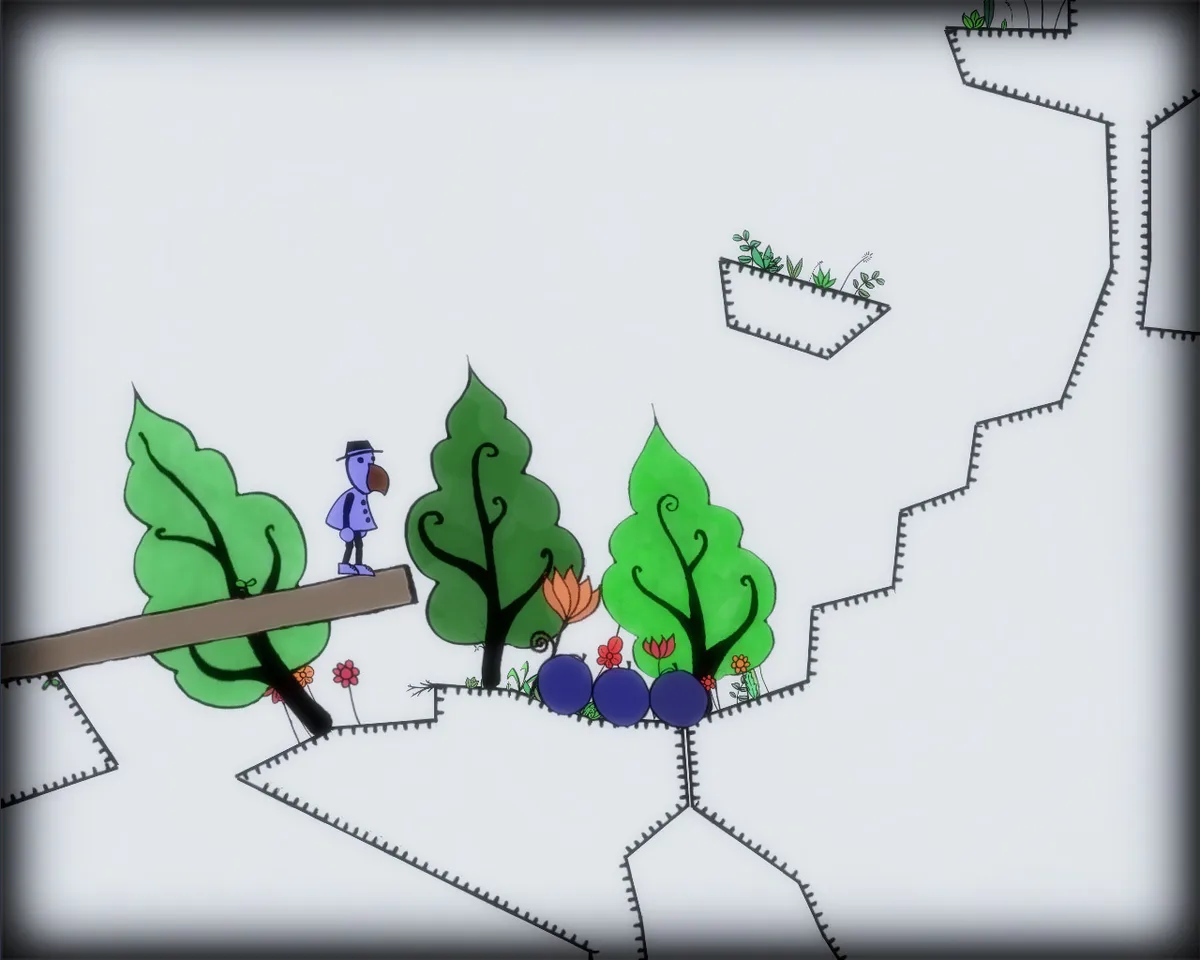
Fruit works as a set of navigational tools rather than as a collectible score. The player tries out the effects of various fruits and then uses those effects to cross the landscape more easily. This experimentation sits alongside the primary movement of soaring through the sky, so a fruit whose effect changes how the player travels can open a route across terrain that plain flight handles awkwardly. The documented loop is to sample a fruit, observe what its effect does, and apply that effect to the next stretch of the ever-changing ecosystem.
The fruit mechanic also ties into the living-world design. Plants, fruits and animals exist in symbiosis, and environmental interaction is a core gameplay element, so the useful fruit belongs to the same ecosystem the player surveys from the air rather than sitting outside it as a detached power-up. Because the ecosystem changes, a fruit effect that helps navigate one stretch may meet a different arrangement of trees and creatures later on. The player locates fruit, tests its effect, and uses that result to move through the softly swaying trees toward the question of what is happening among them.
An Ever-Changing, Symbiotic Ecosystem
The world of Blueberry Garden is built as a living system rather than a static backdrop. Plants, fruits and animals live together in symbiosis, so each element of that ecosystem is tied to the others. The game presents this as a living world rather than a set of separate pieces, and that arrangement sits alongside the exploration rather than behind it. Because the ecosystem keeps changing, the same stretch of trees and creatures does not stay arranged the same way, so whatever the player learns about one part of the world has to be read against the new configuration that follows.
The game frames its objective around that shifting world. The aim is to find out what is going on among the softly swaying trees and the mysterious creatures that live there, so exploration is directed at the life of the ecosystem rather than at a separate mission list. Soaring through the sky is how the player surveys those trees and creatures, while the changing ecosystem means that what is found in one pass may differ on the next. The documented design joins the living-world arrangement to the search for what is happening in it.
Two Endings Shaped by Choices and Skill
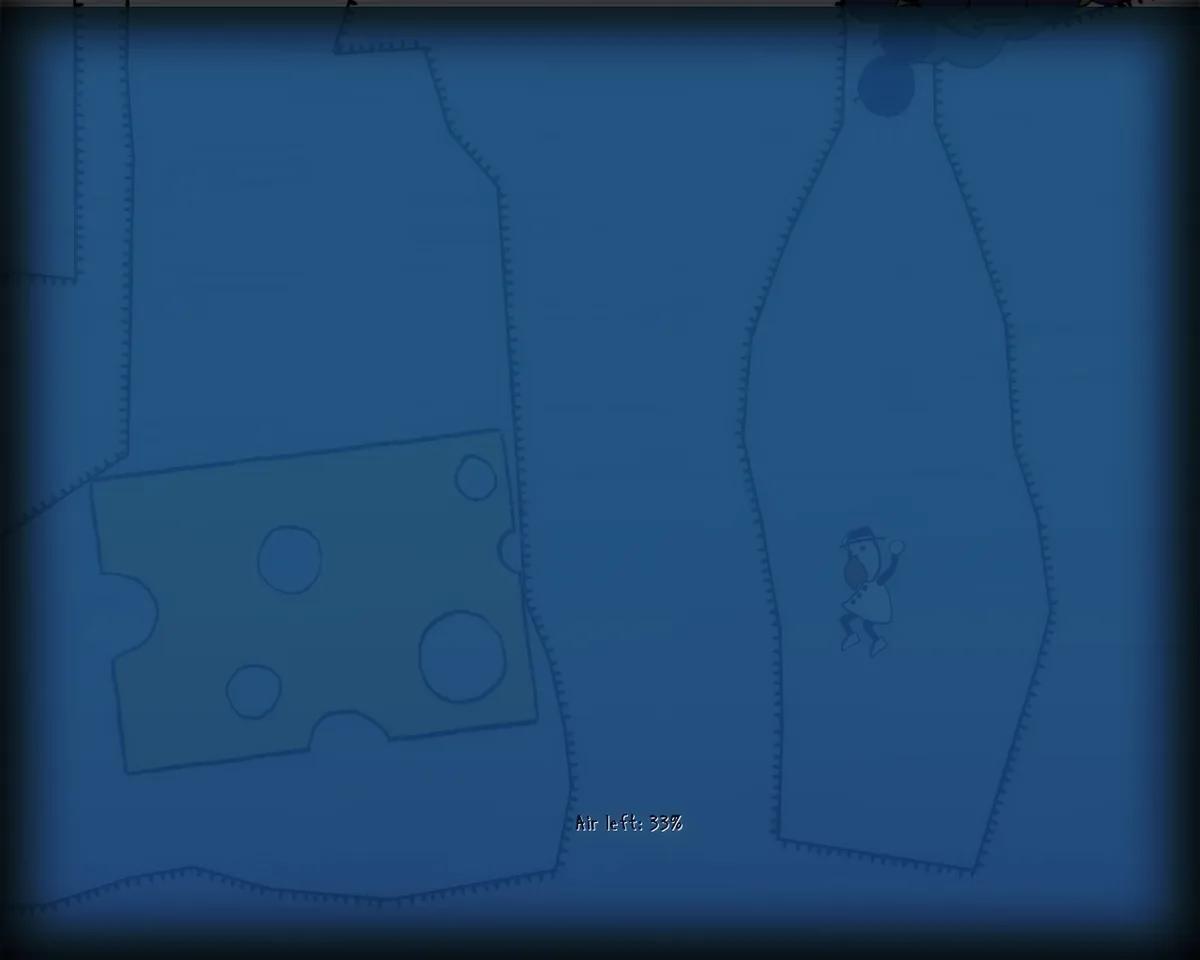
Blueberry Garden concludes with two different endings, and the route to each one is tied to the player's choices and skill. The documented story feature states the endings depend on both factors rather than on a single trigger, so the decisions made while flying and experimenting with fruit sit alongside how well the player handles the game's movement and navigation. The game is described as short and experimental, which means the two outcomes arrive within a compact exploration rather than after a long campaign.
The ending structure connects back to the mechanics already in play: soaring through the sky, testing the effects of fruits, and using those effects to cross the landscape. Choices made during that experimentation and the skill shown in applying fruit effects and flight are what the two-ending design draws on. The game's short, experimental length keeps those decisions concentrated, so the search for what is going on among the softly swaying trees and mysterious creatures leads toward one of two conclusions shaped by how the player acted and how capably they moved through the ever-changing ecosystem.
Sources & further reading.
- Blueberry Garden — official game profile Retrieved Oct 19, 2026
First published .