 THE GAME ARCHIVE
Covert Operations: The Single-Player Campaign
The single-player campaign in the 2010 Windows release of Call of Duty: Black Ops is framed as a cinematic story, built around a narrative that carries the player through missions rather than a loose sequence of battles. As a member of an elite special forces unit, the player is sent behind enemy lines to take part in covert warfare and classified operations. The conflict spans the globe, so the campaign moves across worldwide settings and stages explosive engagements in those locations.
The campaign's documented premise gives failure a specific consequence: the operations are deniable, and capture or death means the operative's country disavows them. That rule sits alongside the equipment angle, in which the unit has access to exclusive weaponry and equipment, and the player's actions are described as tipping the balance during a dangerous period. The story's global covert operations and its disavowal condition are the two documented pillars of how the campaign frames the player's role.
The Signature Multiplayer Toolkit: Perks, Killstreaks, and Customization
Multiplayer in the 2010 Windows release of Call of Duty: Black Ops returns with a toolkit the game presents as its signature offering. The named elements are new perks and killstreaks, deeper levels of character and weapon customization, and additional modes. The perk and killstreak systems are treated as distinct mechanics that return alongside the multiplayer itself, while the customization layer is split between the character and the weapon rather than handled as a single pool of options.
The customization angle reaches both the character and the weapon: a player shapes who the soldier is as well as what the firearm becomes. Alongside this, the game adds all-new modes, and the documented set is the Wager Matches category, which the game names as One in the Chamber, Gun Game, Sticks and Stones, and Sharpshooter. These named modes sit inside the Wager Matches grouping rather than standing as separate additions, so the toolkit combines perks, killstreaks, two tracks of customization, and a wager-based mode family.
Wager Matches: Four Named Modes
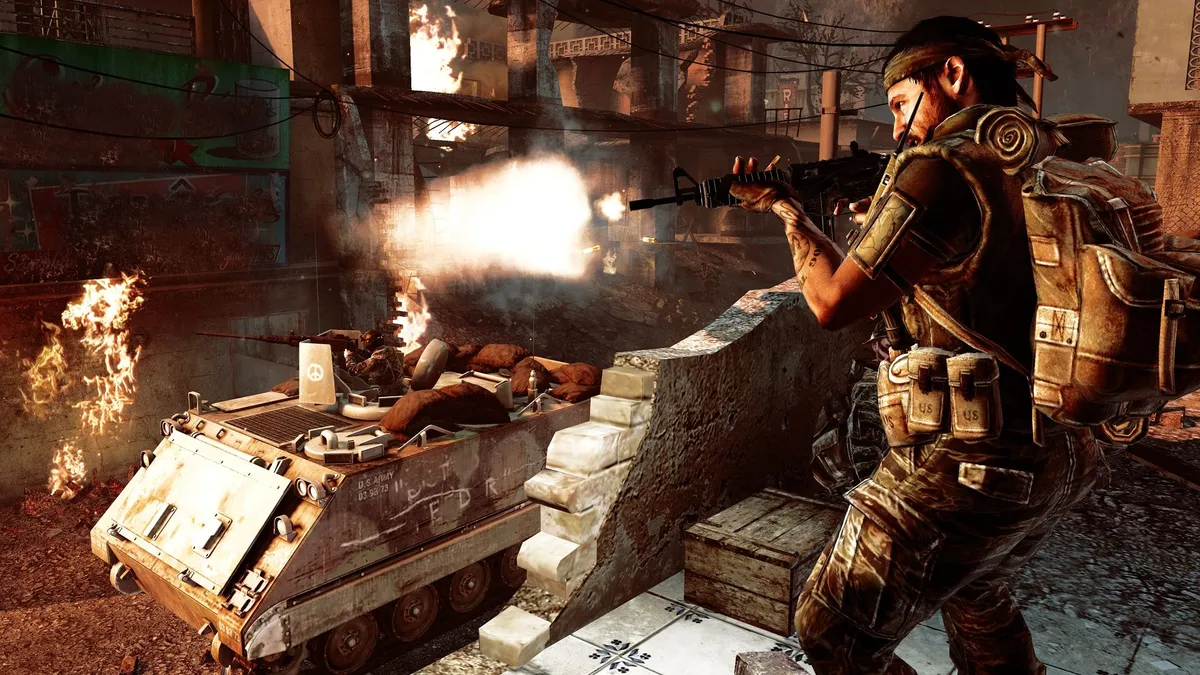
Within the Signature Multiplayer of the 2010 Windows release, the game groups four named modes under the Wager Matches heading: One in the Chamber, Gun Game, Sticks and Stones, and Sharpshooter. These four sit together as one category of the all-new modes that accompany the returning perks and killstreaks. The document lists the modes by name inside the Wager Matches label rather than placing them among the perk and killstreak systems, so the mode family stands as its own addition to the multiplayer toolkit.
The Wager Matches grouping arrives alongside other documented multiplayer elements: new perks, killstreaks, and deeper levels of character and weapon customization. The rules here are organizational as much as mechanical. The game presents the four wager modes as a single named set, while the perk, killstreak, and customization layers are described separately. What the listing does not supply is detail on the internal rules of each wager mode or on objective and scoring systems, so those specifics remain outside the documented description.
Combat Training and Zombies: Solo and Co-Op Against AI
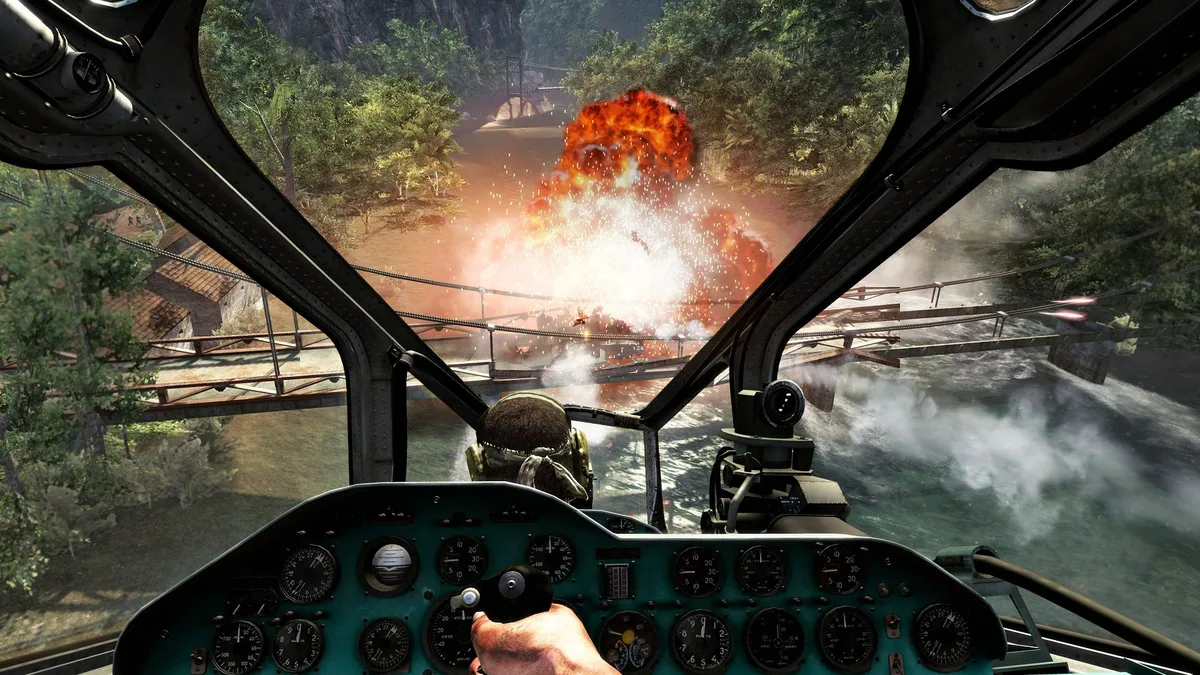
Combat Training is the mode the document offers for practicing against computer-controlled opposition. It can be played alone or with friends in co-op, and in both cases the enemies are AI enemy players rather than human opponents. That makes the mode a place to test skill in the game's combat without the multiplayer matchmaking conditions of the other modes. The solo and co-op options are both documented, and the AI opposition is the fixed condition across them.
Zombies returns as a fan-favorite mode, and the document describes it as providing endless hours of zombie-slaying entertainment. It is offered both solo and in co-op, so the two-player structure documented for Combat Training also appears here. Neither mode's internal rules are supplied beyond these points: the document does not describe controls, wave rules, scoring, or objective systems for either Combat Training or Zombies. The documented facts are the solo and co-op availability and the AI or zombie opposition.
Theater Mode and Team Play
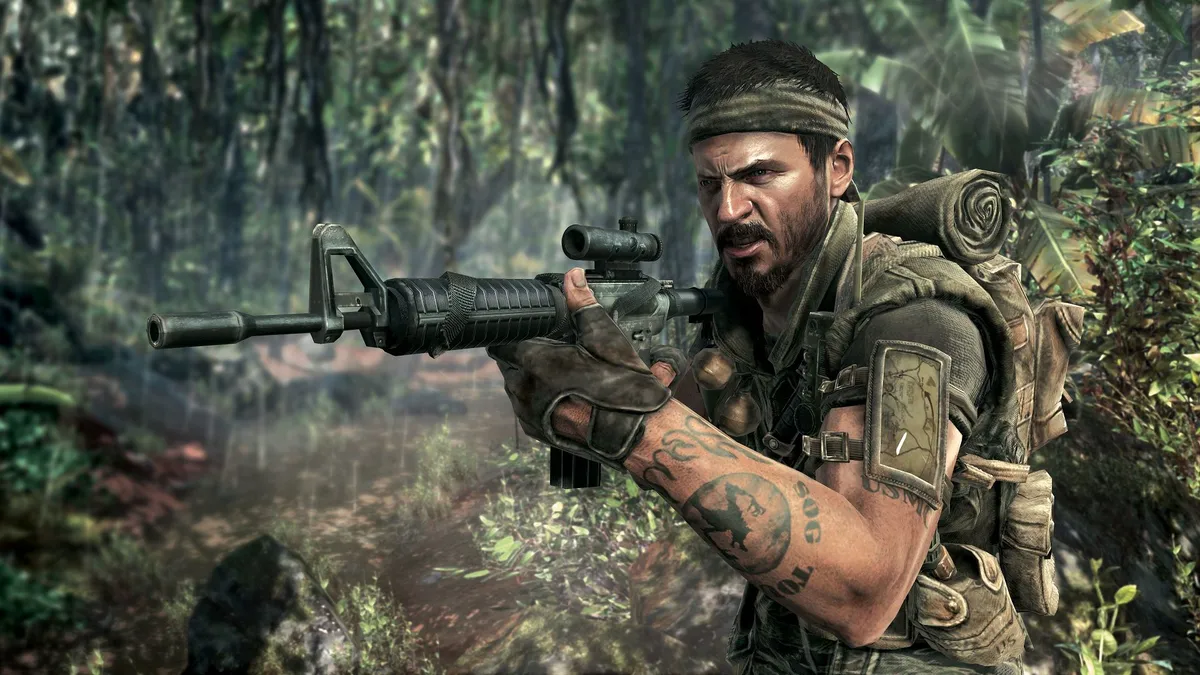
Theater Mode gives players a way to view, record, and edit their favorite moments from multiplayer, then share those saved moments with friends. It is listed among the all-new modes that accompany the returning perk and killstreak systems, so the feature is presented as part of the same multiplayer package rather than a separate standalone tool. The documented workflow runs from watching a moment to capturing it to editing it and finally passing it along to friends, and all of this concerns multiplayer footage specifically.
The mode listing also places Wager Matches — One in the Chamber, Gun Game, Sticks and Stones, and Sharpshooter — in the same all-new modes group as Theater Mode, while team-based play is documented as part of the mode set as well. Combat Training offers a different arrangement: it can be played solo or in co-op with friends against AI enemy players. Zombies returns as a fan-favorite mode for solo or co-op play, described as providing endless hours of zombie-slaying entertainment.
Sources & further reading.
- Call of Duty®: Black Ops — official game profile Retrieved Oct 16, 2026
First published .