 THE GAME ARCHIVE
A match begins with a job, not just a target
Counter-Strike is a team shooter in which the map gives the fighting a purpose. You join the Terrorists or Counter-Terrorists, then work toward a scenario objective with your teammates. In a hostage scenario, the rescue team has to bring people out alive. In a bomb scenario, the attacking team has to plant an explosive at a designated target and protect it. Those differences matter before the first shot: the same corridor can be an approach route, a defensive position or the path you must keep clear for an escort. This introduction covers the classic PC game sold as Counter-Strike, rather than Counter-Strike 2.
Rounds make survival matter
Play is divided into rounds. There is a preparation period for purchases, followed by the live encounter; being killed means watching the remaining action instead of immediately returning to that fight. A new round brings another opportunity. This rhythm gives a decision a longer consequence than it would have in a continuously respawning arena shooter. For a first session, concentrate on one useful contribution per round: reach the intended position, stay with a teammate or help complete the objective. While spectating, follow how the surviving players use the same route you just attempted.
Bomb maps: planting changes the problem
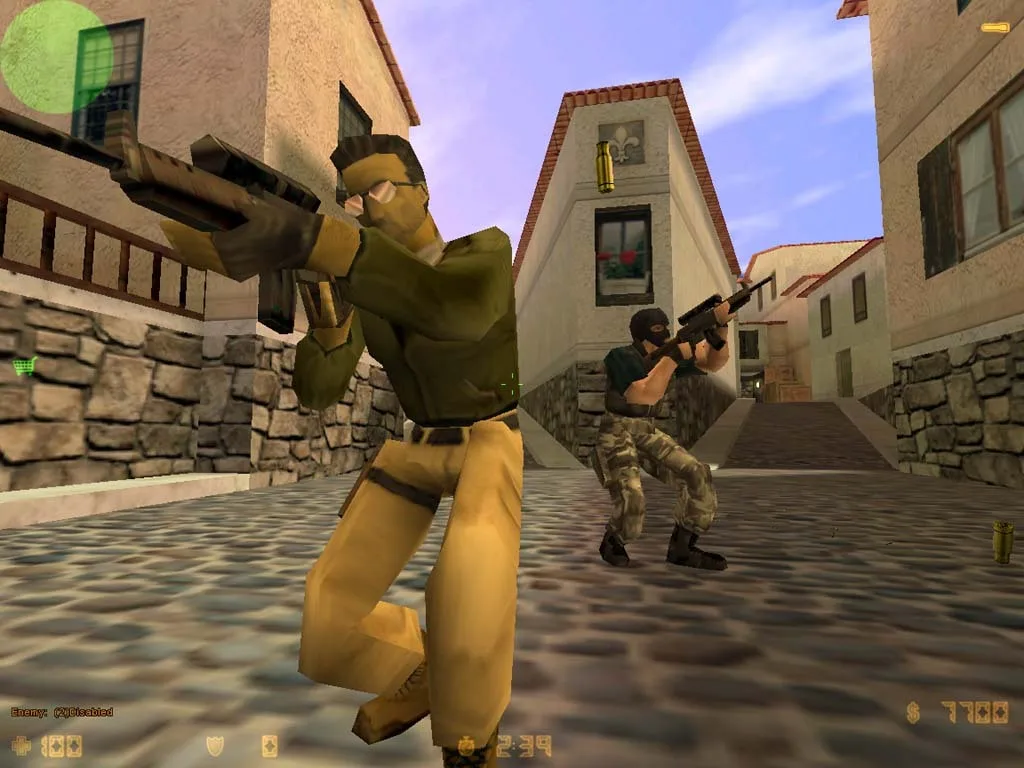
On a bomb map, one Terrorist carries the C4. That player must reach an appropriate target area, select the bomb and hold the attack action to plant it. Counter-Terrorists can stop the plant or defuse a planted bomb by approaching it and holding the Use action. A defuse kit shortens the defusing process. The important change happens after the plant: eliminating the attackers is no longer enough on its own, because the bomb still needs attention. As a beginner, keep track of whether the bomb is being carried, has been dropped or is already ticking. Your team's next useful action depends on that state.
Hostage maps: getting there is only half the task
In hostage rescue, Counter-Terrorists approach a hostage and use the interaction command to make that person follow. Using the command again stops the follower. The objective is to lead the hostages to the rescue zone, so clearing a room does not complete the job. You still need a usable return route. For the defenders, stopping the rescue is the relevant goal. A practical starting habit is to look at the route back before committing to the pickup. Teamwork here can mean covering an escort rather than searching for another firefight elsewhere on the map.
Money links one round to the next
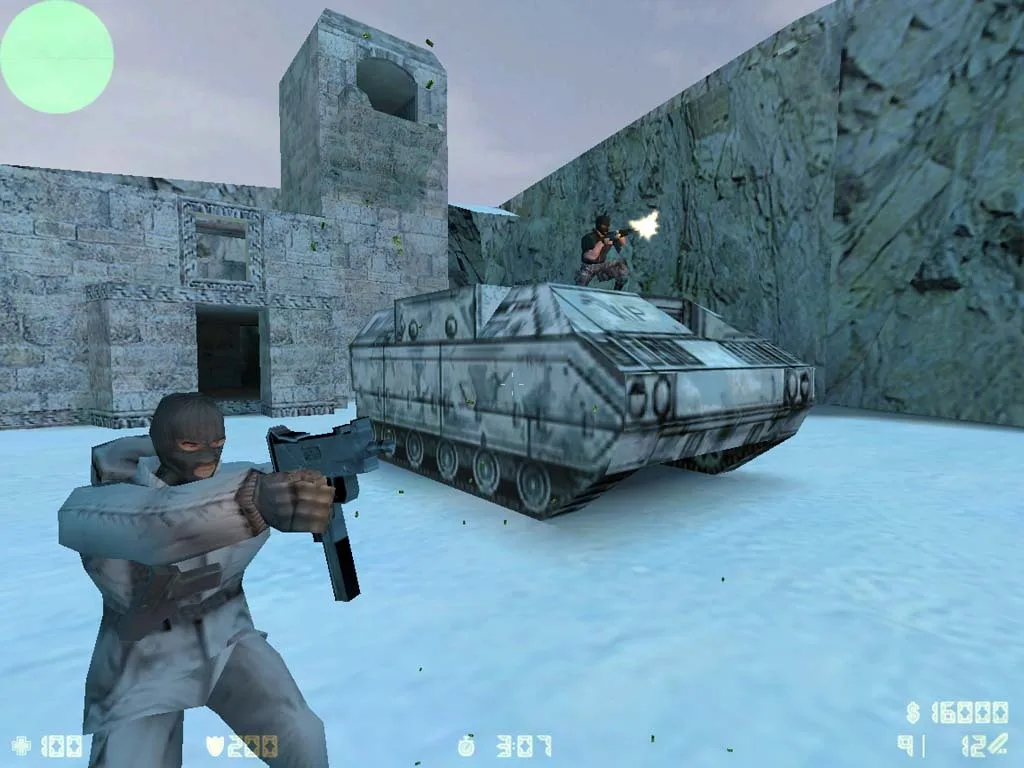
Weapons and equipment cost money. The manual describes rewards for useful actions and team results, alongside penalties for actions such as killing hostages or teammates. Purchases therefore belong to the match, not just to the current duel. A more expensive weapon is only one part of an equipment choice; ammunition and protection also compete for the same funds. Before opening the buy menu, decide what task you want the purchase to support. If you are learning a familiar route with teammates, an understandable loadout is more useful than buying unfamiliar equipment simply because the balance permits it.
Learn the buy zone and your basic commands
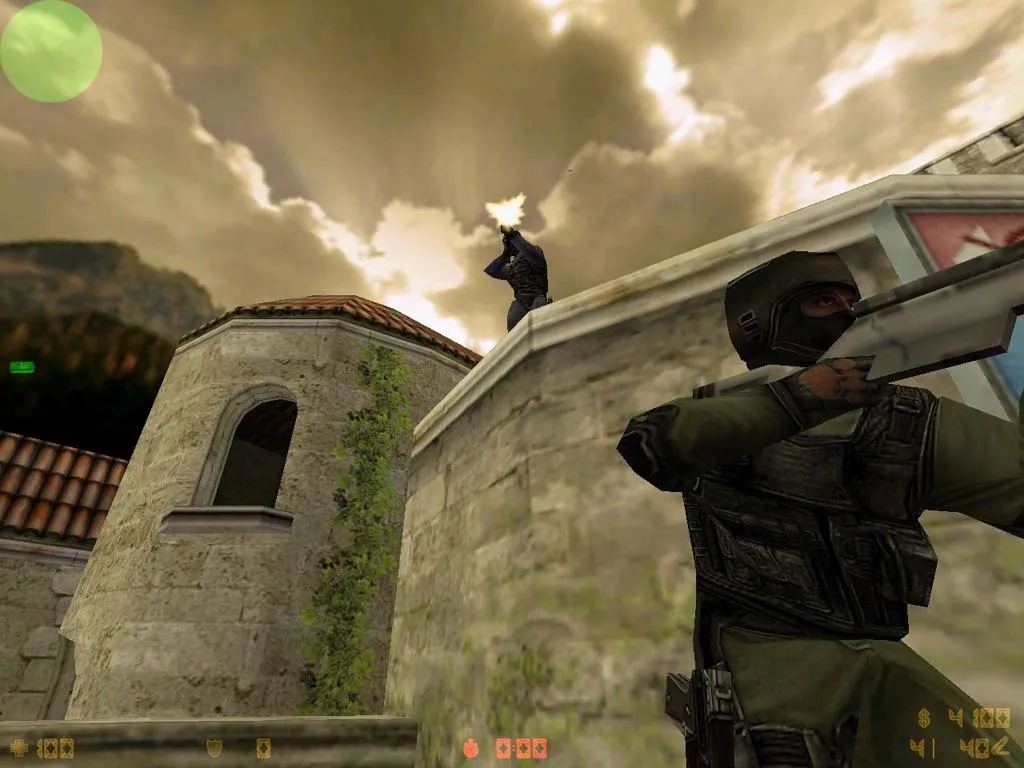
Purchasing is tied to a buy zone, shown by an indicator on the display. The PC manual also distinguishes firing, reloading, using objects and selecting equipment. Check those bindings before joining a busy match, particularly the Use command: it is essential to both hostage interaction and bomb defusing. The preparation period is a useful place to learn the menu without turning a live encounter into a search for the correct key. Avoid copying a modern Counter-Strike control guide without checking it against the classic game's own options and the server you joined.
A useful first-session plan
Start by reading the map's objective, then learn a small route between your team's starting area and that objective. Reuse it for several rounds so you can separate unfamiliar geography from unfamiliar controls. If you die, watch how a surviving teammate handles the same space. On the next round, change one decision rather than everything at once. When playing with others, communicate the objective state you actually observed instead of treating every enemy sighting as an instruction to abandon the plan. This is an introductory learning approach drawn from the round and scenario rules, not a claim that one route or loadout wins every match.
Sources & further reading.
- Counter-Strike — official game profileRetrieved Oct 8, 2026
- Valve and Sierra: original PC Counter-Strike manual (archived)Retrieved Oct 8, 2026
First published .