 THE GAME ARCHIVE
Darksiders casts you as War, the first Horseman of the Apocalypse, in an action-adventure built around brutal combat and supernatural abilities. Deceived by the forces of evil into prematurely triggering the end of the world, War is accused of breaking sacred law by inciting war between Heaven and Hell. The demonic forces defeated the heavenly hosts and claimed the Earth, and War is brought before the Charred Council, indicted, and stripped of his powers. Dishonored and facing his own death, he is offered a chance to return to Earth to search for the truth and punish those responsible.
Hunted by a vengeful group of angels, War must take on the forces of Hell, forge uneasy alliances with the very demons he hunts, and journey across the ravaged remains of the Earth on a quest for vengeance and vindication. That premise frames the game's two driving goals: uncover the truth and punish those who set the apocalypse in motion, and clear War's name in the process.
The Core Gameplay Loop
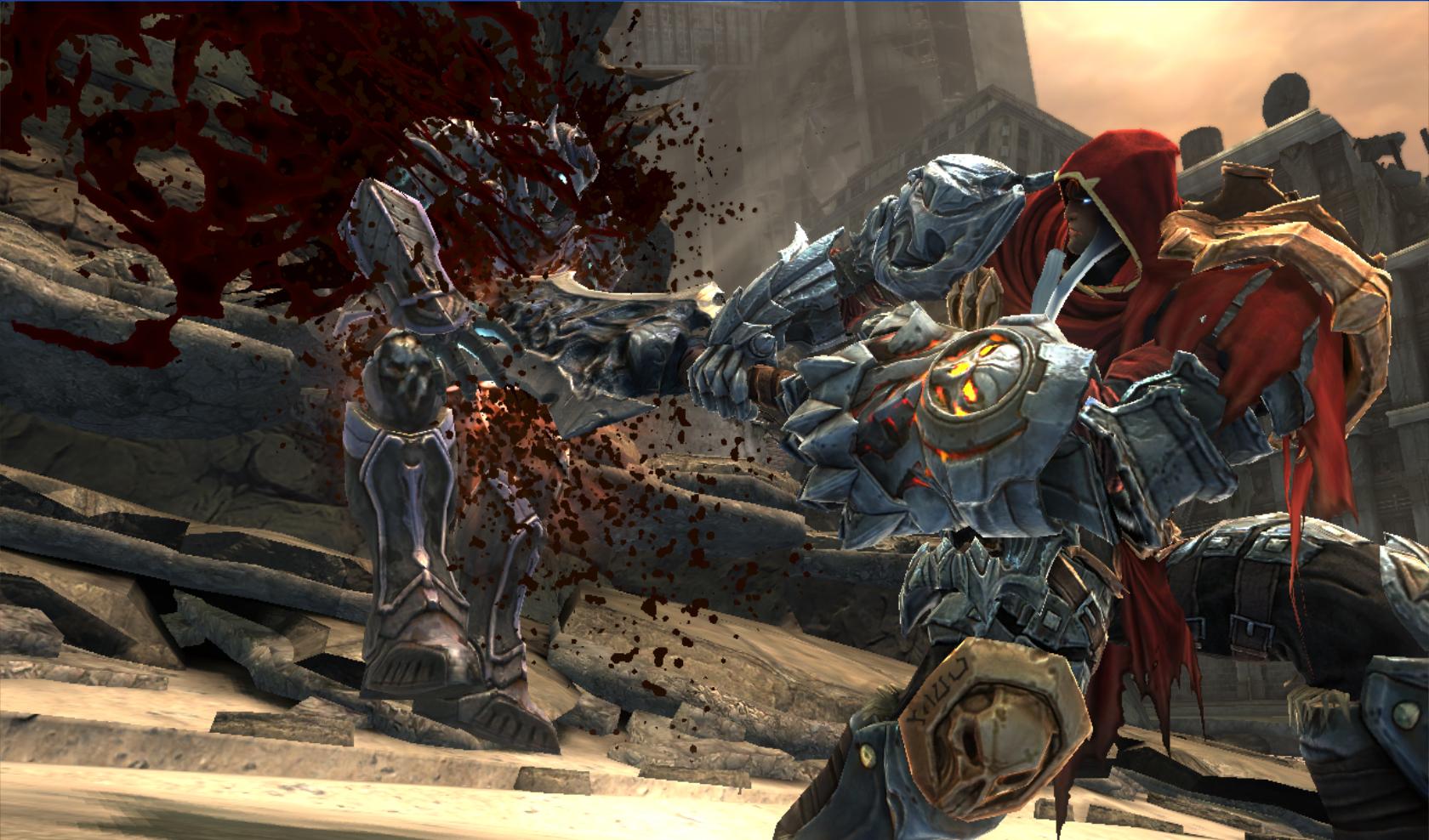
At the mechanical level, the loop is straightforward: you push through hostile territory, fight what stands in your way, and grow stronger as you go. Combat combines brutal attacks with supernatural abilities to decimate enemies, so moment-to-moment play alternates between weapon strikes and power use rather than resting on a single input style. The store material frames this directly — unleash the wrath of War by combining attacks with supernatural abilities.
That loop is wrapped in traversal across the decimated Earth. War rides Ruin, his fiery phantom steed, which is presented as part of both movement and destruction — you blaze a trail of destruction atop the steed as you move between fights. Travel and combat are therefore not separate modes in the way the game describes them; the steed belongs to the same violent vocabulary as the weapons.
Weapons and the Arsenal
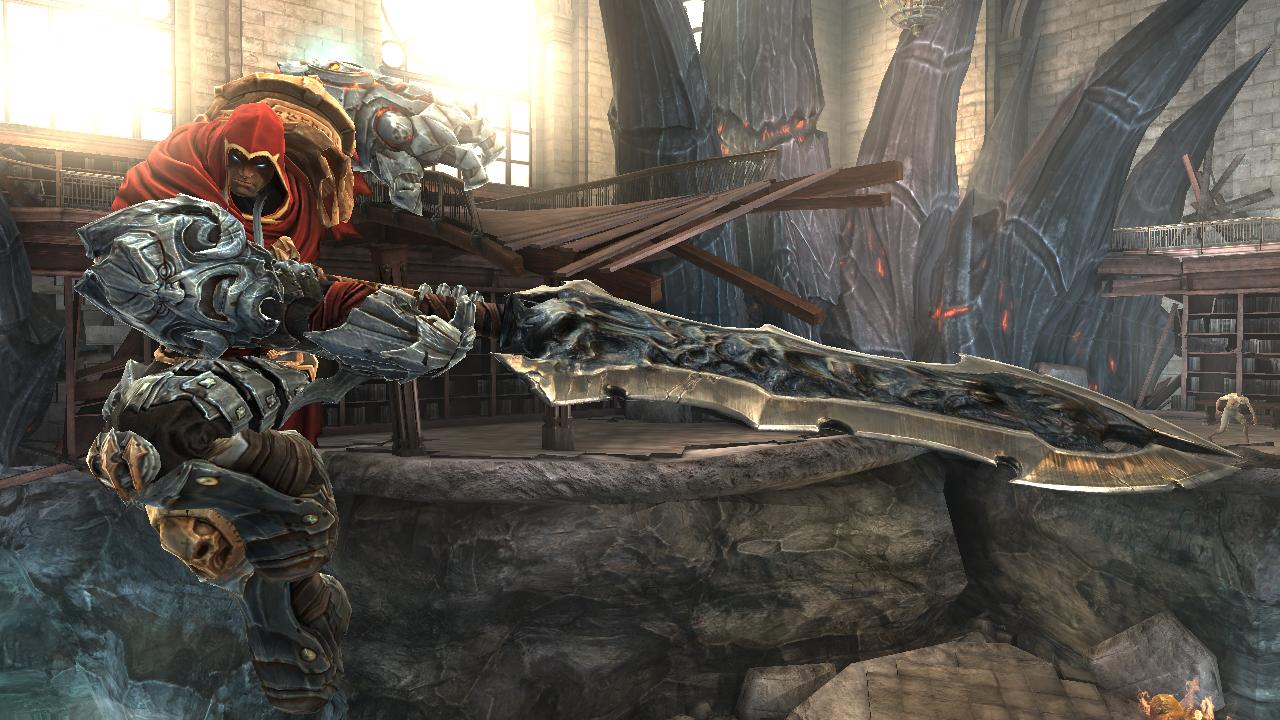
War wields a devastating arsenal of angelic, demonic, and Earthly weapons. That three-way split is what makes the equipment system worth noting: rather than a single progression tree of one weapon type, the game groups its armaments by origin, tying the tools of Heaven, Hell, and the mortal world into one kit. In practice this means your answer to a fight is chosen from a mixed set rather than a single lineage — the arsenal is explicitly described as spanning all three categories rather than favoring one.
Character Progression and Customization
Progression is built on discovery and upgrade. Uncovering powerful ancient relics feeds into upgrading your weapons and unlocking new abilities, and the stated result is that you customize your playstyle. The combination is important: relics are the resource, weapons and abilities are what they change, and the endpoint is a build rather than a fixed character. The store describes an 'Character Progression' framing of relics, weapon upgrades, new abilities, and style customization as one connected system.
Because the loop already alternates between attacks and supernatural abilities, progression that adds abilities and alters weapons is the clearest lever for changing how a run feels. The source does not describe specific skills, upgrade costs, or caps, so what can be said with confidence is the shape of the system: find relics, improve weapons, unlock abilities, adjust your style.
Wastelands, Dungeons, and the Shape of the Journey
The campaign is assembled from two recurring environments: wastelands and demon-infested dungeons across the decimated Earth. That pairing suggests an alternation between open stretches of ruined terrain and enclosed, enemy-dense spaces — a structure consistent with an action-adventure built on exploration punctuated by combat rooms. The source does not specify level order, dungeon count, or fast-travel rules, so the useful takeaway is the environmental contrast rather than a route map.
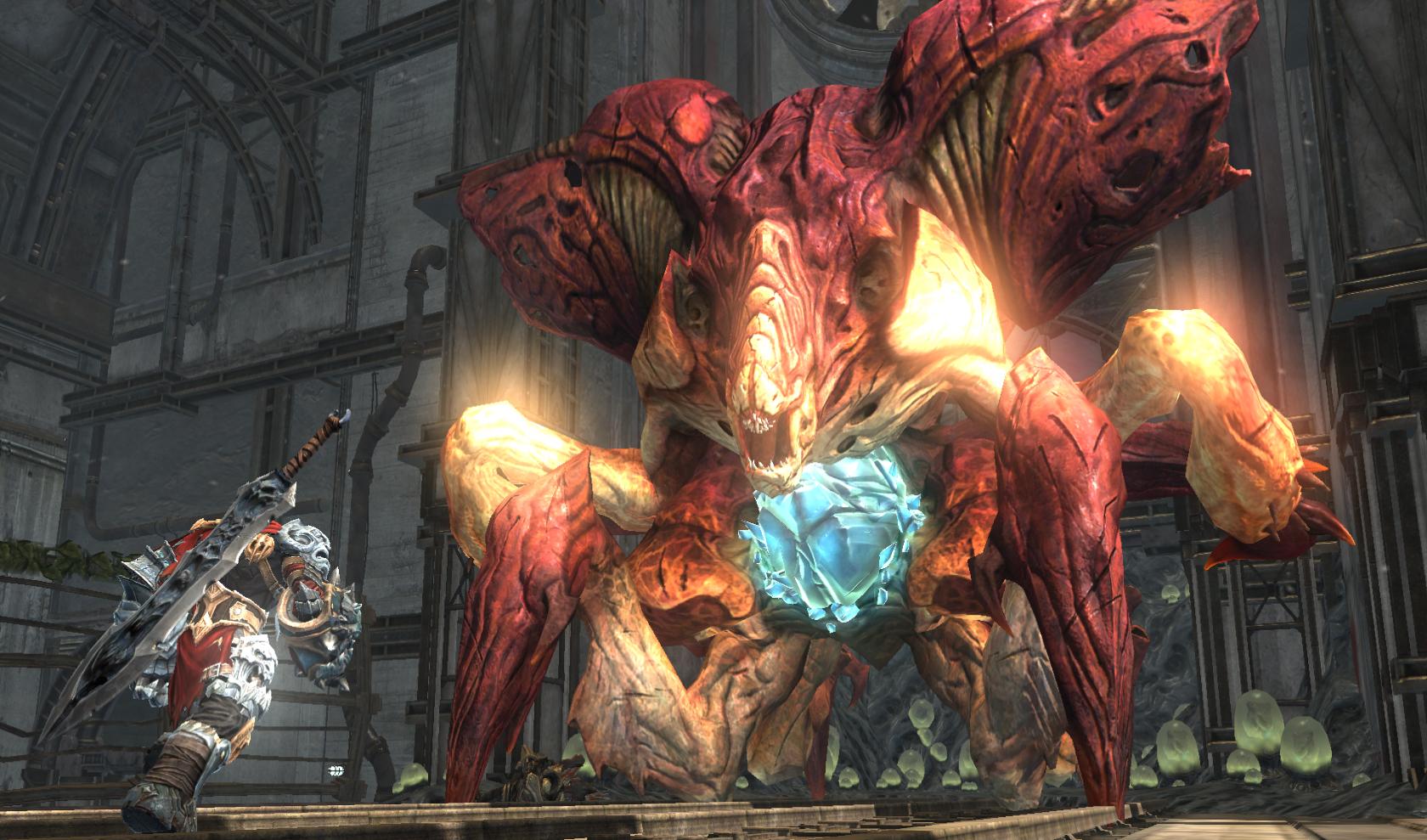
The opposition reflects the premise's two-sided war. War battles against all who stand in his way, from war-weary angelic forces to Hell's hideous demon hordes. That means the enemy roster is explicitly drawn from both Heaven and Hell rather than a single faction, and the angels hunting War connect the combat to the story rather than sitting outside it.
What to Focus On in the Early Game
Based on what the source describes, the sensible early habits are to treat combat as a two-part toolset from the start and to treat exploration as investment. Because attacks and supernatural abilities are meant to be combined, leaning on only one of the two halves runs against how the game is framed. Because relics drive weapon upgrades and ability unlocks, and the stated payoff is a customized playstyle, picking up relics is the mechanical path toward a build that fits how you fight.
The objective itself doubles as direction: searching for the truth and punishing those responsible is both narrative goal and a cue to keep probing the world rather than only pushing forward through fights. The source does not provide control schemes, difficulty settings, or a recommended order of areas, so any starting guidance beyond this would be invention rather than summary.
What Sets the Design Apart
Three choices stand out in the official description. First, the arsenal is categorized by origin — angelic, demonic, and Earthly weapons — which gives equipment a thematic identity rather than a purely numeric one. Second, Ruin is presented as a fiery phantom steed, so a mount is part of the combat and traversal identity, not a background detail. Third, the cast of enemies is drawn from both sides of a Heaven-versus-Hell war, which matches a premise in which War is hunted by angels while fighting demon hordes.
The game also wears its premise in its structure. War's journey is described as one of vengeance and vindication, and every documented system — combat, weapons, relics, dungeons, enemies — serves that arc. It is a compact, thematic design where the story problem and the mechanical loop point in the same direction.
Release Year and Current Official Access
The listed release year of 2010 belongs to this official store entry, which lists Windows as its platform, Vigil Games as developer, and THQ Nordic as publisher. The year is scoped to this entry and should not be read as a full original release history across platforms or regions. The listing identifies the title as Darksiders and classifies it under the Action and Adventure genres.
This article treats only the title as described on its official store page. It does not cover remasters, ports, or later collections, which are not part of the supplied evidence. Readers looking for edition-specific contents, bundle information, or current compatibility details should consult the official listing directly, as those facts fall outside this summary.
Quick Reference Facts
- Title: Darksiders
- Listed release year (this entry): 2010
- Listed platform: Windows
- Developer: Vigil Games
- Publisher: THQ Nordic
- Genres: Action, Adventure
- Protagonist: War, first Horseman of the Apocalypse
- Steed: Ruin, a fiery phantom steed
- Weapon categories: angelic, demonic, and Earthly
- Environments: wastelands and demon-infested dungeons
- Enemy factions: war-weary angels and Hell's demon hordes
Scroll sideways to see the full table →
| System | What it does |
|---|---|
| Combat | Combines brutal attacks with supernatural abilities to decimate enemies |
| Arsenal | Angelic, demonic, and Earthly weapons |
| Steed | Ruin, a fiery phantom steed used for traversal and destruction |
| Progression | Ancient relics feed weapon upgrades, new abilities, and playstyle customization |
| Environments | Wastelands and demon-infested dungeons of a decimated Earth |
| Enemies | War-weary angelic forces and Hell's demon hordes |
Sources & further reading.
- Darksiders™ — official game profile Retrieved Oct 12, 2026
First published .