 THE GAME ARCHIVE
Divinity II: Developer's Cut is an RPG released for Windows in 2012 by developer Larian Studios, with Larian Studios and Focus Home Interactive listed as publishers. This edition packages what the official description calls the ultimate edition of Divinity II — credited there with 100+ hours of role-playing — alongside a Developer Mode and behind-the-scenes extras. Its defining pitch is easy to state and unusual for its genre: the official text says an RPG unleashes the power of the dragon on the player.
That matters because the two-form structure is not a cosmetic toggle. The documented design asks the player to climb high and vaporize enemies as a dragon while also using the human form strategically, treating both as complementary tools for defeating the enemy and becoming the ultimate Dragon Knight. The result is an action RPG whose combat identity revolves around which body the player is wearing at any given moment.
Premise: Dragons Strike Back
The official store description frames the setting with a blunt reversal: dragons have been hunted and slain, and now the hour to strike back has come. It invites the player to break free from the confines of the human body and take to the skies. That is a revenge-flavored fantasy premise, but it is also a mechanical promise — the flight and fire in the description are precisely the abilities the form-switching system delivers.
The Dragon Stone relic ties the player into the world's infrastructure. The documented setup places the Battle Tower — a vast citadel raised many centuries earlier by a long forgotten Dragon Mage — over Sentinel Island, and binds the player to it through the Dragon Stone. A home base is therefore not an abstract menu but a landmark with an in-fiction history and an in-fiction reason for being yours. The official wording also sets up the player's broader task around the Battle Tower as a base of operations for combat and progression.
The Core Loop: Two Bodies, One Fight
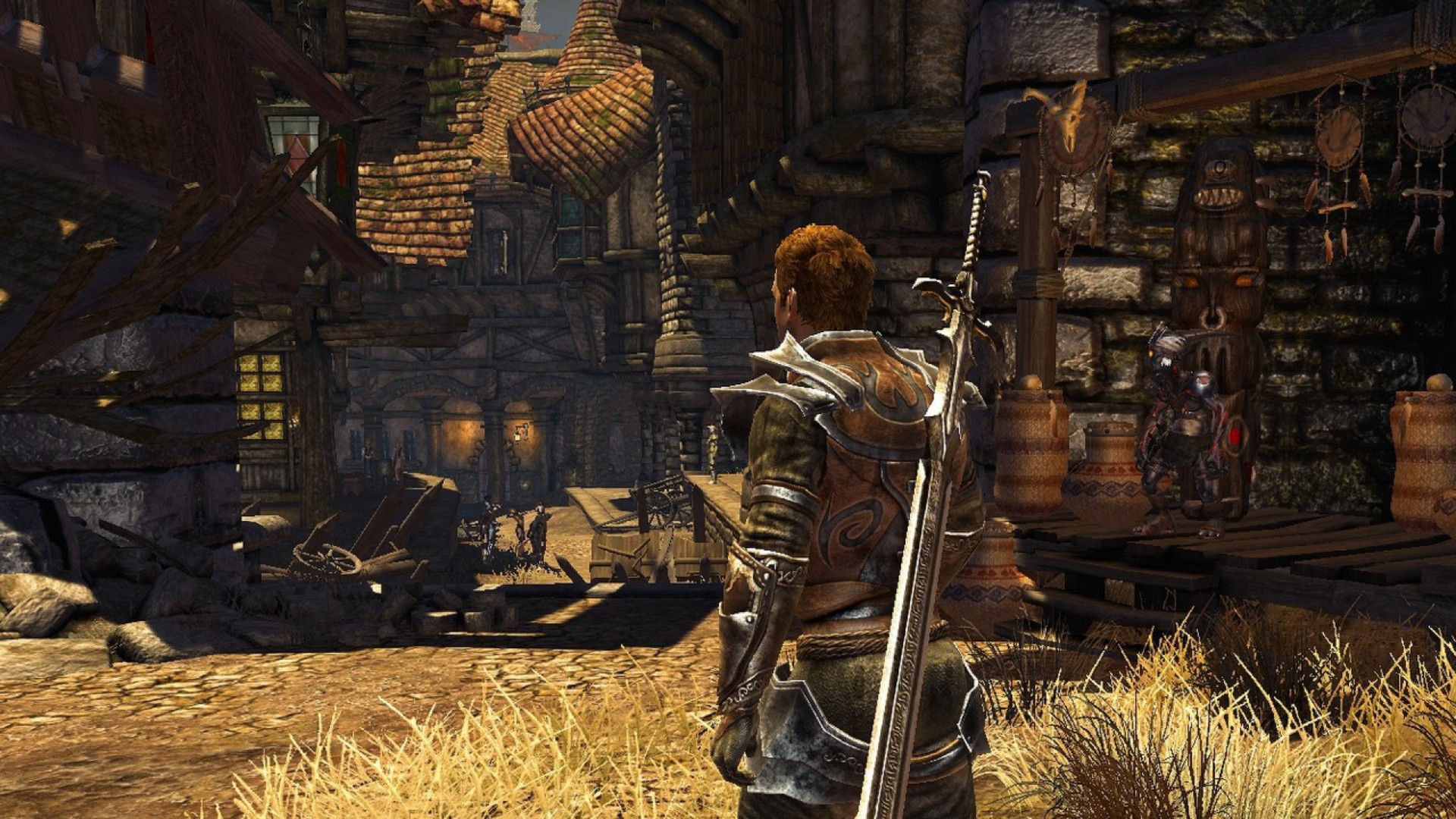
At its center, the game is played as a dual-identity fantasy: you fight as both human and dragon. The official feature list presents the dragon form as a way to climb high and vaporize whatever stands in your way, and frames the human form as the other half of a deliberate tactical pair. The operative phrase is strategic use of both forms — the game asks for a judgment about when to be which creature, not just a novelty transformation.
Combat, then, is a question of position and altitude as much as of stats. The dragon form's documented strength is the aerial approach: rise above the battlefield and unleash force from range. The human form's documented role is complementary — the other tool in the pair. The description's promise of a thousand foes suggests comfort with large-scale encounters, and this edition's Developer Mode provides a way to probe exactly that: the official text offers a hoard of a hundred goblins as an example of what developer commands allow.
Around that central exchange sits an RPG's usual scaffolding: quests, moral decisions, character growth. The documented hook is that the storyline unfolds dynamically according to your choices and skills, and that quest objectives come with a wide range of moral choices about how to act. In practice that means the same objective can be approached differently depending on the character you have built and the kind of person you have decided they are.
Mechanics That Set It Apart
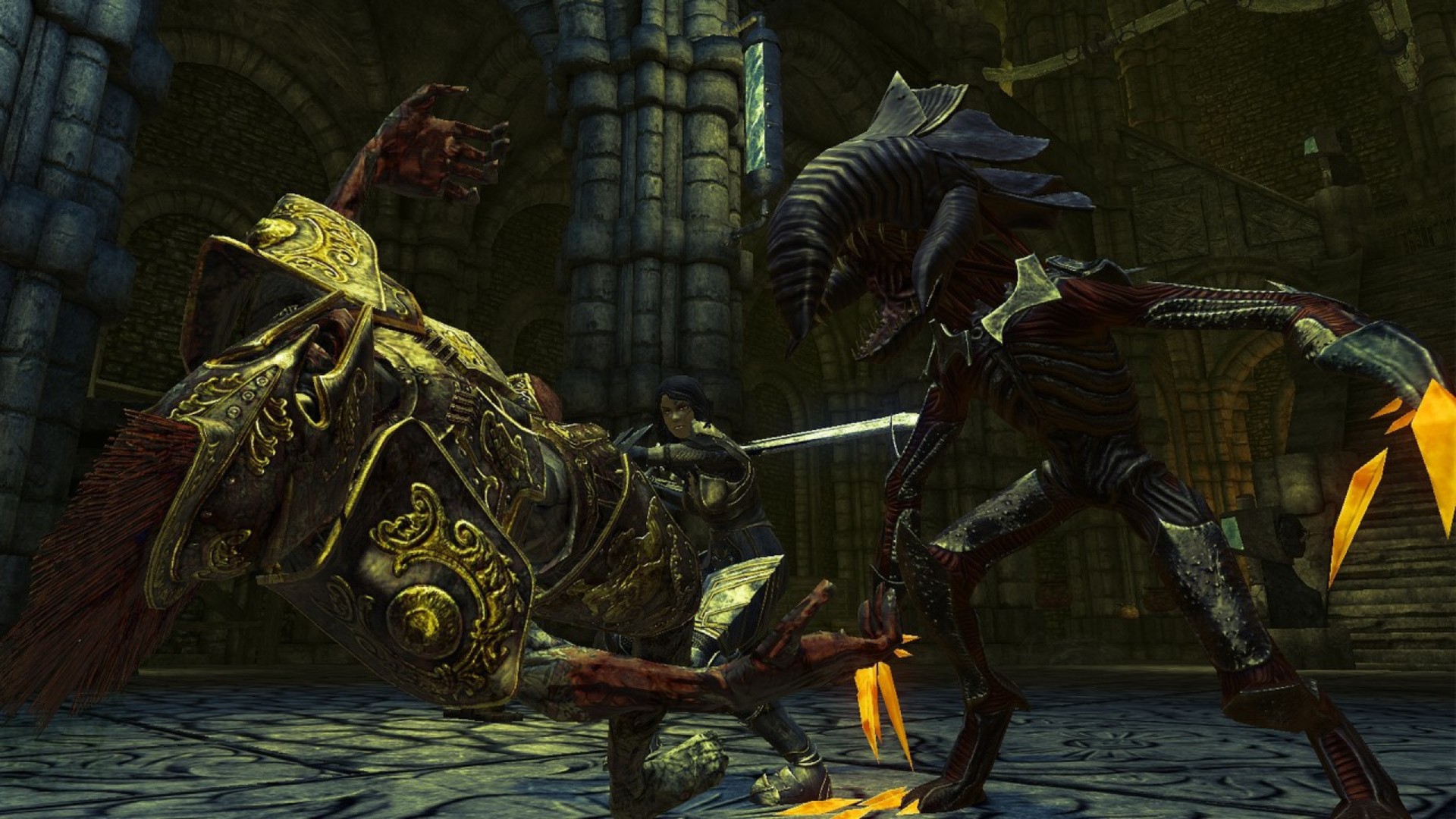
The most distinctive documented system is creature assembly. The player conjures spirits to bring to life a companion made from body parts collected during battles, and, per the official description, this creature's power is literally the sum of its body parts. That wording is more than flavor: it implies a collection loop feeding directly into combat strength, where pieces gathered in the field are not vendor trash but the literal architecture of a summon.
Once assembled, the creature is summoned to support you in combat, which turns assembly into a practical goal rather than a trophy. For a player planning a build, the implication is that exploration and looting serve double duty: every field encounter is also a chance to upgrade the thing that fights beside you.
The Battle Tower anchors the other half of the progression picture. Positioned as a base of operations tied to combat and progression and bound to the player through the Dragon Stone, it implies the hub functions an RPG player expects — a place to return to, organize around and grow from. The supplied material does not enumerate specific facilities or upgrade paths, so the exact uses of the tower remain beyond what can be described here.
Modes and Edition Extras
The Developer's Cut adds a layer of play alongside the game proper. Developer Mode lets you play the original version of the game, or experience it the way the designers did by fooling around with console commands. The official text offers playful examples: testing new skills against a hoard of a hundred goblins, or exploring the game-world in the guise of a troll. The framing is deliberately loose — feel like a wizard at play — which tells you this mode is for experimentation rather than guided progression.
It helps to separate the package from the game. The Developer's Cut includes the ultimate edition of Divinity II plus a brand new Developer Mode and additional extras. Two named extras are documented: Hatching the Dragon, a behind-the-scenes documentary about the creative process including its ups and downs, and the Treasure Vault, a collection of design documents, concept art and videos presenting Divinity II as a work in progress rather than a finished product. These are archival materials, not gameplay modes, and worth approaching as such.
Starting Points Backed by the Source
The supplied material supports a handful of genuinely useful expectations rather than a walkthrough. First, come for an RPG on Windows, and expect the genre's conventions to apply. Second, expect the human and dragon forms to matter as a pair: the documented guidance is to use both strategically, with the dragon as the aerial option. Third, treat creature assembly as a progression system rather than a side curiosity — collected body parts feed a summon whose strength scales with what you have gathered.
Fourth, expect questing to reward attention to your own choices and skills rather than a single correct route, since the storyline is documented as unfolding dynamically around moral decisions. Fifth, if you are curious about the machinery behind the game, this edition's Developer Mode exists for exactly that purpose — trying skills against large groups and experimenting with different guises.
Design Character and Presentation
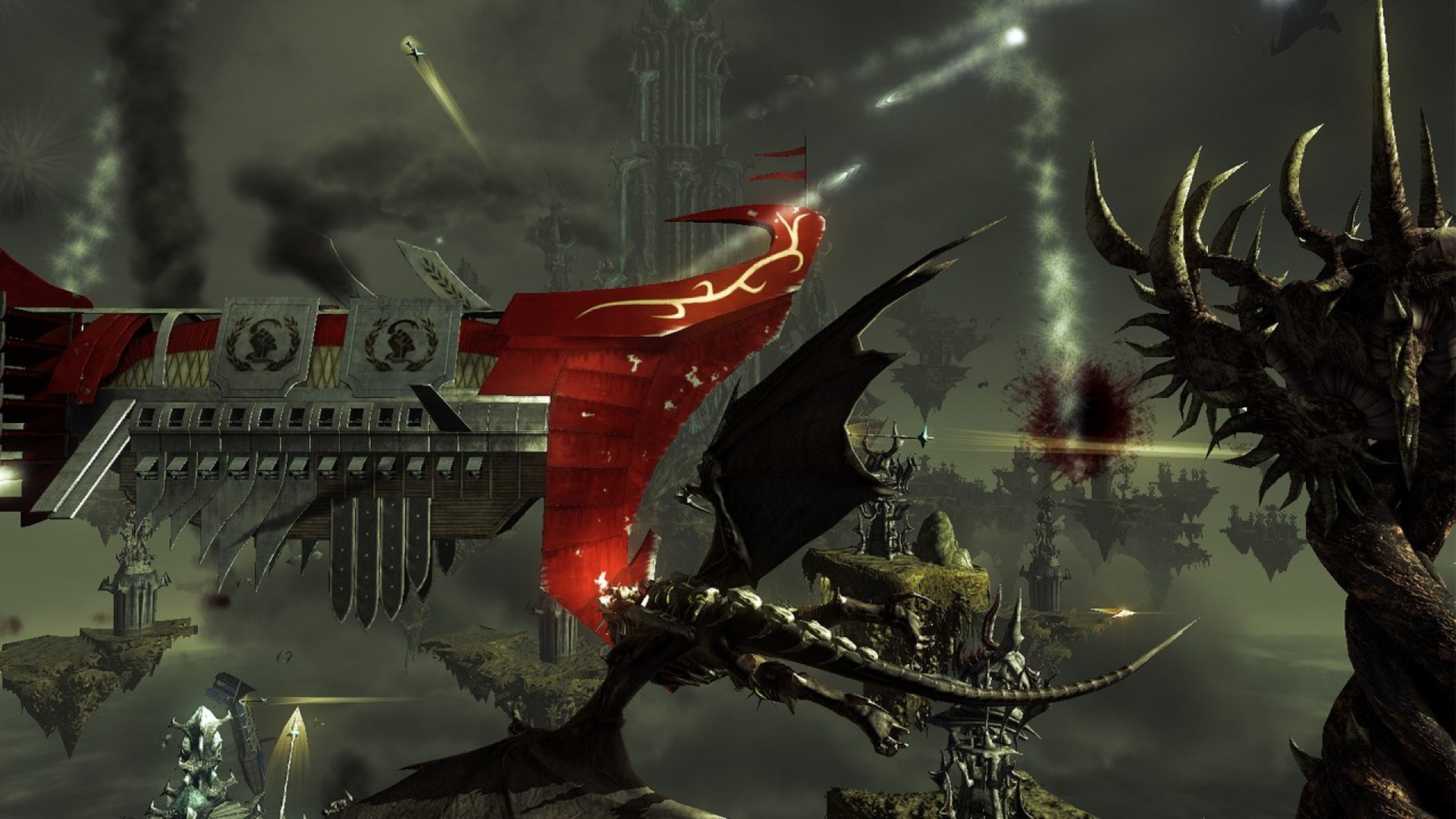
The documented imagery is strong and specific. The Battle Tower looms like a colossal stone claw over Sentinel Island — a citadel, not a castle, with an implied silhouette that reads at a distance. The dragon form is described through motion: break free from the human body, climb high, spread your wings, burn your enemies. The companion is an abomination assembled from parts. Each of these is a visual idea the game sells as much as a mechanic.
The through-line connecting those images is transformation — of body, of scale, of allegiance. A human protagonist who becomes a dragon, a tower bound by a relic, a servant stitched together from defeated foes: the design vocabulary is built on things being remade into something larger.
Edition and Access Context
This entry is the Developer's Cut: the ultimate edition of Divinity II bundled with Developer Mode and archive extras. It is distinct from the original game — this package carries its own name, its own release year of 2012 and its own set of additions. Readers comparing versions should keep the edition name in mind rather than assuming all Divinity II material describes the same build.
Divinity II: Developer's Cut is a 2012 Windows RPG from Larian Studios whose identity rests on a pair of transformations: switching between human and dragon forms in combat, and assembling a fighting creature from the remains of defeated enemies. Around those two ideas sit a moral-choice-driven storyline, a Battle Tower bound by the Dragon Stone, and an edition that opens the designers' toolkit and archives to anyone curious enough to look.
Scroll sideways to see the full table →
| Field | Value |
|---|---|
| Title | Divinity II: Developer's Cut |
| Release year (this entry) | 2012 |
| Platform | Windows |
| Developer | Larian Studios |
| Publishers | Larian Studios; Focus Home Interactive |
| Genre | RPG |
| Edition inclusions | Developer Mode; documentary and archive extras |
Sources & further reading.
- Divinity II: Developer's Cut — official game profile Retrieved Oct 14, 2026
First published .