 THE GAME ARCHIVE
EverQuest II is a fantasy massively multiplayer online role-playing game in which players build a character, explore a persistent world called Norrath, and pursue progression across questing, group content, and endgame activities. The Steam entry covered here lists the game as a 2011 release on Windows, developed by Darkpaw Games and published by Daybreak Game Company, and categorizes it as Massively Multiplayer, RPG, and Free To Play.
The distinguishing pitch described by the official store listing is depth and scale: a world shaped by two decades of content, ongoing expansions, and an active community. The same listing frames the experience around heroic questing, competitive challenges, and building a home of your own, so the appeal is not a single mode but a broad set of parallel activities that can be pursued at once.
What the game asks you to do
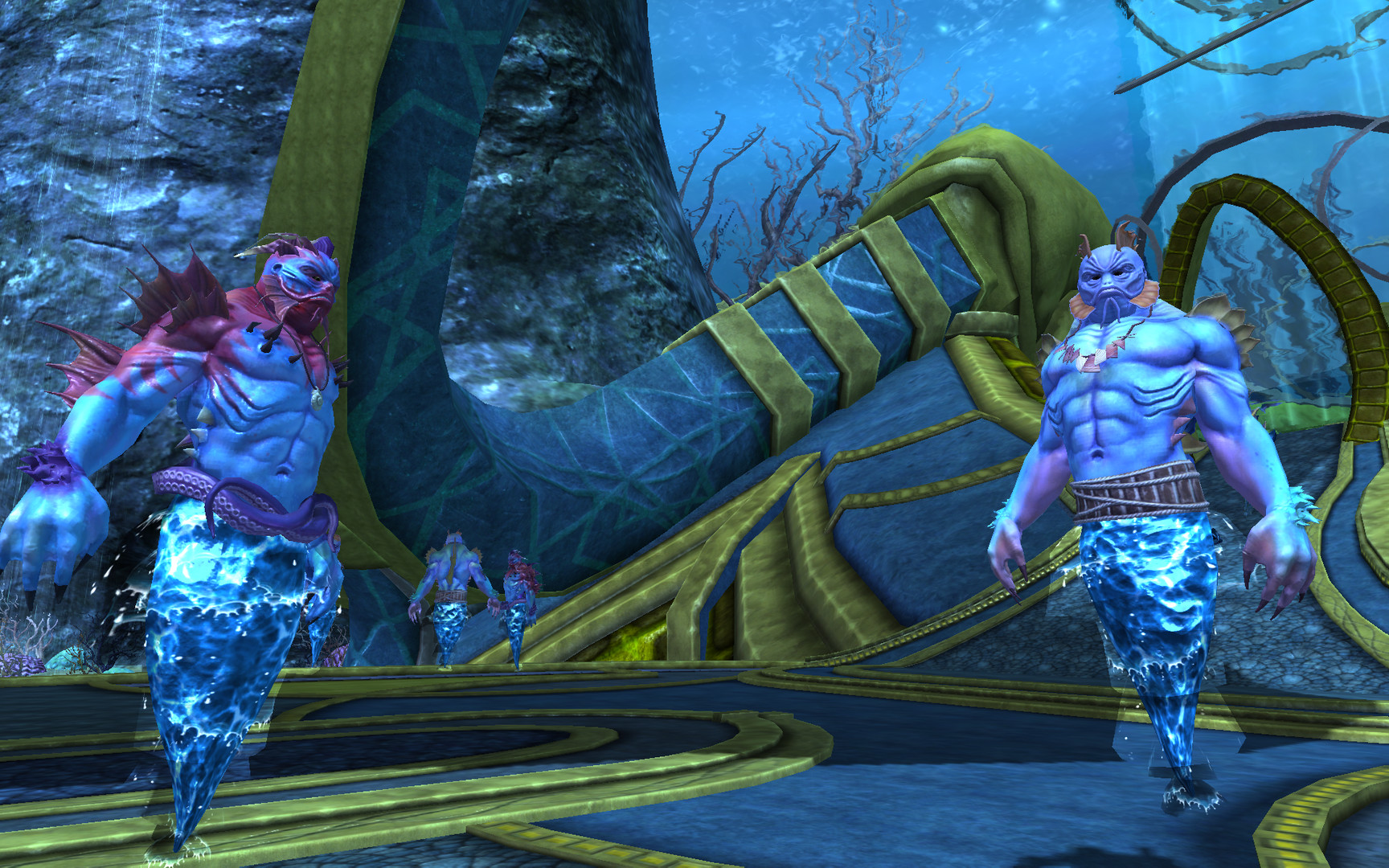
Character creation is the entry point. The official feature list advertises 21 races and 26 classes, and each class is described as having unique spells, combat arts, and playstyles. That combination means a new player is not choosing only a look, but a toolkit: the same world and the same quests can be approached through very different combat rhythms depending on whether the chosen class leans on casting, weapon arts, or a sturdier frontline role.
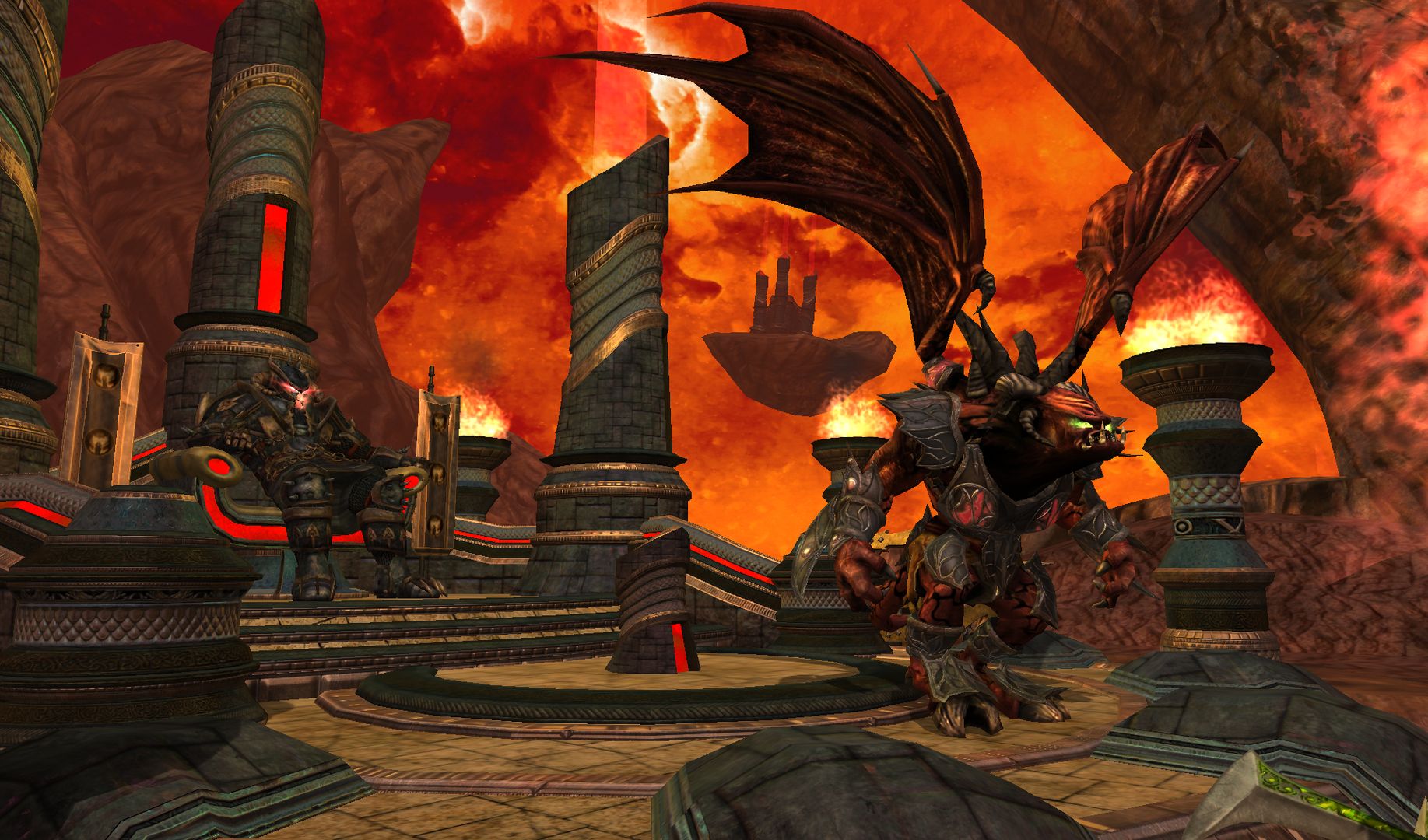
From there the world opens up. The listing describes sprawling lands of Norrath, handcrafted zones filled with quests, dungeons, and formidable bosses, and questing across dozens of continents, regions, and realms packed with lore and secrets. The practical implication is a game organized as many distinct areas rather than one continuous map, with each zone offering its own local goals, enemies, and discoveries.
The core gameplay loop
The loop that the source material supports is straightforward and familiar to the genre: create a hero, move through zones, complete quests, fight through dungeons and bosses, and convert the results into a stronger character. The official description places heroic questing alongside competitive challenges and player housing, which suggests the loop can be entered from several directions rather than a single mandatory path. A player who prefers exploration can push through continents; a player who prefers combat can chase dungeons and raids; a player who prefers a quieter pursuit can stay with crafting and decorating.
Group content forms a second layer on top of solo questing. The listing mentions heroic dungeons and epic raids with coordinated strategies, teamwork, and skill, and separately notes group challenges. This is the part of the loop where class choice and player coordination matter most, because different roles have to work together rather than simply adding damage. Winning these encounters feeds gear and progression back into the character, which then makes the next tier of content reachable.
Systems that sit beside combat
Tradeskills and crafting run in parallel with adventuring. The listing describes mastering crafting professions, creating valuable items, and completing a fully supported tradeskill questline. Crafting is presented as having its own supported progression and story, not merely as a way to repair equipment, which gives players who enjoy production and economy a route developed in its own right.
Player housing is the other major non-combat system. The listing promises earnable and buildable homes with thousands of placeable objects and full creative freedom, plus the ability to decorate. This is a persistent, personal space inside the shared world, and the scale of the object count suggests a decorating hobby substantial enough to stand on its own rather than a bank with furniture.
Social structure comes from guilds and live events. The listing specifically mentions joining guilds, participating in live events, and experiencing ongoing updates and new expansions, and it describes guilds as uniting players in social, competitive, and end-game activities. Practically, a guild is the likely mechanism for assembling the coordinated groups that raid content requires, while live events give the world a changing layer on top of its fixed zones.
Progression and long-term play
The source describes advancement through hundreds of levels, specialization via Alternate Advancements, and the collection of powerful gear sets. Two ideas are worth separating. Levels are the broad measure of how far a character has come; Alternate Advancements are a specialization layer that sits on top, letting a character lean into particular strengths or roles. Gear sets are a parallel track, since equipment power is described as something collected rather than only earned passively through leveling.
On top of character progression, the game itself is described as growing. The listing refers to ongoing expansions and regular updates that expand the story, systems, and endgame, keeping Norrath evolving year after year. That shapes how a player might think about investment: content added over time is part of the pitch, and endgame is presented as a moving target rather than a fixed final tier.
Source-backed starting picture
For a new player, the supported starting picture is deliberately broad, because the source does not document a specific level route, tutorial flow, or recommended zone order. What it does establish is the initial decision: pick one of 21 races and one of 26 classes, understanding that the class choice drives a distinct set of spells and combat arts. Treating that as the first meaningful commitment makes sense, since it shapes how every later fight plays out.
Next comes the choice of which parallel track to start with. The listing presents questing, competitive challenge, and housing as options from the outset, so a player can reasonably begin with zone quests and exploration, with group content, or with crafting and home building. Guild membership is the natural next step for anyone who wants the social and endgame side, since the described endgame activities are tied to groups and guilds.
Design characteristics and identity
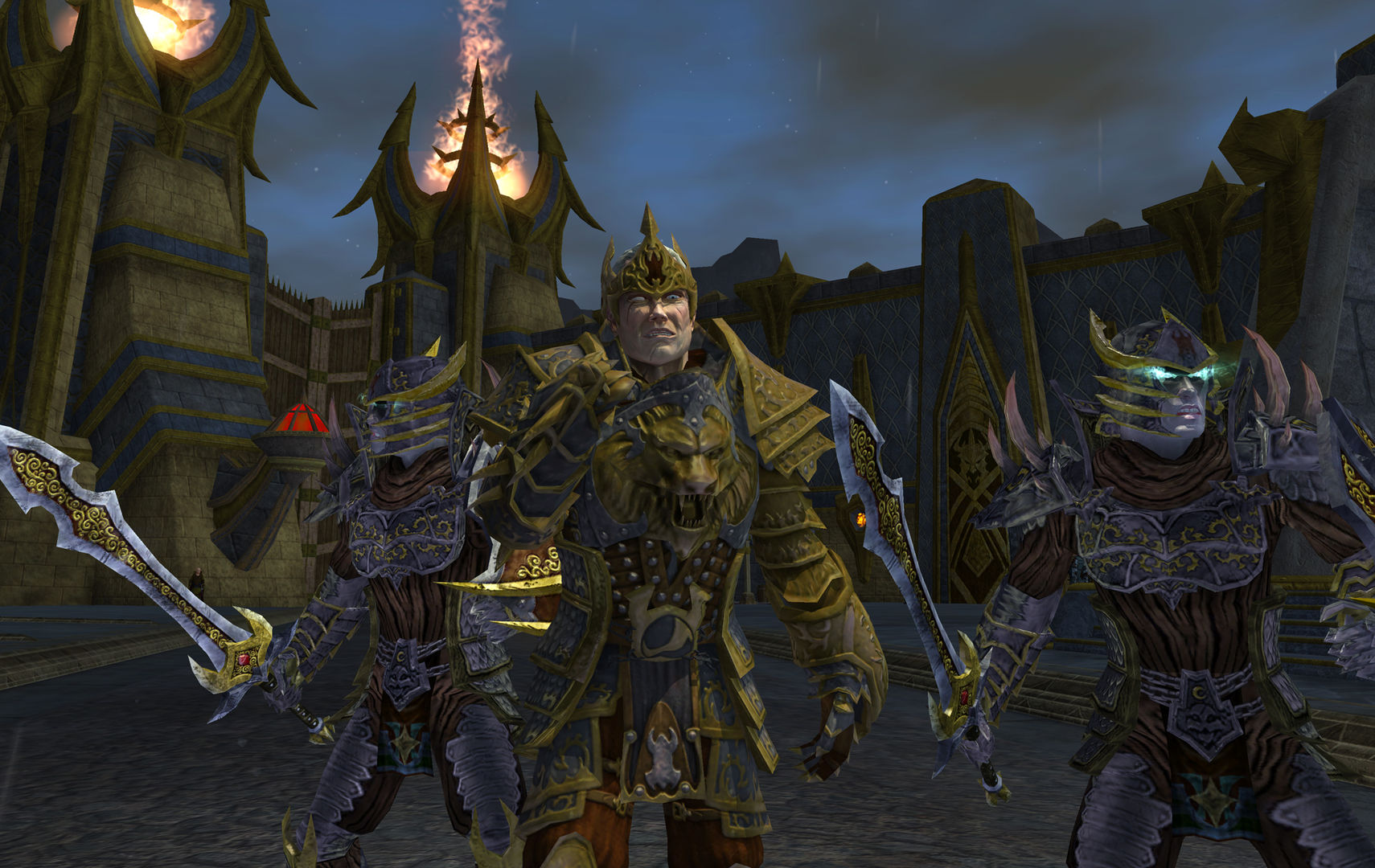
The clearest design signature in the source is breadth of choice combined with longevity. Twenty-one races and twenty-six classes is a large combination space for character building, and hundreds of levels plus an Alternate Advancements layer gives that choice room to matter over a long period. Rather than funneling every player through one optimized build, the structure implies experimentation and re-specialization as part of normal play.
A second signature is that the non-combat systems are presented as first-class rather than cosmetic extras. A supported tradeskill questline and housing with thousands of placeable objects point to a game that expects some players to spend significant time away from dungeons. Combined with live events and ongoing expansions, that shapes EverQuest II as a world with several overlapping hobbies rather than a single combat ladder.
Release scope and access
The release year of 2011 in this profile belongs to the Steam entry for this game and should be read that way; the source does not document the franchise's earlier history or an original launch timeline, so no claims about prior releases are made here. The listed platform is Windows, the developer is Darkpaw Games, and the publisher is Daybreak Game Company. The listing also categorizes the title as Free To Play, which is the access model described by this entry.
The source description notes that the game has over two decades of content and continues to receive expansions and regular updates. Anyone approaching it now should therefore treat it as a long-running, actively updated service rather than a finished single-player package.
Scroll sideways to see the full table →
| Field | Value |
|---|---|
| Game title | EverQuest II |
| Release year (Steam entry) | 2011 |
| Platform | Windows |
| Developer | Darkpaw Games |
| Publisher | Daybreak Game Company |
| Genres | Massively Multiplayer, RPG, Free To Play |
| Playable races | 21 |
| Playable classes | 26 |
Sources & further reading.
- EverQuest II — official game profile Retrieved Oct 11, 2026
First published .