 THE GAME ARCHIVE
Forge a Hero: Actions Define Skills, Appearance, and Reputation
The hero's growth is tied directly to the actions you choose and the path you follow, whether that be for good, evil, or in-between. Concrete feats produce concrete changes: muscles expand with each feat of strength, and force of will increases with each work of wit. The body also records habits and conditions—obesity follows gluttony, skin tans with exposure to sunlight and bleaches bone-white by moonlight, and scars are earned in battle while lines of experience arrive with age. Aging and evolving happen through these chosen actions from childhood to death.
Reputation is built through deeds and actions, creating a name for yourself across the land. The world reacts specifically to what you do: each person you aid, each flower you crush, and each creature you slay will change this world forever. You gain glory or notoriety, make friends and enemies, and interact with a living world of people, places, and events all reactive to you. The game frames the outcome as a question—hero or butcher—determined by your actions rather than a preset role.
Real-Time Combat: Blade-Craft, Weaponry, and Battle Scars
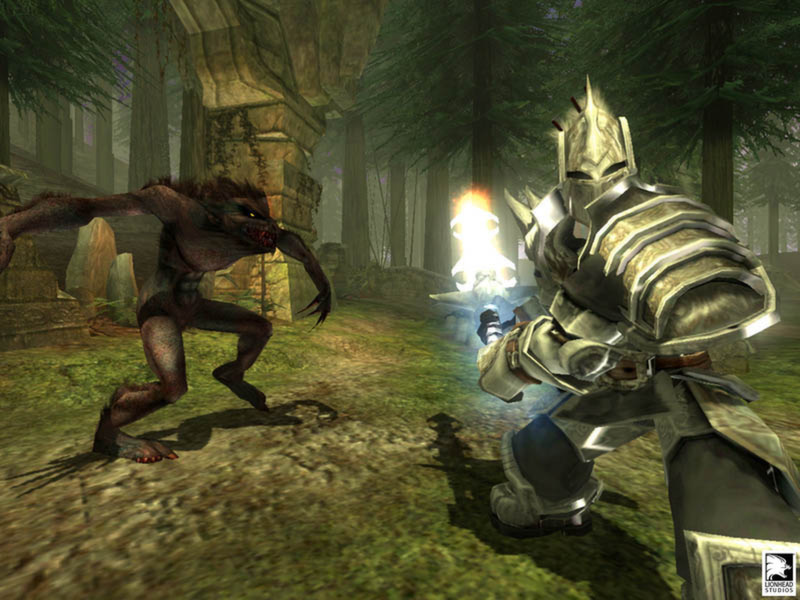
Combat in Fable: The Lost Chapters plays out in real time, with you duelling a world of cunning foes and deadly creatures. The documented loop rewards weapon use and blade work: as you duel, you collect battle scars, and you can master an array of deadly weaponry while honing the art of blade-craft. Each creature you slay is recorded as an action that changes the world forever, and the scars you earn in battle sit alongside the lines of experience that come with age.
Melee is not the only documented route. You can hunt your quarry using subterfuge and stealth, and you can weave death from the elements by harnessing the dark arts of the arcane. Choosing the dark arts means you witness power crackle at your fingertips; skulking in the shadows means watching your skin bleach. These options sit inside the same real-time intense combat as swordplay, so weapon mastery and arcane casting are parallel documented approaches rather than separate modes.
The Body Remembers: Age, Muscle, and the Marks of Your Path
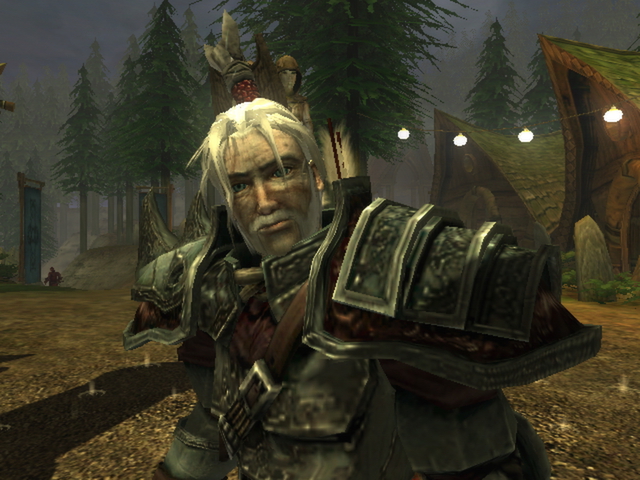
Muscles expand with each feat of strength, force of will increases with each work of wit, obesity follows gluttony, and skin tans with exposure to sunlight and bleaches bone-white by moonlight. These bodily changes accumulate from play itself, not from a single selection screen. Swordplay visibly builds muscle, dark arts bring crackling power to the fingertips, and skulking in shadows turns the skin pale. On top of these, you earn scars in battle and lines of experience with age, so the body keeps a permanent record of the path you followed, whether for good, evil, or in-between.
Age and evolution run through the whole story from childhood to death, growing an inexperienced adolescent into the most powerful being in the world before the character finally dies. Each individual deed feeds this: each person you aid, each flower you crush, and each creature you slay changes the world forever, and the hero or villain you end up with is the sum of those choices. The transformed figure then walks through a living world of people, places, and events that are all reactive to it, so age, muscle, scars, and skin tone remain visible marks of the path taken.
A Living, Evolving World: Weather, Towns, and Deformable Ground
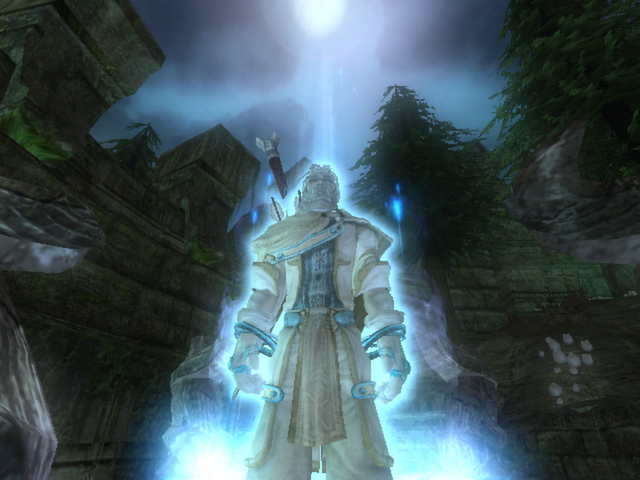
Albion is described as a living world of people, places, and events all reactive to the player. The land is ever-changing, and you explore and shape it as either champion or manipulator, alongside competitive and cooperative heroes. Dynamic weather systems and deformable environments form the physical side of that evolving setting. Within it sit teeming cultures, creatures, and citizens spread across various towns and cities. The official profile frames the whole arrangement around a simple question: after gaining glory or notoriety through friends and enemies, hero or butcher, who will you be?
The documented rules interact directly: towns, cities, creatures, and citizens are the populations you encounter, while the weather systems and deformable environments are the changing conditions around them. Because the world is reactive and ever-changing, the same places and people respond to what you do, and the profile ties reputation to it, letting you gain glory or notoriety, make friends and enemies. Competitive and cooperative heroes also inhabit that evolving land, so exploring and shaping it happens alongside other heroes rather than in isolation.
Hone the Legend: Skills, Possessions, and New Abilities
As you develop in Fable: The Lost Chapters, you hone your character with scores of unique skills and extras. Mastering new abilities and adding possessions are explicit actions you take. The documented rewards include more spells to master, new armor and weapons, and even new monsters to use them on. This creates a loop where advancing your hero directly expands the set of tools you can wield. The options are not fixed from the start; they arrive through development, letting you tailor your character with the game's many skills and extras.
Expanded content and tones of new choices appear as additional regions, storylines, and side quests, as well as new optional missions. These are tied to the same progression that grants more spells, armor, and weapons. The rules interact so that developing your character opens both personal power and new places to use it. New monsters provide opponents for those added abilities. After finishing your adventure, you can go back and try again, forging a new tale with unexpected twists and turns, new skills, powers, influences, allies and enemies.
Another Tale: Replay, Expanded Regions, and Competitive or Cooperative Heroes
After finishing the adventure, the game invites you to go back and try the experience again, forging your character and thereby a new tale with unexpected twists and turns, new skills, powers, influences, allies and enemies. The stated result is that you never play the same game twice. The same profile lists additional content to encounter on a return run: additional regions, storylines, and side quests, as well as new optional missions. Completing the adventure therefore opens a second pass in which the character is built differently and the tale itself changes.
The expanded material is concrete: more spells to master, new armor and weapons, and even new monsters to use them on. Alongside these additions, the game sets out competitive and cooperative heroes within a living, evolving world that also has dynamic weather systems and deformable environments. The documented rules connect the two ideas: the world reacts to you as hero or butcher, and the heroes sharing it can be competitive or cooperative. Those named elements are the replay and expanded-region content.
Scroll sideways to see the full table →
| Field | Value |
|---|---|
| Title | Fable - The Lost Chapters |
| Developer | Lionhead Studios |
| Publisher | Xbox Game Studios |
| Genres | Action, Adventure, RPG |
| Listed platform | Windows |
| Release year on this listing | 2011 |
Sources & further reading.
- Fable - The Lost Chapters — official game profile Retrieved Oct 12, 2026
First published .