 THE GAME ARCHIVE
Gothic 1 Classic is a 2001 action RPG developed by Piranha Bytes and published by THQ Nordic. In this entry, players step into the role of a prisoner thrown into a magical-barrier penal colony and must survive, form alliances, and ultimately escape. The game combines open exploration, faction politics, combat, and spellcasting across an estimated 50+ hours of gameplay.
The Premise: A War, a Mine, and a Barrier
The kingdom of Myrtana is at war with an orcish invasion. To forge enough weapons, the king needs ore, and he gets it by sentencing lawbreakers to labor in the giant penal colony of Khorinis. The entire colony, known simply as "the Colony," sits inside a magical barrier — a sphere measuring two kilometers in diameter that seals it off from the outside world. The barrier can be entered from the outside, but once inside, escape is impossible.
That barrier proved to be a double-edged sword. The prisoners revolted, and the Colony split into three rivaling factions. The king, no longer able to simply demand his ore, was forced to negotiate. The player is thrown through the barrier into this volatile prison and must survive, form alliances, and eventually find a way out.
The Core Loop: Survive, Ally, Advance, Escape
At its core, Gothic 1 Classic builds its gameplay loop around survival inside the penal colony. The player navigates a dangerous environment filled with rival factions and must rely on forming alliances to make progress. That alliance-building is not a background detail — the source describes the alliances as volatile, meaning players cannot simply pick a side once and coast. Progress is tied to managing relationships and surviving the consequences of those choices until escape becomes possible.
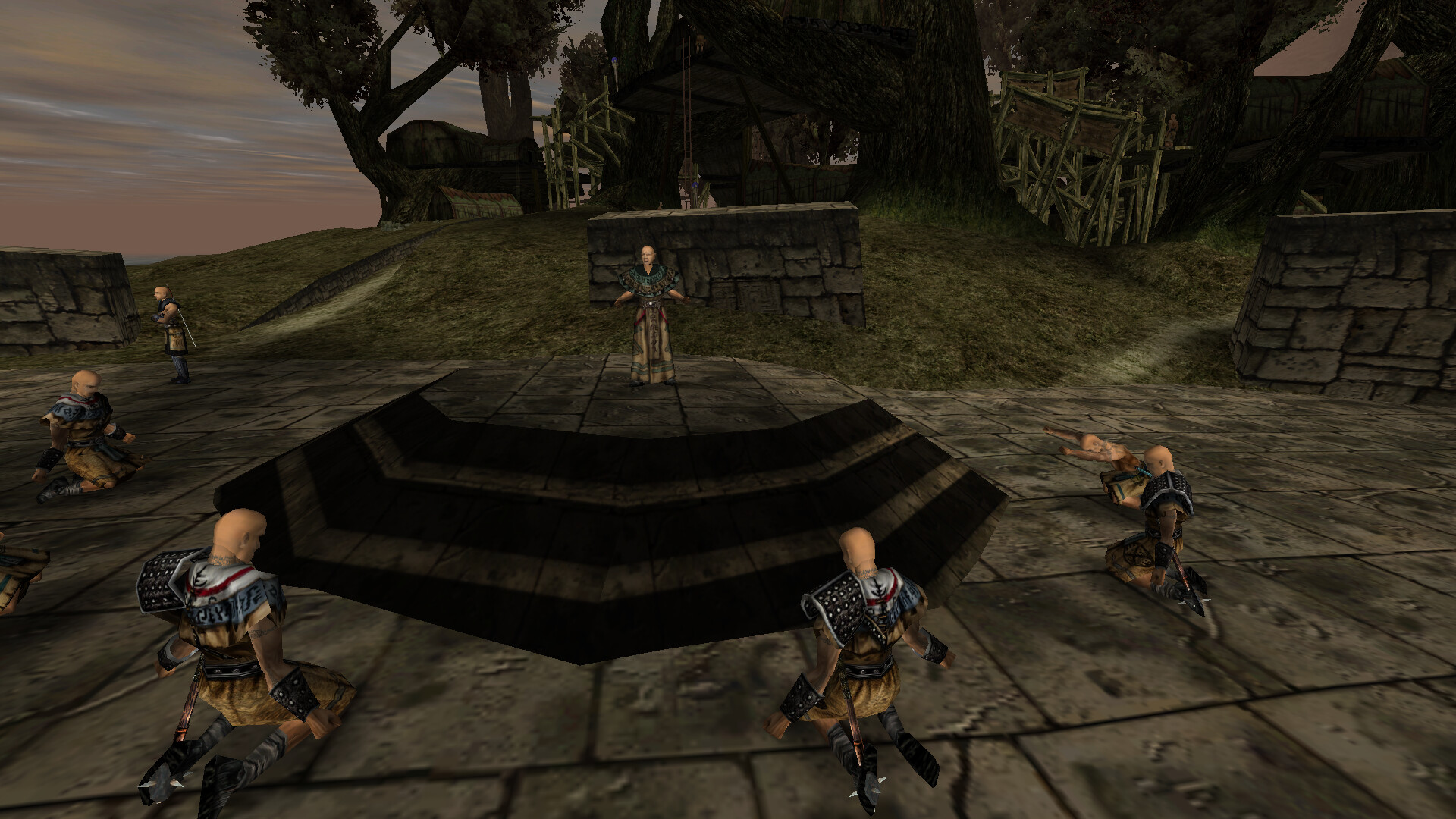
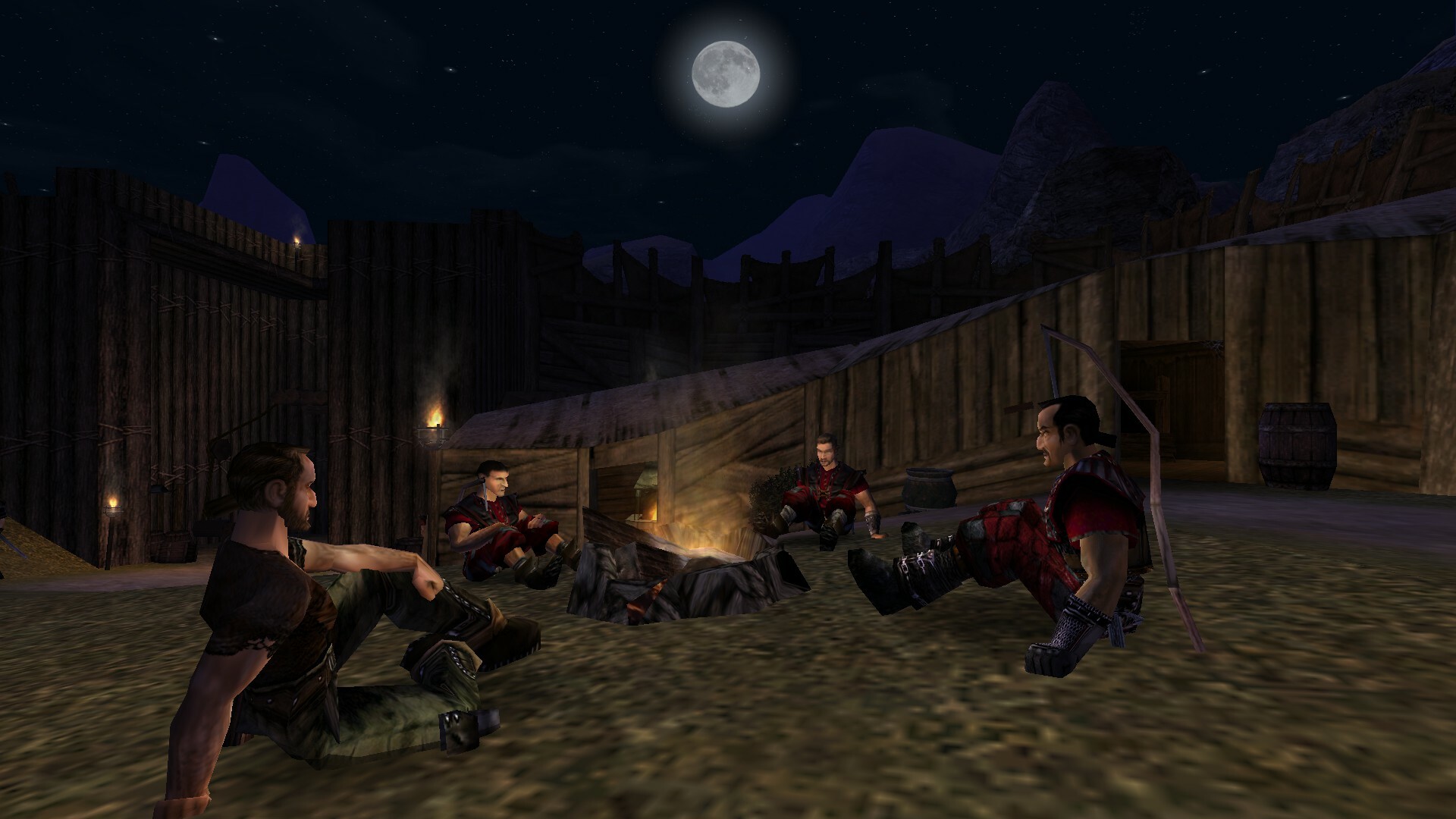
The loop is reinforced by a living world. NPCs in the Colony go to work, sleep, eat, and fight to survive. This routine-driven behavior means the world keeps moving even when the player is not directly interacting with it, and it gives the Colony a sense of being a functioning — if dangerous — society rather than a static level.
Weapons, Spells, and the Living World
Combat and character capability in Gothic 1 Classic are shaped by two broad categories: weapons and spells. The game offers a large variety of weapons for the player character, alongside a range of spells. Together these give the player different ways to approach the Colony's threats. The source does not detail specific weapon types or spell schools, but it does establish that both categories are central to how the player engages with the world.
The living-world system is what makes the Colony feel alive. Because people work, sleep, eat, and fight, the player's survival is not just about combat — it is about understanding the rhythms of a place where everyone has their own routine and their own reasons to fight. That design choice supports the faction-driven structure of the game and makes the act of exploring the Colony meaningful.
Progression and the Escape Objective
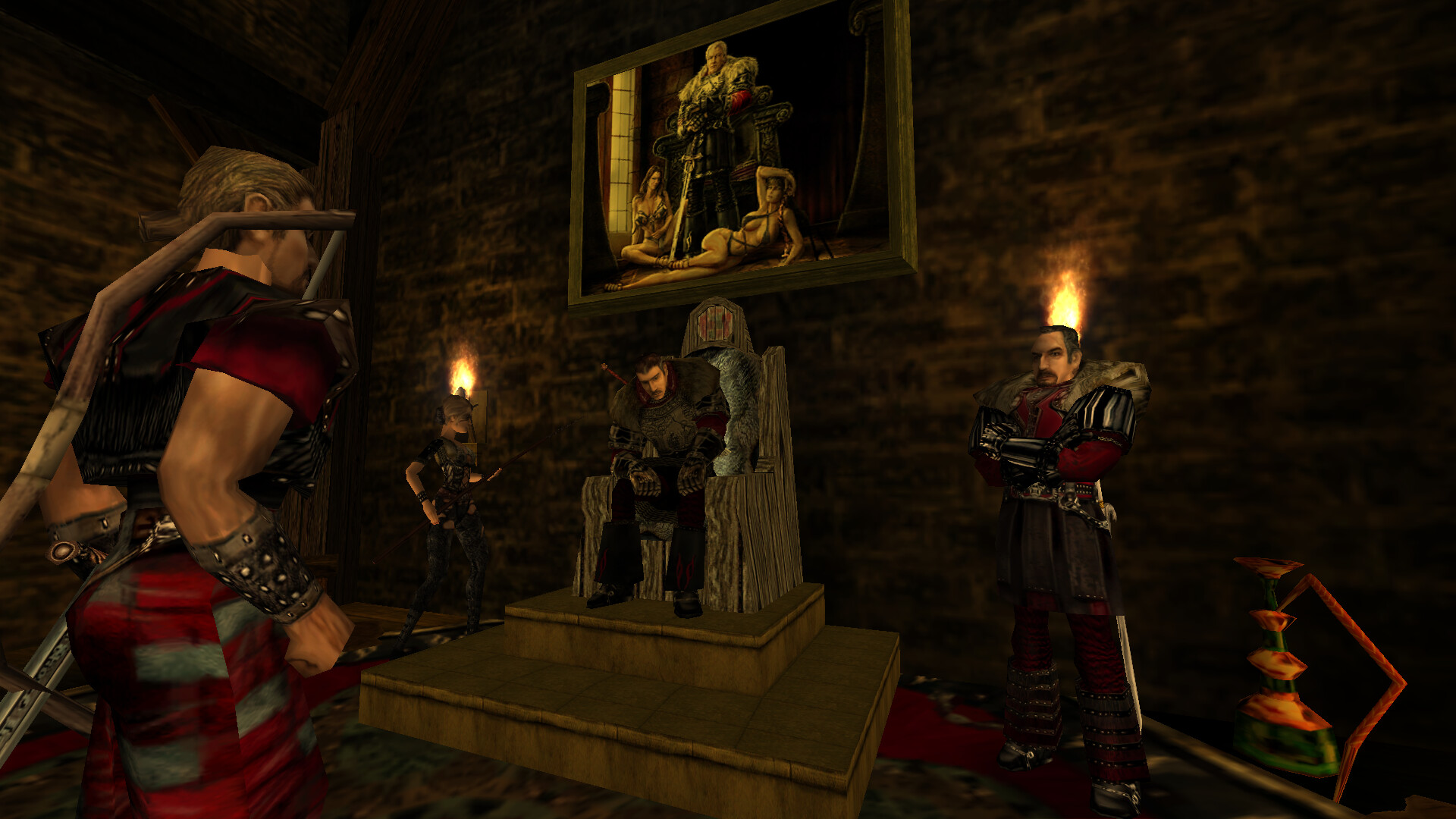
Progression in Gothic 1 Classic is tied directly to the player's relationships with the Colony's factions. The player must form volatile alliances to move forward. The source frames these alliances as necessary to survive and eventually escape, which means the player's path through the game is shaped as much by social navigation as by combat strength.
The escape objective is the clear end goal: after surviving and forming alliances, the player aims to finally escape the Colony. The game's length supports this as a substantial journey — the source lists over 50 hours of gameplay. That duration suggests the Colony's factions, routines, and threats are meant to be experienced over a long campaign rather than a short series of encounters.
Source-Backed Starting Guidance
The source materials for this profile describe the game's premise and systems rather than step-by-step tutorials, so any starting guidance here is limited to the documented structure. The game begins with the player thrown into the Colony, where survival is the immediate concern. Because the Colony is divided into rivaling factions, early progress depends on engaging with those factions and forming alliances rather than trying to operate alone. Weapons and spells are the two documented avenues for handling conflict, so building familiarity with both is a source-backed priority.
The magical barrier is a fixed constraint: it can be passed from the outside in, but nobody can escape from within. That means the entire campaign is spent inside the Colony until the escape objective is fulfilled. Players relying on the source's description should treat the barrier as the boundary of the playable space and the factions as the primary mechanism for meaningful progress.
Design Characteristics That Stand Out
Three design choices define Gothic 1 Classic based on the available source. First, the magical barrier is a single, hard boundary that both traps the player and defines the game's geography. Second, the Colony is populated by three rivaling factions, turning the setting into a political landscape rather than a simple prison. Third, the living-world system gives NPCs daily routines — work, sleep, eat, fight — which makes the Colony feel like a society under pressure.
The combination of these systems means the game's challenge is not only about defeating enemies but about understanding where the player stands within the Colony's social order. Alliances are described as volatile, so the player's position can shift. That uncertainty is a distinctive part of the experience and separates the game's structure from straightforward combat-focused action RPGs.
Edition and Access Notes
This profile covers Gothic 1 Classic as listed for Windows and dated to 2001. The source does not describe ports, remakes, or how the current package differs from the original release. Readers should treat the 2001 date as scoped to this Steam entry and avoid assuming details about other versions that the source does not cover.
Quick Reference
- Game: Gothic 1 Classic; Release year: 2001; Platform: Windows; Developer: Piranha Bytes; Publisher: THQ Nordic; Genres: Action, RPG; Setting: Magical-barrier penal colony of Khorinis; Core objective: Survive, form alliances, escape; Documented content: Large variety of weapons and spells; Living world with NPC routines; Over 50 hours of gameplay
Gothic 1 Classic is defined by its setting as much as its systems. A prison sealed by a magical barrier, three rivaling factions, and a population that goes about its daily routines creates a world where survival and social navigation matter as much as combat. The player's arc — thrown in, forced to ally, and eventually determined to escape — gives the game a clear shape across its substantial runtime. For readers exploring the game, the documented structure points to faction engagement, weapon and spell variety, and the living-world routine as the pillars of the experience.
Scroll sideways to see the full table →
| Field | Value |
|---|---|
| Game title | Gothic 1 Classic |
| Release year | 2001 |
| Platform | Windows |
| Developer | Piranha Bytes |
| Publisher | THQ Nordic |
| Genres | Action, RPG |
| Setting | Penal colony of Khorinis inside a magical barrier |
| Primary objective | Survive, form alliances, escape |
| Documented content | Large variety of weapons and spells; living world with NPC routines; over 50 hours of gameplay |
Sources & further reading.
- Gothic 1 Classic — official game profile Retrieved Oct 12, 2026
First published .