 THE GAME ARCHIVE
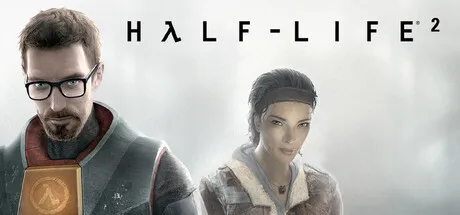
Gordon Freeman enters an occupied world
Half-Life 2 places Gordon Freeman on an Earth controlled by an occupying force, with City 17 as a central setting and Alyx Vance among the people helping him. It is a first-person campaign, but its encounters are not built solely around lining up targets. Movement, objects and the layout of a space all contribute to what you can do next. The most useful introduction is therefore to its verbs: move through the world, examine an obstacle, manipulate something, fight when necessary and continue the journey. The physics system connects several of those actions instead of living in an isolated puzzle mode.
An environment can be a tool
Objects can obstruct movement, provide something to climb on or become useful during an encounter. The guide discusses moving and arranging objects rather than simply destroying everything in a room. A practical habit is to look for what can change: the position of a crate, the balance of a structure or a path currently blocked by debris. This way of reading a location connects exploration with problem solving. You are not just searching for the next doorway; you are considering whether the materials already in front of you can help make that doorway reachable.
The Gravity Gun changes how you read a room
The Gravity Gun lets you attract suitable objects, hold them and propel them away. Those actions have both navigational and combat uses. Moving an object out of a passage is one application; turning a loose object into a projectile is another. This is why the device matters beyond being an unusual item in the weapon list: it gives ordinary scenery a new possible function. Try distinguishing the pull-and-hold action from the push action before using it in a pressured fight. Not every object is movable, so treat the response of the object as feedback about what the tool can handle.
Different weapons answer different distances
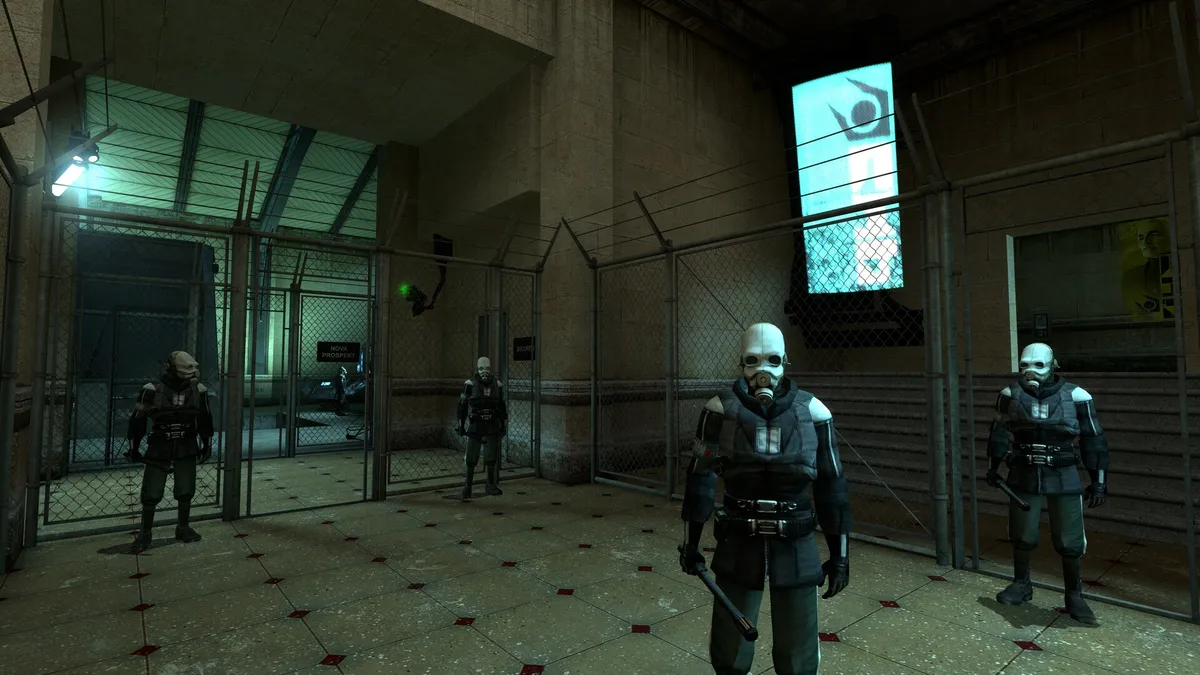
The arsenal rewards paying attention to the shape of an encounter. The guide describes the shotgun as a close-range weapon whose effectiveness drops with distance, while the crossbow and other options serve different situations. Secondary attacks can also change ammunition use and firing behavior. Rather than choosing one weapon and using it everywhere, learn one or two clear reasons to switch. A close target in a confined space poses a different problem from an opponent across an exposed route. Checking ammunition before entering the next area is part of that decision, especially if the weapon you prefer is running short.
Read health, suit protection and action meters
The HEV display communicates several kinds of readiness. Health records how close Gordon is to death, while suit charge provides protection. The guide also describes indicators that appear when sprinting, using the flashlight or dealing with oxygen supply. Learn to recognize which indicator is changing rather than reading the entire HUD as one number. A suit that needs a recharge presents a different problem from a weapon that needs ammunition. This distinction helps you interpret what a pickup or recharge station actually provides and what still needs attention before the next encounter.
Movement changes the pace of the campaign
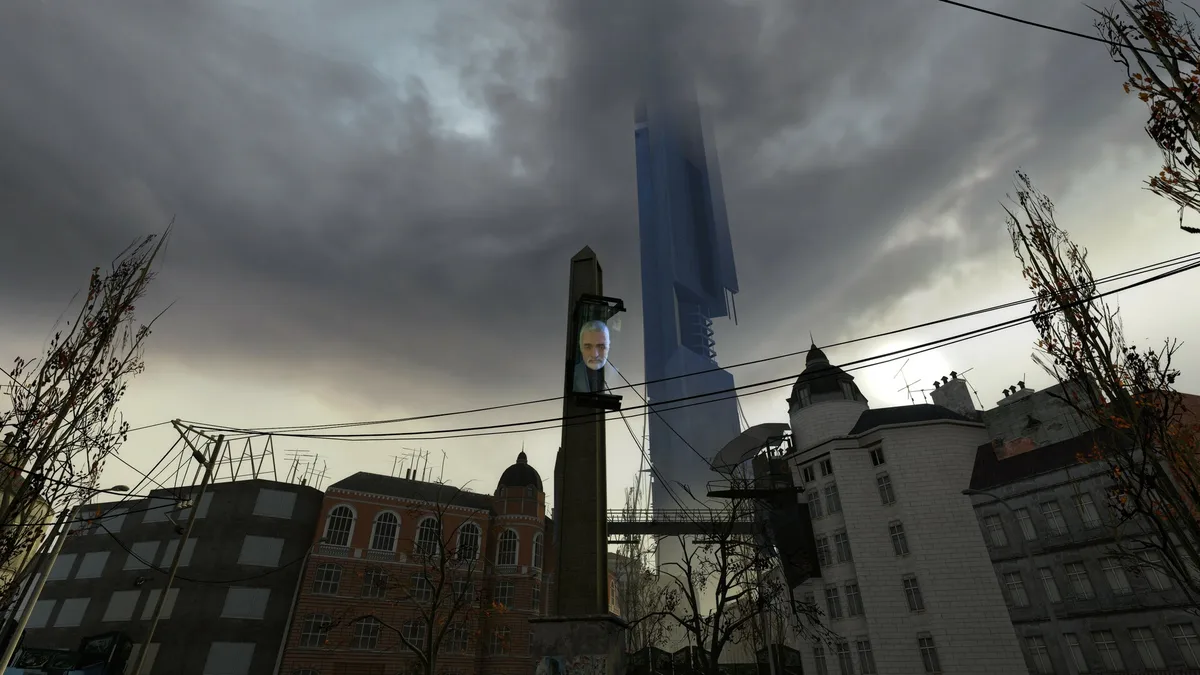
Walking and fighting on foot are only part of the control vocabulary. The guide documents sprinting, jumping, ducking and vehicle controls, including the airboat and car. These shifts ask you to judge space differently. A gap or turn encountered in a vehicle is not the same problem as a doorway approached on foot. When a new movement tool appears, take a moment to learn its steering, stopping and any applicable weapon control. The change of pace is easier to understand when you treat it as a new set of actions to learn, rather than trying to carry every movement habit over unchanged.
Supplies reward looking around
Ammunition boxes, weapon pickups and supply crates give you reasons to inspect a space before leaving it. The guide distinguishes a weapon you do not yet own from a duplicate pickup that provides ammunition, and it describes marked ammunition crates with a continuing supply of a particular type. Pay attention to what a pickup actually supplies. A cache is useful because of its relationship to your current equipment and needs, not simply because it is collectible. Looking around after an encounter can also make the next one less dependent on whatever ammunition happened to remain in your selected weapon.
A good way to begin
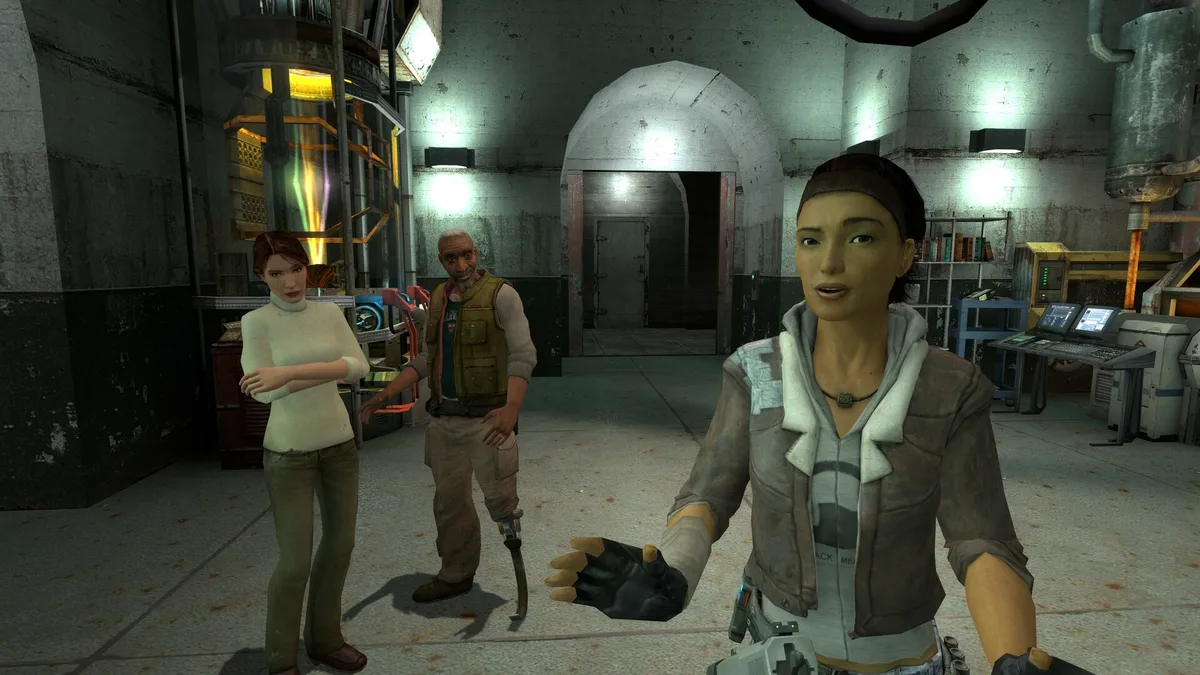
Use the opening stretch to become comfortable with looking, moving and interacting before trying to optimize combat. When the Gravity Gun arrives, practice its two basic actions on suitable loose objects. In a puzzle, inspect the arrangement of the space before assuming a precise jumping trick is required. During combat, identify whether distance, cover or available ammunition is driving your weapon choice. These are introductory habits derived from the documented systems, not a walkthrough claiming a single solution to every encounter. They leave room to discover the campaign while explaining why its different activities belong together.
The current package and the original campaign
Valve's current Steam listing includes Episodes One and Two and provides access to them from the main menu, with progression into the next episode after completing the preceding one. The listing also describes Workshop support and Half-Life 2: Deathmatch. Keep those additions distinct from the core campaign discussed here. If you are revisiting the game after a long absence, begin with the main campaign rather than assuming a community modification or multiplayer mode represents its default introduction. Check the current controls in your installed edition before relying on a historical printed binding.
Sources & further reading.
- Half-Life 2 — official game profileRetrieved Oct 8, 2026
- Half-Life 2: Prima Official Game Guide, gameplay reference (archived)Retrieved Oct 8, 2026
First published .