 THE GAME ARCHIVE
Checking In: The Core Guest Service Loop
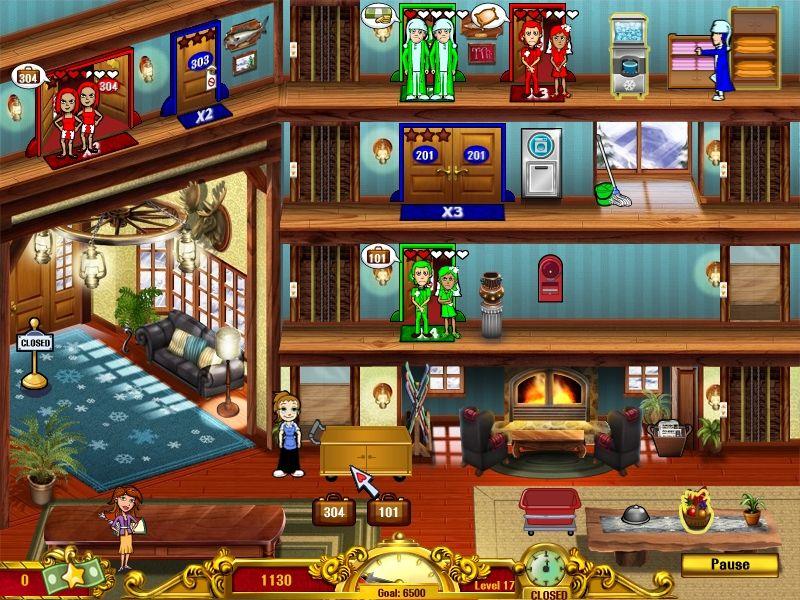
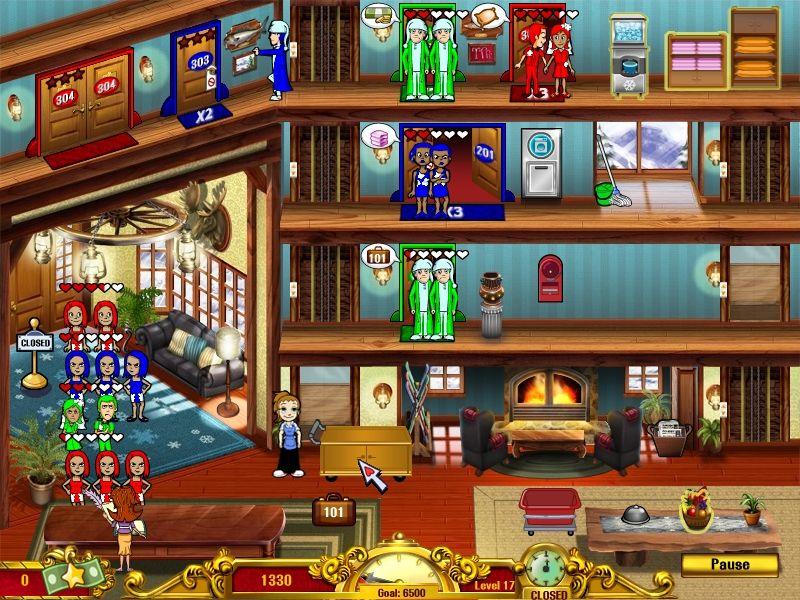
In Hotel Dash: Suite Success, you play as Flo, tasked with renovating and running hotels throughout DinerTown. The core loop centers on fulfilling guest requests: you deliver guests' luggage, drop off room service, and provide extra towels, blankets, and anything else they may need. These actions keep guests happy and lead to big tips. Managing hotel operations also involves upgrading facilities and restoring hotels, which increases tips and allows you to progress through levels.
Guest satisfaction is directly tied to delivering the requested items and maintaining hotel quality. By providing luggage, room service, and amenities such as towels and blankets, you keep guests happy, which in turn encourages them to leave big tips. The interplay between these deliveries and the overall quality of the hotel—improved through upgrades and restoration—drives the progression through levels. This loop of service and improvement forms the foundation of the gameplay.
The Tip Jar Economy
Every request you complete as Flo feeds directly into the tip jar. You deliver each guest's luggage, drop off room service orders, and provide extra towels, blankets and anything else they may need to stay happy and leave big tips. Each satisfied request translates into a payout, and those tips are not just a score to admire; the official description ties them explicitly to renovation and running hotels all over DinerTown. The documented loop is therefore tight: serve guests to earn, then spend the earnings on the properties themselves.
The store description frames tips as the primary resource for progression, funding both upgrades and restoration work. Quinn's travel business hits a snag, and Flo's patented elbow grease is what helps renovate and run the hotels; the money for that elbow grease comes from happy guests. The documented rules interact in one direction: guest satisfaction produces tips, and tips pay for the upgrades and restoration that keep the hotels operating. No other currency or progression path is described in the available evidence, so the tip jar carries the entire upgrade-and-restore economy.
Tools of the Trade: Upgrades and Restoration
Tips earned during hotel shifts are spent on upgrades. The game includes over 90 upgrades to purchase, each said to enhance hotel features and increase tips. These purchases are separate from the guest-service tasks like delivering luggage, room service, and extra towels. Upgrades may affect how much money the player earns, but no specific upgrade names, prices, or exact mechanical effects are provided in the source. Decorating and restoring each hotel back to its original charm is also done with tips, giving the player two related spending goals: buying upgrades and funding restoration.
Restoring hotels to their original charm is a documented objective. Flo uses tips to decorate and restore each hotel, working toward that original state. This restoration goal sits alongside running the hotels and serving guests. The same description warns of mysterious mishaps and accidents that threaten progress, so the player must manage guest service, upgrade spending, and restoration while these disruptions occur. The source lists 50 levels, 5 hotels, 5 VIP rooms, and 5 new DinerTown characters, providing a scale for how restoration and upgrades are distributed across the game.
Scaling the Ladder: Levels, Hotels, and VIP Rooms
In Hotel Dash: Suite Success, progress is tracked through three parallel sets of countable objects: 50 levels, 5 hotels, and 5 VIP rooms. The Steam entry states that these are unlocked through completion and upgrades, so clearing a level and spending on renovations both feed the same ladder. The supplied text also describes the 50 levels as something 'to try and master,' while the hotels are renovated 'for Quinn's guests' and the VIP rooms are decorated 'to make guests happier.' Each of those actions is a distinct objective attached to one of the three tracked categories.
The Steam profile lists the full scope of this entry as 50 levels, 5 hotels, and 5 VIP rooms, and it separately frames the 50 levels as the target to 'try and master.' That wording makes level mastery the endpoint of the progression system, with hotel renovation and VIP-room decoration running alongside it as upgrade-driven tasks. Because the same evidence bundle also mentions 'Over 90 upgrades to purchase for bigger tips,' upgrades are the connective mechanic: they are bought, and they feed the tip economy while also serving as the completion condition for hotels and VIP rooms.
Unwelcome Guests: The Mysterious Troublemaker
During hotel operations, you may encounter mishaps and accidents that disrupt service. The game explicitly warns, "Watch out for the mysterious mishaps and accidents that threaten your progress!" These events can derail your workflow by creating sudden problems you must manage. The official profile further frames the stakes as a direct challenge: "Do you have what it takes to keep everyone happy, or will the mysterious troublemaker halt your success?" This positions the troublemaker not as a scripted story beat but as an active obstacle tied to the core loop of delivering luggage, room service, towels, and blankets. Each mishap arrives while you are already handling guest requests, so the troublemaker effectively competes for your attention and actions.
Your response to these mishaps operates within the same tip-based economy that funds hotel restoration: the source states, "Along the way you will use your tips to decorate and restore each hotel back to its original charm." If accidents slow or block guest service, tips are lost, which delays decorating and restoring the hotel. The troublemaker thus indirectly pressures your renovation budget by causing failures in the service loop. Hotel Dash: Suite Success is listed as a Casual game on Windows and macOS, so the troublemaker's interference fits a casual structure where quick attention to service tasks determines whether you can restore each hotel or let the mysterious figure halt progress.
DinerTown Hospitality: Theme and Setting
Hotel Dash: Suite Success, released in 2010 by PlayFirst for Windows and macOS, places its action in DinerTown. The official store description sets the premise: Quinn’s new travel business hits a snag, so she needs Flo’s patented elbow grease to help renovate and run hotels all over DinerTown. As Flo, your tasks include delivering guests’ luggage, dropping off room service, and providing extra towels, blankets, and anything else they may need to stay happy and leave big tips. The hotel-management focus turns DinerTown into a workplace where those recurring requests define the setting.
The DinerTown setting is not passive scenery; it is the backdrop for the renovation-and-running loop described in the same official text. Flo assists Quinn by working across multiple hotels rather than a single property, and each guest’s needs — luggage, room service, extra towels, blankets — become the concrete action set for that location. PlayFirst’s 2010 title launched on Windows and macOS, so this DinerTown hospitality theme was available on both platforms. The store description supplies the details that connect the theme to the player’s tasks without adding separate modes or mechanics.
Sources & further reading.
- Hotel Dash™ Suite Success™ — official game profile Retrieved Oct 15, 2026
First published .