 THE GAME ARCHIVE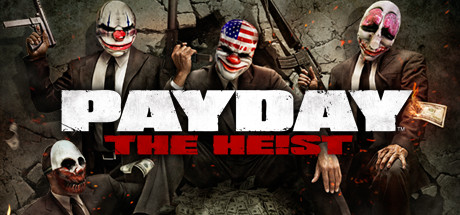
PAYDAY: The Heist is an action first-person shooter first documented as a Windows release in 2011. The premise puts the player in the role of a hardened career criminal pulling off intense, dynamic heists while chasing the next big score. That framing matters beyond flavor: the game is built around a crew working a job together, not a lone protagonist clearing a linear campaign.
The Core Loop: Choose a Job, Load Out, and Pull It Off Together
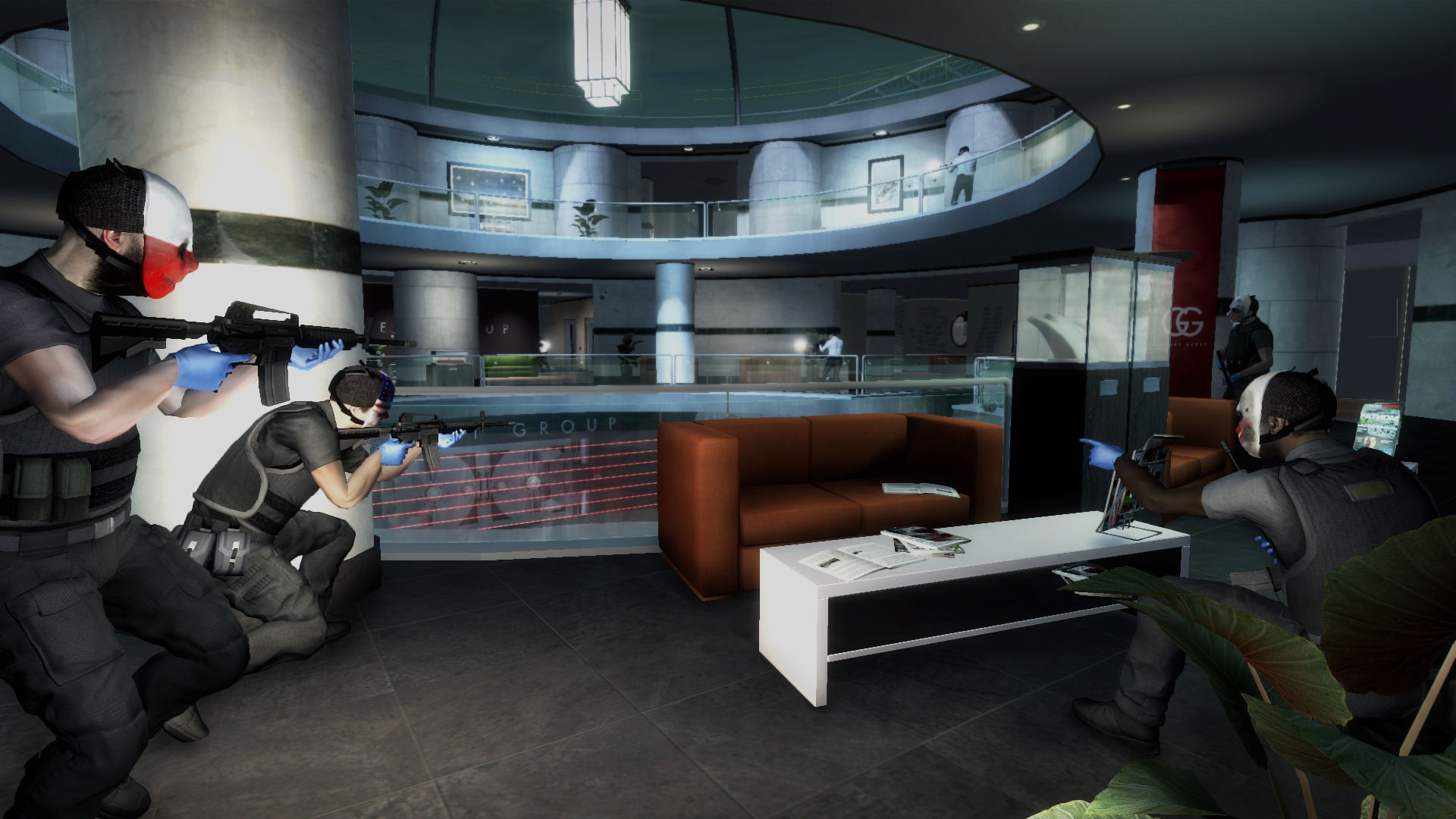
The documented loop is straightforward to state and demanding to execute. A crew selects one of six high-stake heists, loads out with weaponry and equipment, then works the job alongside three other live or A.I. partners in crime. The player's objective is described as pursuit of the next big score, which gives the loop its pressure: the payoff is the point, and everything between the loadout screen and the exit is friction to be managed.
What separates this from a solo shooter is that the loadout decision is a crew decision. Because each member brings their own weaponry and equipment into the same job, the value of any single item depends on what the other three are carrying. The documented structure does not spell out individual roles, but it does establish that four players share one heist and that personal loadout choices are made before the job begins. That is enough to understand why coordination is the recurring problem the game asks players to solve.
Cooperative Modes: Live Players or A.I. Partners
PAYDAY: The Heist is documented as interactive four-player cooperative play. A crew can be filled with three other live players or with A.I. partners in crime, so a job can proceed even when the human roster is short. Because the heist count is fixed at six and the cooperative structure supports both human and A.I. teammates, the game is designed to be played as a group first and adjusted for whatever crew is actually available.
The A.I. option changes the practical experience of the loop. With live partners, communication is the resource that keeps a crew synchronized; with A.I. partners, that resource is replaced by whatever behavior the game scripts. The source material confirms only that A.I. partners can fill those slots, not how competent or reactive they are. Players deciding how to approach the game should treat live co-op as the baseline the mode is built around and A.I. as the fallback the same mode explicitly accommodates.
Weaponry, Equipment, and Hostage Trading
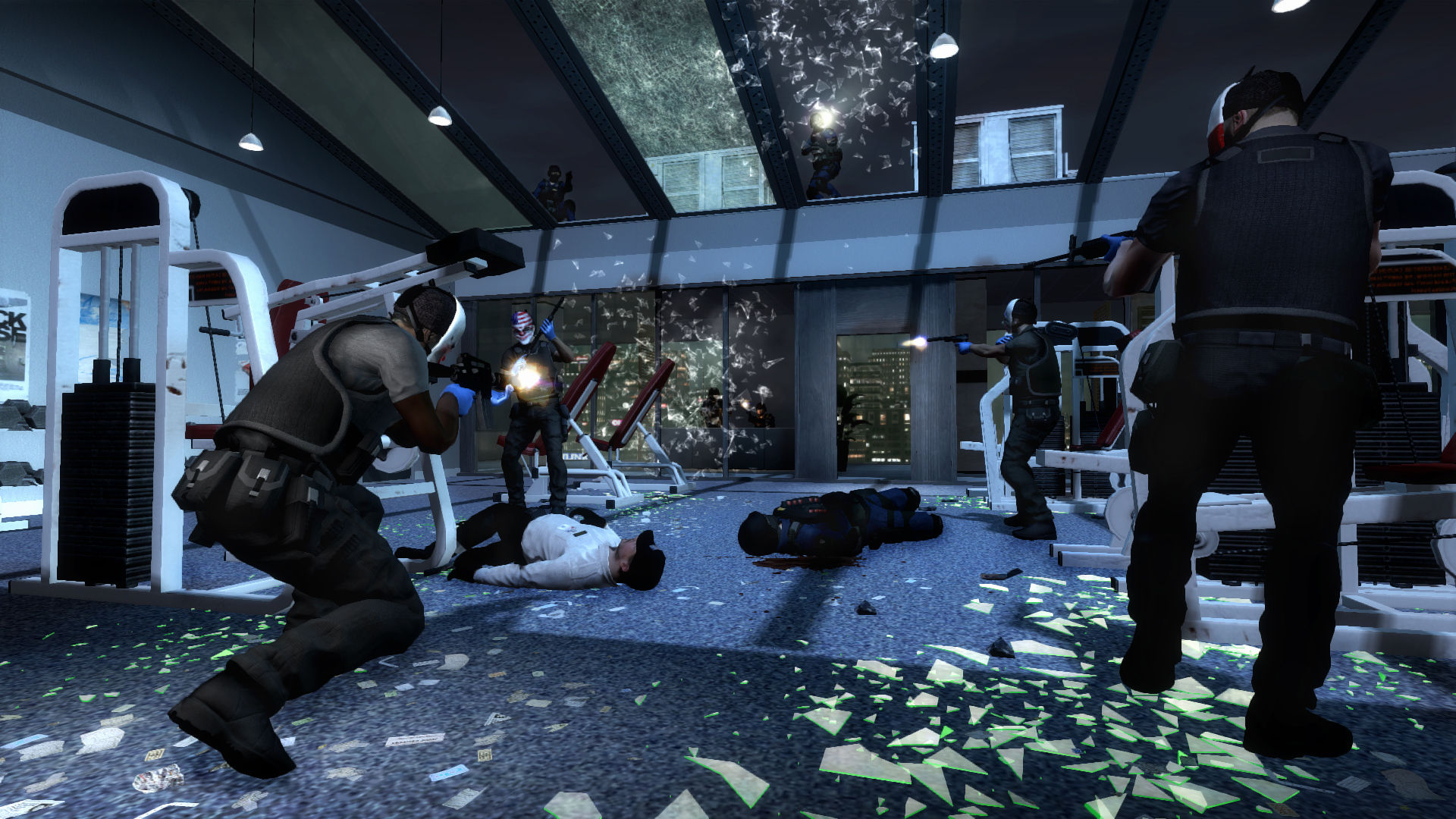
The documented systems are loadouts and hostage trading. Loadouts cover an array of weaponry and equipment, which means the player is deciding both how to deal damage and what supporting tools to bring into the job. Hostage trading is listed separately as a feature, which signals that non-lethal control of people is part of the heist toolkit rather than an incidental detail. In a game whose identity is crime drama execution, hostage trading is the system that turns the setting into a mechanic.
These two systems pull in different directions, and that tension is useful to understand before playing. Weaponry and equipment are chosen before the heist and carried through it; hostage trading happens during the heist when a situation calls for it. A crew that over-invests in offensive gear may find itself without the tools it wants when a job demands restraint, and a crew that ignores the trading feature loses a documented option. The source confirms the systems exist and that they sit inside the same six-heist structure, but it does not detail specific weapons, equipment slots, or trading rules.
Character Progression and Replay Value
PAYDAY: The Heist documents a massive character progression tree and states that players build their skills to fit a preferred form of violence. That phrasing is a design statement: the progression is not a generic stat ladder but a way to specialize how a character contributes to a job. The store material also lists endless replayability as a key feature, which pairs naturally with a skill tree, since a game that expects repeated runs needs a reason for those runs to differ.
Combined with a fixed set of six heists, progression is what gives the content a second dimension. A crew can return to the same job with a different skill distribution and a different loadout, and the documented features imply the experience can change as a result. The source does not describe individual skill nodes, leveling rates, or how progression is earned, so the shape of the tree remains a research gap rather than something this article can responsibly describe.
Starting Guidance from the Source
The documented guidance is minimal but usable for orientation. First, the game is a cooperative experience, so the intended starting point is a crew of four; assemble live partners if possible and treat A.I. partners as the documented alternative. Second, choose a loadout before the heist with the understanding that weaponry and equipment are carried into the job. Third, expect six heists rather than a long campaign, and expect the progression tree to be where repeated runs gain their purpose. Finally, remember that hostage trading is a listed feature, so it is worth knowing it exists before assuming every problem in a heist is solved by shooting.
What Makes the Design Distinctive
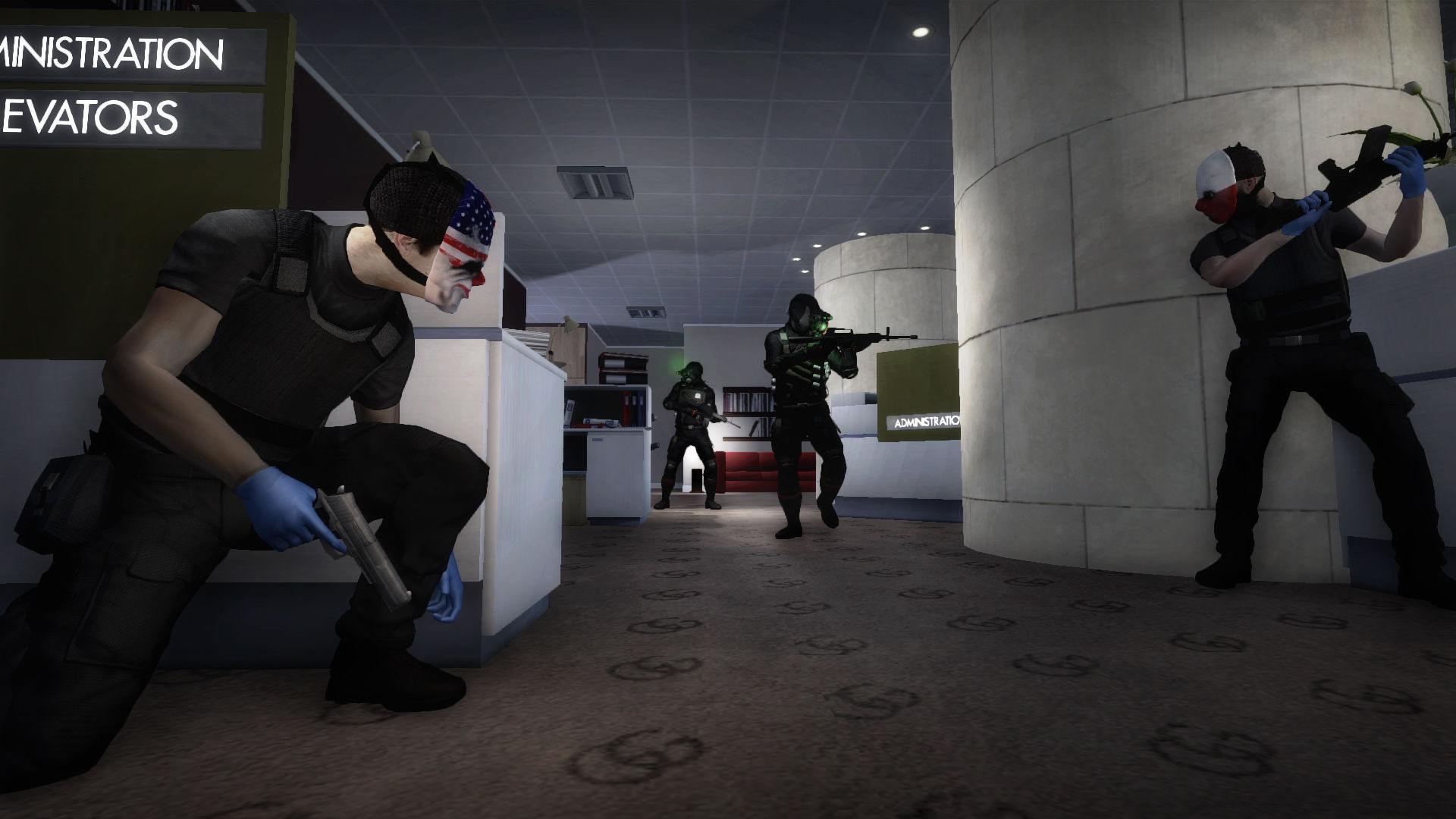
Taken together, the documented features describe a shooter organized around shared planning rather than solo spectacle. Four-player cooperative play, a loadout step before each job, and a trading mechanic all push decisions toward the crew. A genre label of action and a first-person shooter presentation define the moment-to-moment experience, while the six-heist structure and the skill tree define its long-term shape. The action framing and cooperative structure are both documented directly, so the distinctive quality is not speculation: the game frames crime as a group activity with a build to shape it.
Official Access and Scope of This Release Entry
This article describes the Windows entry released in 2011 under the title PAYDAY: The Heist, credited to developer OVERKILL - a Starbreeze Studio and publisher Starbreeze Entertainment. The 2011 date here is scoped to this official store entry and should not be read as a definitive statement about the franchise's full release history. The source material also mentions additional downloadable content in the form of further heists, weapons, and equipment, which means the six-heist and loadout descriptions describe the documented feature set rather than a guaranteed snapshot of every piece of content ever offered. Do not confuse this title with later entries in the series or with re-releases whose content differs.
Provenance Note
Every factual statement above comes from official store catalog material for this title. The material describes features in promotional terms, so counts such as six heists should be treated as the advertised feature set. No independent verification, hands-on play, or compatibility testing was performed for this article, and no first-hand impressions are claimed.
Scroll sideways to see the full table →
| Attribute | Documented value |
|---|---|
| Title | PAYDAY: The Heist |
| Documented release year | 2011 |
| Documented platform | Windows |
| Developer | OVERKILL - a Starbreeze Studio |
| Publisher | Starbreeze Entertainment |
| Genre label | Action |
| Cooperative play | 4-player co-op with live or A.I. partners |
| Heists | Six high-stakes heists |
| Loadouts | Weaponry and equipment |
| Other systems | Hostage trading; character progression tree |
Sources & further reading.
- PAYDAY™ The Heist — official game profile Retrieved Oct 13, 2026
First published .