 THE GAME ARCHIVE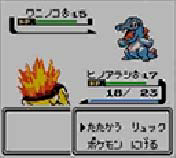
Gameplay Controls and Movement
The D-pad is used for movement, while the A button is used for interaction and the B button for cancel. The Start button opens the menu and the Select button opens options. These controls allow players to navigate and engage with the game world, including interacting with non-playable characters and objects, and accessing the game's menu and options.
In the game, the D-pad and other buttons have specific functions, such as moving the player character, talking to characters, and checking objects. The game also features a menu and options that can be accessed using the Start and Select buttons, allowing players to manage their progress and settings. The controls are used to perform various actions in the game.
Battle Mechanics and Types
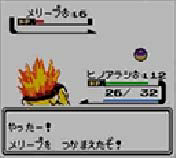
The game features two battle types: wild Pokémon encounters and trainer battles. Wild Pokémon encounters occur when the player's Pokémon meets a wild Pokémon in areas like grasslands or caves, and the player can choose to catch the wild Pokémon. Trainer battles, on the other hand, occur when the player's Pokémon meets another trainer's Pokémon, and the player must win the battle to receive a reward.
Pokémon can gain experience from battles, and when they accumulate enough experience, they level up, improving their stats and learning new moves. Additionally, Pokémon can be affected by status conditions like sleep, poison, or paralysis, which can impact their performance in battles. The player can also use items to heal their Pokémon or escape from battles.
Pokémon Progression and Evolution
Pokémon gain experience from battles, which allows them to level up and improve their stats. Leveling up also teaches Pokémon new moves. Certain Pokémon can evolve under specific conditions, such as level, items, or trading, and this evolution changes their appearance. Players can cancel evolution by pressing a button during the evolution process.
The Pokédex is completed by collecting Pokémon data, which can be done by catching or discovering them. When a Pokémon is caught, its data is recorded in the Pokédex. Players can also train their Pokémon by making them battle, which increases their level and strength. Additionally, Pokémon can learn new moves or evolve under certain conditions. The game features Gym Leaders that players must defeat to progress through the game and earn badges.
Items and Equipment
Pokémon Gold features various items and equipment, including Poké Balls used to catch wild Pokémon, with effectiveness varying by ball type. The game also includes healing items like Potions, which restore HP, and Antidotes, which cure status effects. These items can be used to support Pokémon during battles and exploration. The game manual provides information on the different types of items and their uses.
In addition to healing items, the game features power-ups like Power Up and Max Elixir, which increase Pokémon stats or restore PP. These items can be used to enhance Pokémon performance during battles. The game manual also mentions other items, such as the Coin Case, which allows players to check their coin count, and the Bike, which increases movement speed in the field. These items add depth to the gameplay and provide players with more options for supporting their Pokémon.
Game Modes and Multiplayer
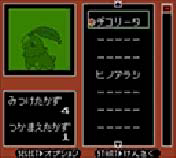
Pokémon Gold features a trading mode where players can exchange Pokémon with other players via cable connection at Pokémon Centers. To trade, players must first connect their consoles and then select the Pokémon they wish to trade. The game allows players to view the status of the Pokémon being offered by the other player before confirming the trade.
The game also features a local multiplayer mode where players can compete in Colosseum battles or trade Pokémon with friends via cable connection. In Colosseum battles, players can compete against each other using their own Pokémon, with rules such as not being able to use items or run away from battles. The game also features a Time Capsule exchange mode, allowing players to exchange Pokémon with friends.
Settings and Progression
In-game time affects events, such as night-only Pokémon and weekly events. The game's time system is based on the console's clock, with the in-game time changing from morning to night. This time system influences the appearance of certain Pokémon and the occurrence of specific events, such as those that only happen at night or on certain days of the week.
Game progress can be saved to a single slot via the 'Report' menu. Additionally, earning badges from gym leaders is necessary to unlock new abilities and areas, as these badges serve as proof of victory and enable the use of special moves or strengthen Pokémon. Saving game progress allows players to resume their adventure from where they left off, while earning badges progresses the game's story and unlocks new content.
Sources & further reading.
- ポケットモンスター 金 — official game manual Retrieved Oct 15, 2026
First published .