 THE GAME ARCHIVE
A Music-First Experiment in Play
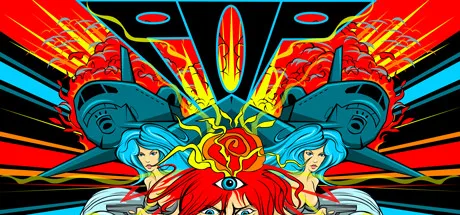
POP: Methodology Experiment One takes its start from sound rather than from mechanics. Rob Lach built the game music first, then pulled the play and the look out of the creative flow of the music production process. The result is a set of interactive vignettes that behave like a psychedelic roller-coaster, each scene carrying the emotional energy of the track it accompanies. Because the songs came first, the sequences read as visual and mechanical responses to that music rather than as levels later fitted with a soundtrack.
That same production workflow defines the overall structure. As each song was made, Lach imagined a game to go with it, so the mechanics, the visual aesthetic and the arrangement of the whole derive from the creative flow of music production. The playable passages therefore pair specific music with matching scenes instead of sharing one uniform template. Two named game modes extend this pitch-based thinking: 66.6 plays the game at 66.6% speed, and Huetrip makes everything continuously shift colors.
Vignettes of Ranging Purpose and Style
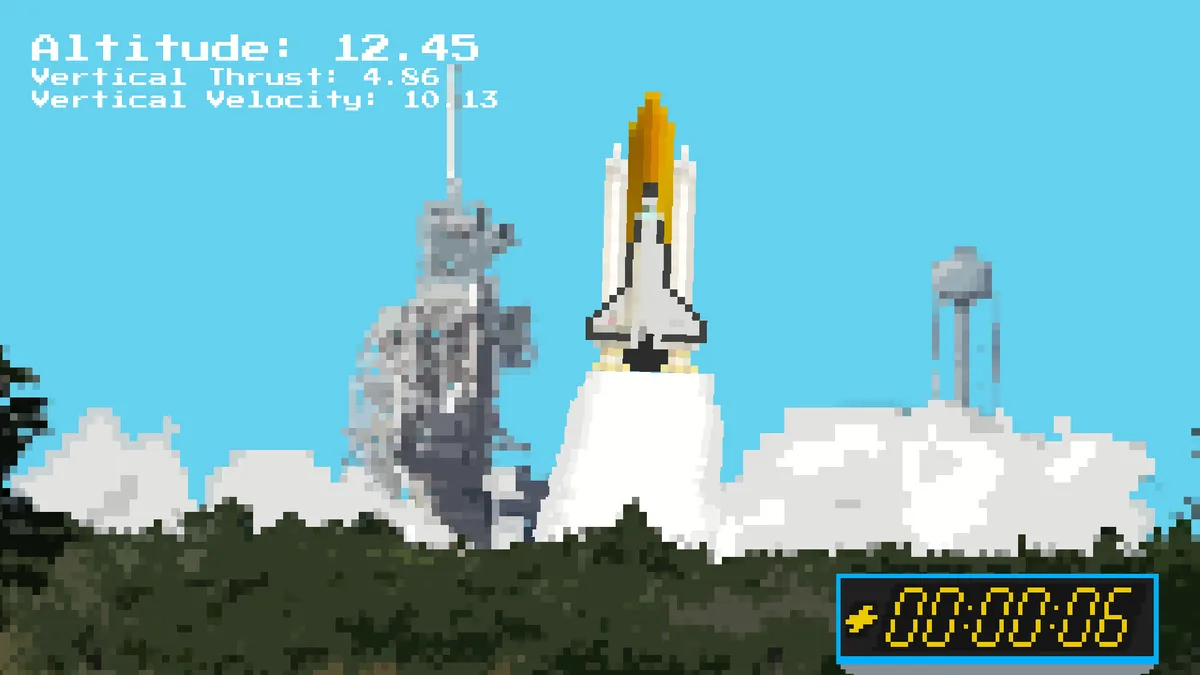
POP: Methodology Experiment One unfolds as a series of interactive vignettes rather than one continuous campaign. Each vignette has its own purpose, its own visual style, and its own measure of frustration, so consecutive scenes can change character abruptly. The game describes this arrangement as disjointed, sending the player through a visual and emotional roller-coaster as one vignette gives way to the next. Because the scenes are built around individual songs, the shift in purpose and look from one passage to another follows the music rather than a single consistent framework.
Rob Lach made each song first and then imagined a game to accompany it, tapping into the emotional energy of the music, documenting his concepts and executing the ideas with minimal iteration. The result is a run of interactive vignettes that are disjointed by design, described as an intimidatingly intense and equally indecipherable journey of frustration and wonder. The frustration named in the game's description is one of the varied qualities the vignettes range across, alongside differences in purpose and visual style, so the ride mixes wonder with scenes that resist easy reading.
A Disjointed Ride of Frustration and Wonder
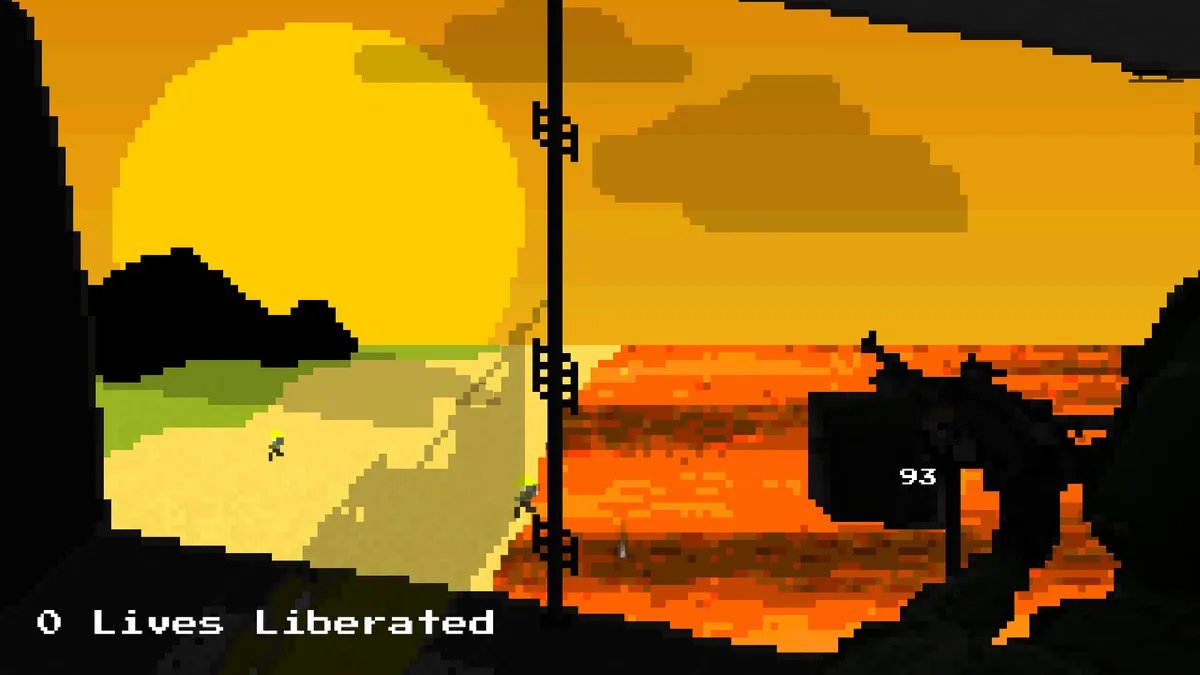
The structure of POP: Methodology Experiment One is a run of interactive vignettes deliberately arranged in a disjointed sequence. One passage ends and the next begins on its own terms, without a shared framework smoothing the transition, so the shift of setting and tone arrives without warning. The documented ride is intimidatingly intense and equally indecipherable, a journey of frustration and wonder. The frustration is not a bug to be patched but part of the intended emotional range of the trip. Each vignette's purpose, visual style and measure of frustration can differ from the one before it. Nothing in the documented flow promises a steady ramp or a familiar template carried forward. The disjointed structure is the rule that governs how consecutive scenes meet, which is why the experience reads as varied and hard to decipher rather than as one clean arc. The journey named in the game's description holds both qualities at once: intimidating intensity and bewilderment alongside wonder.
The separate pieces of this framing work together. The disjointed structure supplies the abrupt changes between vignettes; the intimidating intensity supplies the pressure of the ride; the indecipherable quality describes how little the passages explain themselves; and the frustration-and-wonder pairing supplies the emotional range the sequence travels through. No single vignette is asked to carry the whole tone, so each can lean toward one part of that range before the next pulls elsewhere. The documented arrangement therefore asks the player to move between scenes that read differently from one another, with frustration sitting alongside wonder in the same journey. The description does not detail what each vignette contains, only that they vary in purpose and character. What the game commits to is the disjointed, intense and hard-to-read trip itself, not a consistent campaign spine.
Game Mode Switches: 66.6 and Huetrip
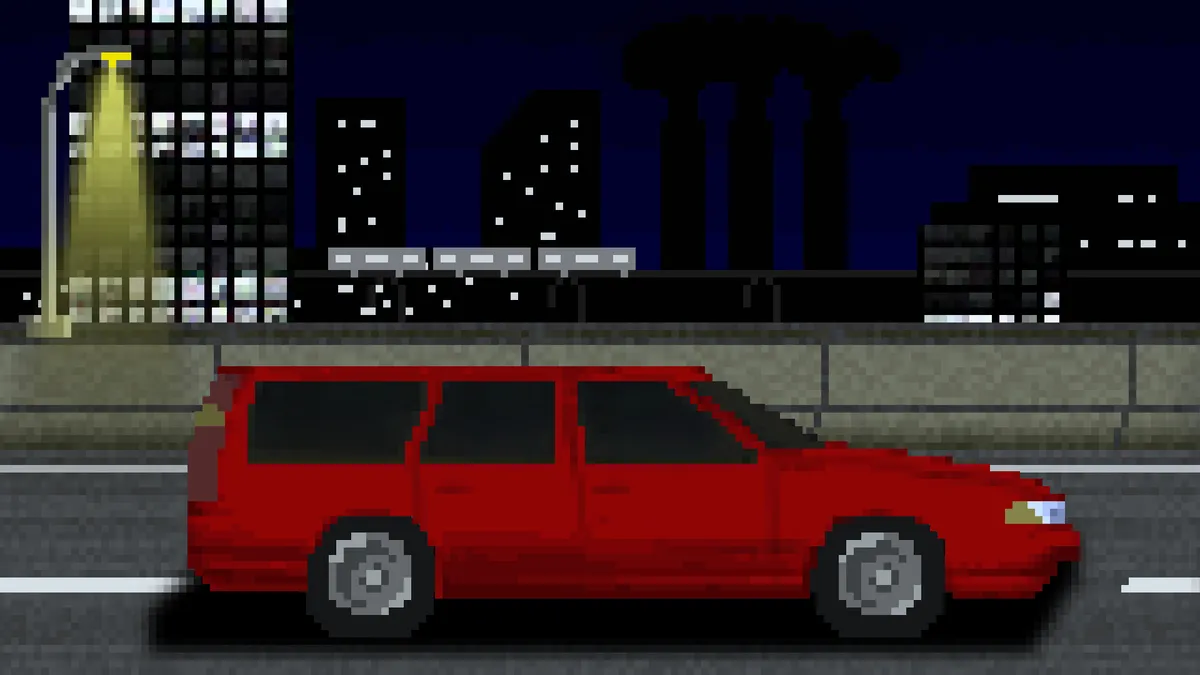
POP: Methodology Experiment One includes a set of game mode switches, and two of the named modes change how the game behaves rather than simply adjusting a difficulty setting. The mode called 66.6 allows play at 66.6% speed, slowing the pace of play to a fraction of its normal rate. The mode called Huetrip takes a different route entirely, making everything continuously shift colors. One mode alters tempo, the other alters color, so the documented switches pull the game in separate directions: a slowed-down playback and a constantly recoloring presentation that runs alongside the music-driven vignettes.
These switches fit the music-first structure the game was built on. Because each vignette was imagined to accompany a song, the two modes read as ways to re-pitch the same material: 66.6 changes the rate at which play unfolds, while Huetrip keeps the colors moving across everything on screen. The two effects thus interact with the established presentation of a vignette rather than replacing it with new content. The modes are documented as switches the player can select, with 66.6 described as a mode allowing play at 66.6% speed and Huetrip described as making everything shift colors continuously.
Sources & further reading.
- POP: Methodology Experiment One — official game profileRetrieved Oct 31, 2026
First published .