 THE GAME ARCHIVE
Tom Clancy's Rainbow Six Vegas 2 is an action game developed by Ubisoft Montreal and published by Ubisoft, listed on Steam as a 2008 release for Windows. The official store description frames it as the sequel to a next-generation first-person shooter, returning the series to a besieged Las Vegas and putting the player in the position of rescuing the city from an escalating terrorist siege.
This feature is built entirely from the published Steam description and the supported gameplay details drawn from it. It does not claim hands-on testing, first-person recollection, or verified compatibility with any current system. Where the source describes a system only in promotional terms, that framing is preserved rather than expanded into mechanics the source never states.
The Vegas Siege Premise
The stated objective is straightforward: rescue America's sexiest city from a terrorist siege that the description treats as escalating, with the promise of action from beginning to end. That single sentence does a lot of work for the game's tone. Las Vegas is not presented as a neutral backdrop but as a place worth saving, and the siege is framed as a continuing pressure rather than a single incident to resolve.
Returning to Sin City is itself part of the pitch. The store text describes the game as a sequel that brings the series back to Las Vegas and promises the city is bigger than before, with new Vegas hot spots to explore. For a player coming to this entry cold, that means the location is not just a setting but an organizing structure for the scenario content.
The Core Tactical Loop
The gameplay loop the source describes has two halves. The first is intelligence gathering: the player uses thermal scanning to identify opportunities before committing to a fight. The second is movement and positioning, described through leapfrogging — a tactic in which elements advance in sequence while others cover. Together these suggest that progress is meant to come from reading a room and staging an approach rather than simply trading fire.
That reading is reinforced by the enemy design. Terrorists are said to carry thermal vision and night vision as well as shields, which means the player cannot assume the enemy is blind to the same tools the player relies on. Thermal scanning is presented as a player advantage, but the opposing force is equipped to operate in conditions that would normally favor the attacker.
Enemy AI and the Uneven Fight
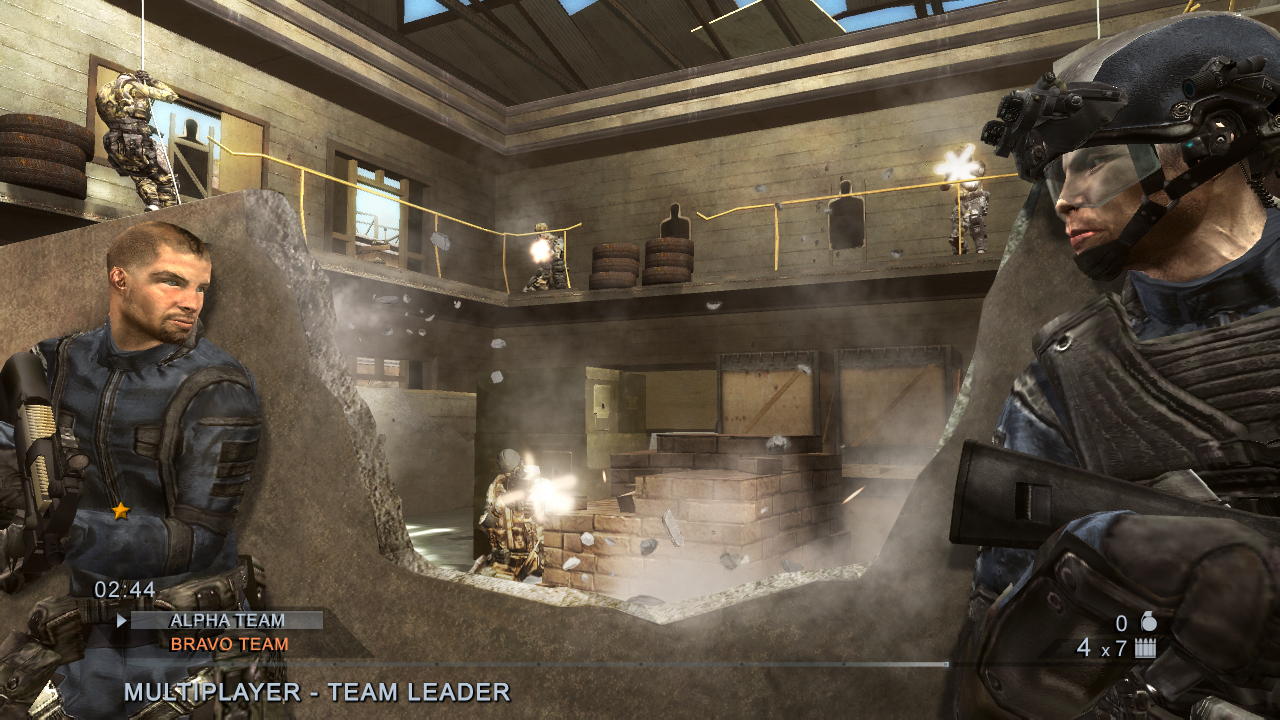
The description calls the AI more challenging than ever and highlights a multitude of varying reactions. In practice, that phrasing matters more than any single capability. An enemy that can react in several different ways is harder to script against than one that always does the same thing, and it pushes the player toward adapting rather than memorizing a single solution.
The source does not describe specific enemy behaviours beyond equipment and reaction variety, so the exact shape of an encounter cannot be reconstructed from it. What can be said is that the described design intent is to make each battle feel different, and that thermal scanning and leapfrogging are offered as the player's answer to that variability.
Weapons, Armor and Customization
The loadout layer is described with a specific number: eleven new weapons. Alongside those, the source lists new camouflage, clothing and gear, and it frames all of it as taking customization further than before. For a tactical shooter this is meaningful because equipment choice is one of the few levers a player controls before a fight begins.
It is worth being precise about what the source does and does not say. It does not list the individual weapons, describe weapon handling, explain how camouflage affects detection, or state how gear slots are organized. The customization system is real in the marketing text, but its rules remain undocumented here.
Environmental Shifts and Visual Identity
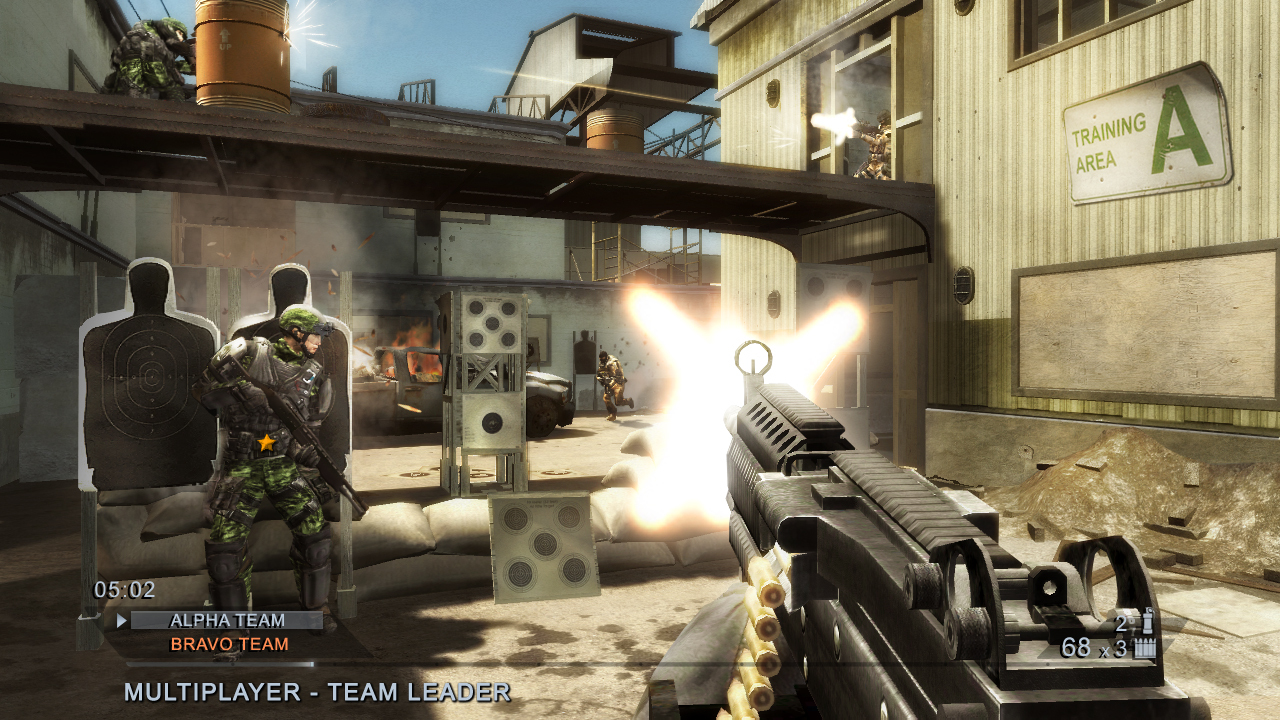
One of the more concrete visual claims is that the environment changes from dusk to bright daylight to dawn. That is a specific progression rather than a vague promise of variety, and it implies that lighting conditions are meant to shift across the course of the game. The source ties this to a visual experience it describes as both challenging and striking, which is marketing language but also a hint that visibility is part of the challenge.
That claim gains weight when read next to the enemy equipment list. If enemies carry night vision and thermal vision, then a level that moves through dusk, daylight and dawn is not just a change of scenery — it is a change in who can see whom. The source never spells out that relationship, but the two supported facts sit naturally together.
The Studio Behind the Return
The Steam entry credits Ubisoft Montreal as developer and Ubisoft as publisher. The store description specifically highlights that the game is back in the hands of the Montreal studio, the creators of the earlier Vegas title, and presents that continuity as the reason the ending to the Vegas story lands as intended. Whatever one makes of the framing, it establishes that this entry is positioned as a direct continuation rather than a side project.
Source-Backed Starting Guidance
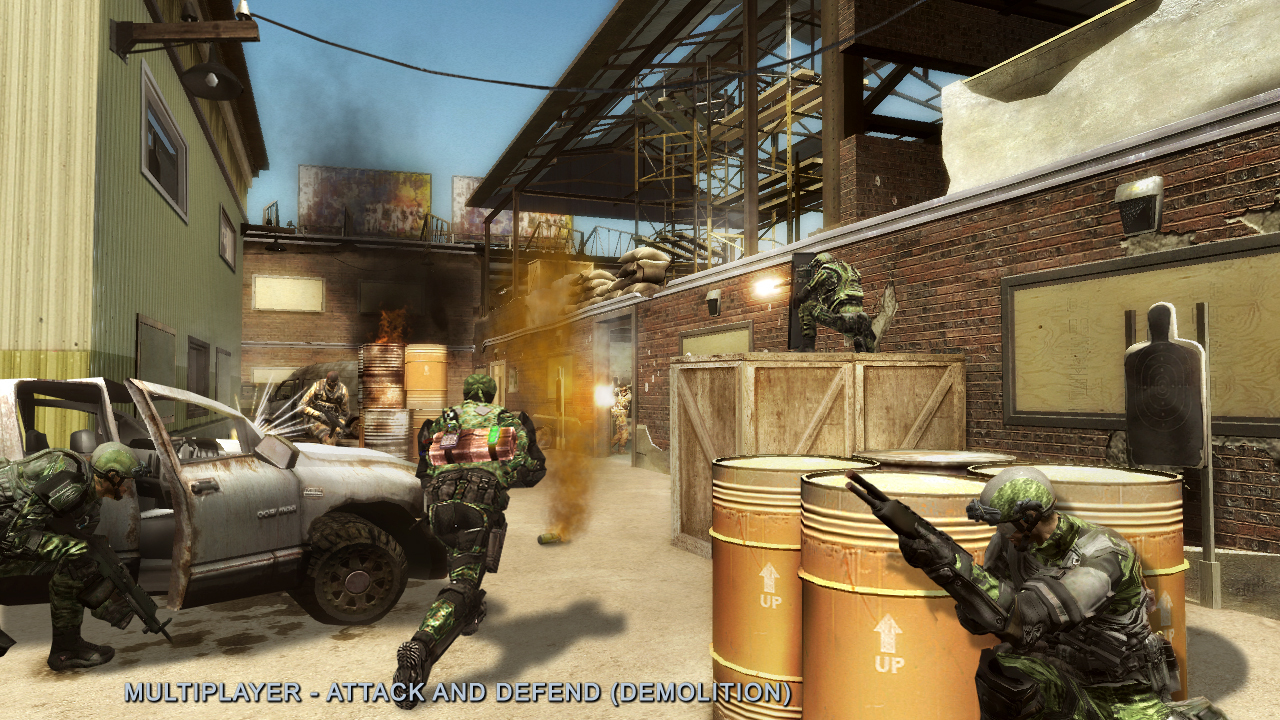
Any starting advice here has to stay inside what the source actually supports. Three things follow directly from the described design. First, use thermal scanning as an intelligence step before engaging, since the game presents intel opportunities as the way to get ahead of enemies. Second, treat leapfrogging as the default way to move through contested space rather than a specialist trick. Third, do not assume darkness protects you, because enemies are equipped with night vision and thermal vision themselves.
Beyond that, the source is silent. It does not describe controls, difficulty settings, mission structure, save systems, or how missions are selected. It also does not describe how progression works, what modes exist, or how multiplayer is organized. Those omissions are not small details to be guessed at; they are the parts of the game this source simply does not cover.
What This Source Does Not Cover
The honest summary is that the store description explains intent well and mechanics thinly. It tells you the game is a tactical shooter set in a besieged Las Vegas, that enemies are better equipped and more varied than before, that there are eleven new weapons and more customization, and that lighting shifts across the day. It does not tell you how a mission is structured, how difficulty is tuned, how progression works, or how any of it feels moment to moment.
That gap is the useful takeaway for anyone researching this entry. The specific missing gameplay evidence is: controls and input scheme, progression structure, available modes and how they are organized, and detailed enemy and combat systems. Those are the areas where further sourcing would actually add something, rather than restating the same promotional sentences in new arrangements.
Edition and Access Notes
The Steam entry lists Windows as the platform and 2008 as the release year. That year should be read as the date attached to this Steam record, not as a complete release history; the source does not describe other platforms, later re-releases, or any additional content bundled with the current package. If you are trying to place this game within a wider series timeline or check what a present-day purchase includes, this source is not sufficient to answer that.
Rainbow Six Vegas 2, as documented here, is a tactical action game about reading a room before you enter it, built around thermal scanning, sequenced movement, and enemies who can see in the dark just as well as you can. The design ideas are legible from the source even where the systems are not, and the most useful next step for anyone digging deeper is to find documentation of the mechanics this store page leaves out.
Scroll sideways to see the full table →
| Field | Value |
|---|---|
| Title | Tom Clancy's Rainbow Six Vegas 2 |
| Release year (per Steam entry) | 2008 |
| Platform (per Steam entry) | Windows |
| Developer | Ubisoft Montreal |
| Publisher | Ubisoft |
| Genre | Action |
| Enemy equipment noted | Thermal vision, night vision, shields |
| New weapons noted | 11 |
| Customization noted | Camouflage, clothing, gear |
| Lighting progression noted | Dusk to bright daylight to dawn |
Sources & further reading.
- Tom Clancy's Rainbow Six® Vegas 2 — official game profile Retrieved Oct 11, 2026
First published .