 THE GAME ARCHIVE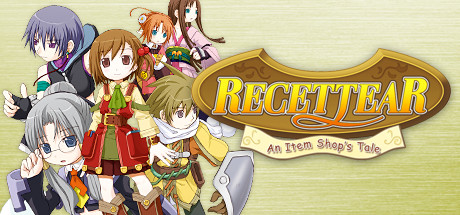
Recettear: An Item Shop's Tale asks a question that most role-playing games skip past: what happens to the shopkeeper while the hero is out fighting? For Recette Lemongrass, the answer is that she has to keep the lights on and the shelves stocked, because a debt left behind by her father has landed on her counter. The game was developed by EasyGameStation and published by Carpe Fulgur LLC, and the Steam entry lists it as a 2010 release on Windows. It carries RPG and Indie genre tags. The story begins when Recette finds herself in charge of an item shop built into her house, with a fairy named Tear insisting that the loan be repaid.
The premise
Recette is not a wandering warrior or a chosen one. She is a girl living in a house with a storefront attached, and Tear, a fairy she has newly met, will not take no for an answer. The central objective is to pay back the loan Recette's father took and then skipped out on. The game's official store description frames the stakes bluntly: if the money cannot be raised, the alternative is living in a cardboard box. That premise places ordinary commerce, not combat, at the center of the experience, and it gives every pricing decision and inventory choice a clear purpose.
The core loop: stock, price, sell, repeat
The game's loop is built around acquiring merchandise and turning it into money. The official description states that as Recette, the player decides how to get stock, either through playing the markets in town or going out into the wild with an adventuring friend and thrashing beasts until they give up the goodies. Once items are in hand, the player decides how much to sell things for, what the shop should look like, and how best to raise the money Tear needs for the loan. Those three decisions — sourcing, pricing, and presentation — form the backbone of a shop-management system that the store description summarizes as managing all aspects of an item shop, from stock to interior design.
What makes the loop distinctive is the way it ties two halves of the same fantasy together. The town markets offer one route to inventory, with prices and availability that the player has to work with rather than control. Dungeon runs offer another, where the goods are the loot that enemies drop. Both routes feed the same shelf. Pricing then becomes the pivot point: a bought or looted item is only worth what a customer will pay, and the goal of covering a specific debt keeps that judgment consequential rather than abstract. Interior design is described as a manageable part of the shop, which extends the decision space beyond the inventory screen and into the space customers walk through.
Dungeons, randomness and adventurers
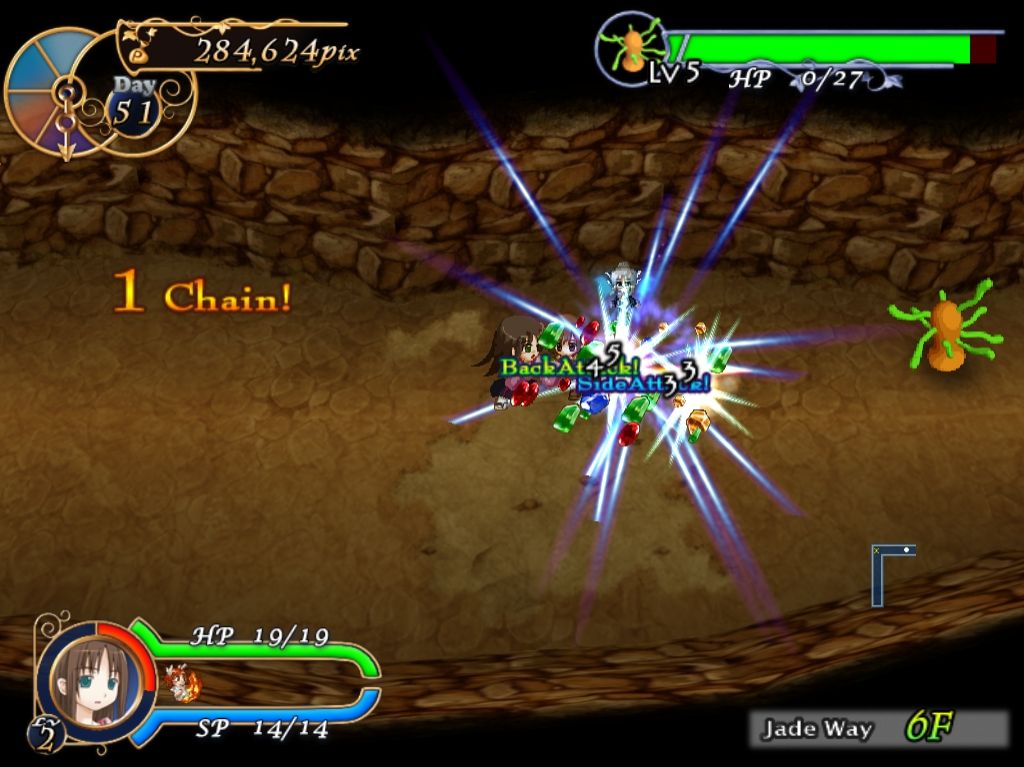
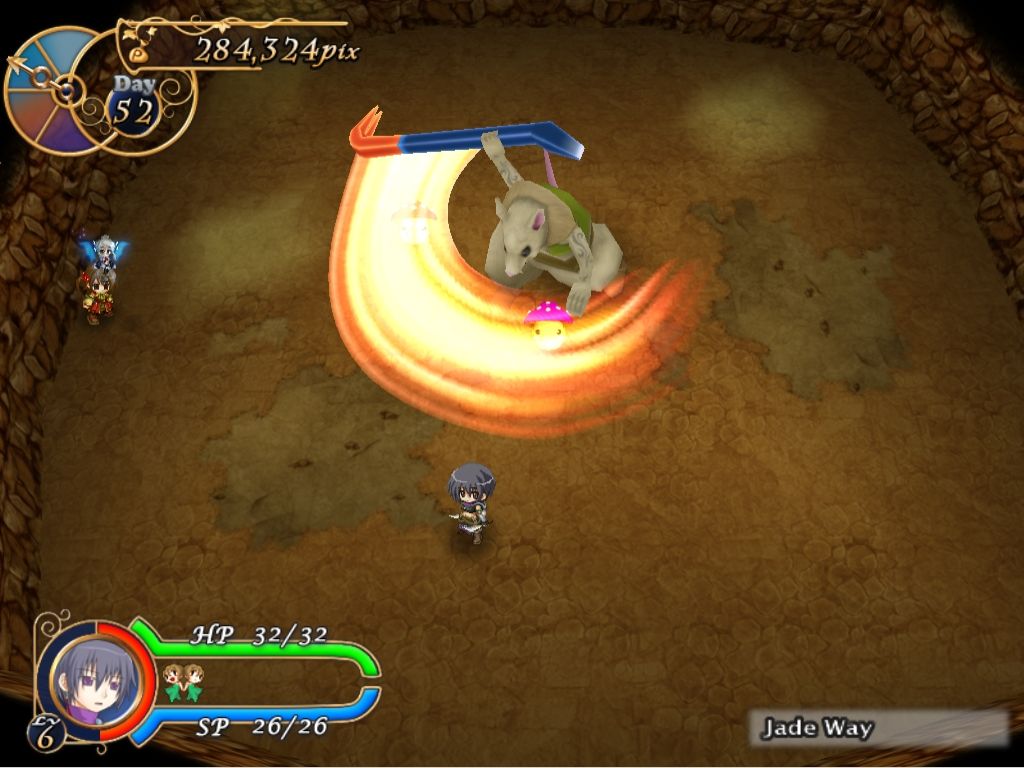
The adventuring side of the game sends Recette into the wild with a friend, fighting beasts until they drop goods. The official key features describe randomized dungeons that are never quite the same twice. The store text also promises multiple adventurers to choose from when dungeon-diving, with no two playing the same. Those two design choices work together: randomized layouts keep repeated supply runs from becoming a fixed route, and the roster of adventurers gives the player different ways to approach the same expedition. Because the loot is the point, a dungeon run is not a separate game bolted onto the shop; it is a procurement method with its own risks and rewards.
Progression and modes after the main game
The main progression goal is the loan itself, and it gives the whole experience a deadline-shaped pressure. The official feature list notes plenty to do after beating the game. That post-game content includes Survival Mode, described as a challenge to test yourself against, and Endless Mode, described as a way to play to your heart's delight. The distinction is worth noting: Survival Mode is framed as a challenge, Endless Mode as open-ended play. Neither mode's exact rules, win conditions or length are spelled out in the supplied store description, so the modes are best understood here as two named post-game options rather than as fully documented systems.
Story and the people of Pensee
The official description calls the story engaging and notes that it was localized by Carpe Fulgur, with the invitation to get to know the people of Pensee. The premise itself is character-driven: Recette, her father's debt, and Tear's refusal to accept failure give the shop a narrative frame that a pure management game would lack. Because the description lists a localized script and a named setting, it is reasonable to expect conversations and town characters to be part of the experience, though the supplied text does not quantify how much dialogue or story content there is.
Getting started: what the source actually supports
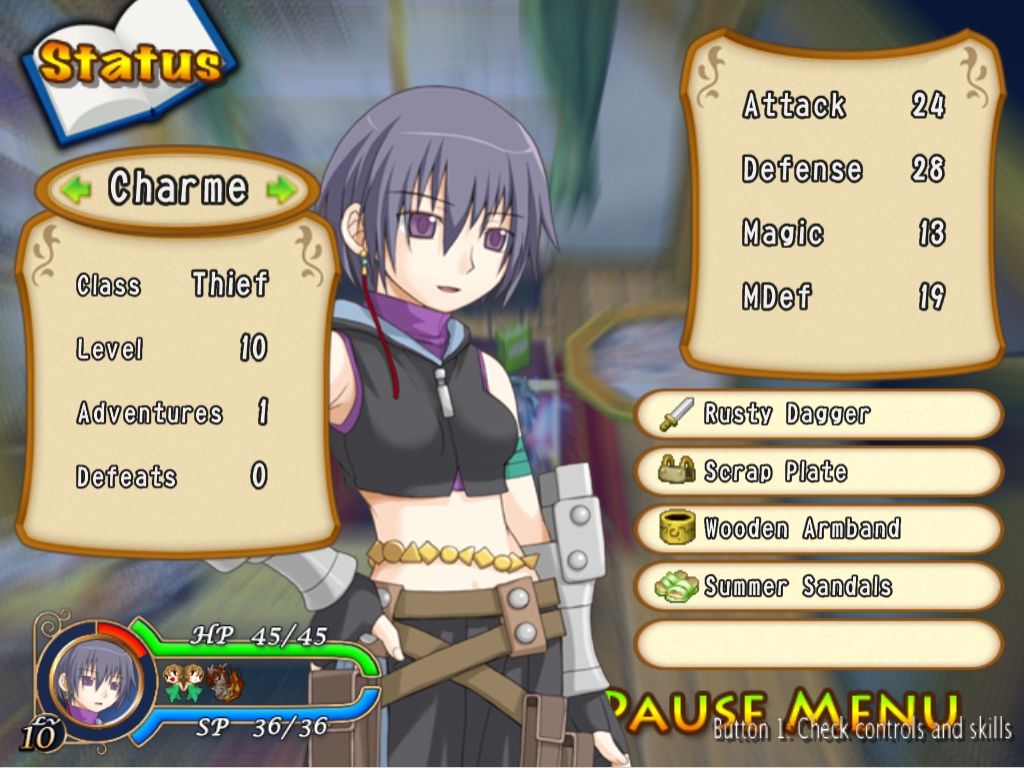
The supplied store description does not include a tutorial walkthrough, control scheme, difficulty tiers or a step-by-step opening route, so this feature will not invent one. What it does support is a set of priorities that follow directly from the documented rules. First, decide how each batch of stock will be sourced, since the game explicitly offers the town markets and dungeon exploration as the two routes. Second, treat pricing as a real decision, because the description names how much to sell things for as one of the player's calls. Third, remember that interior design is described as a managed aspect of the shop, not just decoration. Fourth, if a dungeon run is on the schedule, choose among the available adventurers, since the feature list says multiple adventurers can be selected and that no two play the same. Beyond those points, specific opening-day tactics would require evidence the current source does not provide.
Edition scope and current official access
This feature is scoped to the Steam entry for Recettear: An Item Shop's Tale, which lists a 2010 release year and Windows as its platform. The distinction matters in a retro context: the 2010 figure belongs to this store entry, and the source material provided here does not document the game's original release history, any later ports, remakes, or bundle additions. Likewise, no modern compatibility testing, storefront availability checks or system requirement details are included in the source. Readers who want the current official access details should consult the store page directly rather than treat this article as a purchase or compatibility guide.
Why the design still reads as distinctive
Recettear's signature move is to make commerce the spine of an RPG rather than a side activity. The store description treats the shop itself as a system to manage, with stock, pricing and interior design all named as player responsibilities. It then attaches that system to an adventuring loop through randomized dungeons and a choice of adventurers. The result is a structure where the two halves constantly feed each other: dungeon loot becomes shelf inventory, and shelf revenue addresses the loan that drives the story. The post-game Survival and Endless modes extend that structure past the main objective, which suggests the designers expected players to want to keep operating the shop after the debt was settled.
Scroll sideways to see the full table →
| Field | Value |
|---|---|
| Title | Recettear: An Item Shop's Tale |
| Developer | EasyGameStation |
| Publisher | Carpe Fulgur LLC |
| Steam entry release year | 2010 |
| Platforms (per store entry) | Windows |
| Genres | RPG, Indie |
Sources & further reading.
- Recettear: An Item Shop's Tale — official game profile Retrieved Oct 13, 2026
First published .