 THE GAME ARCHIVE
When the Havoc Starts, You Join the Fray
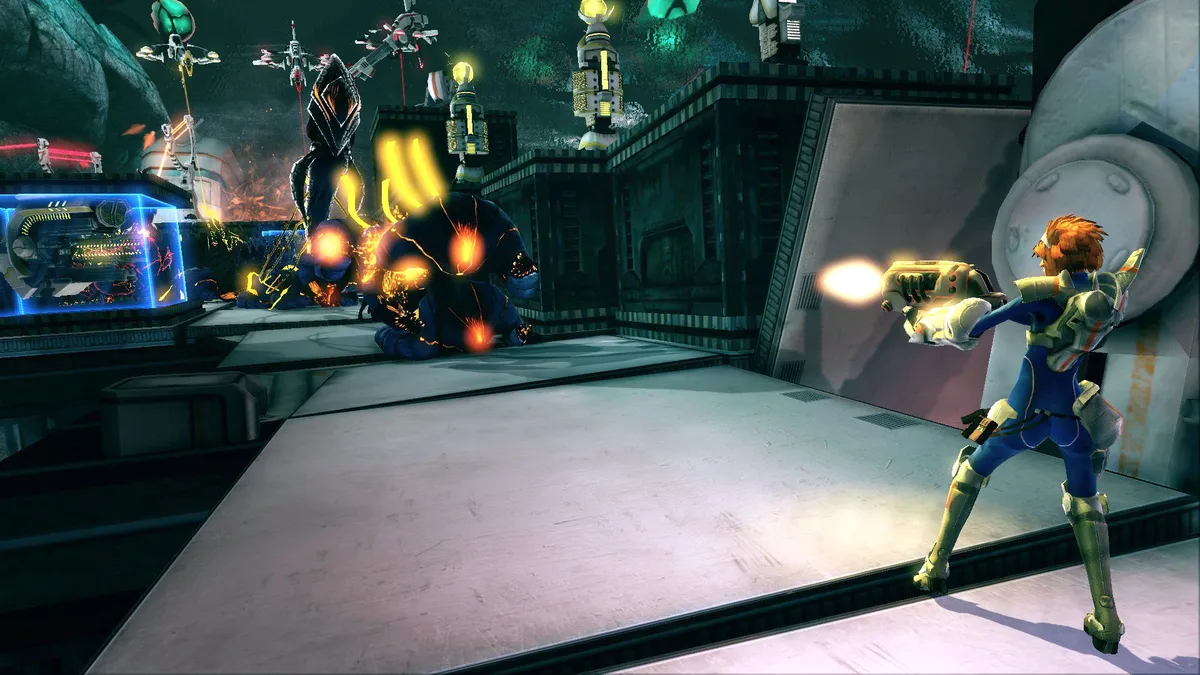
Sanctum is a first-person shooter and tower defense hybrid in which building is only part of the job. Once the fighting begins, the player leaves the planning phase and steps into the action directly, joining the battle rather than watching it unfold from a distance. That combination places the game in both the action and strategy genres: the defensive layout determines where enemies travel, while the player's own participation carries the fight once the assault is underway.
The split makes the two halves depend on each other. Tower defense normally centers on construction, but here the shooting half is described as equally central, so the player is expected to fight alongside whatever defenses have been put in place. The action and strategy labels reflect that pairing rather than a single dominant mode. This is the premise the game itself leads with: when the havoc starts, you join the fray instead of remaining a builder on the sidelines.
Don't Just Build Towers — Build Mazes and Structures Your Way
In Sanctum, the construction phase is not limited to placing towers along a fixed path. The game's key features explicitly urge players not to just build towers but to build mazes, turning the defensive layout itself into a design problem. Rather than accepting a preset route for incoming enemies, the player arranges structures to shape where and how attackers move. Tower defense here becomes architecture: the maze is the tool for directing the assault, and towers are placed within that player-made arrangement.
The customization system ties directly into that freedom, presented with the question of whether it is your way or the highway and the answer that the customization system lets you have it all. In practice, the maze-building goal and the customization mechanics refer to the same activity: the player decides the form of the structures and the resulting path rather than choosing from one sanctioned blueprint. Sanctum's pitch frames this player-directed structure design as the centerpiece of its tower defense half, with building choices made by the player rather than dictated by the game.
Co-op Four Ways: Quadruple the Trouble
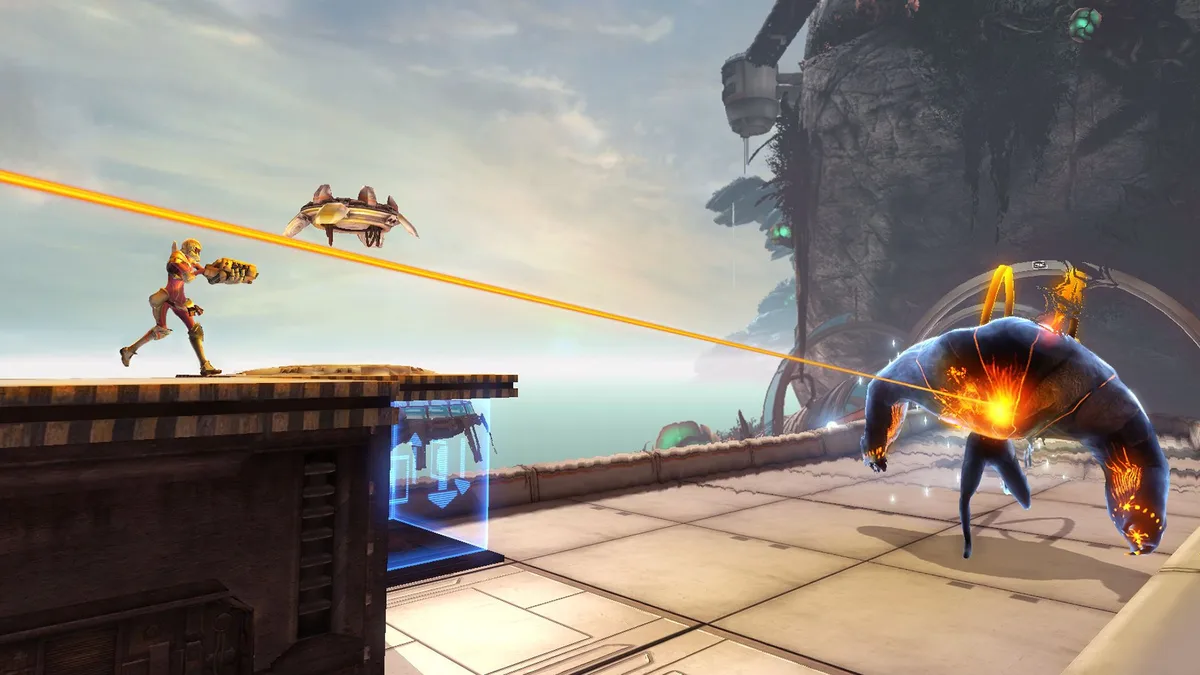
Sanctum supports four-player co-op, and the feature list frames that number as a deliberate escalation: why double the trouble when you can quadruple it? The cooperative mode is listed alongside the game's other headline features rather than standing alone. Those neighbors include the maze-building approach that replaces simple tower placement, a customization system that gives players wide latitude over their constructions, and the first-person shooter half in which players join the fray once havoc starts. Four players therefore share the same construction and combat framework the solo game uses.
The interaction between the documented rules is straightforward: the customization system supplies the freedom to design mazes your way rather than following one sanctioned layout, and four-player co-op applies that same design freedom to a group. Each participant can contribute to the maze structure, and once the fighting begins the teammates step into the fray together instead of leaving the defense to automated towers. Building mazes, customizing structures, and joining the shooting are the three named activities the co-op support wraps around, with the quadruple-trouble line marking four as the ceiling.
Achievement Hunting, Hidden Secrets and Easter Eggs
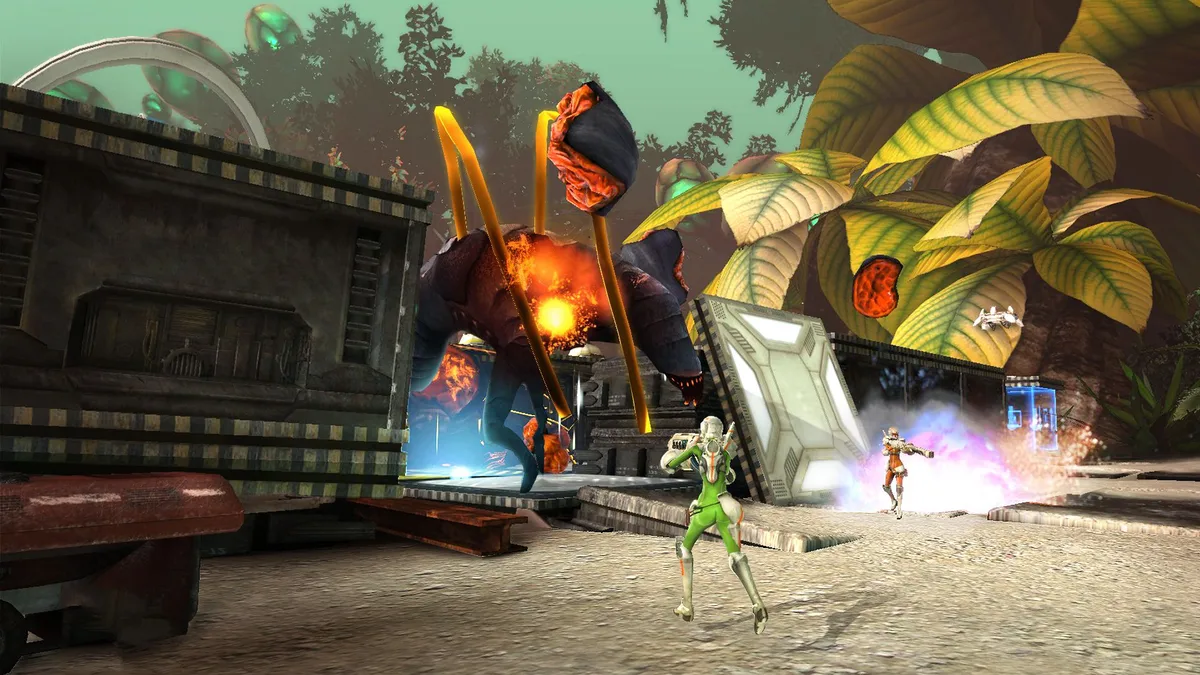
Sanctum's feature list reserves space beyond construction and combat for optional discovery. It names 87 achievements, giving players a stated set of records to pursue while playing. Next to those goals, the game advertises hidden secrets and Easter eggs, presented with a line about having fun with your metal. These extras are listed separately from the maze-building and shooting activities, so they read as side content rather than part of the defensive loop. The achievement total is given as a concrete number, while the secrets and eggs are simply confirmed to exist.
The secret and Easter egg material is framed as something to uncover rather than something explained up front. The documented rules do not say where these surprises sit, what sets them off, or what they give back; only that they are there. The same applies to the achievements: the count of 87 is stated, but the conditions behind each individual one are not spelled out in the available description. Anyone chasing these extras works from the promise that they exist, not from instructions, since no verified account of their locations or requirements is part of the game's own feature list.
A 2011 Release Across Windows and macOS
Sanctum appears on the Steam product listing with a product date of 2011, which marks the store record rather than the game's original launch. The same entry names Windows and macOS as the platforms it covers, so the catalog treats both desktop systems as part of the release. Coffee Stain Studios is credited as developer and Coffee Stain Publishing as publisher. The listing also files the game under action, casual, indie and strategy, a set of categories that fits a title built on both shooting and defensive construction.
The platform information comes from the storefront's own record, not from a hands-on install on either system, and nothing in the supplied material describes controls, system requirements or performance. Windows and macOS are listed together under one product entry, with no separate editions called out. The genre labels likewise come straight from that entry, and the remaining subjects of this feature, including maze construction, customization, four-player co-op, achievements and hidden extras, are handled in their own sections rather than here.
Made and Published by Coffee Stain
Sanctum credits Coffee Stain Studios as its developer and Coffee Stain Publishing as its publisher. The game appears on the Steam product listing with a Steam product date of 2011, a store record date rather than the original launch. That same entry names Windows and macOS as the platforms it covers, so the catalog treats both desktop systems as part of the release. The listing also files Sanctum under action, casual, indie and strategy, categories that fit a title built on both shooting and defensive construction.
The platform information comes from the storefront's own record, not from a hands-on install on either system, and nothing in the supplied material describes controls, system requirements or performance. Windows and macOS are listed together under one product entry, with no separate editions called out. The genre labels likewise come straight from that entry. The store record is the source for the developer, publisher, platforms and categories cited here.
Sources & further reading.
- Sanctum — official game profile Retrieved Oct 21, 2026
First published .