 THE GAME ARCHIVE
Stronghold Kingdoms is a massively multiplayer grand strategy game developed and published by Firefly Studios. According to the official store entry, it launched in 2012 on Windows and is distributed as a free-to-play title with optional in-game purchases. Rather than a single-player castle sim, the game is built around a persistent world shared by thousands of players, where castle design, faction politics and research choices all feed into an ongoing competition for influence.
The Premise: Lords, Ladies and a Shared Map
Players are cast as a feudal lord or lady and begin with a single village and a keep. From there, the documented flow is straightforward in concept but demanding in practice: design and defend a castle, then look outward toward the rest of the country, Europe and the wider world. Expansion is not purely military; the official description frames the game around forging alliances and navigating political mind games just as much as building and besieging.
Because the world is massively multiplayer, these ambitions are measured against other people rather than scripted opponents. Factions, elections, liege lords and their vassals are described as a feudal community of real players, giving the game a social layer that sits on top of the construction and combat systems. That structure is what separates a Stronghold Kingdoms campaign from a self-contained castle-building scenario.
The Core Loop: Build, Defend, Besiege
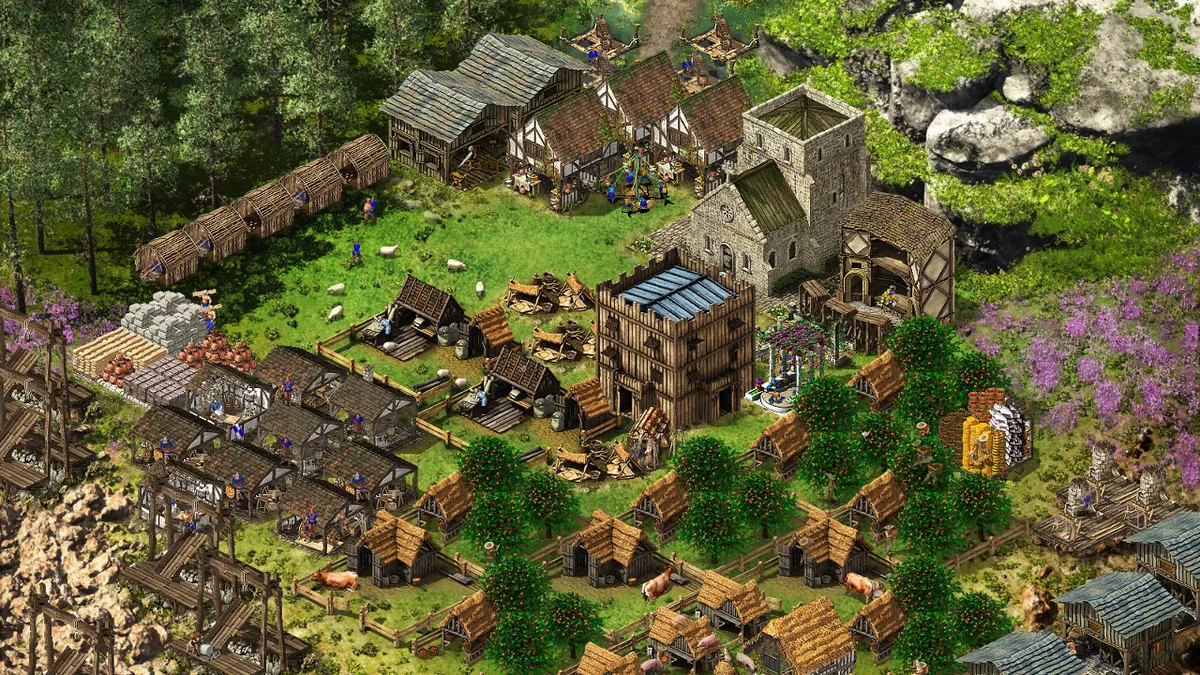
The central gameplay loop documented by the official description moves through several interlocking activities. A player builds a stronghold and strengthens castle defenses against invading forces, then launches counterattacks rather than staying purely defensive. City-building and settlement expansion are listed among the game's core objectives, which means construction is not a one-time setup phase but an ongoing activity tied to the broader competitive world.
Aggression is just as prominent. Players can attack sworn enemies and are described as able to strike without warning, cripple a rival's economy, or engage in political maneuvering instead of open war. Castle sieges are a named activity, and rival lords are framed as the primary adversaries. In practice, this means a session can shift between peaceful development, economic disruption and outright assault depending on the goals of the player and their faction.
The description also lists a broad menu of possible approaches: besieging a storied castle, overthrowing tyrants, bankrolling a faction's war effort, pillaging a neighbor's resources, or peacefully raising cattle. This flexibility is the core promise of the design. The loop is less a fixed sequence of missions and more a set of levers a player can pull, with the surrounding player community determining which levers matter most at any given time.
Systems That Shape Play: Research, Factions and Progression
Research is one of the clearest ways the game asks the player to define an identity. The official description presents a vast tech tree and explicitly asks whether the player is a farmer, trader, diplomat or warlord. Specialization through research is framed as a route to expansion, so the choice is not merely cosmetic: it steers what a lordship can do and how it contributes to a larger group.
Progression is tied to promotion. Players start as a humble peasant, and each promotion provides research points that can be spent across areas such as trading, diplomacy, warfare, farming or religion. The same framework carries increasing responsibility: as power grows, vassals look to the player for leadership, and the description suggests the possibility of fighting for the crown itself. That combination of personal growth and social obligation is a defining characteristic of the design.
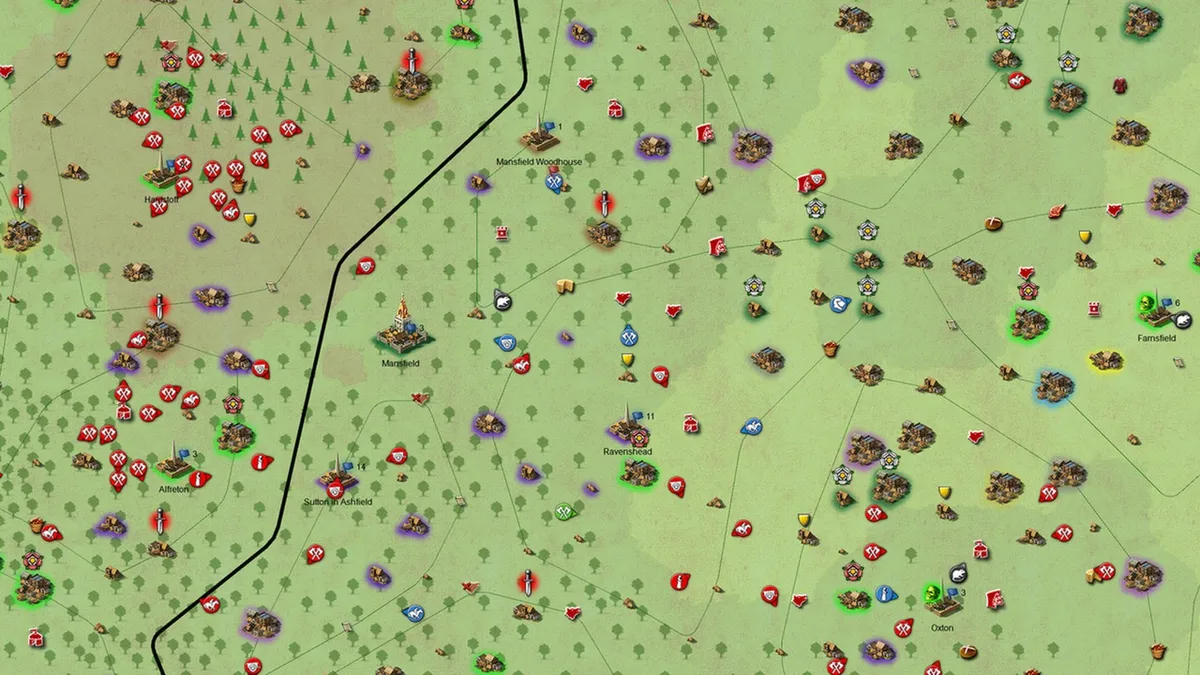
Factions and Houses organize the multiplayer layer. Player-led Houses are described alongside local Factions as the groups players band together with, and joining a faction, attacking its enemies and returning triumphant is presented as a route toward ruling over entire countries. Because the world is shared by thousands of players, this social structure is not a side activity; it is the context in which building, research and combat decisions are judged.
Modes and Access: PC and Mobile in One World
The store description states that thousands of lords play the full game together on PC and mobile, which means the same persistent world is shared across those devices. Free-to-play status is part of the official classification, and the game is also listed under the massively multiplayer and strategy genres. The platform list on this Steam entry names Windows, while the cross-device play is described separately in the store text.
Starting Guidance Backed by the Official Description
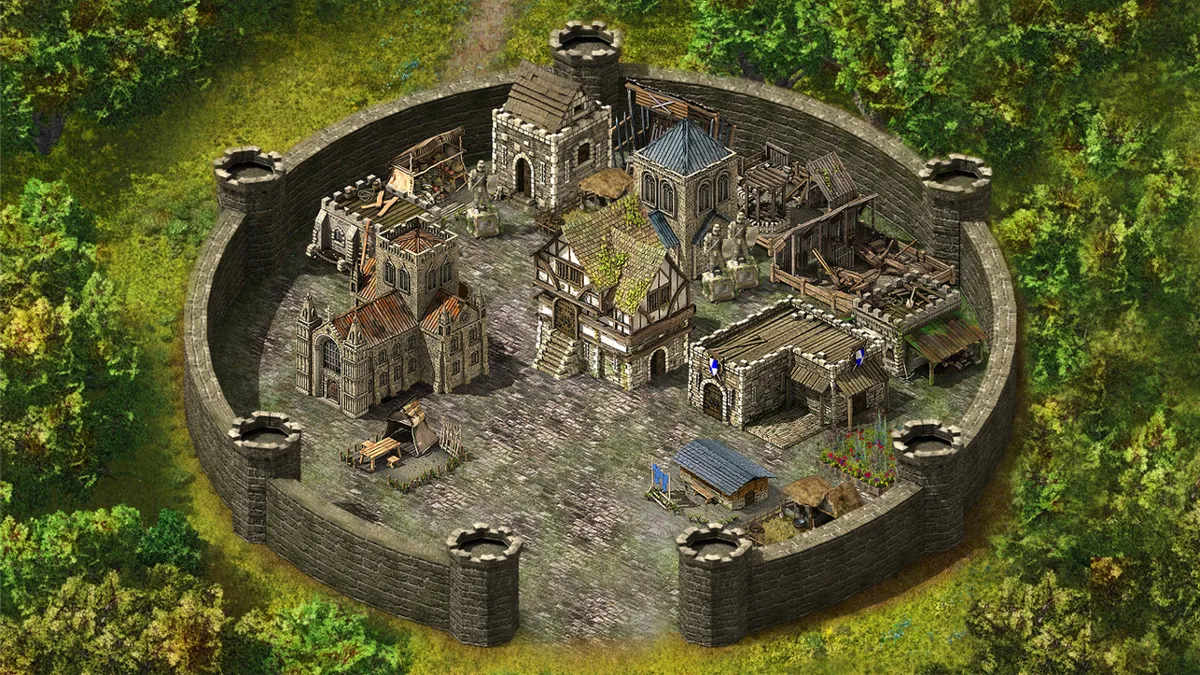
The documented starting point is a single village and a keep. From there, the text prioritizes designing and defending the castle before turning attention outward. For a new player, that ordering is the clearest source-backed guidance available: establish the stronghold, understand the defensive layer, and only then press into the wider map and its political entanglements.
Research choices are the other early decision the official material highlights. Since promotions supply research points and those points can be spent across trading, diplomacy, warfare, farming or religion, a new lord is effectively choosing an emphasis. The description frames these as specializations within a vast tech tree, so committing points in one area is part of the intended experience rather than a mistake.
Joining a faction is presented as a way to find strength in numbers and to participate in the feudal community of real players. The description ties faction membership to shared strategy discussion and allegiance-building, which suggests that a new player's experience is shaped substantially by the group they attach to. This is a description of how the game is framed rather than a tested walkthrough.
What Makes This Design Distinctive
Stronghold Kingdoms combines castle construction with a persistent, player-run feudal society. The documented mechanics are not isolated features: research specialization feeds faction contribution, faction membership shapes political standing, and military action can target an opponent's economy rather than only their walls. The result is a strategy game where non-combat roles such as farmer, trader and diplomat are presented as legitimate paths alongside the warlord route.
The scale of the shared world is another distinguishing element. Rather than a fixed campaign map, the game is described as hosting thousands of players together, with elections, liege lords and vassals forming the political fabric. That framing positions long-term social relationships, not just individual battles, as the substance of the experience.
For players interested in a castle-building game that is also a long-running multiplayer political contest, the official description lays out a clear set of supported activities: build and defend, research and specialize, join a faction, and compete with rival lords across a shared world. The exact feel of those systems, and how well they hold up today, is not something this source summary can establish; that would require direct play.
Scroll sideways to see the full table →
| Field | Detail |
|---|---|
| Game title | Stronghold Kingdoms |
| Release year (this Steam entry) | 2012 |
| Developer | Firefly Studios |
| Publisher | Firefly Studios |
| Platforms listed on this entry | Windows |
| Genres | Massively Multiplayer, Strategy, Free To Play |
| Cross-device play described | PC and mobile |
Scroll sideways to see the full table →
| Activity | What the official description says |
|---|---|
| Starting position | Begin with a single village and keep |
| Castle layer | Design and defend the castle; crush invading forces |
| Offense | Launch counterattacks; attack sworn enemies without warning |
| Sieges | Engage in castle sieges against rival lords |
| Economy | Cripple a rival's economy; pillage resources |
| Research | Vast tech tree; specialize as farmer, trader, diplomat or warlord |
| Politics | Factions and player-led Houses; elections, liege lords and vassals |
| Progression | Start as a peasant; promotions grant research points |
| Social structure | Thousands of players in a shared feudal community |
Sources & further reading.
- Stronghold Kingdoms — official game profile Retrieved Oct 11, 2026
First published .