 THE GAME ARCHIVE
Choose a job as well as a weapon
Team Fortress Classic is a multiplayer shooter in which a class choice changes what you contribute to a team. Valve's product description emphasizes different weapons, items and abilities, and that is the useful starting point for understanding the game. You are not simply selecting another character model before playing the same way. A fast runner, a heavily armed defender and a player maintaining equipment face different immediate tasks. The shared objective gives those tasks a reason to exist. This introduction concerns the original Team Fortress Classic, not Team Fortress 2 or a later community recreation.
Capture the Flag connects attack and defense
In a standard Capture the Flag match, each team tries to take the enemy flag home while preventing the same thing from happening to its own flag. That creates two simultaneous problems: how to get through the opposing defense and how to protect your own return area. You can help a capture without carrying the flag yourself, because clearing or protecting part of the route changes what the carrier can safely attempt. Before choosing a role, find the flag locations and understand where a capture is completed. The objective explains the map more clearly than a list of places to fight.
Read the map rules before repeating a routine
Not every map is a standard flag exchange. The game includes control-point formats and attack-and-defend maps, where one side captures points in sequence while the other tries to hold them. Escort maps organize play around a vulnerable VIP, bodyguards and assassins. Some flag maps also modify the basic objective. That variety makes the map briefing useful information rather than something to dismiss automatically. A plan that makes sense when protecting your own flag may contribute very little when the actual task is escorting a person or capturing the next point in a sequence.
Speed and staying power pull in different directions
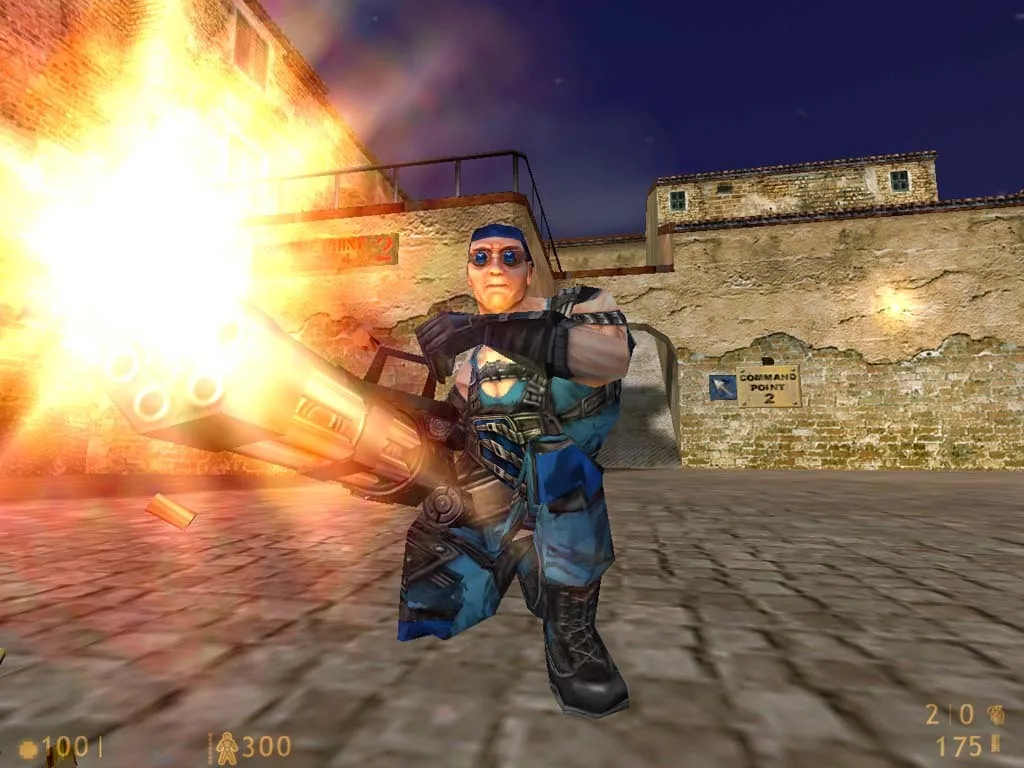
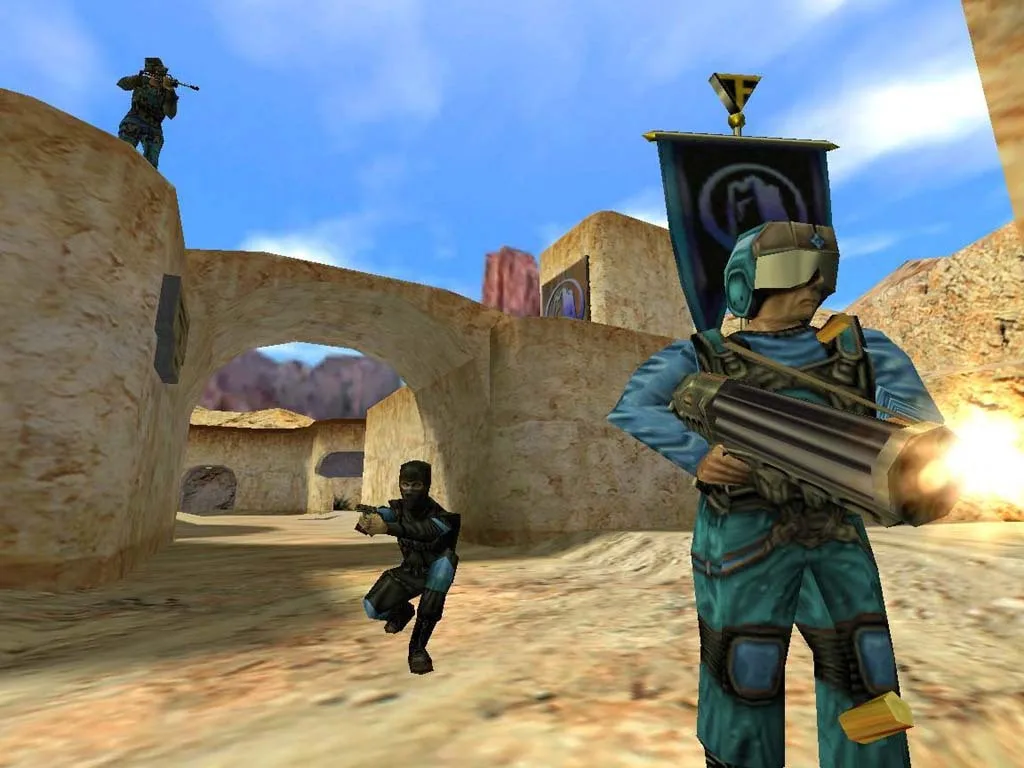
The Scout is fast but cannot absorb much punishment, while the Heavy Weapons Guy trades mobility for a powerful minigun and greater durability. The Soldier offers a rocket launcher and more protection than the lighter classes, at the cost of speed. These differences suggest different jobs. A newcomer can learn a lot by comparing a fast route-focused role with a slower defensive one on the same map. The point is not that one class is universally better; it is that surviving a direct exchange and reaching a destination quickly are different problems with different useful tools.
Support changes what teammates can attempt
The Medic's medical kit heals teammates, while the Engineer builds equipment such as sentry guns and ammunition dispensers. Those abilities change the support available around a route or defensive position. As a beginner, notice where allies repeatedly need help and connect that observation to what your class can provide. Support is easier to understand when treated as a concrete action: restore a teammate, maintain a useful position or place equipment where the team can benefit from it. It is not a separate activity detached from the objective; it affects whether other players can keep performing their jobs.
Specialist tools reward a clear purpose
The Demoman uses grenades and pipe bombs to threaten positions and set traps. The Sniper attacks from long sightlines. The Spy can disguise himself and uses a knife for attacks from behind, introducing a different kind of uncertainty to team recognition. Those tools do not ask the same questions of the player. Before trying every specialist at once, choose one action you want to understand: cover an approach, threaten a confined space or get into position for a deceptive attack. A recognizable purpose makes mistakes easier to diagnose than switching class after every death without changing the plan.
Do not import every Team Fortress 2 habit
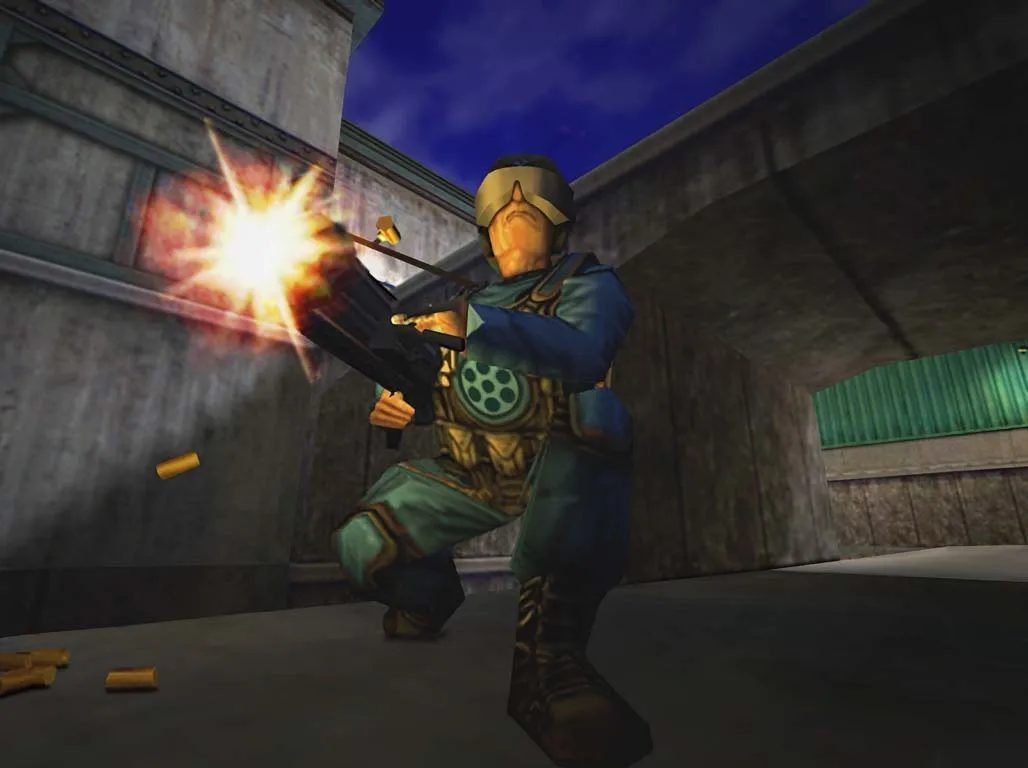
Class names can feel familiar while their abilities differ. Classic's Medic uses a close-range medical kit, rather than the later game's healing beam. Its class equipment includes grenades with different effects, and the Engineer's documented toolkit includes a sentry and dispenser. The special Civilian role belongs to escort play rather than being another ordinary combat choice. Check what the current class can actually do before relying on a remembered sequel mechanic. Looking at the class's equipment and the map objective is a better introduction than assuming the familiar name already explains the role.
A first-match plan
Join a team, read the objective and choose one class whose task you can describe in a sentence. Learn a route between a meaningful starting point and the area you need to reach or defend. Watch how teammates move through that same space, then ask whether your toolset helps them continue. After a few attempts, change one part of the plan: a route, a position or a role. This approach keeps the first session focused on the game's relationship between classes and objectives. It is introductory guidance, not a guarantee about a particular server's tactics, rules or current player population.
Sources & further reading.
- Team Fortress Classic — official game profileRetrieved Oct 8, 2026
- Official Team Fortress Wiki: community-maintained Team Fortress Classic referenceRetrieved Oct 8, 2026
First published .