 THE GAME ARCHIVE
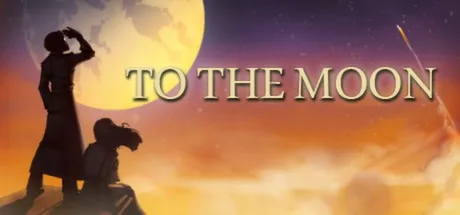
The Dying Wish: Objectives and the Two Doctors' Job
Drs. Rosalene and Watts hold an unusual occupation: they grant patients another chance to live, but the new life exists only inside the patient's head. Because the operation is severe, that constructed life becomes the last thing the patient remembers before dying. The procedure is therefore reserved for people on their deathbeds, used to fulfill what they wish they had done with their lives but did not. In this story the two doctors work to fulfill the dream of an elderly man named Johnny, whose stated wish is to go to the moon.
The job is carried out through memory traversal. Each step back in time reveals a new fragment of Johnny's past, so the documented objective advances by moving backwards through his life rather than forward through a present-day journey. The patient's wish fulfillment and the memory traversal are bound together: the doctors return through Johnny's remembered years to build toward the life he wanted, and that reconstructed life, granted at the very beginning, is meant to be his final recollection. The story follows their attempt to reach the moon wish through those past fragments.
Backwards Through a Life: Memory Traversal as the Core Loop
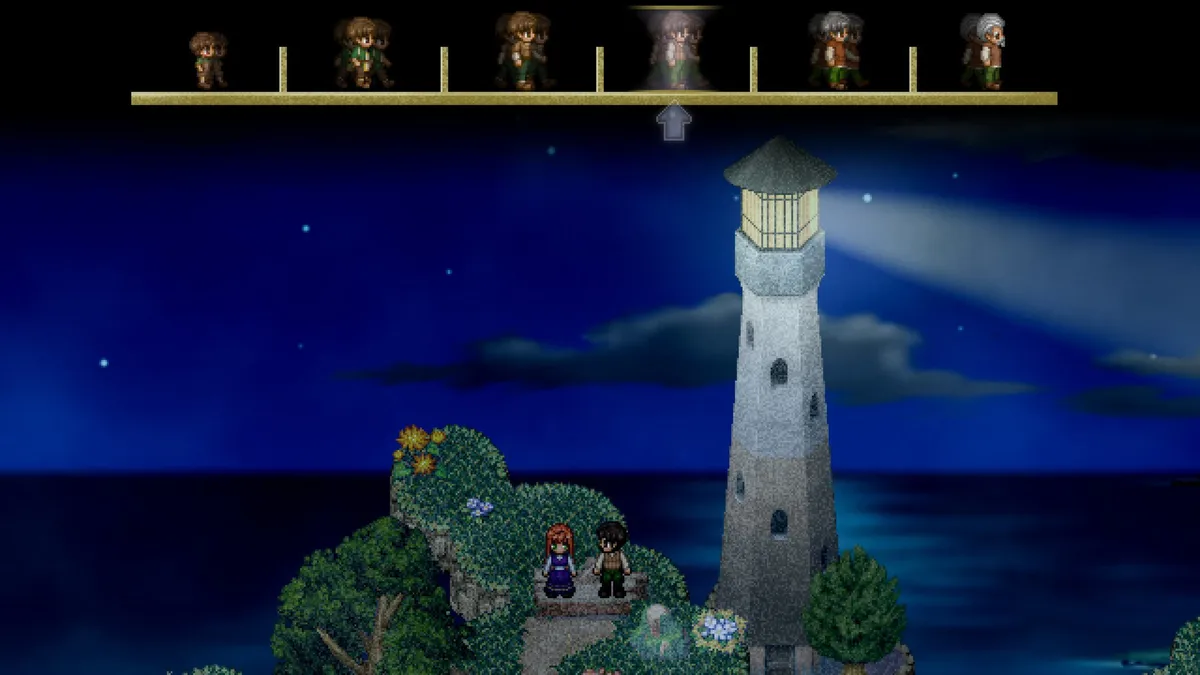
The core loop is memory traversal, and it moves strictly backward. Each step the doctors take goes further into Johnny's past, and every one of those steps uncovers another fragment of his earlier years. Progress is therefore measured in recovered memories rather than in distance covered through a present-day world. The two systems of memory traversal and time travel work as a single mechanism here: going back in time is how the doctors access the patient's history, and the revealed past is the material the operation is built on, connecting the journey to the wish the doctors are there to fulfill.
Because the loop advances by revelation, the sequence itself functions as a story puzzle: the doctors piece Johnny's life together out of the fragments each backward step exposes, and the path only continues as those pieces come into view. The aim stays fixed on the elderly man's stated dream of going to the moon, while the route toward it runs through recollections of who he was. Memory traversal, backward time travel, and fragment-by-fragment revelation are not separate features; each step back supplies the past detail the next part of the operation depends on.
No Combat, No Filler: A Story-Driven Adventure Weave
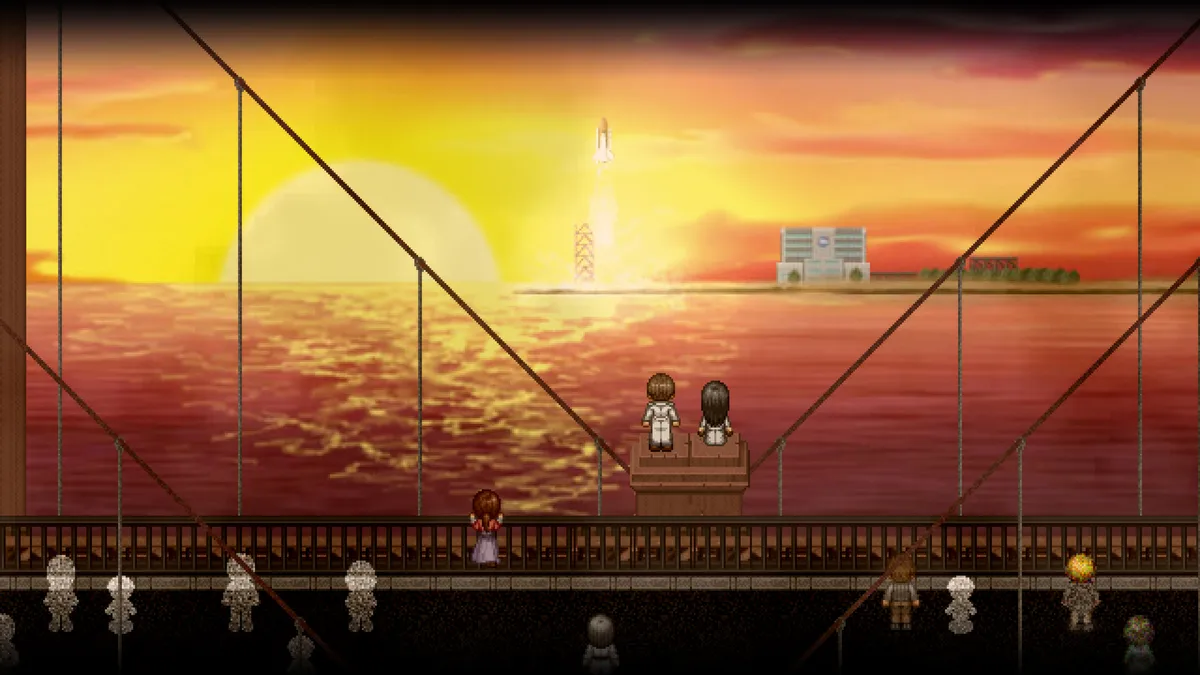
The adventure is a story-driven experience with no combat encounters. Progression occurs through memory traversal: each step back in time reveals a new fragment of Johnny's past, and the two doctors piece together puzzling events spanning a lifetime to understand why the frail old man chose his dying wish. That wish is to go to the moon, and the investigation of his history is the means by which the doctors pursue it. The structure pairs adventure game elements with classic RPG aesthetics, but the action remains non-combat and focused on uncovering the past.
The design is described as an espresso execution with zero filler and no time drains, meaning the gameplay is intended to move without padding or time-consuming detours. Since each backward step exposes a new fragment of Johnny's past, the doctors' task is to assemble those fragments into a coherent life story and locate the reason behind the moon wish. The non-combat, story-driven approach keeps the focus on that reconstruction, while the adventure elements and RPG aesthetics frame the process of piecing the puzzled events together.
Classic RPG Aesthetics Around a Non-Combat Story
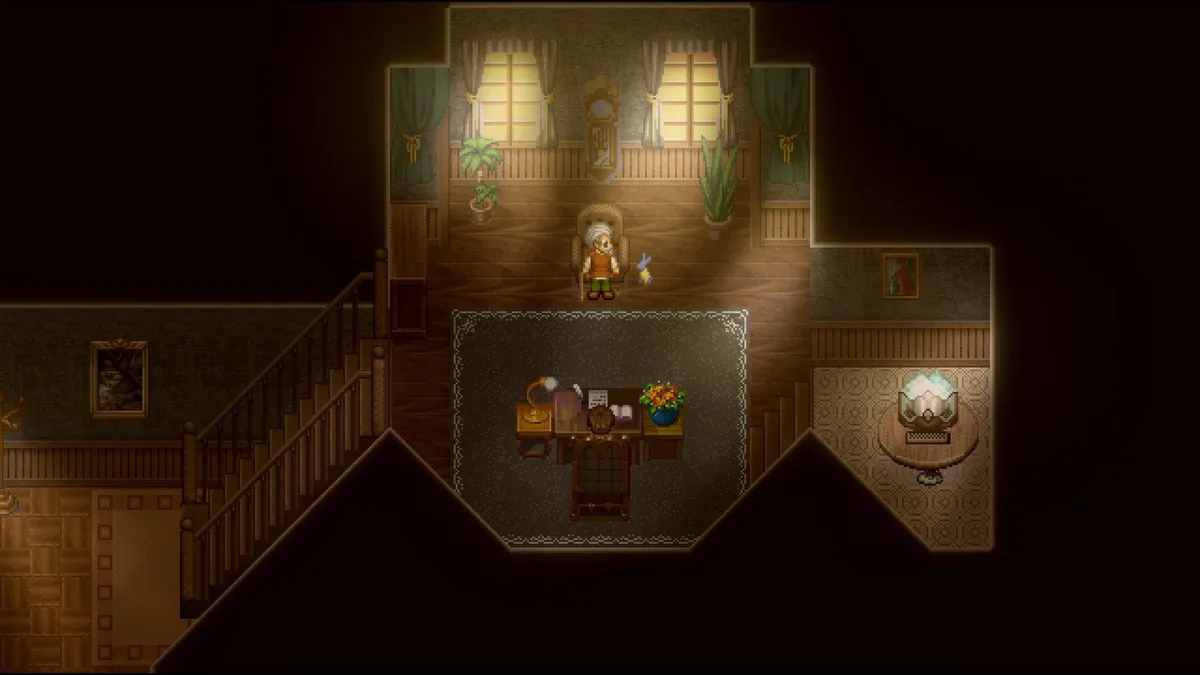
The visual and structural vocabulary of classic RPGs frames a story that never asks the doctors to fight. Adventure game elements supply the investigation: the two doctors examine Johnny's recollections, piece together puzzling events that stretch across a lifetime, and search for the reason he chose his dying wish. The RPG side is present as aesthetics rather than as combat systems, giving the memory-traversal work its look and feel while the action stays non-combat and story-driven. Every backward step reveals another fragment of Johnny's past, and the doctors assemble those fragments to explain the moon wish.
Because there are no combat encounters, the documented rules turn on revelation and assembly rather than on battles or stats. Each step back in time exposes a new fragment of Johnny's past; the doctors then fit those fragments into the puzzled events of his life, and the search for why the frail old man chose his dying wish is the goal that organizing the memories serves. The design is described as an espresso execution with zero filler and no time drains, so the non-combat, story-driven structure keeps attention on reconstructing the life behind the moon wish instead of padding the route with detours.
The Soundtrack as Part of the Play
The soundtrack is positioned as an active part of the play rather than background decoration: the official profile describes an acclaimed original soundtrack that closely ties to the story. That pairing matters because the documented loop already runs on revelation. Each step back in time exposes another fragment of Johnny's past, and the two doctors assemble those pieces while they search for why the frail old man chose his dying wish. Because the music is bound to that narrative, it accompanies the backward movement through his memories as the doctors recover each new fragment and work the recollections into the puzzled events spanning a lifetime.
That integration sits inside a story-driven experience in which the two doctors travel backward through a dying man's memories to artificially fulfill his last wish, which is to go to the moon. The soundtrack's close tie to the story means it follows the same material the doctors are uncovering: the fragments of Johnny's past revealed at each backward step. The design is also described as an espresso execution with zero filler and no time drains, and the music belongs to that compact structure, accompanying the memory work and the search for the reason behind the wish instead of sitting apart from the events being pieced together.
Sources & further reading.
- To the Moon — official game profileRetrieved Oct 25, 2026
First published .