 THE GAME ARCHIVE
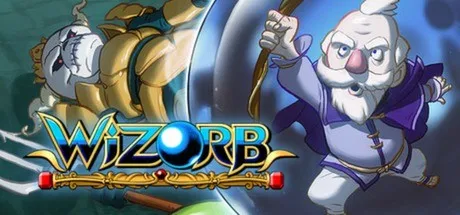
Bouncing the Orb with a Magic Wand
In Wizorb, the block-breaking play is framed around Cyrus, a wizard who practices a secret magic art. The core action is to use his magic wand to bounce an orb through the field, keeping it in play while clearing blocks. Because the same wand both deflects the orb and channels spells, the player balances positional ball control with magical support. The fantasy setting includes locations such as the monster-infested town of Clover and Gorudo Castle atop Cauldron Peak, giving the block-clearing a narrative backdrop beyond a plain playfield.
The documented rules link the wand's two roles: it bounces the orb, and it casts various magic spells. That pairing means the player is not only sweeping the wand to keep the orb alive but also choosing when to spend the magic side of the tool. Gold earned during play connects to charms, a separate currency use on top of the block-breaking. Across the campaign, the rules operate over more than 60 levels in 5 different worlds, so the same wand-bounce and spell-casting loop is carried through the town of Clover toward Gorudo Castle.
Cyrus and the Quest to Save Gorudo
The framing device for Wizorb centers on Cyrus, a wizard trained in a secret magic art. The peaceful Kingdom of Gorudo has come under threat from an evil presence, and the game positions Cyrus as the sole hope for saving the realm. That objective gives structure to the block-breaking: the wand-bounce and spellcasting loop is not just a scoring exercise but the means of pushing back the threat across a fantasy world. The documented path moves from the derelict, monster-infested town of Clover to Gorudo Castle atop Cauldron Peak.
Mechanically, the quest is carried out with Cyrus's magic wand, which bounces the orb and casts various magic spells. The setting states that danger lurks around every corner, so survival calls for keeping your wits about you and having quick reflexes. Those two wand functions run alongside the other documented systems: gold earned during play can be spent on charms, and the campaign spans more than 60 levels in 5 different worlds. Together, the save-the-kingdom objective, the two-role wand, and the gold-to-charms economy define the documented rules rather than an abstract premise.
Sixty Levels Across Five Worlds
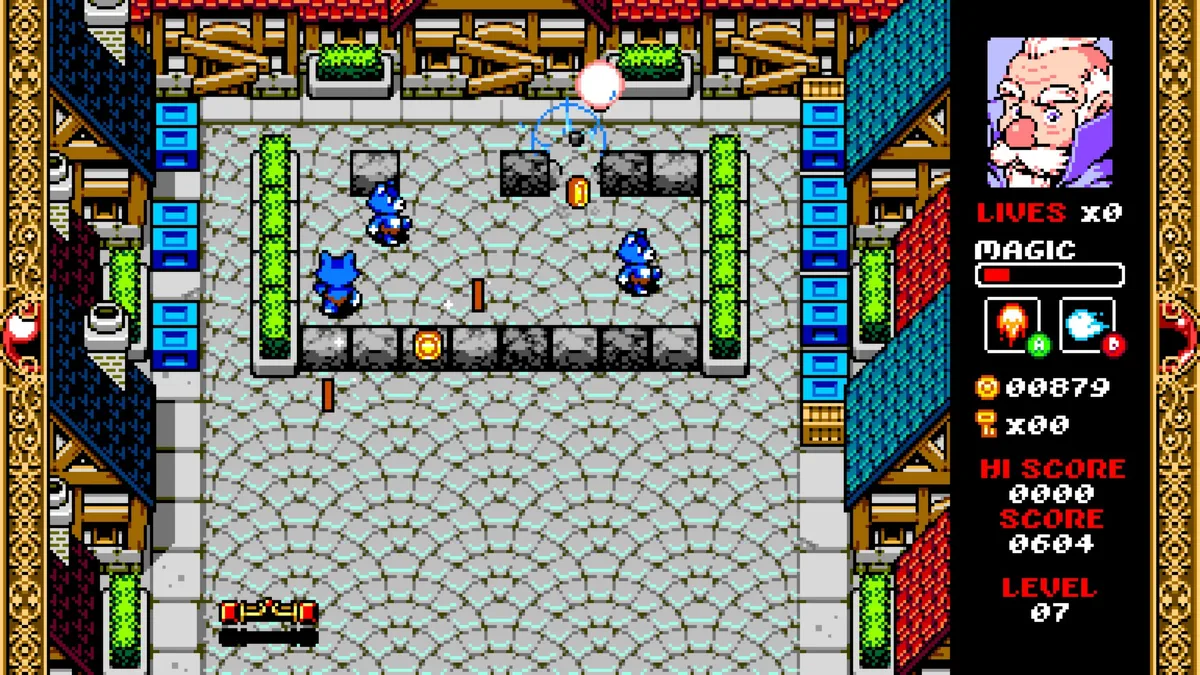
Wizorb's campaign stretches across more than 60 levels divided among 5 different worlds. The fantasy setting carries the block-clearing from the derelict, monster-infested town of Clover to Gorudo Castle atop Cauldron Peak, so each world is tied to a distinct location rather than an abstract stage select. Within each level, the magic wand serves double duty: it bounces the orb to keep play alive and casts various magic spells. Clearing blocks and surviving the perils that lurk around every corner therefore depends on quick reflexes and steady orb control.
Because the same wand handles both deflection and spellcasting, the level count and world breakdown shape how that loop repeats. Across the 5 worlds, the player keeps sweeping the wand to return the orb while deciding when to spend spells, and gold earned during play feeds into buying charms. The documented journey runs from Clover to Gorudo Castle atop Cauldron Peak, giving the more than 60 levels a geographic progression. Each world's block layouts sit against those named settings, and the wand remains the single tool for bouncing and casting throughout.
Gold, Charms, and Rebuilding Homes
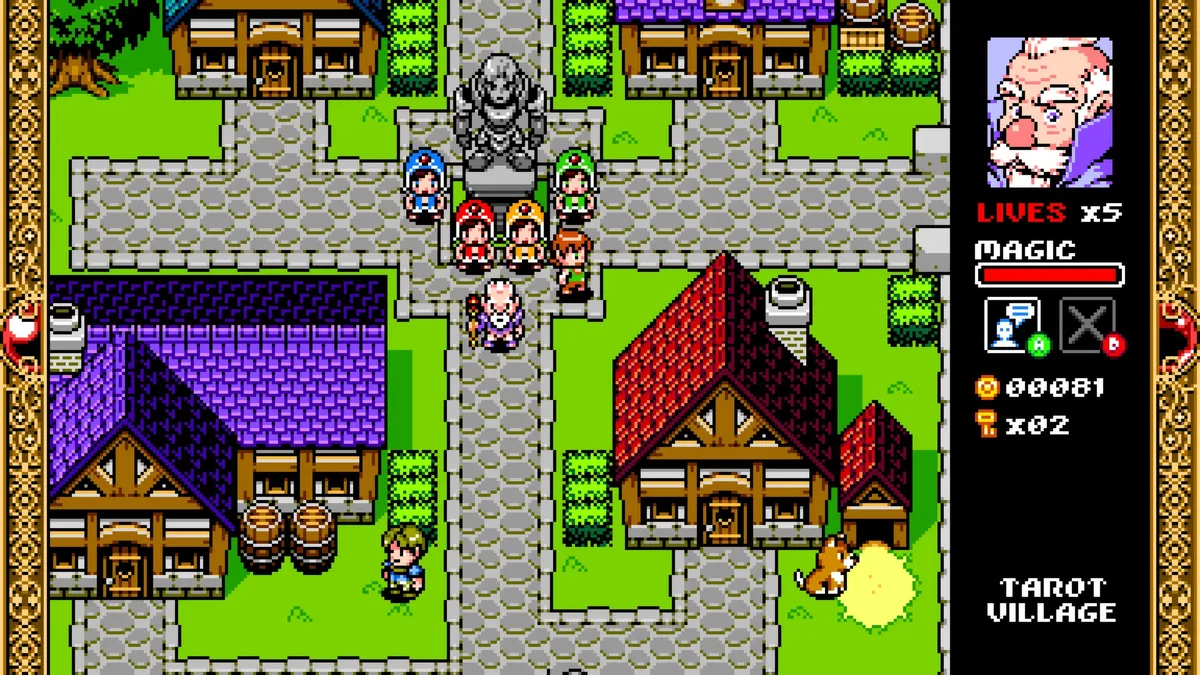
Gold in Wizorb is earned during play, and it feeds two distinct uses. The first is buying charms, a separate purchase option layered on top of the wand-bounce and spellcasting loop. The second is helping the citizens rebuild their homes, a town-rebuilding objective tied to the same currency. Because both draw from one pool, the gold you accumulate exists alongside the block-clearing and can be directed toward charms or reconstruction according to the documented rules.
Charms function as a gold sink separate from the rebuilding effort. The player earns gold, then chooses whether to purchase charms or contribute to the citizens' home reconstruction. This dual purpose gives the gold economy a role beyond simple accumulation, linking the fantasy quest to both personal upgrades and the town of Clover's recovery. No further charm effects or rebuilding outcomes are documented, so the interaction stays at the level of spending gold on one or the other.
Boss Fights and Multiple Endings
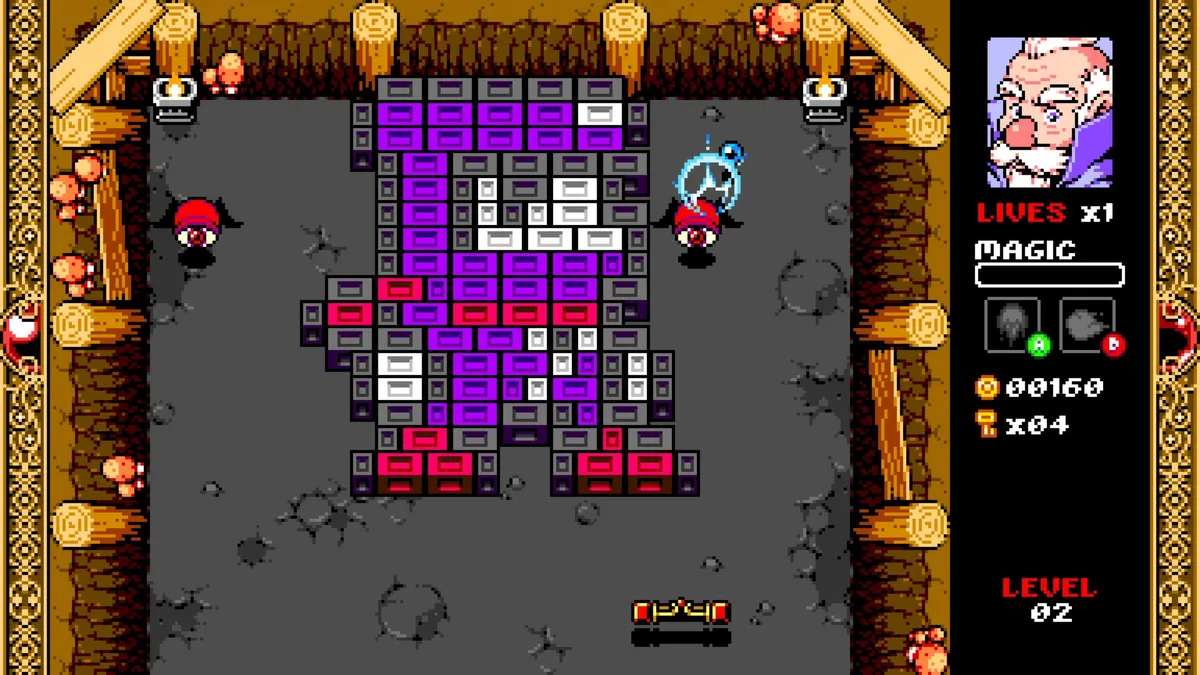
Boss encounters punctuate the campaign rather than replacing its block-clearing rules. The same magic wand still bounces the orb and casts various magic spells, so a boss fight is another arena where the player keeps the orb in play while deciding when to spend magic. Across more than 60 levels in 5 different worlds, these fights mark progress through the journey from the town of Clover to Gorudo Castle atop Cauldron Peak. The documented gold economy continues alongside: gold earned during play can buy charms or help citizens rebuild their homes.
The outcome of the quest is not fixed to a single conclusion, because multiple endings are documented. That makes the path through the 5 worlds, with its boss fights and its gold spending on charms or home reconstruction, the run that carries the player toward one of those endings. The wand remains the constant tool throughout: one function returns the orb, the other casts various magic spells, and both stay in use from Clover to Gorudo Castle. No specific ending conditions are documented, so the endings remain a stated feature of the campaign structure.
Sources & further reading.
- Wizorb — official game profileRetrieved Oct 26, 2026
First published .