 THE GAME ARCHIVE
Seven Campaigns, Forty-Nine Missions
Air Conflicts: Secret Wars is an arcade flight simulation framed around World War I and World War II. The structured campaign content spans seven campaigns containing forty-nine missions in total. Each campaign is built upon a resistance movement of the Second World War, giving the mission set a specific historical anchor rather than a generic tour of the conflict. The game also advertises more than sixteen individual aircraft that can be piloted, drawing from both the First and Second World War settings, so the roster bridges the two eras the simulation covers.
Across those missions, objectives vary: patrolling, sneaking, hit-and-run attacks, bombing and escorting are all documented mission tasks, presented as dialogues between different characters. The wider mission design is described as providing combat, stealth and exploratory play, with actions such as machine-gunning enemies, dogfighting, bombing ground targets, and rocketing ground troops and enemy vehicles. In practice a sortie can shift between those demands, and the objective briefings delivered through character conversations set out what each flight asks of the pilot.
Patrol, Sneak, Bomb, Escort: Sorting Out the Objectives
Within the forty-nine missions of the seven campaigns, the task list is not limited to straight combat. Documented objective types include patrolling, sneaking, hit-and-run strikes, bombing and escorting, so a single sortie can be built around a raid that ends quickly, a flight that must stay unobserved, or a formation that has to be shielded. These objectives are delivered as dialogues between different characters, meaning the brief for each flight reaches the pilot through conversations rather than a detached menu line, tying the assignment to the people issuing it.
The actions available during those missions back up the objective types. Pilots machine-gun enemies, dogfight opposing aircraft, bomb ground targets, and rocket ground troops and enemy vehicles, covering both air-to-air and air-to-ground work. The mission set as a whole is described as offering combat, stealth and exploratory play, which matches the spread from sneaking objectives to bombing runs and patrols. Because the aircraft are chosen before takeoff, each with different strengths and weaknesses, the plane selected has to suit whichever objective the dialogue has set for that flight.
Picking a Plane: Sixteen Aircraft Across Two Wars
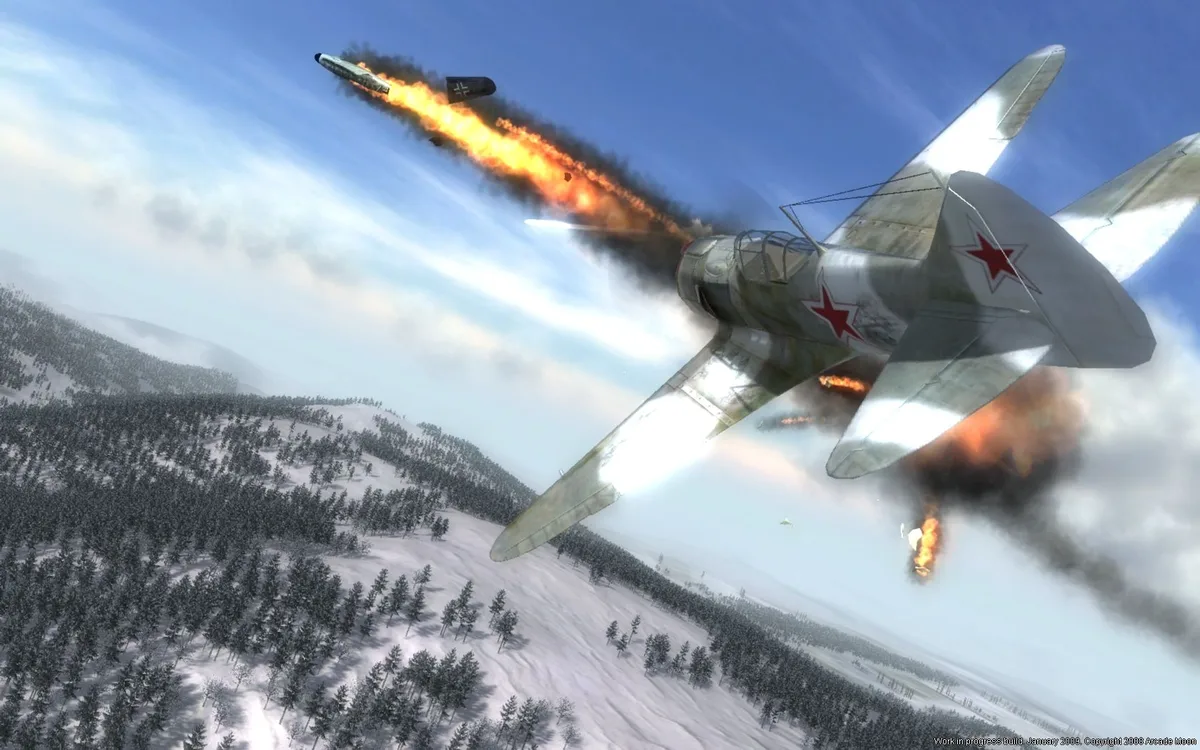
Aircraft selection happens before takeoff, and the game offers more than sixteen individual planes to choose from. The roster draws on both the First and Second World War settings, so the same hangar spans the two eras the simulation covers. Each aircraft carries different strengths and weaknesses, which means the choice is a trade-off rather than a cosmetic pick. Because every objective type is flown in whatever plane was selected beforehand, the strengths and weaknesses of a given model shape what a sortie can reasonably ask of the pilot.
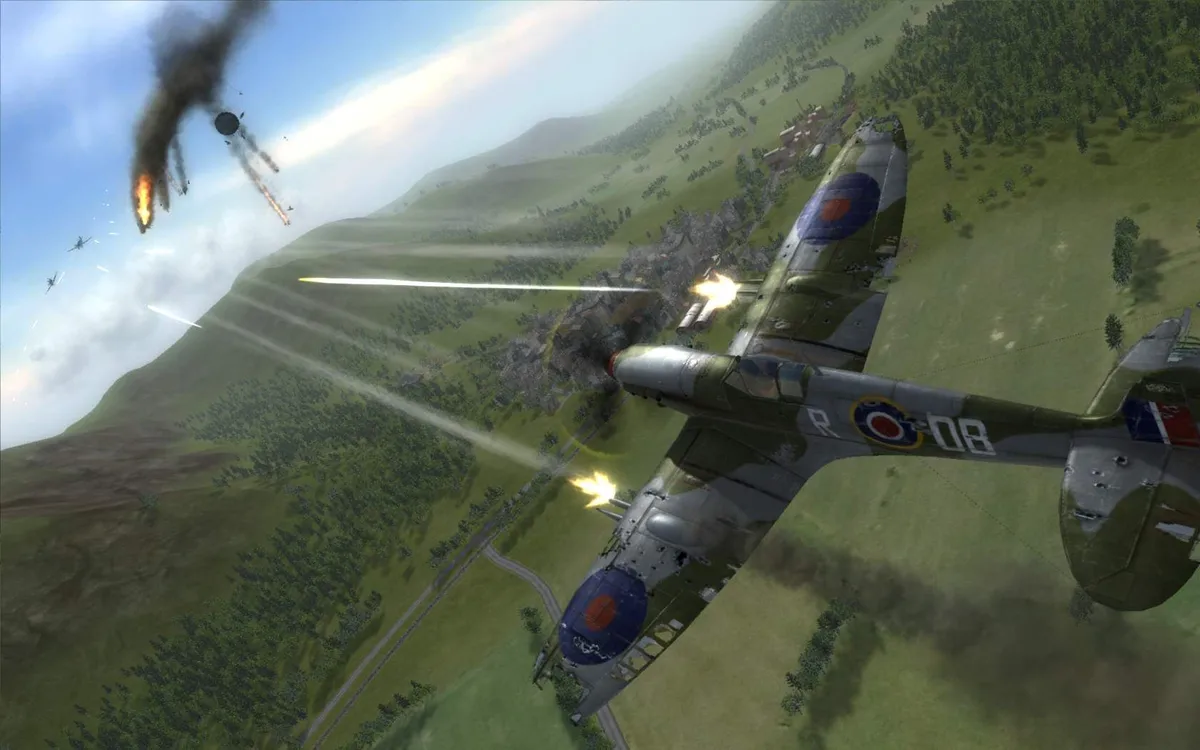
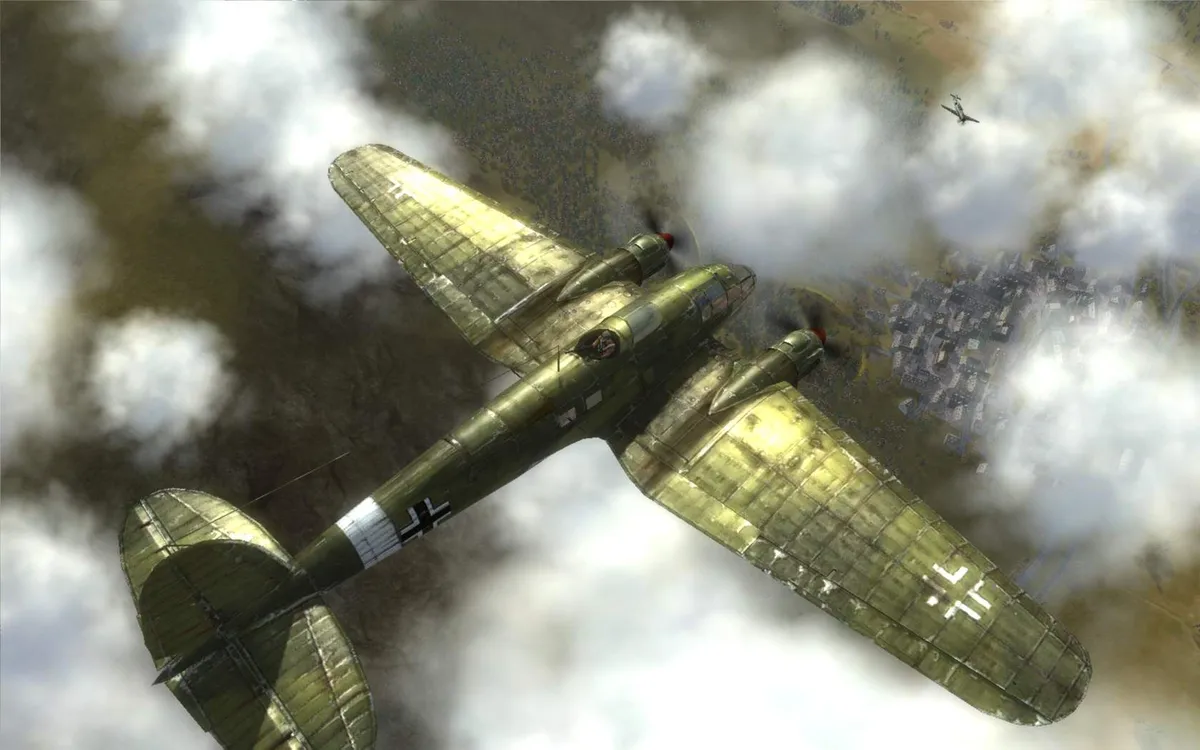
The flying itself takes place over more than twenty different landscapes, and each one is detailed with period precision. That detail ties the map set to the same two-war framing as the aircraft roster, so the ground below matches the era of the plane above it. The distinct landscapes give the forty-nine missions a varied set of backdrops rather than a single repeated environment. Aircraft variety and landscape variety therefore sit side by side: the player picks a plane from a mixed-era roster and flies it across individually crafted period terrain.
Skill Upgrades Between Sorties
Skill upgrades are not handed out freely; they become available after some missions have been completed. At that point the pilot can raise one of three named skills, and only one of them is upgraded at a time. The first is maneuver, which makes the airplanes easier to maneuver. The second is endurance, which gives more endurance. The third is wingman, which boosts the wingman. Because the choice is limited to a single skill per opportunity, the upgrade decisions are made between sorties, then carried into the next flight alongside the plane that was selected before takeoff.
The three skills map onto different parts of a flight. Improving maneuver affects how easily the airplanes can be handled; endurance extends how long the aircraft can keep going; and the wingman boost strengthens the accompanying ally. These upgrades sit alongside the two control schemes, arcade and simulation, so the handling that maneuver improves is the same handling the control-scheme choice shapes. They also sit alongside the pre-takeoff aircraft choice, where each plane brings different strengths and weaknesses. The skill selected between missions therefore adds to the plane and control scheme already in use rather than replacing them.
Two Control Schemes, Two Input Options
Air Conflicts: Secret Wars gives the player two control schemes to choose between before flying. Arcade is the simpler option, described as making the game easier to control. Simulation sits at the other end, offering more options for controlling the aircraft, so the scheme a player selects changes how much control input the flight model puts in their hands. That choice frames how every sortie is handled, whether the mission calls for a quick hit-and-run strike or a longer escort flight.
Alongside the scheme choice, the player picks how to steer the aircraft: mouse and keyboard, or a gamepad. These two input methods apply to flying, and they sit together with the arcade and simulation split rather than replacing it. So the setup combines a device decision with a handling decision, and the simulation scheme's extra control options are available on whichever device the player uses. Both schemes and both input options belong to the same flight controls the player works with during a mission.
Local and Online Multiplayer for Four
Beyond the seven campaigns and forty-nine missions, Air Conflicts: Secret Wars lists several multiplayer modes as a separate part of the package. These modes support up to four players, and the same four-player limit applies whether the session is played locally or over the internet. The two settings are presented side by side in the game's feature summary, so local play and internet play are both documented routes into the multiplayer side of the game rather than one being a substitute for the other.
The multiplayer description sits apart from the campaign material, which covers the seven resistance-based campaigns, the skill upgrades, and the arcade and simulation control schemes. Within the multiplayer listing itself, the local and internet options share one player count of up to four, so a full session is capped at four participants in either configuration. The documented multiplayer content is therefore framed by two variables only: where the players are connected, and how many of them can join.
Sources & further reading.
- Air Conflicts: Secret Wars — official game profile Retrieved Oct 17, 2026
First published .