 THE GAME ARCHIVE
A Galaxy of Jobs and Non-Linear Missions
Set in the year 2938, X3: Terran Conflict frames its job system around the meeting of the X Universe and Earth, where flourishing trade sits alongside friction among diverse races, cultures, and life forms. That tension produces mistrust and open conflict to overcome, and the game's structure leans on non-linear missions rather than a single enforced sequence. The design is described as offering more jobs and non-linear missions than ever before, so the player's activity is distributed across many discrete tasks in a large shared setting.
Those tasks play out in what the game calls the largest X Universe ever, a setting shared with the new Terran faction drawn from Earth. Non-linear missions and the expanded job pool coexist with the trading life and intercultural clashes that define the 2938 backdrop. Because the encounters are not strung along one path, the available work and the tensions between races and cultures are presented as parallel elements of the same galaxy rather than as a staged campaign with a fixed order.
Boarding Battleships and Managing Fleets
Fleet actions in X3: Terran Conflict center on a new group management tool that lets the player organize ships into groups and direct them as formations rather than handling each vessel separately. The same interface layer was redesigned for comfortable control by mouse, keyboard, and joystick, so the commands that assemble and move a group are available through whichever input device is in use. Grouping ships this way gives the player a working structure to command when multiple craft operate together in the shared galaxy.
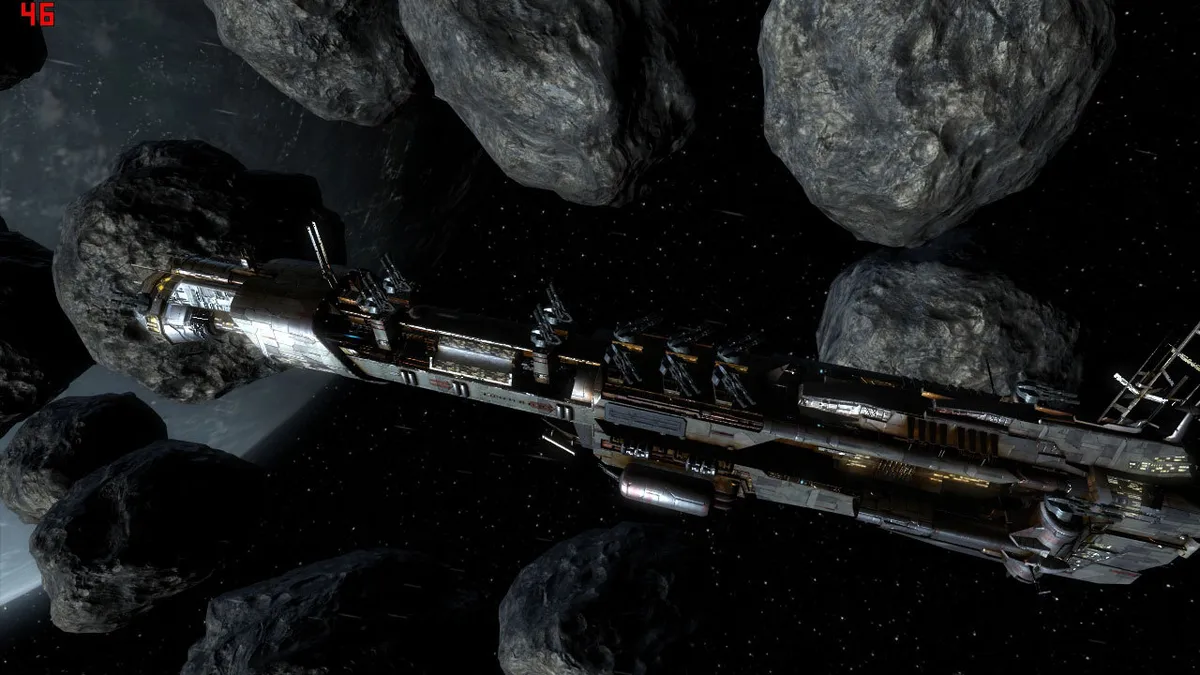
Boarding is handled by an outside team: large battleships can be boarded from beyond the hull rather than captured through direct ship-to-ship combat alone. The rule sits alongside the fleet tools, since the boarding operation is a distinct action directed at a capital vessel while the player's other ships remain under group command. Together, the group management tool and the outside-team boarding rule give capital-ship encounters two concrete pieces of procedure: organize the fleet, then send a team onto the battleship.
New Ships, Ship Classes, and Weapon Systems
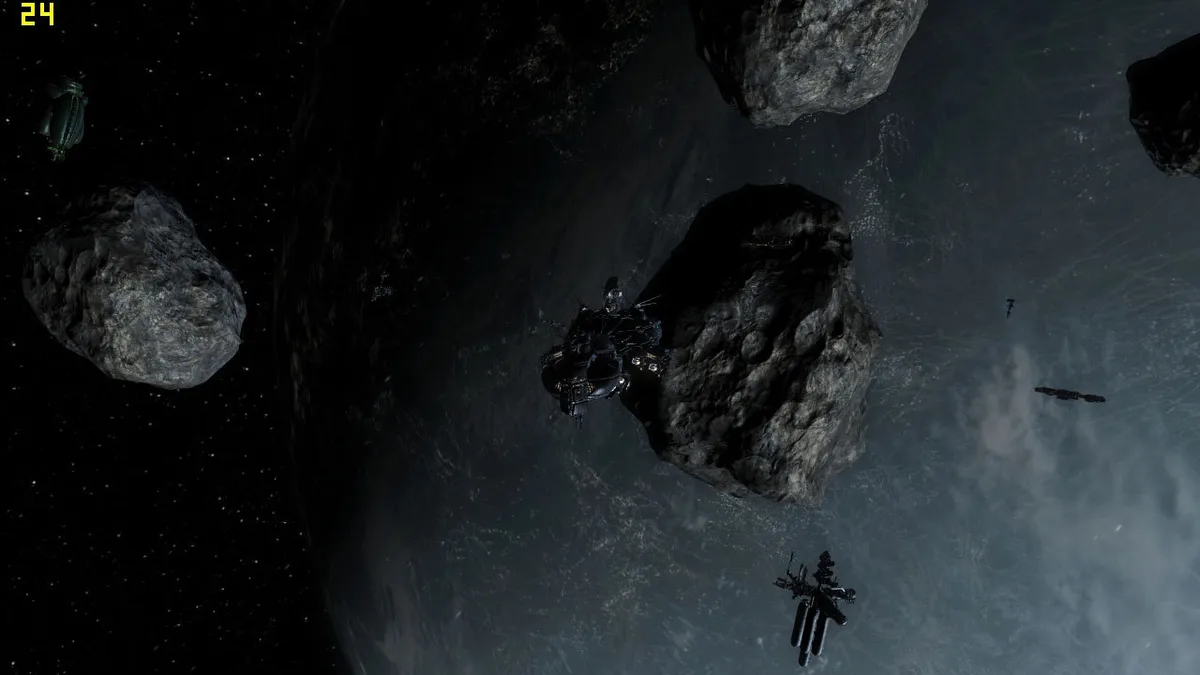
X3: Terran Conflict expands its fleet roster with more than 100 new spaceships and ship classes, adding fresh hulls and roles to the shared galaxy of 2938. Alongside these vessels, the game introduces new weapon systems that equip the expanded ship lineup. The additions sit within the same setting where non-linear missions and a large job pool distribute activity across the universe, so the new ships and weapons feed into that broad task structure rather than a linear campaign.
The ship and weapon additions are paired with a redesigned user interface built for comfortable control by mouse, keyboard, and joystick. A new group management tool lets the player organize several ships into formations and direct them together. In capital encounters, large battleships can be boarded by an outside team, a procedure distinct from direct combat. The rules combine into a sequence: assemble vessels into a group, command the formation, and dispatch a boarding team onto an enemy battleship.
The Terrans, Earth, and a Tense 2938
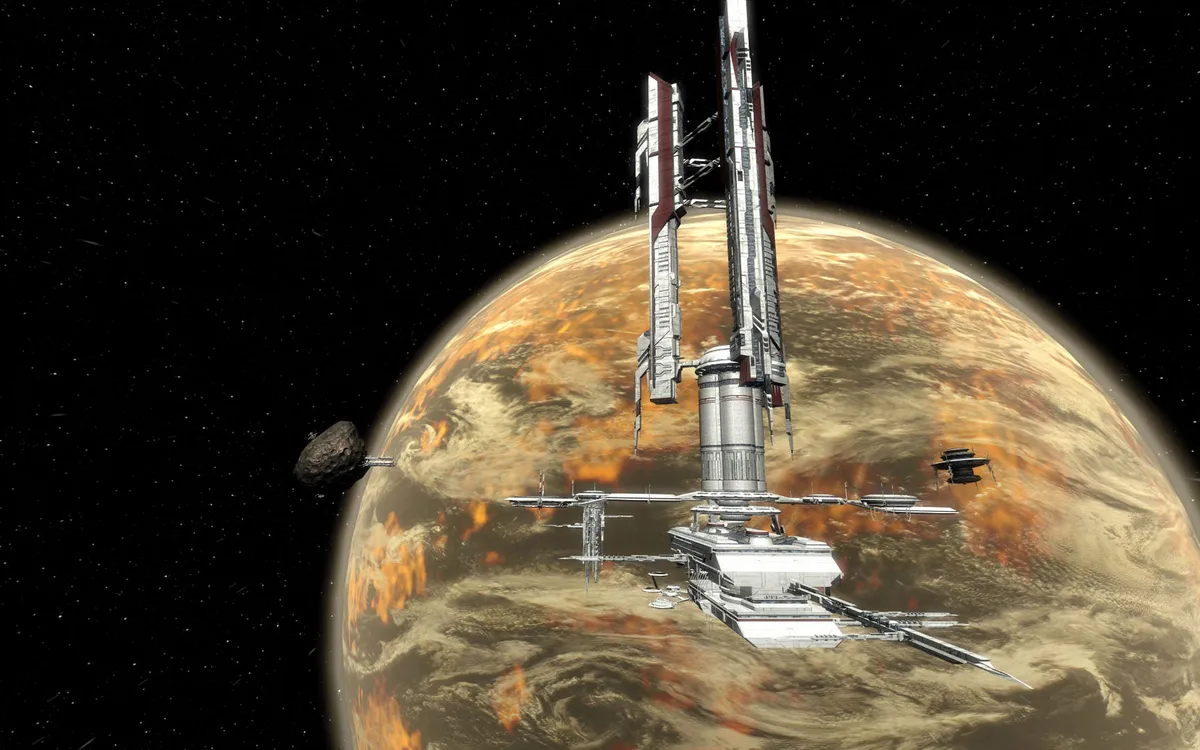
The Terrans, inhabitants of Earth, enter the X Universe as a new faction in the year 2938, and their arrival is framed as a long wished-for encounter between the two peoples. That meeting carries both joy and sorrow for the people involved, because flourishing trade does not prevent friction from building between the diverse races, cultures, and life forms that share the galaxy. Instead, the clash among those groups produces new tensions, mistrust, and open conflict that need to be overcome, so the Terran presence sits inside a setting where commerce and hostility run alongside each other.
The setting places the X Universe and Earth in direct encounter, and the Terrans themselves are identified as the inhabitants of Earth, tying the new faction to that meeting. The documented backdrop divides the experience between prosperous exchange and the mistrust and conflict that arise from many races, cultures, and life forms coming together. This tension is not resolved by the trade alone; overcoming it is presented as part of the game's situation. The year 2938 dates that encounter, and the Terrans stand as the faction drawn from Earth within it.
The X-Trilogy Climax on Windows, macOS, and Linux
Released in 2008, X3: Terran Conflict was developed and published by Egosoft and carries the genre labels action, simulation, and strategy. Those labels describe the mix of direct space combat, economic and flight simulation, and fleet command that runs through the shared galaxy of the year 2938. Within that setting, the game distributes activity across a broad pool of jobs and non-linear missions rather than a single enforced sequence, so trading, fighting, and mission work sit side by side in one large universe populated by diverse races, cultures, and life forms.
The trilogy's climax shipped for three supported host systems: Windows, macOS, and Linux. Those three platforms are the documented scope of the release, and the same game content, from the non-linear mission structure to the group management tool and the outside-team boarding rule for battleships, belongs to that single package. The platform line-up describes where the game is played; it does not change the mechanics the player meets once the simulation begins in the 2938 X Universe.
Sources & further reading.
- X3: Terran Conflict — official game profile Retrieved Oct 17, 2026
First published .