 THE GAME ARCHIVE
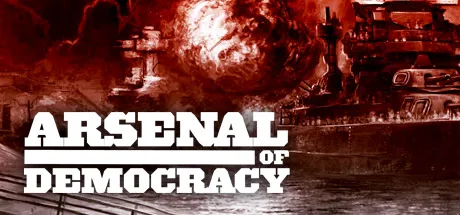
Arsenal of Democracy: A Hearts of Iron Game is a Windows strategy title from developer BL-Logic, published by Paradox Interactive. Its premise is expansive: the campaign runs from 1936 to 1964, and you can play as any nation during the era of World War II rather than being locked into a fixed roster of major powers. Within that open roster, you are charged with rewriting history as the head of state across a variety of single-player and multiplayer scenarios.
What distinguishes the design is breadth: it pairs a detailed economics model with separate models for diplomacy, research and intelligence. The publisher presents it as classic Hearts of Iron gameplay improved with a fine-tuned technology tree, refined balance, advanced statistics and polished graphics. That combination of a long timeline, an open nation list and several parallel simulation systems is the core of what the player actually manages.
Choosing and Shaping Your Nation
Your first real decision is which nation to take into the 1936–64 span. Because the game lets you play as any nation during the WW2 era, the strategic puzzle changes with your starting position: a major power and a minor state are playing different games with the same rules. The timeline is long enough that a campaign outlasts the war itself, so the nation you pick is a commitment to a decades-long trajectory.
Your second decision is what kind of country you are running. The game lets you determine your country's national identity, social policy and ethnic culture. Rather than inheriting a fixed political character, you set these elements yourself, which means the identity of your nation is part of the strategy you author. This makes the choice of nation only half of the setup; the other half is the political and social profile you give it.
Scenarios are offered for both single-player and multiplayer, so the same nation-building and campaign framework supports solo play and shared sessions. The publisher frames the whole exercise as rewriting history as the head of any nation during World War II, which is the clearest statement of what the player is doing across modes.
Land, Sea and Air Combat
Warfare is fully represented with all three branches of operations: land, sea and air. Combat is not reduced to one abstract clash but is modeled across ground, naval and aerial forces. When you plan an offensive, you are working with a system that distinguishes these branches and expects you to engage with each.
The combat model rests on advanced mechanics based on historical research and the work of military theorists. That stated foundation matters to how you approach a fight: engagements are meant to reflect a studied model of how forces meet and destroy one another, and the goal the publisher names is to destroy your foes on land, sea and air. Refined balance is part of the package, so the numbers behind these contests have been tuned rather than left raw.
Advanced statistics support the combat layer, giving the player detailed numbers behind the fighting. Combined with the three-branch model, that means a commander weighing an operation has data to reason about rather than only a single outcome score. The publisher's emphasis on using these mechanics to destroy your foes across land, sea and air frames combat as the payoff of the systems you have built elsewhere.
Economics, Logistics and Trade
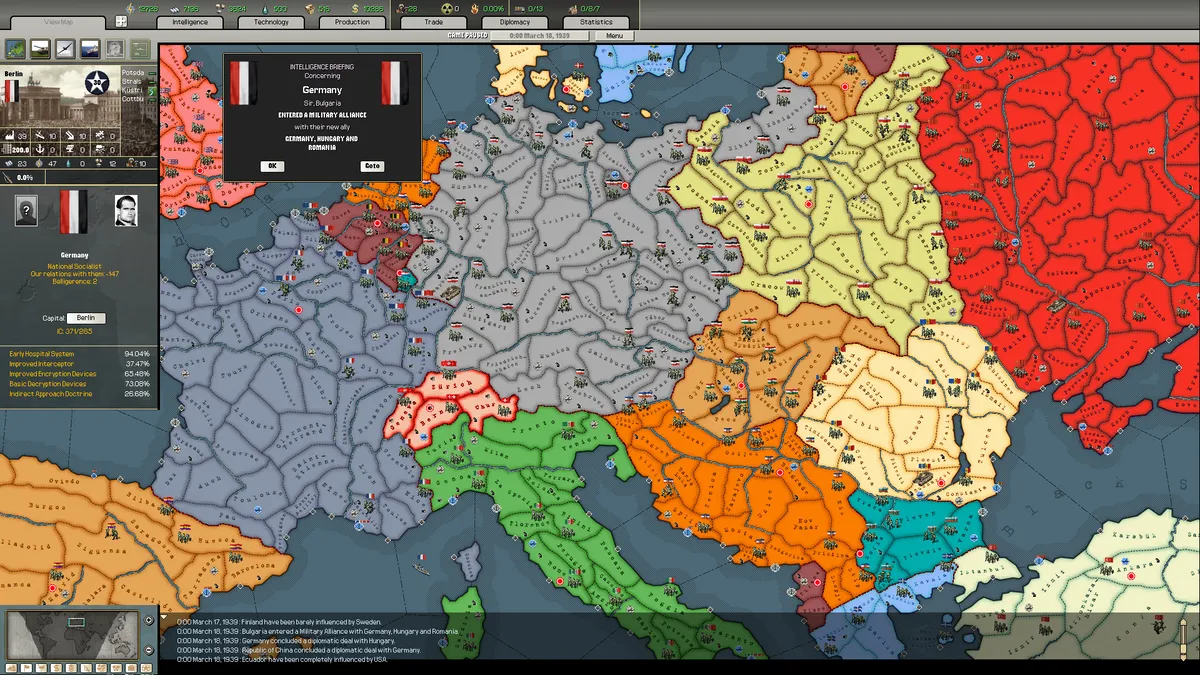
The economic side is built on a detailed economics model, and the publisher describes the game as offering the most detailed and flexible economic and production systems of the series. That is a strong claim, but it tells you where the design weight sits: production and economics are first-class systems you are expected to master, not background bookkeeping.
Sustaining a war effort depends on realistic logistics and a trading subsystem. The publisher's phrasing is that you keep your war efforts operating smoothly with these tools, which makes logistics and trade the operational backbone of a campaign. Trade moves goods and logistics moves them onward, so the economic model does not stand alone; it feeds the fronts where your combat branches are fighting.
Global trade is named alongside espionage, intelligence and diplomacy as a way to give your nation a decisive edge. Read together with the economics and logistics claims, the intended loop is clear in outline: you produce through the economic system, you trade to gain advantage, and you keep operations running through logistics. The player who ignores any one of these links is leaving part of the documented toolkit unused.
Diplomacy, Intelligence and Espionage
Diplomacy is one of the detailed models the game ships with, standing beside economics, research and intelligence. In practice this means statecraft is a system you actively work, not a backdrop to the fighting. Engaged alongside global trade, diplomacy is one of the levers the publisher says can give a nation a decisive edge.
Intelligence is modeled in its own right, and espionage sits alongside it as a tool for advantage. The publisher groups espionage, intelligence, diplomacy and global trade into a single statement about gaining a decisive edge, which suggests these are complementary levers rather than separate hobbies. For a player, that means the information and influence game runs in parallel with the shooting war.
Research and the Technology Tree
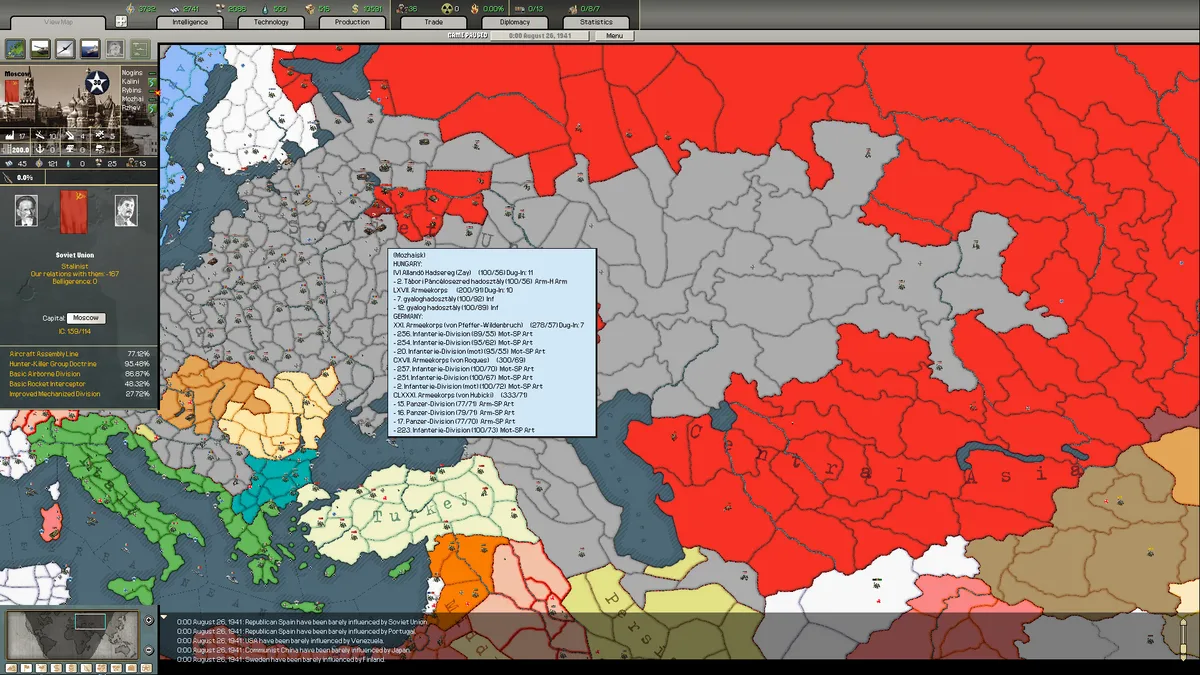
Research is a dedicated model in the same family as economics, diplomacy and intelligence. Advances are organized through a fine-tuned technology tree, which is the game's stated improvement over the classic Hearts of Iron formula. Because research is modeled separately, scientific progress is a track you manage on its own terms while the other systems continue around it.
The fine-tuning matters for how a campaign unfolds: a technology tree shapes the order in which advances become available, and the publisher singles it out alongside refined balance and advanced statistics as a deliberate improvement. Research is therefore the long arc of your campaign, sitting under the shorter-term decisions about economy, diplomacy and combat.
Modding and Map Creation
Beyond the scenario roster, the game carries extensive modding capabilities. You can create your own campaigns, units, countries, minister traits and national ideas. These are the specific, named categories the publisher documents, and together they cover both the content of a scenario and the finer building blocks such as ministers and national ideas.
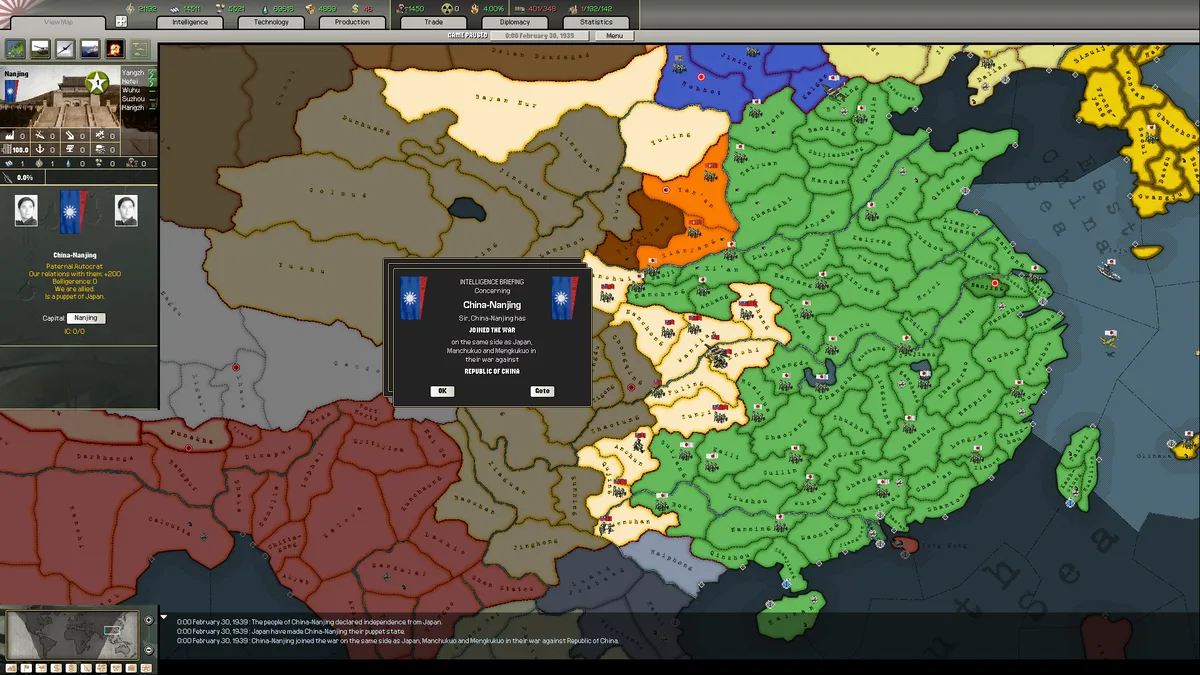
Map creation is also opened up: the province limit has been removed, so you can build your own maps without limitations. That is a concrete change to what a would-be mapmaker can attempt, and it sits naturally with the campaign-creation tools. For players who want to build rather than only command, modding is a documented part of the package.
How the Systems Work Together in Play
The documented systems imply a clear mental model for a campaign. On the strategic layer you hold four parallel models — economics, diplomacy, research and intelligence — and each is detailed in its own right. On the operational layer you keep the war effort running with logistics and trade, and on the tactical layer you fight across land, sea and air using combat mechanics grounded in historical research and theorist work.
Because these are separate models rather than one merged score, the meaningful decisions are trade-offs between them. Spending effort on the economic and production systems builds the material base; investing in the technology tree shapes what that base can field over the 1936–64 span; and attention to diplomacy, intelligence and espionage aims at gaining a decisive edge without fighting. The combat and logistics layers are where those investments are tested.
The publisher's own shorthand — classic Hearts of Iron gameplay improved with a fine-tuned technology tree, refined balance, advanced statistics and polished graphics — is a fair guide to the experience. You are not learning a radically new interface but a refined version of a known grand-strategy formula, now with the open nation choice, long timeline and customization the store describes. Advanced statistics back up the refined balance by giving you numbers to read.
Source-Backed Starting Advice
Pick your nation deliberately. The open roster means the country you choose defines your starting problem, so decide whether you want the responsibility of a major power or the constraints of a smaller state before the campaign begins. Then set national identity, social policy and ethnic culture as the political foundation you will operate from.
Treat the economy and logistics as the base everything else sits on. The publisher calls the economic and production systems the most detailed and flexible of the series and pairs them with realistic logistics and trade, so early attention there pays off across the whole campaign. Layer research into that base through the fine-tuned technology tree, and do not neglect diplomacy, intelligence and espionage, which the store presents as routes to a decisive edge.
Scroll sideways to see the full table →
| Field | Detail |
|---|---|
| Game | Arsenal of Democracy: A Hearts of Iron Game |
| Developer | BL-Logic |
| Publisher | Paradox Interactive |
| Platform | Windows |
| Genre | Strategy |
| Timeline | 1936–64 |
| Players | Any nation during the WW2 era; single-player and multiplayer scenarios |
Sources & further reading.
- Arsenal of Democracy: A Hearts of Iron Game — official game profile Retrieved Oct 19, 2026
First published .