 THE GAME ARCHIVE
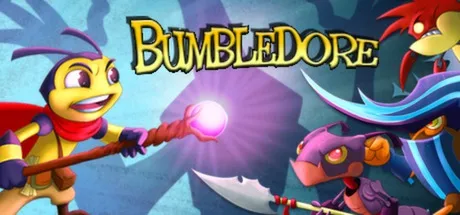
Defending Honeyhold: Repelling Beezelbug's Horde
The goal in Honeyhold Keep is straightforward: repel Beezelbug's horde and keep the hive from annihilation. Beezelbug returns from distant travels and dark teachings with an army of ferocious bugs whose greedy minds are fixed on magical power. Since the master wizard Bumbledore has gone missing, the defense falls to the player alone in a single-player mode. Each stage asks for a game plan built around enemy weaknesses, with spells aimed carefully for maximum impact rather than fired blindly into the swarm.
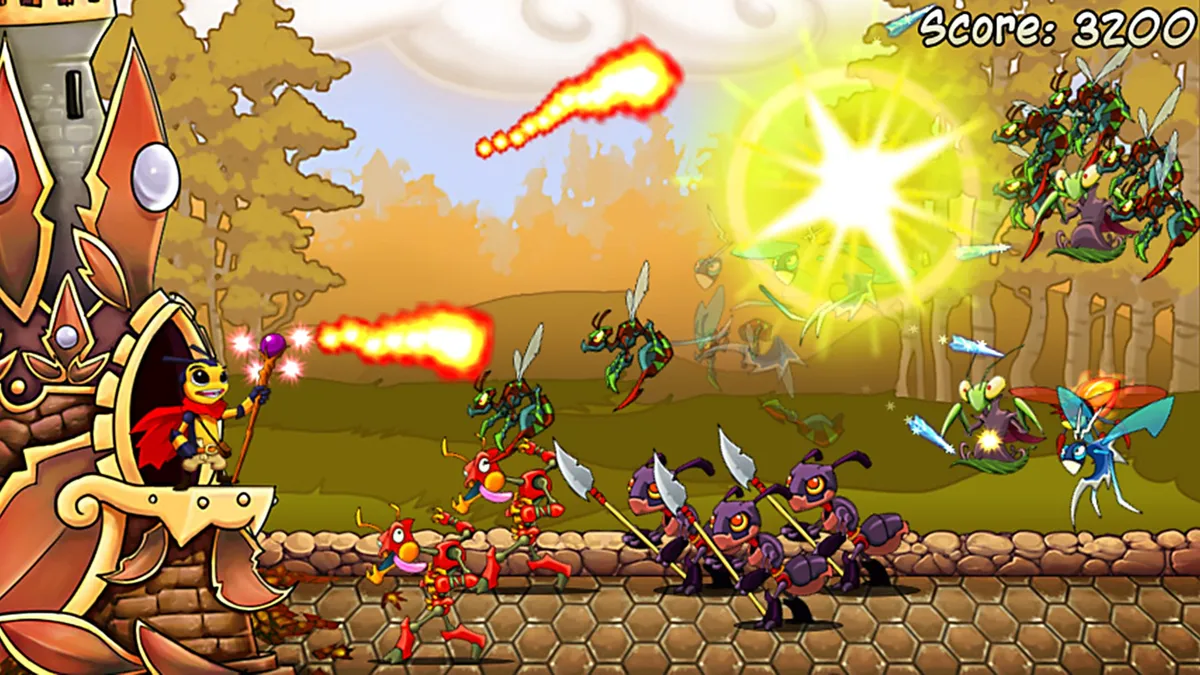
The spell set overlaps on purpose. Explosive fireballs clear grouped invaders while piercing ice spears dismantle tight ranks; ball lightning is flung into loose enemy lines, and sky bolts interrupt airborne ambushes. Meteors reward careful timing for large destruction, and magical blades of grass instead hold invaders in place. Magma channeled from the earth melts enemy armor, with volcanoes and lightning also available. These rules interact through formation: clustered, spread-out, armored or airborne bugs each call for a different spell, so stages are conquered with logic, skill and force.
The Spell Arsenal: Fireballs, Ice Spears, and Sky Bolts
Fireballs and ice spears answer two different formations. Explosive fireballs are meant to clear grouped invaders, wiping out clusters where bugs press together; piercing ice spears instead dismantle tight ranks, cutting through enemies packed in ordered lines. Ball lightning is flung into loose enemy lines, covering the spread-out cases that fireballs and spears handle poorly. Because each spell suits a particular arrangement of bugs, the arsenal asks the player to read the formation first and then pick the spell whose shape matches it.
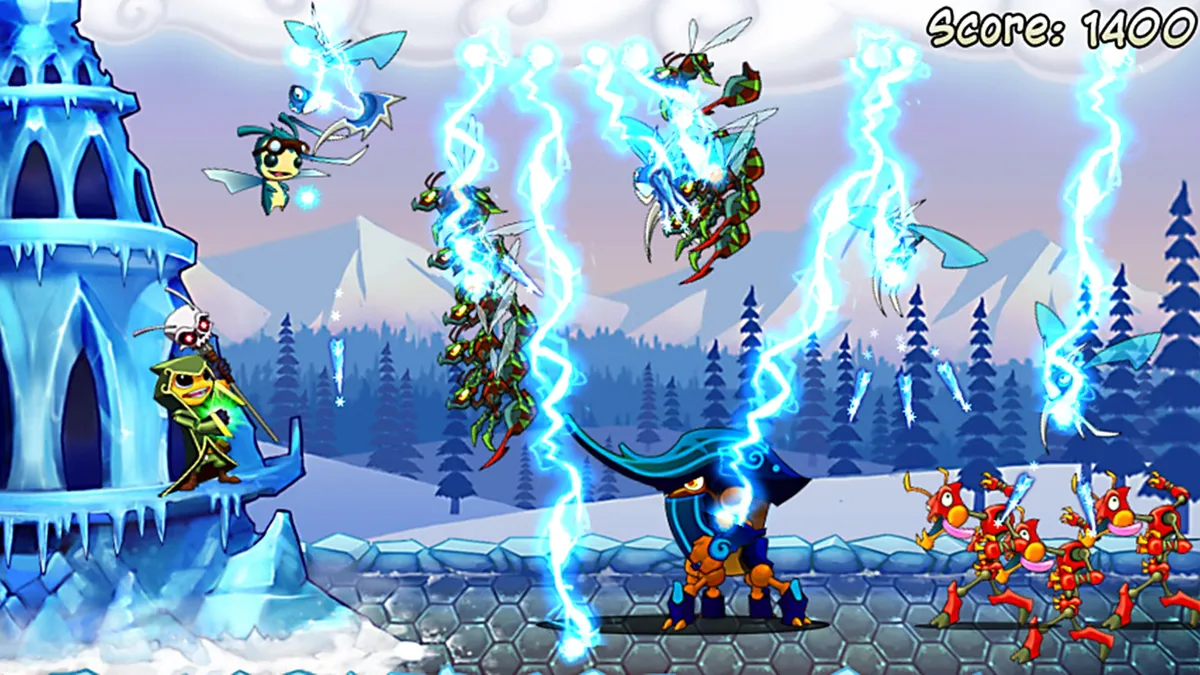
Bolts summoned from the sky serve a defensive purpose: they interrupt airborne ambushes, stopping attackers that arrive by air. Meteors depend on timing, cast carefully to maximize destruction, while magical blades of grass trade damage for control by holding invaders in place. Magma is channeled from the earth specifically to melt enemy armor, opening up targets that other spells may not crack. Volcanoes and lightning round out the available effects. Together these rules tie spell choice to enemy state, whether the bugs are airborne, armored, or merely held still.
Reading the Swarm: Enemy Ranks, Armor, and Airborne Ambushes
Formation reading is the core discipline in Honeyhold Keep, because Beezelbug's horde arrives in arrangements that each defeat a different spell. Explosive fireballs clear grouped invaders pressing together, piercing ice spears dismantle tight ranks packed in ordered lines, and ball lightning covers loose enemy lines that the first two handle poorly. Airborne ambushes call for bolts summoned from the sky, which interrupt attackers arriving by air before they settle into the hive. Specific enemies add texture: ice bugs can be shattered, and fireflies can be knocked into enemy ranks to create combos, so a single cast can turn one type against the swarm around it.
Armor is a separate problem from formation. Magma channeled from the earth is cast specifically to melt enemy armor, so armored bugs demand a different selection than clustered, spread-out, or flying ones. Holding invaders in place with magical blades of grass and timing meteors carefully for destruction both serve the same planning rule: aim spells rather than fire blindly, and develop a game plan around documented weaknesses. A well-placed spell that clears dozens of enemies earns bonus points and unlocks expert stages, tying careful casting to stage progression beyond simply surviving Beezelbug's army.
Timing and Placement: Meteors, Grass Blades, and Combos
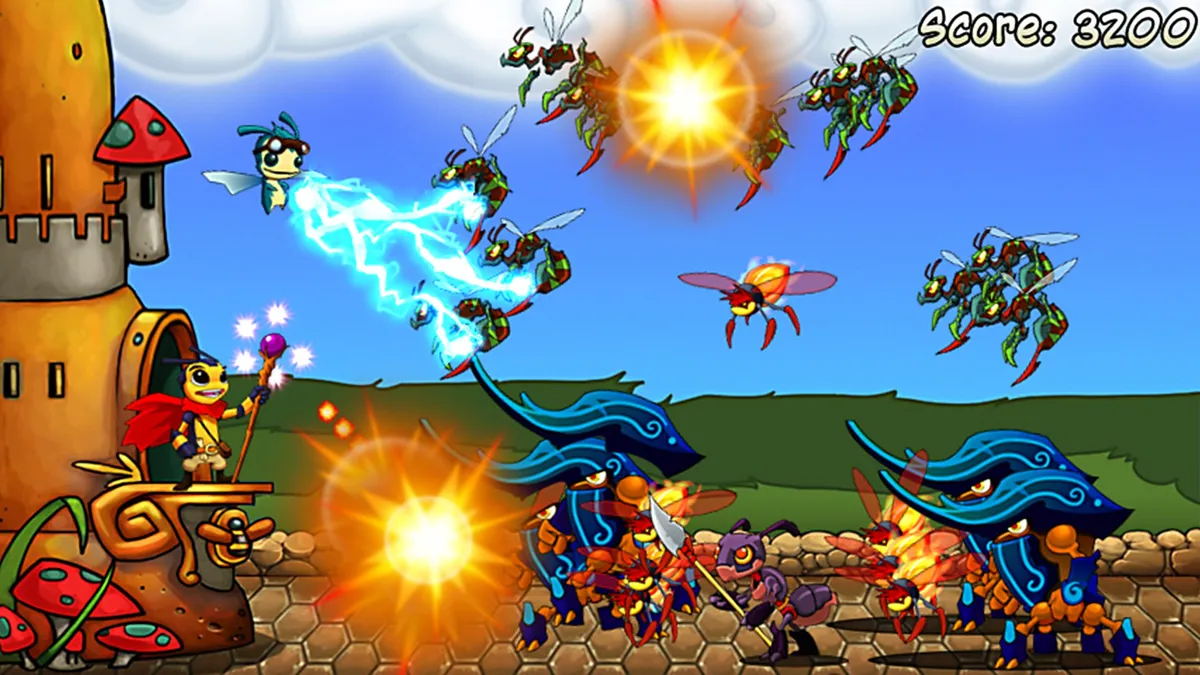
Meteors and magical blades of grass pull in opposite directions: one is timed carefully to maximize destruction, the other holds invaders in place so they stop advancing. Placement matters just as much as timing, since spells are aimed for maximum impact rather than scattered at random. The two rules meet when a held group becomes a stationary target for a meteor, converting a control cast into a setup for a heavy hit.
Combos turn specific enemy types into tools. Shattering ice bugs and knocking fireflies into enemy ranks creates devastating combos, so a single cast can redirect one bug against the surrounding swarm. A perfectly placed spell that clears dozens of enemies earns bonus points and unlocks expert stages, tying placement to progression. The overall rule remains developing a game plan to exploit enemies' weaknesses, then aiming spells carefully for maximum impact rather than firing blindly.
Sources & further reading.
- Bumbledore — official game profileRetrieved Oct 26, 2026
First published .