 THE GAME ARCHIVE
Released in 2012 by Arkane Studios and published by Bethesda Softworks, Dishonored is a first-person action game that places you in the shoes of a supernatural assassin driven by revenge. Set in Dunwall, an industrial whaling city where steampunk-inspired technology coexists with otherworldly forces, the game invites players to approach each assassination with their own style. The official description emphasizes a flexible combat system that allows you to creatively combine supernatural abilities, weapons, and unusual gadgets. But what does that actually mean when you sit down to play? This retrospective examines the supported gameplay mechanics and design philosophy that define the experience.
The Premise: Revenge in a Plague-Ridden City
Dishonored casts you as the once-trusted bodyguard of the beloved Empress. Framed for her murder, you become an infamous assassin, known only by the disturbing mask that has become your calling card. The city of Dunwall is besieged by plague and ruled by a corrupt government armed with industrial technologies. Dark forces conspire to bestow upon you abilities beyond those of any common man—but at what cost? The truth behind your betrayal is as murky as the waters surrounding the city, and the life you once had is gone forever. This narrative setup provides the motivation for your missions: you are driven by revenge, seeking to eliminate targets who wronged you.
The Core Gameplay Loop: Approach, Eliminate, React
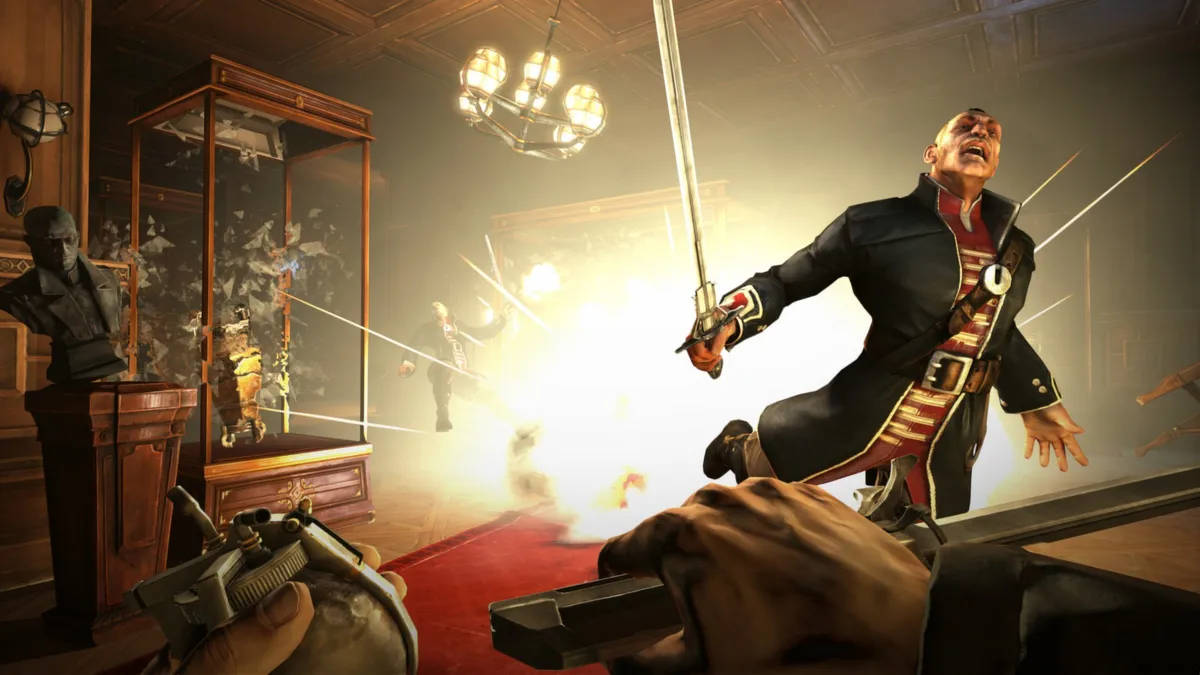
At its heart, Dishonored is about eliminating targets. You are an assassin, and each mission presents you with one or more individuals to remove from the world. The game's official description states that you can "creatively eliminate your targets as you combine the supernatural abilities, weapons and unusual gadgets at your disposal." This creative freedom is the central pillar of the gameplay loop. You can pursue your enemies under the cover of darkness or ruthlessly attack them head on with weapons drawn. The outcome of each mission plays out based on the choices you make. So the loop is: assess the environment, choose your approach, execute it, and live with the consequences.
 View full image ↗
Stealth and Action: Two Sides of the Same Coin
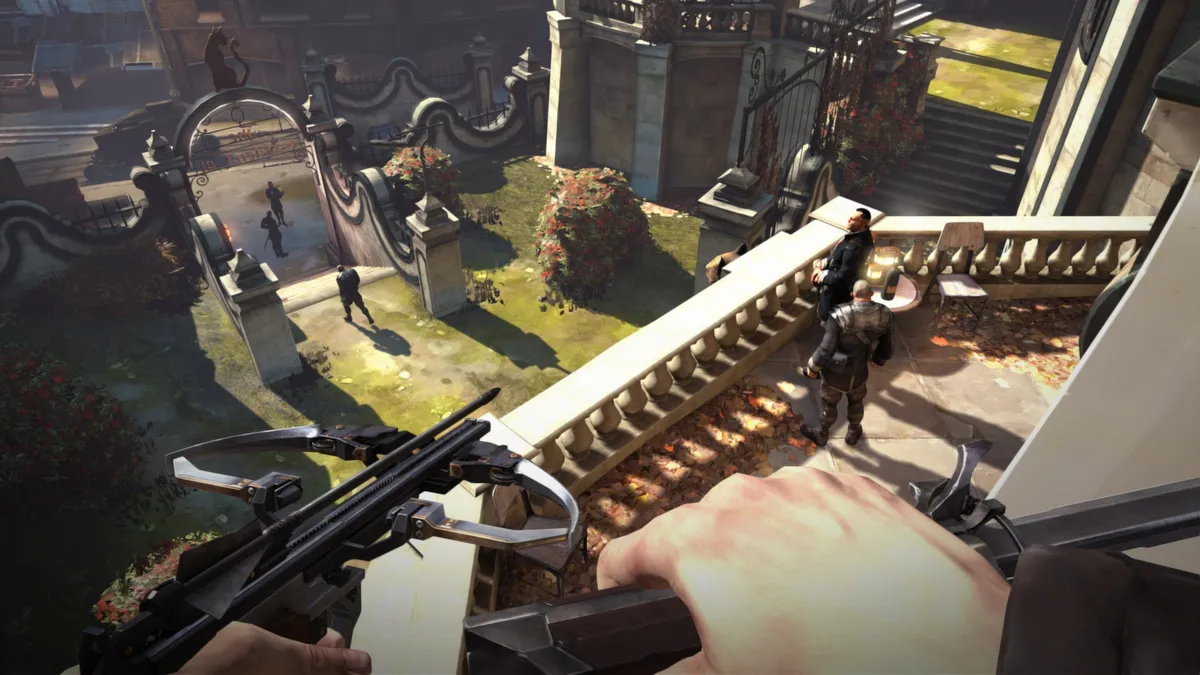
The game supports both stealth and head-on combat. For stealth approaches, you can use shadow and sound to your advantage to make your way silently through levels unseen by foes. The official description mentions using shadow and sound to move unseen, and that you can teleport for stealth approaches. Silent elimination is possible using these stealth mechanics. Alternatively, you can attack enemies head-on as they respond to your aggression, with ruthless combat using drawn weapons. This duality is not just about player preference; the world reacts to how you play. Move like a ghost and resist corruption, or show no mercy and leave a path of destruction in your wake.
Supernatural Abilities: Teleport, Possess, and Stop Time
Your supernatural abilities are core to the experience. The official description lists several: teleport for stealth approaches, possess any living creature, or stop time itself to orchestrate unearthly executions. Combining your suite of supernatural abilities and weapons opens up even more ways to overcome obstacles and eliminate targets. These abilities are not just gadgets; they are fundamental to how you navigate the world and deal with enemies. For example, teleportation can be used to reach vantage points or bypass guards silently, while possession can let you move through areas undetected by taking control of animals or even people. Stopping time allows for creative executions or escaping dangerous situations.
 View full image ↗
Progression: Upgrades and Mastery
Dishonored features an upgrade system that allows for the mastery of deadly new abilities and devious gadgets. This progression is tied to your supernatural powers and equipment. As you play, you can improve your abilities and unlock new ways to overcome obstacles and eliminate targets. While the exact mechanics of earning upgrades are not detailed in the official description, the presence of an upgrade system indicates that character growth is part of the experience. The game also reacts to your choices, meaning that how you play can influence the available upgrades or the state of the world.
The World of Dunwall: A City Unlike Any Other
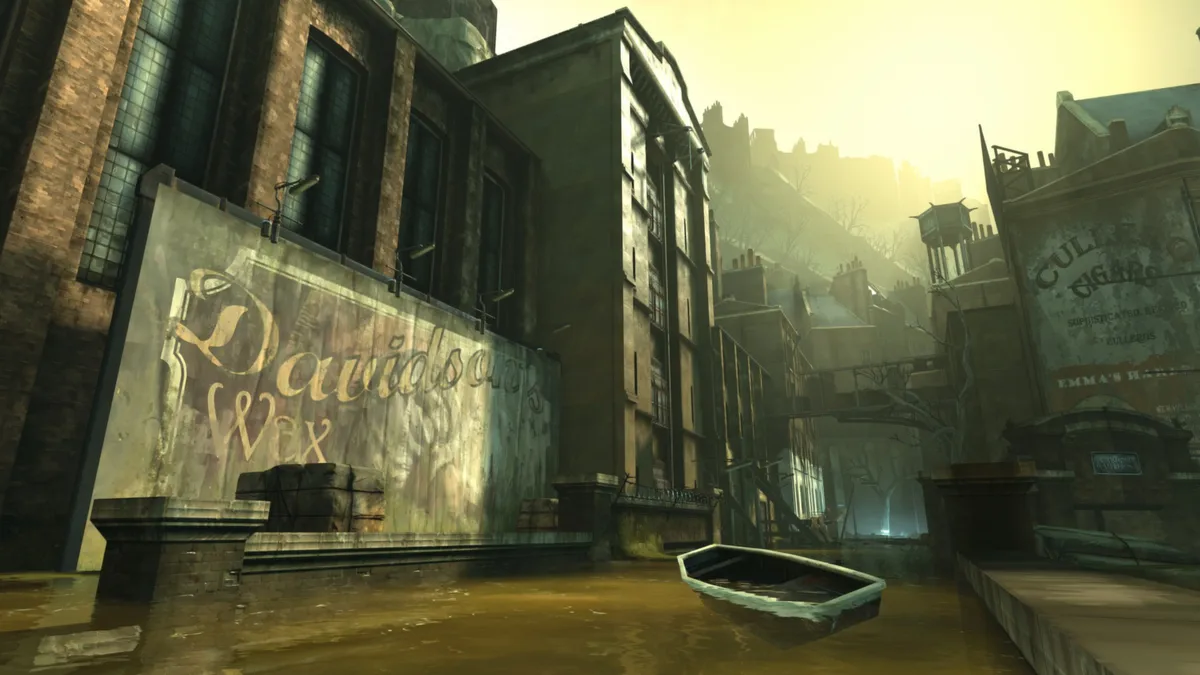
Dunwall is an industrial whaling city where strange steampunk-inspired technology and otherworldly forces coexist in the shadows. The city is described as a place where industry and the supernatural collide, creating an atmosphere thick with intrigue. The official description notes that the world is yours to discover, suggesting open exploration within missions. The art direction was led by Viktor Antonov, known for his work on Half-Life 2, which contributes to the distinctive visual identity. The environment is not just a backdrop; it is a playground for your abilities and a reflection of the game's themes of corruption and power.
 View full image ↗
Getting Started: Source-Backed Guidance
If you are new to Dishonored, the official description offers some direction. First, understand that you have choices. You can approach each assassination with your own style of play. Experiment with combining abilities, weapons, and gadgets. Use shadow and sound to your advantage for stealth, or go head-on if you prefer action. Remember that the world reacts to how you play, so your choices have consequences. The upgrade system allows you to master new abilities and gadgets, so seek out opportunities to improve your toolkit. Finally, explore the city; the world is yours to discover.
Distinguishing Design Features
What sets Dishonored apart is its commitment to player choice and systemic interaction. The flexible combat system prioritizes player choice in execution methods. You are not forced into a single playstyle; the game supports both stealth and action. The supernatural abilities are not just powers; they are tools that interact with the environment and enemies in meaningful ways. The world reacts to your actions, with outcomes changing based on your approach. This reactivity, combined with the distinctive steampunk setting and the freedom to creatively eliminate targets, creates a unique experience that rewards experimentation and improvisation.
Conclusion
Dishonored remains a standout title from 2012 because of its robust mechanical foundation and the freedom it gives players. Whether you prefer to skulk in the shadows or confront enemies directly, the game supports your approach and reacts to it. The combination of supernatural abilities, a flexible combat system, and a richly realized world makes each mission an opportunity for creative problem-solving. As a retro feature, it is worth revisiting to appreciate how its systems work together to create a cohesive and engaging experience.
Scroll sideways to see the full table →
| Attribute | Value |
|---|---|
| Title | Dishonored |
| Release Year | 2012 |
| Platforms | Windows |
| Developer | Arkane Studios |
| Publisher | Bethesda Softworks |
| Genres | Action, Adventure |
Sources & further reading.
- Dishonored — official game profile Retrieved Oct 10, 2026
First published .