 THE GAME ARCHIVE
Turn-by-Turn Tactical Combat
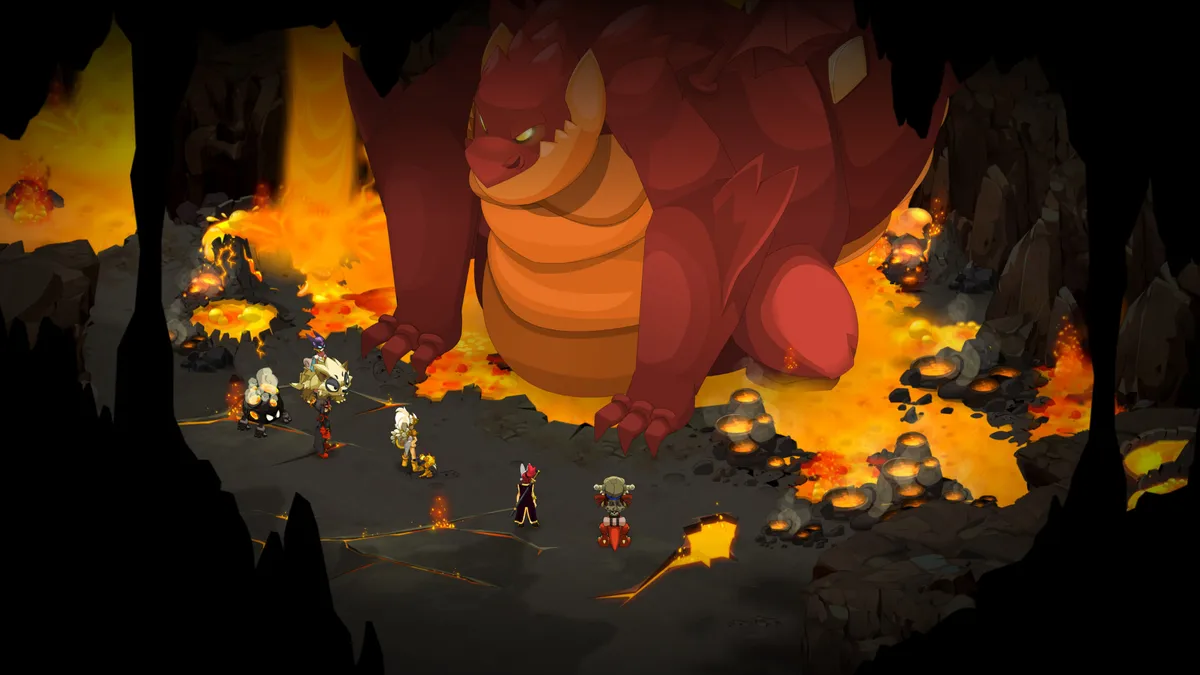
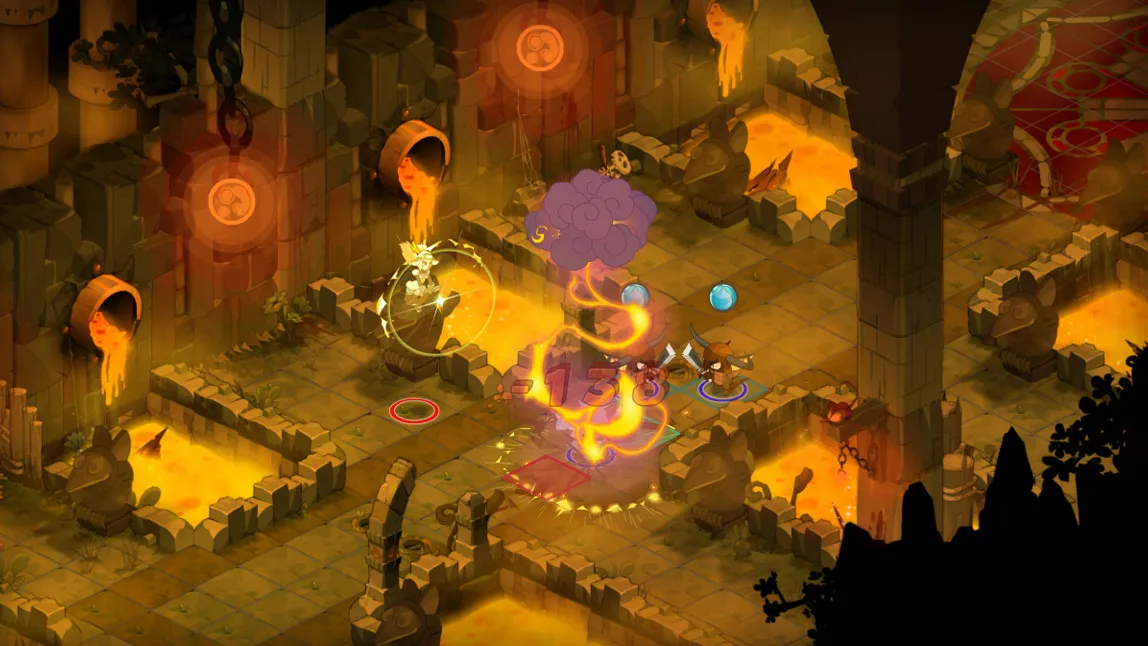
Combat in Dofus unfolds on a turn-by-turn basis rather than as a real-time scramble. On your turn you perform your actions, and then you observe the moves made by the other players and the monsters before acting again. The game frames fighting as an art: instead of rushing in headlong, you are meant to think hard about your tactical game plan. Because every participant acts in sequence, the order of actions and the choices made during each turn shape how a battle plays out, with monsters and allies responding in kind.
The roster of 18 classes gives that turn-based planning different shapes. Some classes are more suited to close combat, some prefer to attack from afar, and others concentrate on healing and protection. A player can take on roles such as treasure hunter, fearless warrior, or summoner of voodoo dolls. These specializations matter within the turn structure, since a close-combat class and a ranged or healing class contribute differently to the group's plan each round. Groups can include up to eight players who take on the meanest monsters around.
Eight-Player Groups Against the Meanest Monsters
Grouping up is a distinct layer of Dofus's turn-by-turn combat. While the combat engine runs on sequential turns where you act, then watch the other players and the monsters respond, the group size is documented as reaching up to eight players. That capacity puts an emphasis on coordinated planning rather than solo improvisation: with as many as eight allies each taking a turn in sequence, the order in which actions are spent and the targets chosen become part of a shared tactical plan.
The stated purpose of filling those eight slots is to go after the meanest monsters around, framing the largest fights as group undertakings. Because the game presents fighting as an art and asks players to think hard about their tactical game plan instead of rushing in headlong, an eight-player group is where that planning has the most moving parts: each participant's turn is observed by the others before the monsters act again. The documented rules therefore tie party size directly to the scale of the opposition and to the value of a considered plan.
Eighteen Classes, Eighteen Ways to Fight
Choosing among the eighteen classes begins to shape a battle before a single turn is spent, because the classes are documented as falling into broad combat temperaments. Some are more suited to close combat, engaging opponents at short range, while others prefer to attack from afar and keep their distance from the front line. A third grouping concentrates on healing and protection, sustaining allies rather than striking directly. Beyond those broad categories, the game presents character concepts such as treasure hunter, fearless warrior, and summoner of voodoo dolls, each implying a different set of priorities when a turn arrives.
Within the turn-by-turn structure, those class temperaments interact with the sequence of play. A player takes a turn to perform actions, then observes the other players and monsters before acting again; a close-combat class, a ranged class, and a healing or protection class therefore contribute differently to the group's plan each round. With groups documented at up to eight players, a single party can mix these temperaments, so the choice of class determines where a character stands and what that character does when its turn in the order comes around.
Eighteen Professions That Craft and Pay
Dofus sets professions alongside its turn-based combat as a separate kind of work, and that work carries a documented payoff. The game recognizes eighteen professions, and those professions are described as able to craft. The frame the profile uses is straightforward: where there are professions, there is work, and where there is work, there is pay. The currency named for that payment is kamas, and the stated result of working hard is earning kamas in quantity. So the profession layer is presented as a route to in-game income tied to crafting activity.
Because the documented count is eighteen professions and the documented activity is crafting, the economy and the crafting layer meet in the same system: the professions are the categories, and crafting is what they do. The phrasing places earning inside that loop, with hard work translated into kamas rather than into an abstract reward. Nothing in the supplied description details recipe lists, materials, gathering steps, or a progression track for any single profession, so the concrete mechanics it states are the number of professions, the crafting capability, and the kamas earned through work.
Founding or Joining a Guild
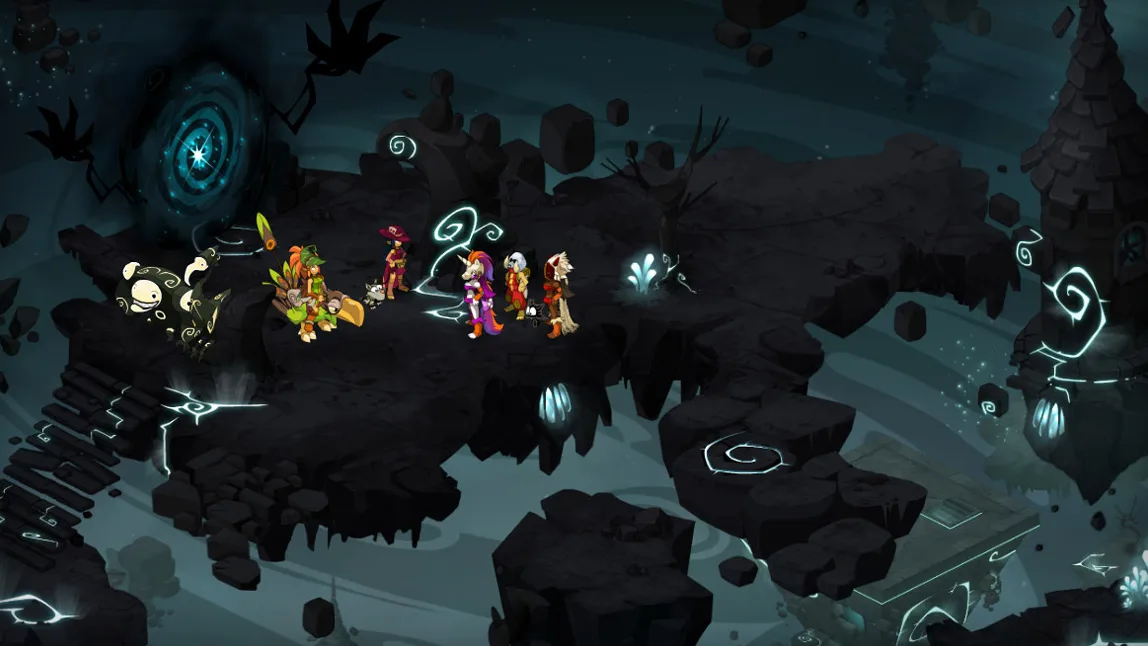
A guild in Dofus is a lasting team, and the profile lists founding one or joining one as the two ways in. The documented reasons to gather span facing a monster together and exploring a dungeon, alongside lighter pastimes such as discussing why Boowolves are so hairy or simply sharing your best adventure stories. The profile also names the kinds of bands that form, from a group of friends to a battalion of mercenaries to an association of Pandawas who love their Bamboo Milk, and closes by saying there is always a reason to get together.
Guild life sits beside the turn-by-turn combat as a separate social layer rather than a battle rule. Shared monster fights and dungeon exploration are the activities the profile ties to guilds, while the Boowolf talk and the swapping of adventure stories place conversational pastimes in the same structure. The friends, mercenaries and Bamboo Milk-loving Pandawas show that a guild's character comes from who joins and what they do together. The profile gives no size cap, rank structure, creation cost or interface for guilds.
Sources & further reading.
- Dofus — official game profileRetrieved Oct 29, 2026
First published .