 THE GAME ARCHIVE
A Party Crawl Through a Cursed City
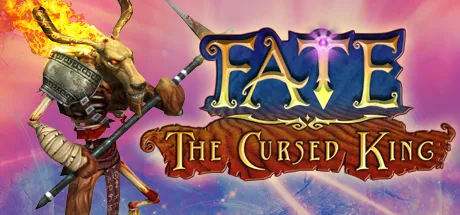
FATE: The Cursed King is an action RPG developed by WildTangent and listed on Steam with a 2014 product date, published by WildTangent and gamigo group for Windows. The official profile sums up its design changes with a short, punchy list: new weapons, more spells, unique armor, AI-controlled allies, procedurally generated levels, and an economy built on buying equipment, selling loot and gambling. Those additions are the article's subject, and they sit inside a classic action RPG frame in which the player explores dungeons and fights in the broad action-adventure-RPG sense.
The pitch is simple to grasp and specific in what it changes. The player's job is to answer a question the store description poses directly: in FATE: The Cursed King, disaster threatens your home, and the city of Ekbatan may be forever doomed unless the curse is broken. Around that one goal the game stacks a party of computer-driven companions, a bigger catalogue of gear and magic, dungeons that reorganize themselves, and a trade loop that lets you convert loot into equipment or a wager. The rest of this feature walks through how each of those supported systems shapes the decisions a player makes.
The Party System and the Case for AI Allies
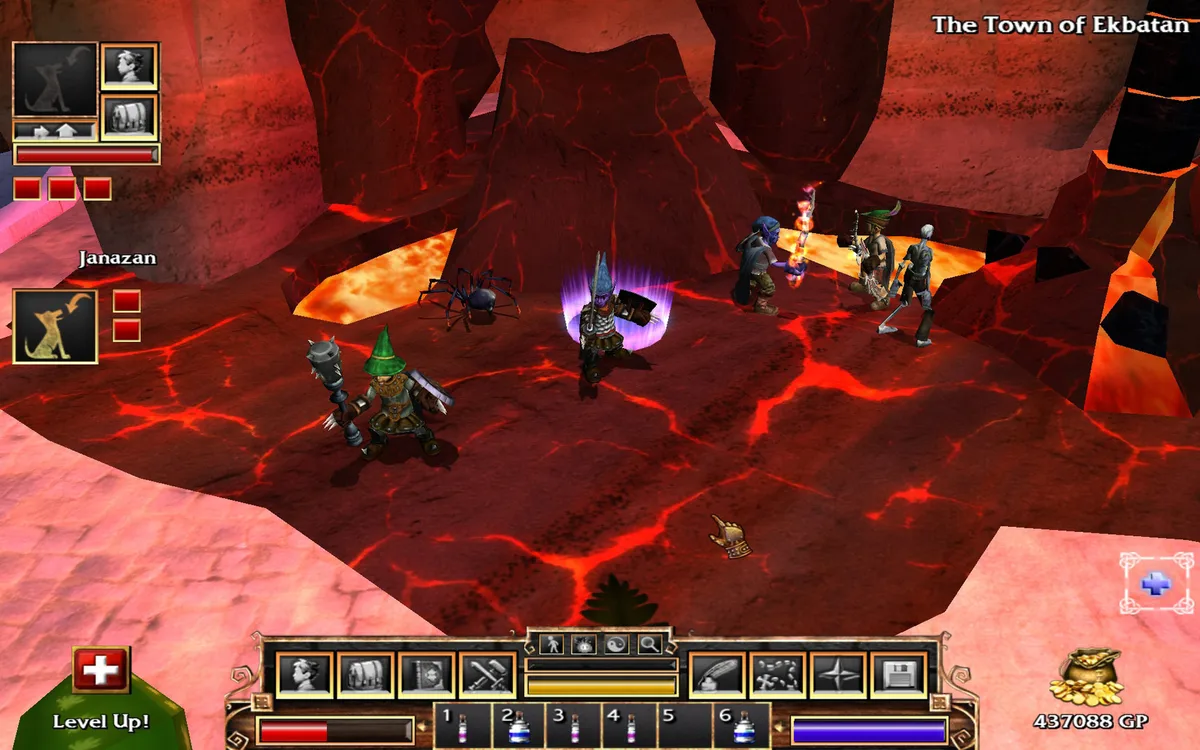
The biggest structural change the official profile advertises is the party. The description answers its own rhetorical question about allies with a flat statement that this FATE game is a party, and it names a party system in which you recruit AI-controlled allies. The emphasis matters because the feature is framed as the entry's identity rather than a garnish: the game presents allies as the companion piece to the new gear, and the mechanic it highlights is recruitment of computer-controlled characters who join you on the crawl.
What the documented material supports, then, is a decision that starts at the roster level and carries into every fight the game chooses to show. The profile's line that it is dangerous to go alone and its invitation to recruit allies and form a party set up the party as the player's working unit. Because the allies are AI-controlled, the game itself runs their behavior; the player's share of the work is the standing choice to build the group and to keep it operating inside the cursed city. The whole party, not a lone hero, is what the game asks you to take into the dungeons.
Read against the rest of the feature list, the party is also the thing that makes the loot and economy matter more than a solo shopping trip. The store description groups allies with new weapons, spells and armor in the same breath, and the profile's progression material treats recruiting allies as a development step of its own. In a group game, the gear layer has a larger audience inside the playthrough: the collection the profile calls more weapons, more spells and more armor feeds a party rather than a single silhouette. Placing the party at the centre is therefore more than branding; it is the premise that the other systems are built to serve.
Lootimus Maximus: More Weapons, More Spells, Unique Armor
The profile labels its equipment pitch Lootimus Maximus and lists three things underneath it: more weapons, more spells and more armor. In the opening description the same trio appears with a little more color: new weapons, more spells, and unique armor described as sweet loot. Translated into play, the document establishes three item categories whose contents are presented as additions to the series' baseline, and it distinguishes armor as unique finds rather than interchangeable filler. Weapons serve as the standard offensive slot, spells as the magic slot, and the unique armor as the protective drop worth chasing.
The stated connection between loot and play is that the profile puts acquisition on the game end rather than handing equipment over via a static store list. When it later describes the procedural dungeon, it places gear and economy in the same line-up, and its loot reference spells the three categories out in one go. So the practical reading is an explore-and-collect loop in which the player encounters the expanded item pool through play, then decides what to keep and what to let go of. The document does not describe drop rates, item levels or rarity tiers, and this feature does not invent them; what it does fix is the set of categories the player is hunting across.
The Economy: Buy, Sell and Gamble
The economy line in the profile is as short as its procedural-level line and just as specific: buy equipment, sell loot and gamble. Those are the three activities that define the money loop the game advertises. Buying and selling describe a two-way trade, with one side being the equipment you want and the other the loot you have picked up; gambling is a third option that exists alongside them and is named as a separate choice rather than a variation on shopping. The store text does not state odds, prices, inventory quantities or shop locations, so what can be said with confidence is limited to those three verbs and the assets they move around.
Still, even this lean description changes how the loot from the previous section works. If buying equipment and selling loot are both listed options, then the more weapons, more spells and more armor the profile advertises are not only things you carry: what you find can become something you buy or something you let go of. The player's decision hinges on the split between what stays in the party's gear and what converts into purchasing power or another chance at the gambling option. That connects the economy to the loot category and to the general progression material the profile bundles with the party, without requiring any assumption about what the shops stock.
Set beside the party and equipment notes, the economy also helps explain the intended pace of a run. The profile lists it with a heading in the feature block rather than as an afterthought, and it shares that block with the party system and loot categories, which suggests the player is meant to cycle between crawling, collecting and trading across a session. Three named options supply three kinds of risk: a purchase is a known cost, a sale is a trade of gear for funds, and a gamble is an outcome the text leaves undefined. That is the extent of what the source supports, and it is enough to describe an economic choice point rather than a fixed treadmill.
Procedurally Generated Levels: It Is Never the Same Dungeon Twice
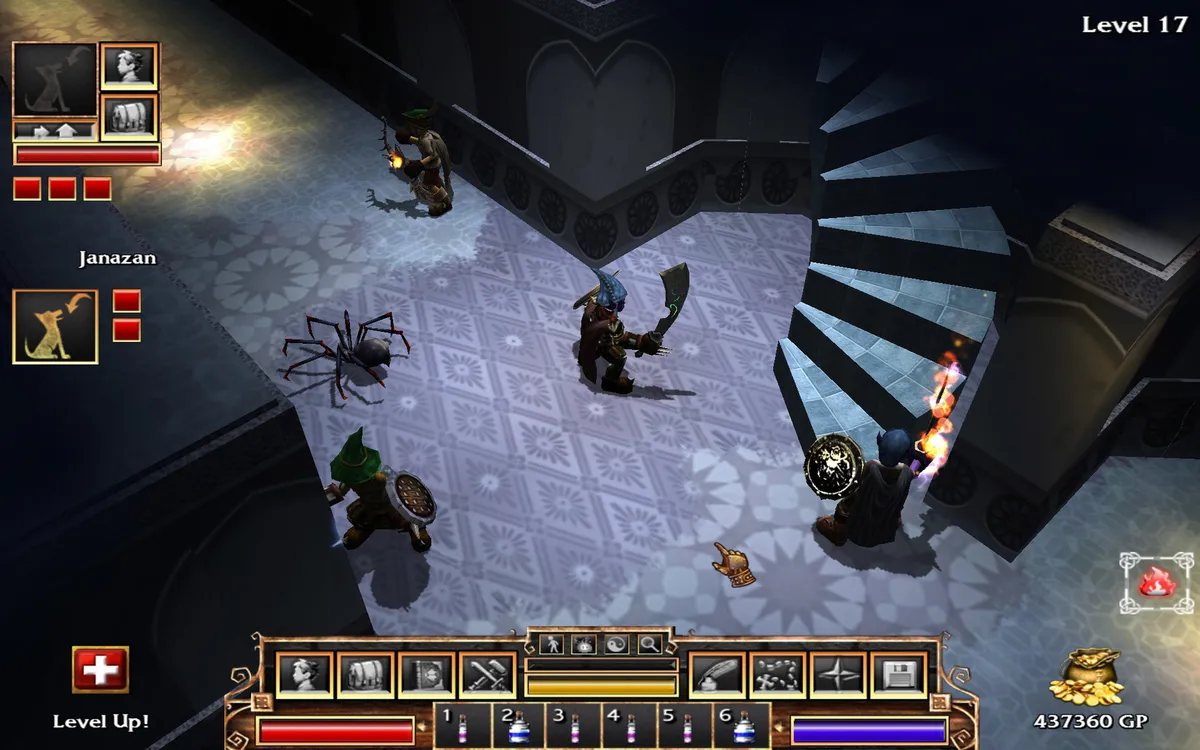
The single sentence the profile gives procedural generation is that the dungeons are never the same twice. That is a design commitment about repetition rather than a description of a specific generator: instead of shipping a fixed set of layouts the player memorizes, the game presents each dungeon crawl as a fresh arrangement. It is the same idea the profile repeats in its feature list under Procedurally Generated Levels, where the line about never the same dungeon twice is attached to crawling, gear and economy in one run-on list. For a party game, that means the roster and the loot are carried into terrain that changes between descents, so route knowledge cannot become the whole skill.
The practical effect, as far as the documented rules reach, is to turn the dungeon into the scene where the other systems meet. When layouts change, loot encounters change with them, which feeds the keep-or-sell decision and keeps the buy-and-gamble economy relevant past a first trip. The party is likewise carried into new configurations each time rather than parked in a solved level. What the source does not describe is any particular layout style, tile set, difficulty curve or boss placement, so this feature makes no claim about how a specific generated floor looks. The claim on record is the promise of variation, and the useful analysis is how that variation keeps the loot and trade loop alive.
The Core Loop: Party Out, Loot In, Curse Broken?
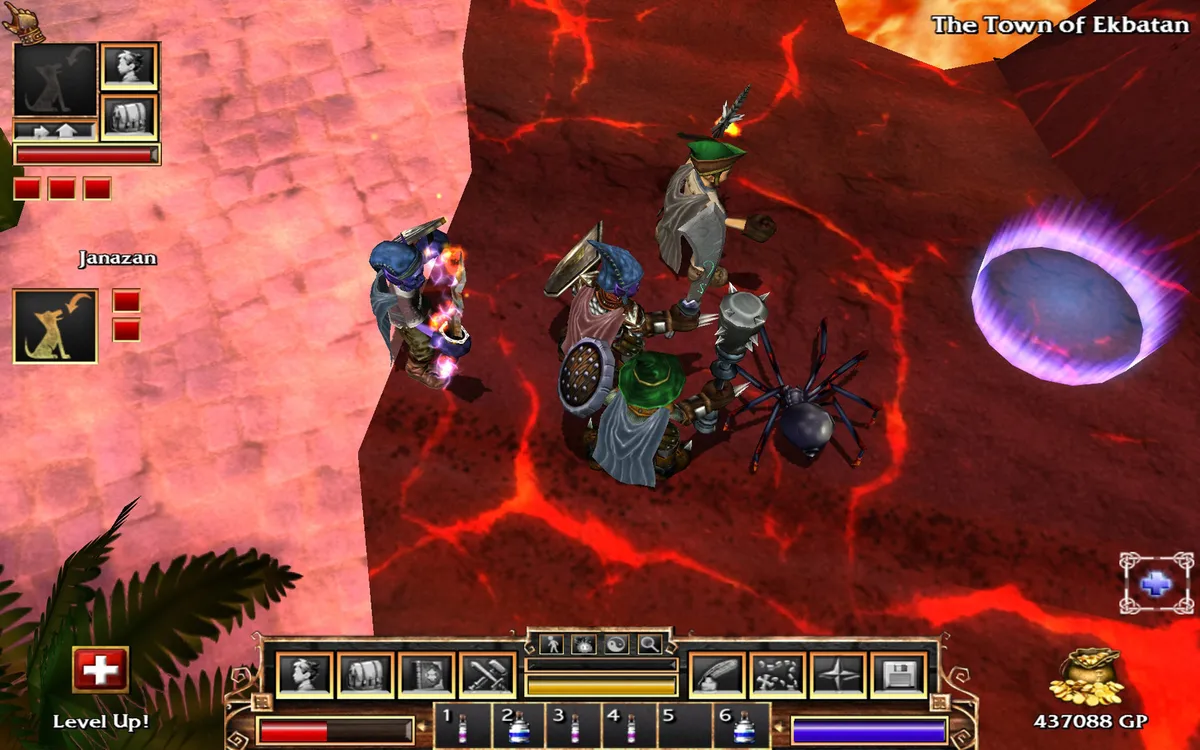
Putting the pieces together gives a run that reads as a sequence of supported decisions. You form a party with AI-controlled allies, take that group into procedurally generated dungeons, and collect from the expanded pool of weapons, spells and unique armor as you go. Back out of the crawl, the economy offers three levers: buy equipment for the group, sell loot the party can spare, and gamble as an alternative to a straight exchange. Underneath all of it is the objective the profile states outright — break the curse on Ekbatan or see the city forever doomed. That is the frame that gives the loot and the shopping a destination.
That framing is also the best guide to reading the game as a whole: the profile never promises a lone hero power fantasy, it promises company. Allies, weapons, spells, armor, changing dungeons and a trade economy are presented as a package, and the package is pointed at ending the curse over your home. The one thing the store text keeps asking is whether the player can do it, and the systems it names are the tools on offer. For a reader deciding whether the feature is for them, the supported takeaway is a group-based crawl with an item chase and a trade loop, not a solitary descent.
Starting Guidance From the Documented Rules
Given the profile's emphasis, a new player can set expectations without guessing at undocumented specifics. Treat the party system as the first thing to engage: the profile frames this FATE game as a party and its feature list says it is dangerous to go alone, so recruiting allies and keeping a group together is the playstyle the description is built around. When gear appears, the profile's categories give a simple sorting habit: weapons for offense, spells for magic options, and unique armor as the distinctive protective item to watch for. When in town or trading, remember that there are exactly three advertised economic actions — buy, sell and gamble — and that the loot you do not keep can fuel the first or third of those.
For the dungeons, the procedural claim argues against memorization: if it is never the same dungeon twice, the practical skill to build is orientation in unfamiliar spaces rather than a hard-coded route. Keep the objective in sight as well: the profile puts curse-breaking front and centre, and the party, loot and economy lists all sit underneath that ask. A reader who wants a specific skill tree, stat allocation scheme or combat rotation will not find one in the cited material, and none is offered here; the honest starting advice is to lean into the party, treat loot as currency as well as gear, and expect each descent to rearrange the space around you.
Scroll sideways to see the full table →
| Field | Value |
|---|---|
| Title | FATE: The Cursed King |
| Developer | WildTangent |
| Publishers | WildTangent, gamigo group |
| Platform | Windows |
| Steam product date | 2014 |
| Genres | Action, Adventure, RPG |
Sources & further reading.
- FATE: The Cursed King — official game profileRetrieved Oct 31, 2026
First published .