 THE GAME ARCHIVE
Two Ways to Play: Point Man and Paxton Fettel
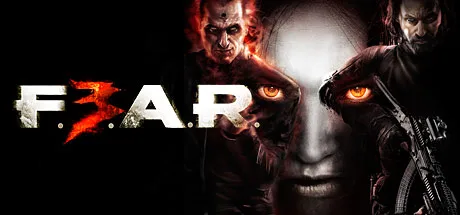
F.E.A.R. 3 builds its two-player mode around a pair of very different playable figures. Point Man is described as a genetically enhanced soldier with superhuman reflexes and the ability to manipulate time, giving the human brother a physical, combat-oriented identity. His counterpart is Paxton Fettel, the undead spirit of his brother, a paranormal entity who possesses incredible psychic powers. These roles are not mirrored skins; each figure carries a distinct set of capabilities tied to how he fights.
The distinction shows up in the mechanics attached to each brother. Point Man's time manipulation and superhuman reflexes frame his actions around controlling the pace of a fight, while Fettel's psychic powers form the basis of his paranormal toolkit. Both are placed on the same deadly mission to confront their twisted mother, Alma, and the game frames the pairing as a choice between fighting together or dying alone. The ability sets therefore sit inside a shared campaign rather than separate modes.
Divergent Co-op: Different Abilities, Shared Mission
Divergent Co-op is the label F.E.A.R. 3 gives its two-player mode, and its defining rule is asymmetry: each player controls a figure with a distinct set of capabilities. Those abilities matter to the person using them and also to the other player in the same session, and the game extends this social structure to gamers playing together or against one another. The two figures share one deadly mission to confront their twisted mother, Alma, so the pairing runs through a single campaign objective rather than separate missions.
The documented stake is stated plainly: fight together or die alone on the mission to confront Alma, while the brothers battle through a hellish nightmare. Point Man is a genetically enhanced soldier with superhuman reflexes and time manipulation, while Paxton Fettel is his brother's undead spirit, a paranormal entity with psychic powers. Their contrasting toolkits make the co-op choice concrete, and the game positions the pair against an army of soldiers and paranormal enemies fought with active 360-degree cover, evolutionary slow-motion modes and scoring systems.
Slow-Mo, Cover, and Scoring in Firefights
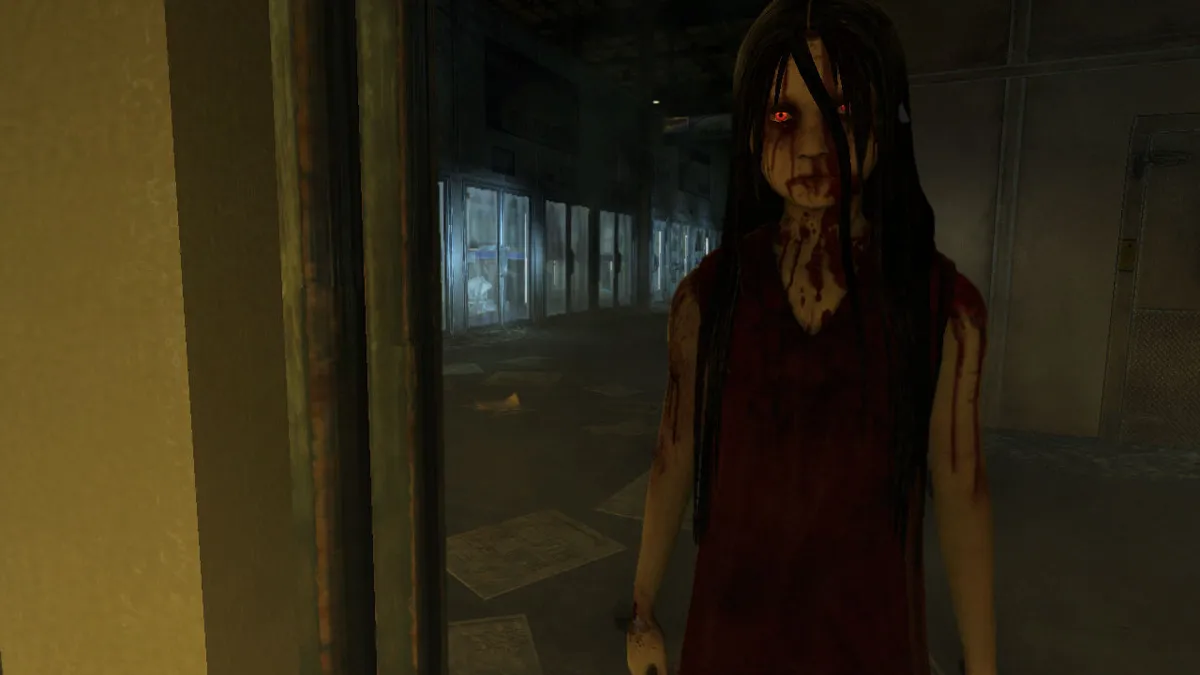
Firefights in F.E.A.R. 3 are built from a handful of interlocking systems. Active 360-degree cover lets a player defend from threats arriving around the full circle rather than a single forward front, so positioning matters in every direction. Evolutionary slow-motion modes let the player stretch time during these exchanges, and scoring systems track the results of the fighting. The game also includes mech combat, which the profile places alongside these tools as a way to face an army of soldiers and paranormal enemies.
These mechanics are presented as part of frenetic combat, one of the hallmarks the game says define the series alongside a terrifying paranormal experience and a dramatic storyline. The documented rules interact within the same encounters: cover shapes where the player stands, slow-motion modes change the tempo of the exchange, and scoring systems register what happens there. The opposing force is described as an army of soldiers and paranormal enemies, so the toolkit is aimed at mixed threats rather than a single enemy type.
The Almaverse and the Generative System
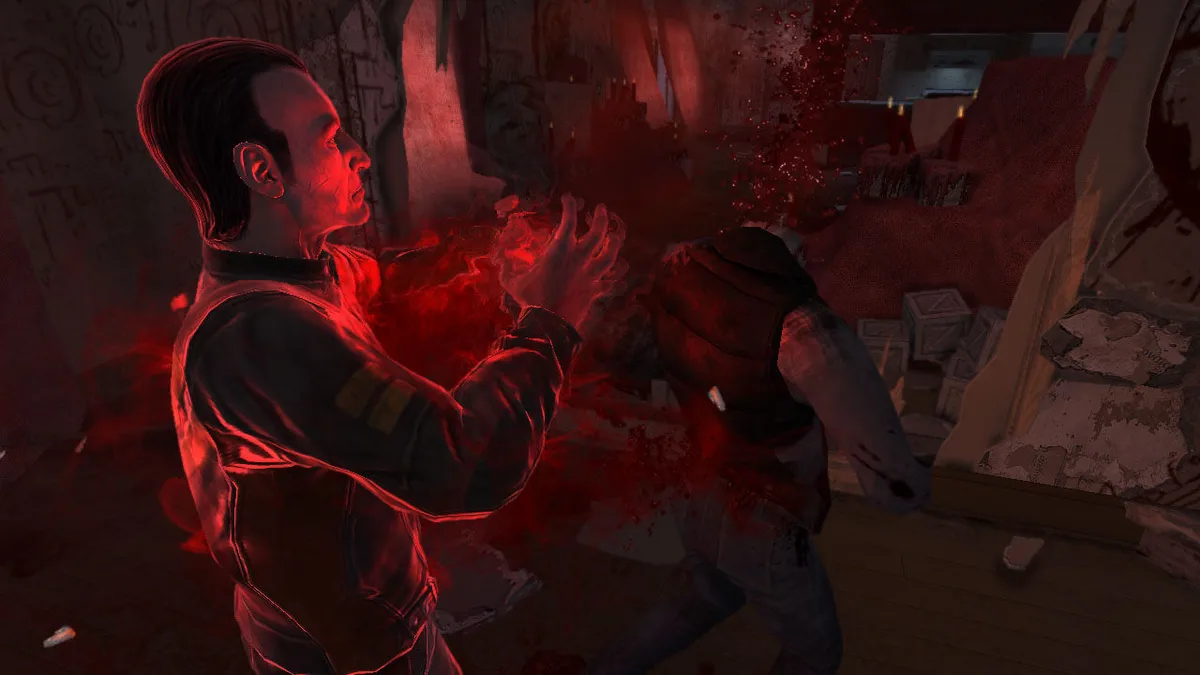
The game world of F.E.A.R. 3 is tainted by the Almaverse, an alternate dimension where Alma's psychic essence subsists. Enemy creatures born in Alma's warped mind—despite their sinister and fantastical appearance—spill from that dimension into reality, and their arrival intensifies the panic during encounters. Because these creatures originate from the same psychic source that marks the environment, the Almaverse is not simply a backdrop; it is the documented origin point for the hostile beings that enter the play space alongside the soldiers the brothers face. Separately, a proprietary Generative System creates random events meant to heighten feelings of isolation and unpredictability, whether a session is played alone or with a friend. The same system offers new experiences each time players play through, so repeated runs are not identical. Together the two mechanics work on different layers: the Almaverse explains where the fantastical creatures come from, while the Generative System reshuffles events across playthroughs, feeding the unpredictability the game attaches to both solo and co-op sessions.
The two systems feed the same combat loop. Mech combat aids players in facing an army of soldiers and paranormal enemies, and the creatures generated in Alma's warped mind are part of that paranormal threat set. Because the Generative System introduces random events during play, the mix of enemies and events a player meets can differ between runs, and its unpredictability is documented to apply both when playing alone and when playing with a friend. The Almaverse supplies the fictional logic: Alma's psychic essence subsists in that dimension, so her creatures crossing into reality is the stated mechanism behind new hostile arrivals. Read together, the rules describe a loop where the world's psychic taint produces fantastical enemies and a proprietary event generator varies what happens across sessions. Neither mechanic is described as altering the cover, slow-motion, or scoring systems; those act within encounters, while the Almaverse and Generative System shape which enemies and events those encounters contain. The documented result is increased panic and a sense of isolation and unpredictability, with each playthrough offering new experiences rather than a fixed sequence.
The Mission: Confront Alma
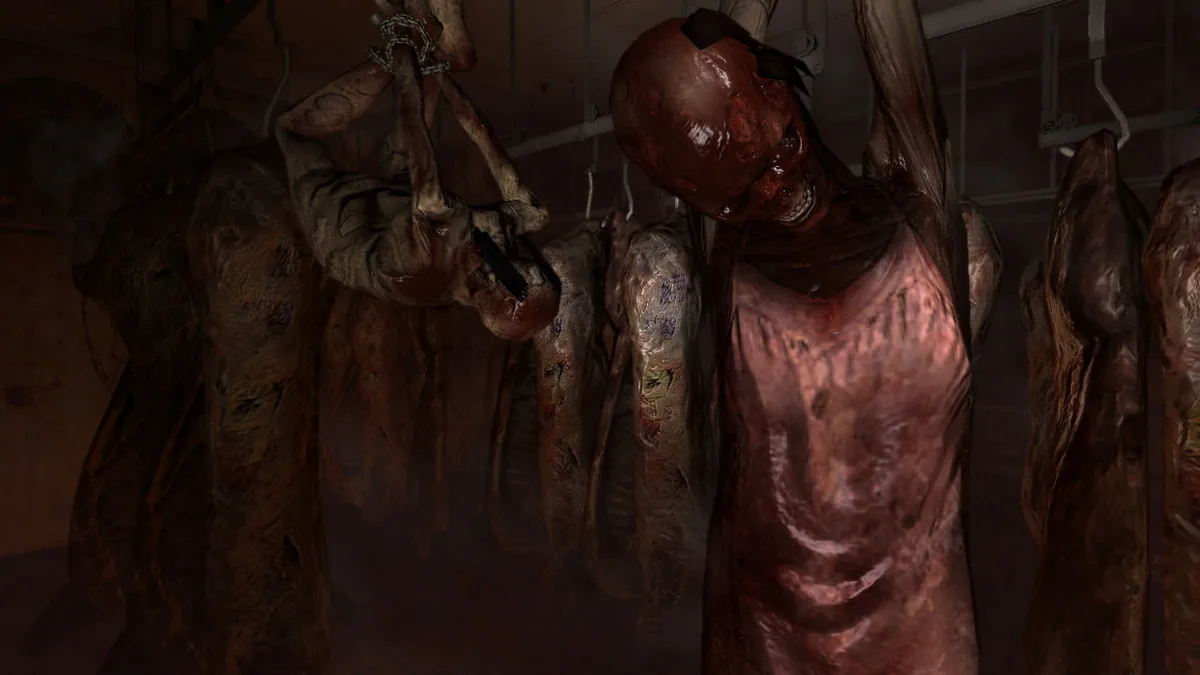
The shared objective in F.E.A.R. 3 is stated as a deadly mission to confront the brothers' twisted mother, Alma, undertaken while the pair battle through a hellish nightmare. The game frames the stakes as a binary: fight together or die alone. Both playable figures are committed to that same confrontation, with Point Man presented as a genetically enhanced soldier who has superhuman reflexes and can manipulate time, and Paxton Fettel as his brother's undead spirit, a paranormal entity possessing incredible psychic powers.
The approach to Alma also carries a narrative layer. The twisted storyline was co-written by Steve Niles and reveals the motivations and family dynamics of the main characters. Legendary film director John Carpenter provided expertise and guidance and helped craft the cinematics for storytelling and fright. These credited contributions sit alongside the mission structure rather than replacing it, so the confrontation with Alma is framed through both the stated objective and the family material the writing develops.
Sources & further reading.
- F.E.A.R. 3 — official game profile Retrieved Oct 18, 2026
First published .