 THE GAME ARCHIVE

Turn-Based Firefights and Authentic Weaponry
Firefights in Jagged Alliance 1: Gold Edition play out as intense turn-based combat. You direct your mercenaries in discrete turns rather than letting them act freely in real time, so each exchange is resolved step by step before the next begins. The fight for Metavira is structured the same way: you and your mercenaries reclaim the island sector by sector, turn by turn, tying tactical battles to the wider campaign map. Battles therefore sit inside the same sequential rhythm as the territorial push, with each sector secured before the force moves on.
The game supplies lots of authentic weapons and equipment for those turn-based engagements, giving your mercenaries a broad set of arms to carry into each sector fight. That arsenal is not separate from the campaign economy: you are told to manage your equipment wisely alongside cultivating Fallow Trees, processing their juices for funding, hiring better mercenaries, and training local militias. Weapon loadouts and gear choices thus connect to the same resource decisions that keep the force funded and staffed as you retake Metavira from Santino.
Reclaiming Metavira Sector by Sector
The campaign against Santino advances one sector at a time, and each turn resolves before the next step is taken, so territorial gains accumulate in the same sequential order as the skirmishes inside them. Between pushes you cultivate Fallow Trees and process their juices, using the proceeds to fund the war effort. That income is channeled into hiring better mercenaries, training local militias, and keeping equipment in order, so expansion on the island map is paced by the resources you can generate and reinvest.
Jack and Brenda bring you in as commander of a mercenary force with a twofold charge: dismantle Santino's plans and help the people of Metavira. The Fallow Trees and their precious medical sap are central to that mission, since Santino's control of them threatens the lives that depend on the sap. The push across the island is also non-linear, letting the order of sectors vary rather than forcing a single fixed route through every engagement.
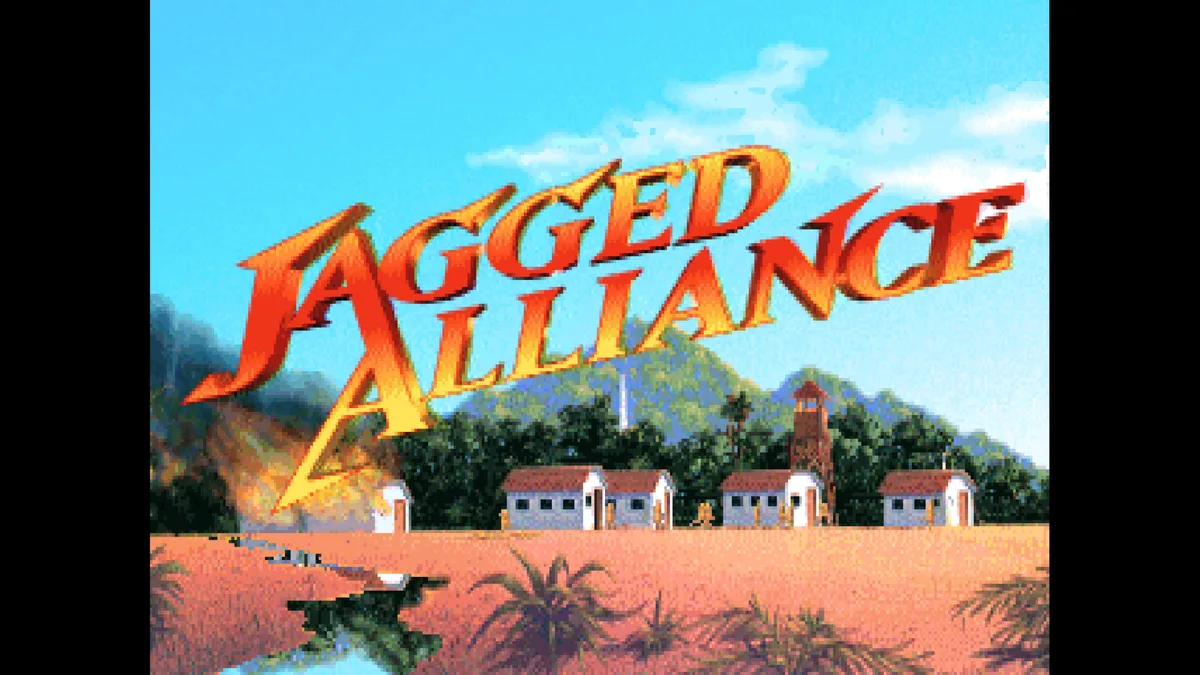
Fallow Trees, Sap, and the Economics of War
On Metavira, the Fallow Trees and the valuable medical sap they produce form the backbone of your war budget. Your commander's task is to cultivate those trees and process their juices, because that processed sap is the basis for your funding. The money generated this way is not a side activity but the pool you draw from to pay for the campaign, so tending the groves and running the juice processing directly feed the resources available to your mercenary force as it operates across the island.
That funding is then reinvested through three named management actions: hiring better mercenaries, training local militias, and managing your equipment wisely. Each draw supplies the force that then reclaims Metavira sector by sector, turn by turn, against Santino. The economic layer and the tactical layer therefore share the same currency: sap-derived money buys the personnel and gear needed to keep pushing, while the campaign itself is framed as helping the people of Metavira by ending Santino's plans.
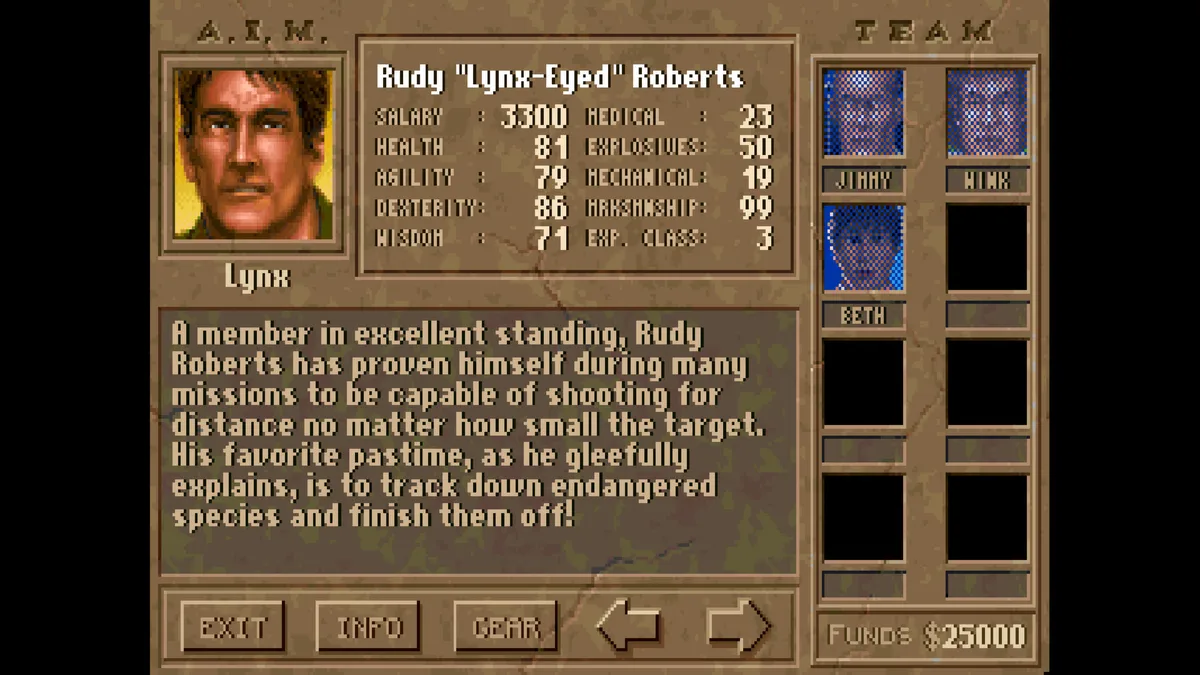
Hiring, Training, and Managing Your Mercenary Force
Your force is drawn from a roster of 60 mercenaries, and the catalog describes them as 60 attitudes and 60 voices, so the pool is presented as a set of distinct personalities rather than interchangeable soldiers. Jack and Brenda bring you in as commander with a mandate to stop Santino's plans, and the same instructions lay out how the force is sustained: hire better mercenaries, train local militias, and manage your equipment wisely. Those three actions are the management layer. Hiring brings new or improved mercenaries into the roster, militia training builds local fighters on Metavira, and equipment management covers the arms your troops carry. The guidance links all of it to a single funding stream: cultivating the Fallow Trees and processing their juices. That processed sap money is the basis for funding, which in turn pays for recruitment, militia training, and gear.
Because the same money pool covers personnel and equipment, the grove work and juice processing sit directly upstream of every management decision. Tending the Fallow Trees and running the sap through processing determines what you can spend; the three named actions show where that spending goes. The game frames the whole effort around helping the people of Metavira, so militia training is part of the stated charge rather than an optional extra. The roster size gives the hiring action room to work. With 60 mercenaries available and each defined by a distinct attitude and voice, recruiting is a matter of choosing among many candidates rather than filling a few fixed slots. Better mercenaries, trained militias, and wisely managed equipment are the documented goals; the funding from processed sap is what makes pursuing them possible.

Personalities Behind the Contracts
The mercenary roster in Jagged Alliance 1: Gold Edition is made up of 60 mercenaries, and the catalog presents them as 60 attitudes and 60 voices. That framing matters for the contract work: the hiring pool is a set of distinct personalities rather than interchangeable soldiers, so filling out your force means picking among many candidates. Jack and Brenda bring you in as commander with a mandate to stop Santino's plans and help the people of Metavira, and the roster's size and variety give the hiring step something concrete to draw from.
Those personalities sit inside the wider loop described for the campaign: hire better mercenaries, train local militias, and manage equipment wisely, all funded by cultivating Fallow Trees and processing their juices. Because the same sap-derived money covers personnel and gear, recruitment is a spending decision like any other. The catalog also lists non-linear gameplay and high replay value, so the order of sectors can vary and repeat runs need not follow one fixed path through the island, while the roster of distinctive attitudes and voices changes who stands alongside you each time.
A Strategy Layer That Rewards Replays
The documented structure of Jagged Alliance 1: Gold Edition is non-linear, so the island campaign does not force a single fixed order of sectors. You can vary the sequence in which you take on engagements, which changes the practical shape of a run: the order in which sectors fall determines what opportunities are open at any moment and how the broader push develops. Turn-based combat provides the tactical layer inside the sequential rhythm of the campaign, while the non-linear map lets the route through Metavira differ from one playthrough to the next.
Replay value is the second structural quality attached to the campaign. Because sector order can vary, a repeat run need not retrace the same path through the island, and the starting and subsequent fights can be approached from a different arrangement of territory. The roster reinforces this: 60 mercenaries are presented as 60 attitudes and 60 voices, so the personnel available for hiring are distinct personalities rather than interchangeable units. Choosing among them, together with a differing sector order, gives the strategy layer its replay dimension.
Sources & further reading.
- Jagged Alliance 1: Gold Edition — official game profileRetrieved Oct 30, 2026
First published .