 THE GAME ARCHIVE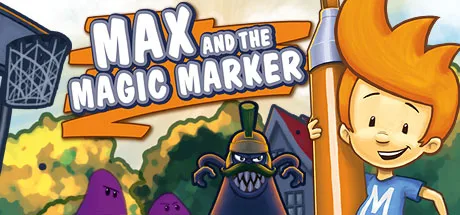
Max and the Magic Marker is a 2010 indie 2D platformer from developer Press Play and publisher The Games Company, released for Windows and macOS. Its premise is deceptively playful: Max draws a terrifying monster with a new marker, the drawing comes alive, and it begins wreaking havoc inside his pictures. He has no choice but to stop the monster if he wants to save those pictures. Where the game departs from the 2D jump-and-run template is the marker itself. Max can change every level directly with it, so that obstacles can be overcome, traps avoided, and puzzles solved in order to send the monster back to where it came from. That single tool links the story goal to the moment-to-moment platforming: the same drawn intervention that rescues Max from a hazard also advances the chase.
A Marker That Rewrites the Stage
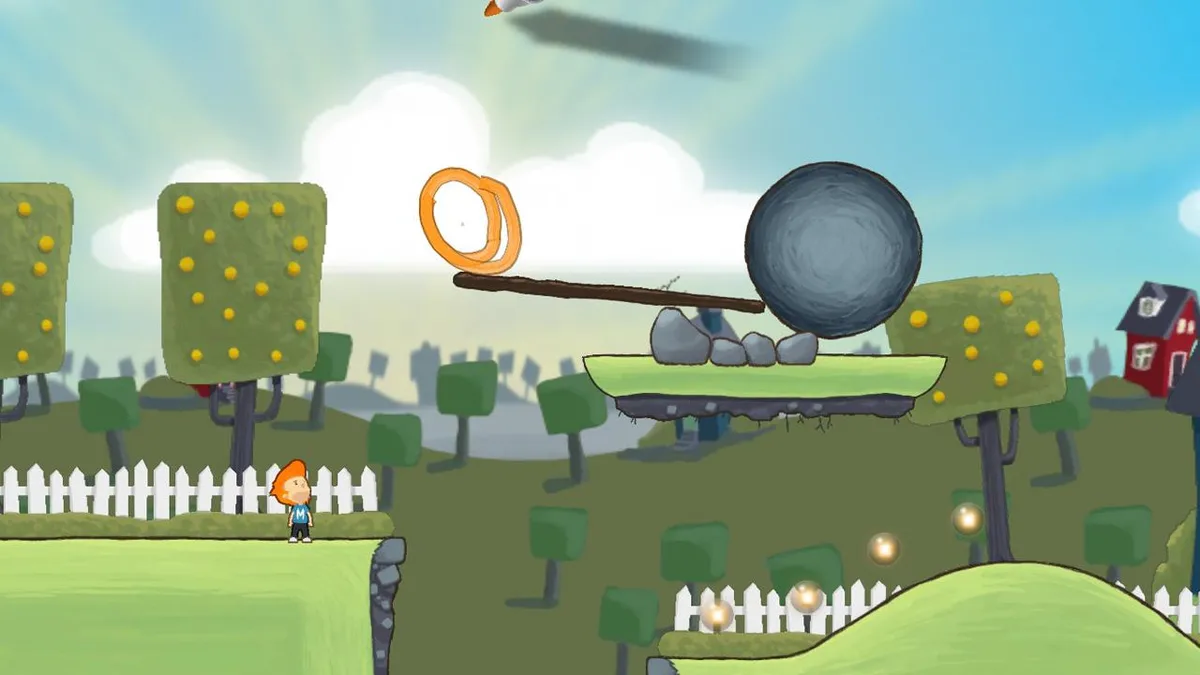
The marker is not a cosmetic item or a collectible; it is the game's central system. Described as an innovative option for directly influencing level design, it lets Max change every level so that all obstacles can be overcome, traps avoided and puzzles solved. That single sentence defines the loop: assess the layout, decide what to draw, and watch the drawn addition convert a blocked or lethal situation into a passable one. Because the tool is virtual and applies to every stage, the player is never merely following a preset route. Each level is a problem the player partially authors, and the authored solution is what carries Max onward toward the monster.
That direct influence over level design is the documented twist, and it operates on every stage. Each level can be changed with the magic marker, so obstacles are overcome, traps avoided and puzzles solved through the player's own drawn interventions rather than preset routes alone. The same tool serves all three tasks, connecting the chase after the runaway monster to the platforming itself. Max has no choice but to stop the monster if he wants to save his pictures, so the marker's level-editing role stays tied to that goal throughout the adventure.
Jumping, Traps, and the Drawings You Must Save
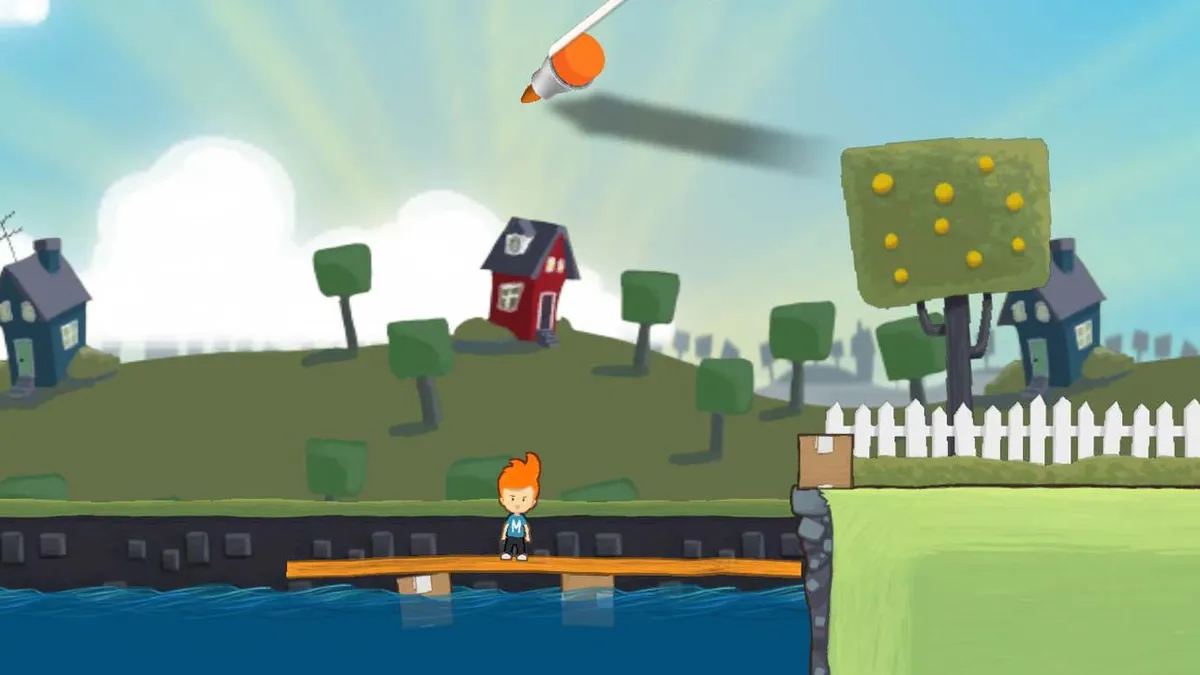
Max must stop the monster to save his pictures, and the marker is his only means. It changes every level so that obstacles are overcome, traps avoided and puzzles solved. Levels contain countless traps, monsters and tricky puzzles. The marker's drawn additions can lift Max over an obstacle, carry him past a trap, or complete a puzzle. Because a single shape can perform several of these tasks, the documented mechanics overlap during play.
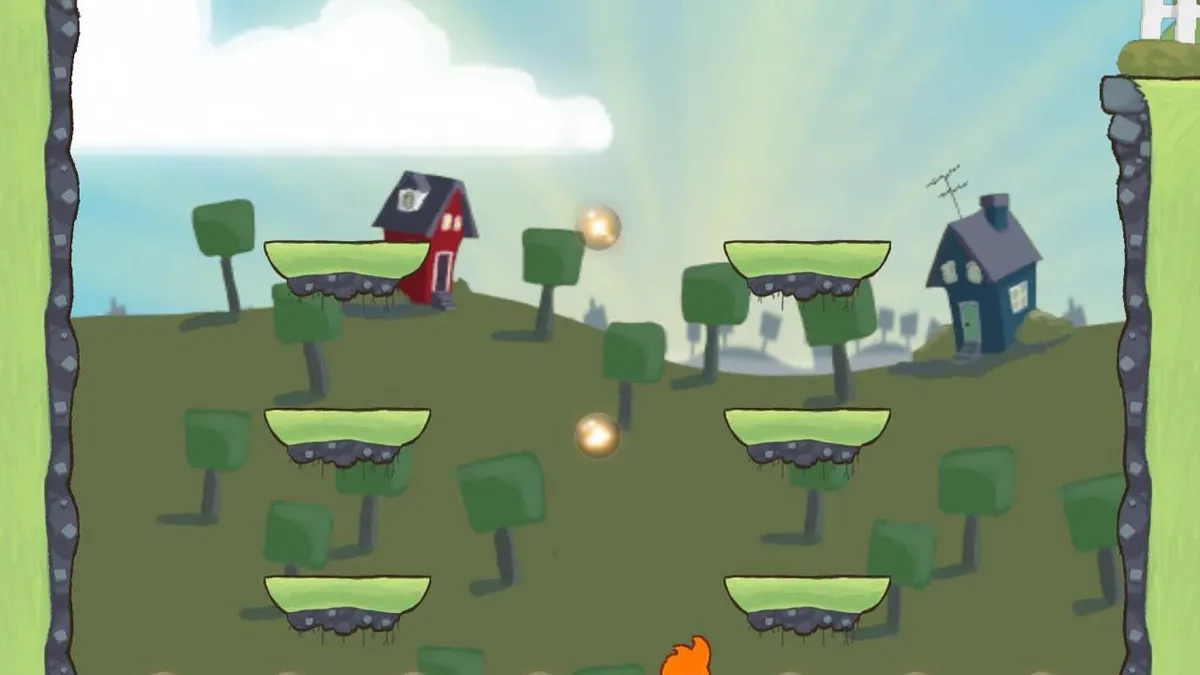
Fifteen levels are spread across three worlds modeled on children's drawings. In each, the marker directly influences level design, letting Max change the stage rather than follow preset routes alone. The same tool serves as the means to overcome obstacles, avoid traps and solve puzzles, so level-editing stays tied to sending the monster back. The level count and the three-world structure are the documented settings where these rules interact.
The Monster Max Drew
Max drew a terrifying monster with his new marker, and the drawing came alive, wreaking havoc inside his pictures. He has no choice but to stop the monster if he wants to save those pictures. The creature is not a background detail; it actively causes destruction across the drawings, and that destruction is the reason Max must pursue it. Every level he enters is part of the same crisis, because the monster remains loose until he sends it back to where it came from. Stopping the monster and saving the pictures are therefore the same task, and the marker is the only documented tool for accomplishing it.
To send the monster back, Max uses the magic marker to change every level directly, so that obstacles can be overcome, traps avoided and puzzles solved. This is the documented influence on the gaming world: the marker lets Max alter the stage instead of relying on preset routes alone. Levels themselves contain countless traps, monsters and tricky puzzles, and the marker's drawn additions are the means of dealing with them. A shape that lifts Max over an obstacle can also carry him past a trap or complete a puzzle, which is why the mechanics overlap in practice. The same level-editing tool serves all three tasks while Max chases the runaway monster.
Three Worlds, Fifteen Levels, Unlockable Secrets
The stage set for this marker-driven platformer is fifteen levels, and those levels are divided among three worlds whose visual basis is children's drawings. So Max's journey to send the monster back unfolds across three distinct drawn settings. Within those fifteen levels, the documented content includes innumerable traps, monsters and tricky puzzles, the same hazards and challenges that the marker's drawn additions are meant to handle. The three-world structure built on children's drawings is therefore the documented setting in which the drawing mechanic, the hazards and the goal of returning the monster interact.
Alongside the level structure, the game documents an unlock system: challenges, secrets and rewards can all be unlocked. That means the fifteen levels hold unlockable content beyond simply reaching the end of a stage, and the categories named are challenges, secrets and rewards. Unlocking challenges, secrets and rewards is thus a documented progression layer running through the level set, distinct from the marker mechanic that lets Max alter each stage to overcome obstacles, avoid traps and solve puzzles.
Sources & further reading.
- Max and the Magic Marker — official game profile Retrieved Oct 16, 2026
First published .