 THE GAME ARCHIVE
The Core Loop: Rearranging Cells Through Splices
Each level is a strand made of cells, and your task is to rearrange those cells into a target structure. This is accomplished through a set number of moves called splices, so the puzzle is really about planning a short sequence of rearrangements rather than making unlimited adjustments. The strand presents a starting cluster, the target structure shows the arrangement you must reproduce, and the splices are the moves you spend to get there. Getting from one to the other means choosing an order of operations carefully, because once you commit to a splice, it counts against your limited total.
The cells react to one another, and those reactions are dependent rather than instant or freely predictable. Because of this, exploration and experimentation are central to figuring out how the curious little cells behave when placed near each other. You then have to predict the sequence of splices you will make to successfully arrange each strand. The loop is therefore one of observing reactions, re-sequencing moves, mutating, and splicing toward the target. The puzzle asks you to visualize sequential series of shapes, since each splice changes the arrangement the next splice acts upon.

Limited Moves and Angelic Solutions
The splices available for a strand form a fixed, limited pool, so the target structure must be reached within that exact count. If you use every splice provided, you can still complete the level and continue through the game; the move limit does not block progress for players who spend the full allowance. Each strand begins with a set of cells to rearrange, and the splices are the moves that carry out those rearrangements. Once a splice is used, it cannot be recovered, so the order in which you arrange the cells determines whether the target is reachable.
Angelic solutions are optimal solutions that need fewer splices than the level allows. Finding one means completing the strand without spending the full move budget, so the same target is reached in a shorter sequence. Every level can be solved in a few moves, making these shorter solutions possible across the full set of strands. Players who use all available splices still advance, while those who seek the angelic solution deliberately finish in fewer splices than provided. This creates two paths through each strand without changing the fixed splice count.
Radial Binary-Tree Geometry and Reactive Cells
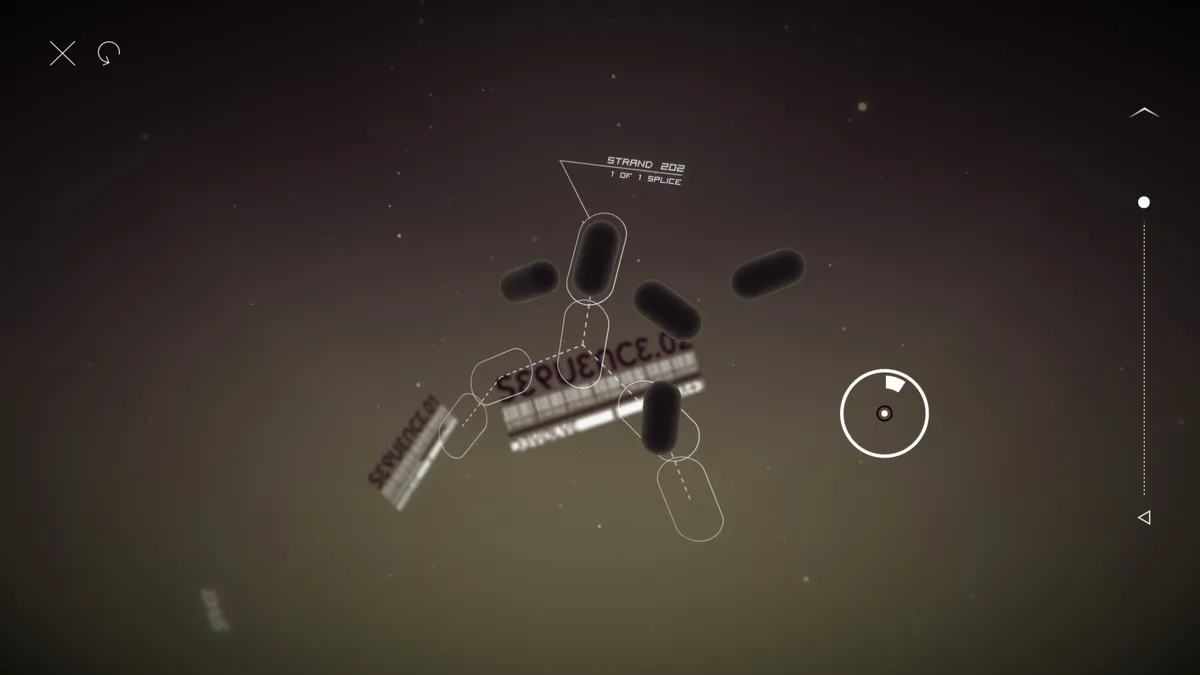
In Splice, the puzzle field is built from a binary tree structure arranged in radial space. This means cellular branches extend outward from a center in circular patterns rather than a flat grid. Each strand consists of cells that you rearrange into a target structure using a limited set of moves called splices. The radial layout changes how you read the board: cells sit along branching arms, and a single splice can shift an entire cluster. Because the tree is binary, each branch point splits into two paths, so the geometry constrains which cells can be brought together. The target structure is also a radial binary-tree form, and matching it requires working within those circular constraints. Exploring the arrangement is key to seeing how the tree's arms relate and where splices will have the greatest effect.
The cells themselves are reactive: when placed near one another, they respond in dependent ways that are not instant or freely predictable. This reactivity means that after a splice, the new arrangement may trigger further changes, so you must anticipate how the cells will behave before committing. The core task is to predict the sequence of splices that will successfully arrange each strand. You observe the reactions, re-sequence your planned moves, mutate the strand, and splice again. The dynamic visualization updates as cells shift, helping you visualize sequential series of shapes. Since each splice changes the board the next splice acts upon, the order of operations matters as much as the individual moves.
Sequences, Progression, and the Microbial Aesthetic
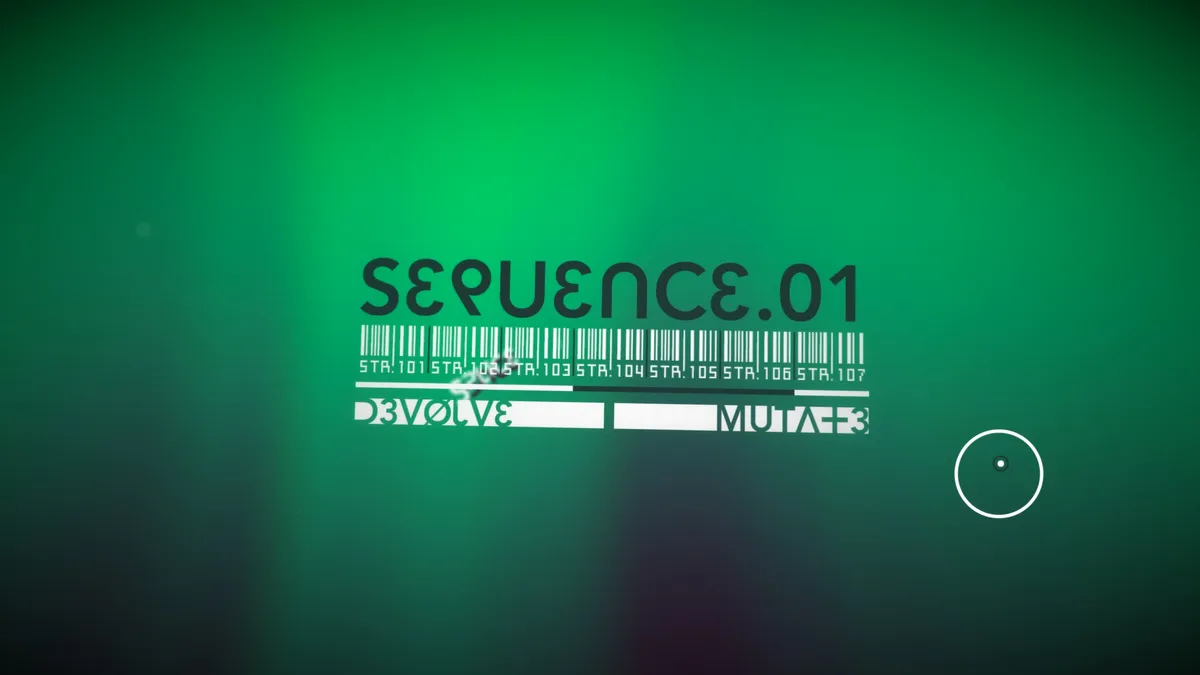
Across the 75-plus puzzles, the main sequences introduce the basic mechanics while the epilogue sequences test how well you handle them. The primitive microbial setting pairs with soothing visual effects and ambience, giving each strand an organic atmosphere. Reaching the final strands leaves a sense of mental accomplishment. The progression itself divides into introductory puzzles that show how cells and splices work, followed by tougher epilogue puzzles that demand a fuller command of the same rules. Each sequence builds on the last, so the visual identity and puzzle structure stay consistent even as the arrangements grow more involved.
Every level can be solved in a few moves, but angelic solutions require finishing with fewer splices than the level provides. Novice players can still progress by spending all their splices, so the fixed budget never blocks the path forward. The primordial microbial aesthetic reinforces the theme of shifting, organic arrangements, with soothing visual effects and ambience across the strands. Main sequences teach the mechanics first, while epilogue sequences ask you to apply those mechanics under more demanding arrangements. The visual style and the puzzle rules remain the same throughout, from the introductory strands to the final ones.
Sources & further reading.
- Splice — official game profile Retrieved Oct 16, 2026
First published .