 THE GAME ARCHIVE
Formations, Combos, and Spells in the Heat of Battle
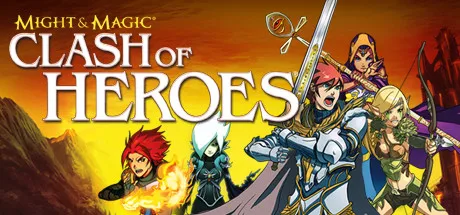
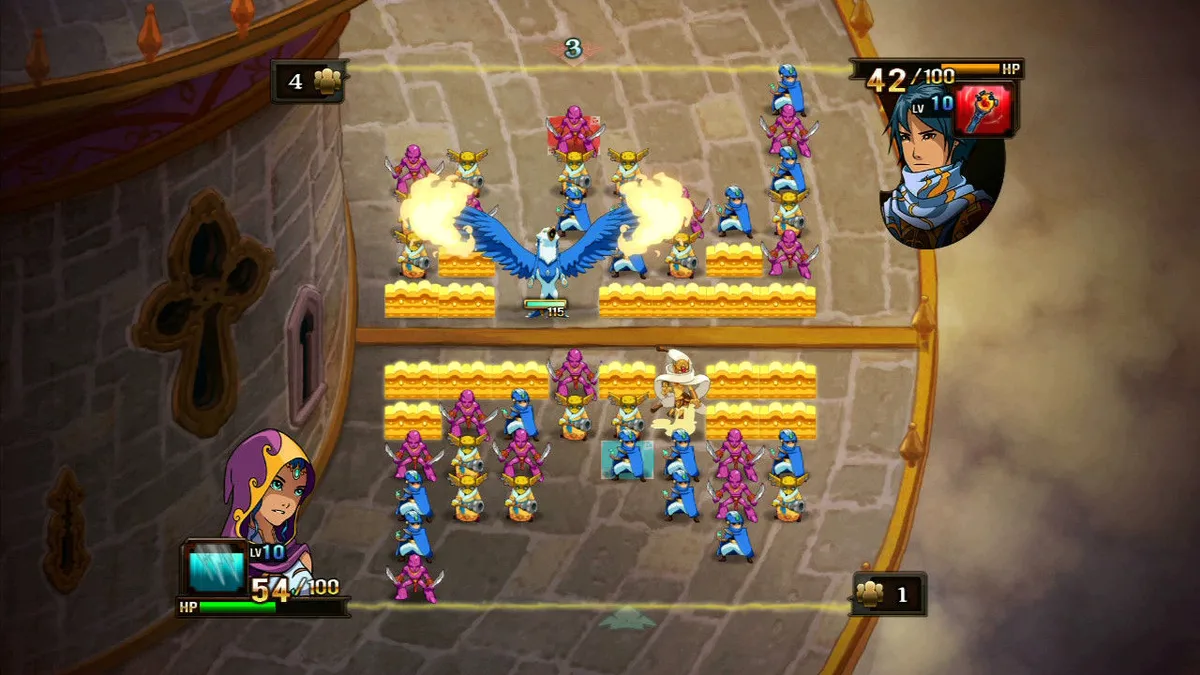
Combat in Might & Magic: Clash of Heroes revolves around arranging your creatures into offensive or defensive unit formations, then steering those arrangements toward advanced combos. The documented rules tie the two layers together: a formation is your basic tactical shape, while a combo is the advanced payoff you build toward, and the game expects you to make the best of both rather than treating them as separate systems. Planning happens before and during the clash, since the stated aim is to build up the right strategy that carries you past the opposing army.
Spells and artifacts sit alongside the formation and combo work as the third input into battlefield strategy. Ten selectable characters are each listed with unique spells and abilities, so which hero you bring changes your spell options. Artifacts are described as enhancing unit capabilities, and the profile groups creatures and artifacts into the army combination that gives you your strongest advantage. In practical terms, the documented loop is to shape formations for offense or defense, learn the advanced combos, and then layer your hero's spells and artifacts on top to finish the strategy.
Building an Army: Recruitment, Leveling, and XP
Army construction begins with earning and hiring units, each carrying different attributes and abilities that shape the final army combination. Because no two unit types share the same profile, recruitment is a matter of selecting creatures whose traits complement one another rather than stacking identical entries. The fantasy world of Ashan supplies the settings where this takes place, with maps populated by knights, elves, wizards, necromancers, and demons. Alongside recruitment, hidden artifacts can be discovered and used to strengthen the assembled force, giving exploration a concrete return beyond the battlefield.
Progression runs through experience points earned after each battle. Those XP points raise the hero as well as the units under their command, so a single victory feeds two levels of improvement rather than one. This links the recruitment layer to the fighting layer: hired units with distinct attributes can be leveled further, and the hero grows alongside them. Discovering artifacts fits the same build-up, since it contributes to forming the most powerful army. The documented arc is therefore battle, gain XP, level hero and units, then recruit and equip for the next clash.
Battle Types: Standard Clashes, Boss Fights, and Puzzle Battles
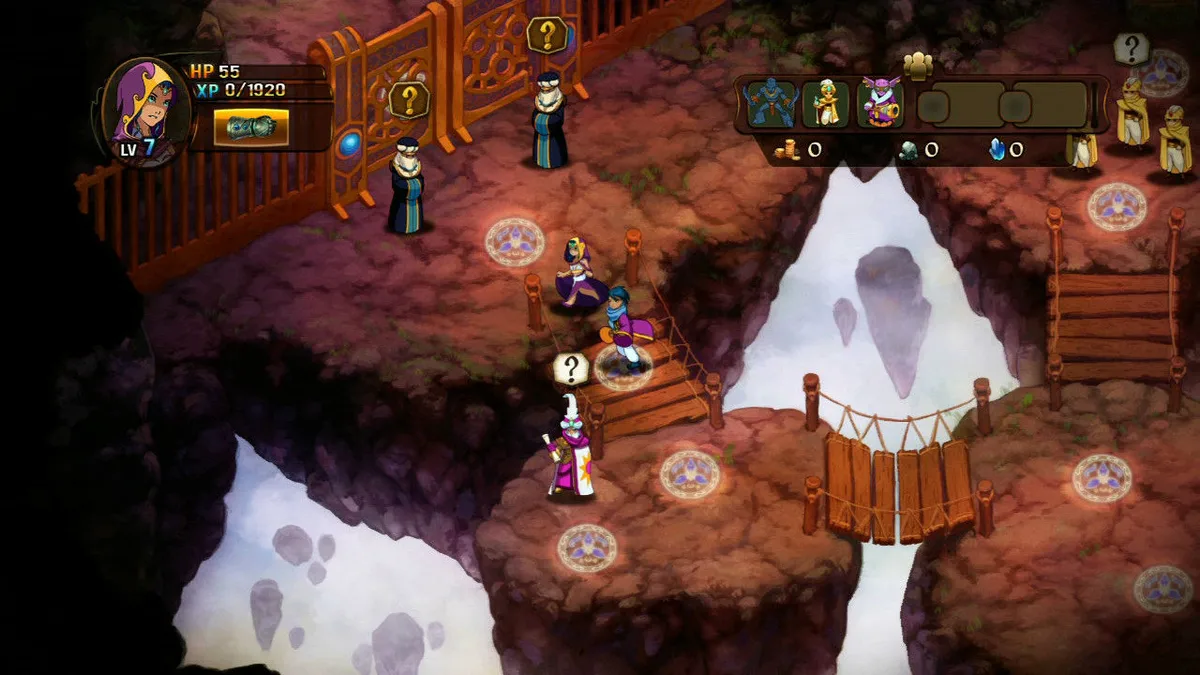
The game documents three battle types, and each asks for a different kind of planning. In standard battles, you defeat enemy heroes by crossing their armies, so the clash is decided by how the two forces meet. Special challenges and boss fights are framed as the places where strategic skills face a severe test. Puzzle battles follow a separate rule set: find the right combination and wipe out the enemy within a limited number of turns, so the task becomes a specific combination solved before the turn count runs out.
The shared thread is that every battle type still runs on the army you assembled and the hero leading it. Unit management means earning and hiring units with different attributes and abilities to create your ultimate army combination, and that roster carries into all three formats. After each battle, XP points level up both your hero and your units, so the same results feed back into the next encounter, including the next puzzle, challenge, or boss attempt.
Heroes and Army-Building Choices
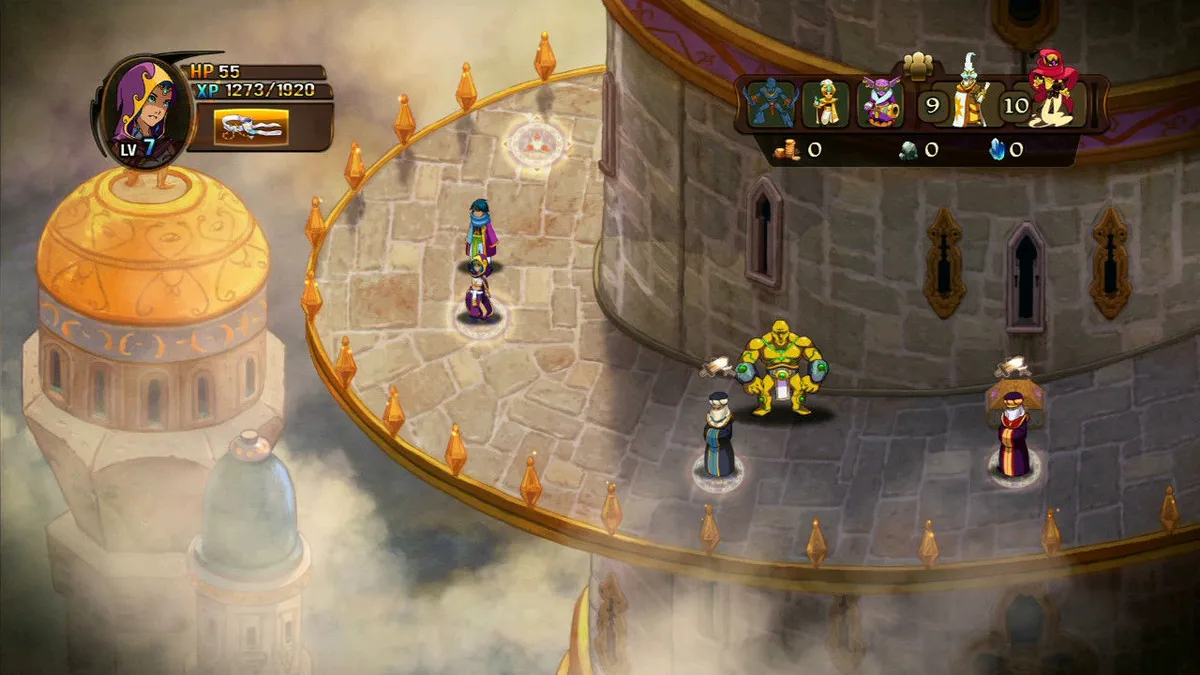
Hero choice and army assembly are the two decisions that shape every roster in the documented build. Ten distinct heroes are available, and each one carries unique spells and abilities, so picking a hero sets which magical tools sit alongside the creatures you field. Army construction is then a matter of selecting the best combination of creatures and artifacts, since the profile frames that pairing as the way to gain the strongest advantage on the battlefield. Recruitment and equipment are therefore treated as one combined choice rather than two unrelated tasks.
Hidden artifacts extend that assembly work beyond the roster screen: discovering them supplies the artifact half of the creature-and-artifact combination the army depends on. The narrative framing gives these choices their setting, with five special heroes traveling their own dangerous paths across five different regions of Ashan to grow in strength, unravel a demonic plot, and ultimately save the world from chaos. Because the story is set 40 years before the Heroes V saga, the documented backdrop is a prequel, and the five heroes' separate journeys are the structure through which army-building and artifact discovery unfold.
Multiplayer Modes: Hot Seat, Online PvP, and Co-op
Multiplayer in Might & Magic: Clash of Heroes splits into two documented formats: a one-versus-one hot seat mode and an online suite for two to four players. The hot seat arrangement keeps both sides of a single duel on one shared setup, so a match stays a direct contest between two armies while played in turns at the same location. Online play widens the field to two to four participants, covering both player-versus-player and co-op configurations in the same mode family.
The co-op battles define the team structure concretely: you join a friend against up to two opponents, making the standard pairing a two-player side facing a matching or smaller opposing side within the four-player ceiling. Because ten heroes each bring unique spells and abilities, and army construction pairs creatures with artifacts, every participant enters these matches with a differently equipped force. The online player-versus-player option uses the same two-to-four-player range, so the same roster choices carry into both competitive and cooperative clashes.
Sources & further reading.
- Might & Magic: Clash of Heroes — official game profile Retrieved Oct 20, 2026
First published .