 THE GAME ARCHIVE
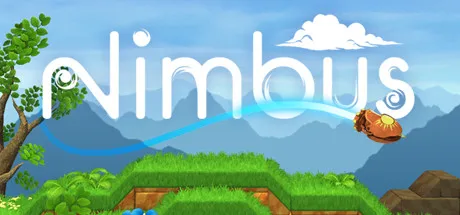
Nimbus, a 2010 Windows indie racing-puzzler from Noumenon Games, is built on a single unusual constraint: the craft you control has no means of directly propelling itself. Instead of a throttle, you rely on whatever is scattered around each level to acquire thrust and reach the goal. That turns every stage into a combined racing and puzzling problem, where the course layout and the usable objects are the only source of motion. The main campaign contains over 50 levels, and the game offers several hours of increasingly harder challenges. A world map of several distinct islands frames the journey, which the store description gives the purpose of recovering a lost love. Progression extends to several trails, levels, and ships to unlock, plus secrets and tricks to discover.
No Throttle: Thrust Comes From the Level
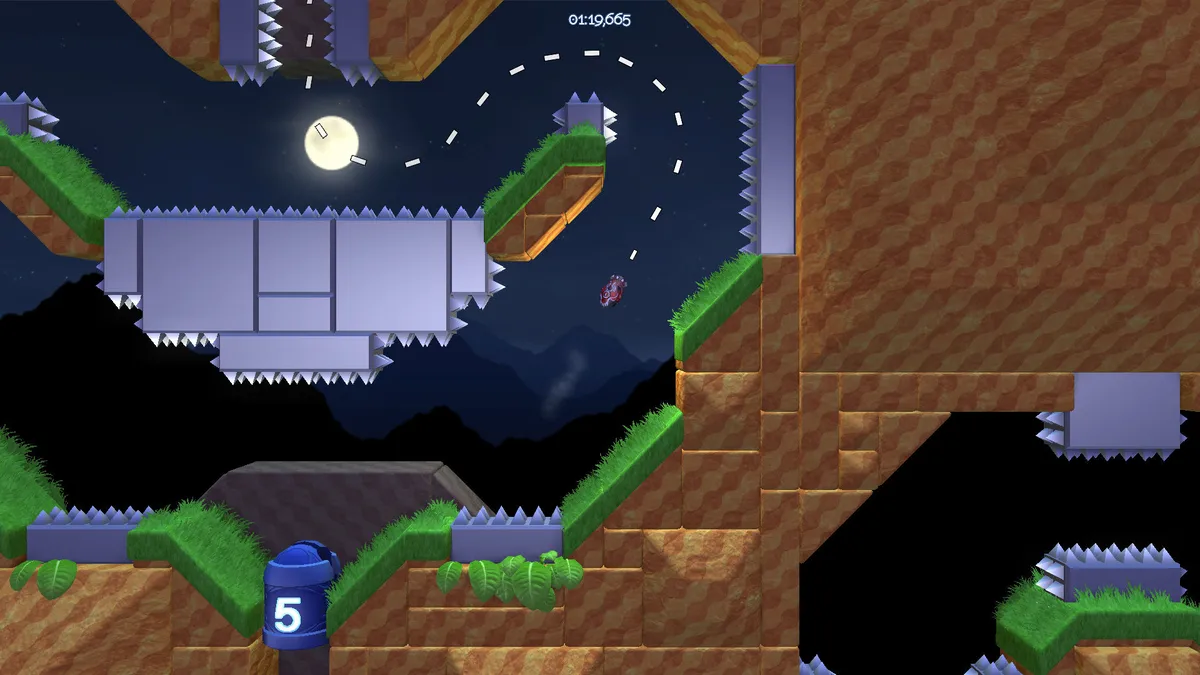
The defining rule is that the player controls a craft with no means of directly propelling itself. Every burst of speed has to come from outside the hull: the player needs to use whatever is scattered around the levels to acquire thrust and reach the goal. This inverts the usual racing instinct. You do not manage a throttle or steer a powered ship; you read the placement of usable objects and work out how to convert the surrounding level into forward motion. The environment is the engine, and the layout is the course.
The practical consequence is a different relationship between planning and execution. Because the craft cannot simply accelerate on command, the placement of usable items decides where speed can be built at all. A level is therefore not a straight sprint but a sequence of environmental pushes, and the racing and the puzzling occupy the same run. Reaching the goal depends on whether the available thrust opportunities are used in an order that actually carries the craft forward, so each stage is read both as a route to follow and as a problem to solve.
Because the store description limits itself to the no-throttle rule and the scattered-object thrust, the precise identity of those objects, the handling model, and how momentum is preserved between pushes are not documented. What the rule does establish is the decision structure: before committing to a run, the player has to judge which available objects can start motion and in what order they can be chained toward the goal. Execution then consists of taking those thrust opportunities cleanly, since there is no engine to correct a misjudged opening.
Racing and Puzzling in a Single Blend
Nimbus is described as a unique combination of racing and puzzling, and the store text calls it a varied blend of levels that requires a combination of skill and puzzle solving. Those two pressures act together. Once the craft is moving, the player still has to handle it precisely through the course; before it moves, the player has to plan which scattered objects to use. The same description notes that the game is easy to understand but hard to master, which fits a rule set this simple: the basic idea of drawing thrust from the level is immediately clear, while applying it under racing pressure is not.
The source also identifies plenty of opportunity for optimizing how you approach each level in order to beat the best times. That matters because a working solution is not necessarily the tightest one. A player can clear a level by finding some sequence of environmental thrust that reaches the goal, then return to refine the approach for speed. This gives the momentum puzzle a second layer: solving the course is one task, and solving it quickly is another. The blend of racing and puzzling is therefore not just a description of genre but a description of how the same level can be played at different levels of ambition.
Over 50 Levels and a Rising Difficulty Curve
The main campaign carries over 50 levels, all built on the same rule: the craft has no direct propulsion and must take thrust from whatever is scattered around the stage. A campaign of that length is a long series of thrust-arrangement problems. What changes from level to level is where the usable objects sit and how they can be turned into forward motion, so variety comes from layout rather than from new controls. The player keeps applying the same core understanding to fresh arrangements of the environment.
Those stages are not fixed in difficulty. The game offers several hours of increasingly harder challenges, so later levels ask for tighter handling once momentum exists and more careful planning of the environmental pushes that set it going. Because a working solution need not be the cleanest one, the difficulty curve also leaves room to revisit earlier levels and improve an approach after the goal has been reached. Skill and puzzle solving act together across the campaign rather than in separate modes.
Unlockable Trails, Levels, Ships and Secrets
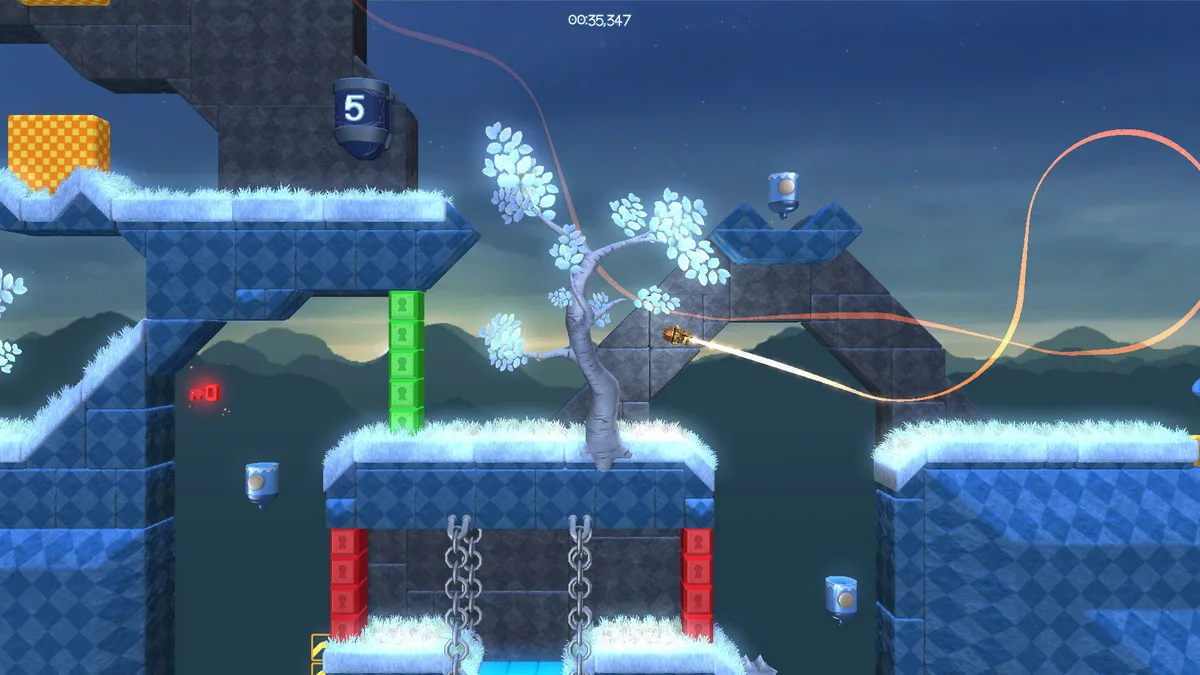
Beyond the main campaign, Nimbus offers several trails, levels, and ships to unlock. Each of these adds a reason to keep playing the momentum puzzles: new courses to read and solve, additional hulls to fly, and trails to earn. Because every stage depends on drawing thrust from scattered objects rather than from the craft itself, each newly unlocked level presents another arrangement of environmental pushes to work out. The unlockables extend the same core rule rather than replacing it.
The store description also promises loads of secrets and tricks. The source does not specify where these are found or what form they take, so they are best treated as part of the game's documented content rather than as a known set of hidden routes. What the evidence does establish is that the game layers discovery on top of its main campaign and unlockable content. The exact nature of the secrets is not detailed in the supplied material.
Islands, a World Map, and a Lost Love
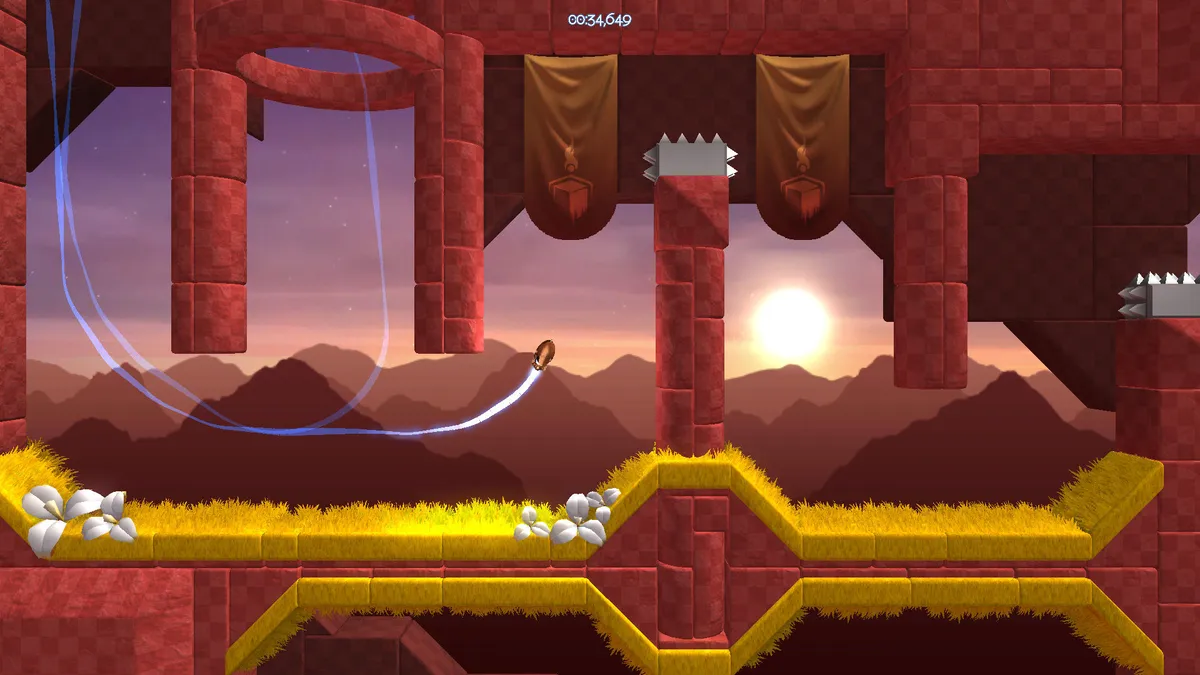
Nimbus frames its momentum puzzles around a journey. The player traverses a world map with several distinct islands in order to recover a lost love. Each island holds levels built on the same rule: the craft cannot propel itself directly, so motion comes from whatever is scattered around the stage. The map gives the campaign a geographical shape, moving the player from one set of environmental arrangements to the next. The description casts the premise as the hook for the campaign rather than as the substance of play.
The world map connects those islands to the main campaign, which holds over 50 levels and grows increasingly harder. Reaching the goal on each stage means acquiring thrust from the scattered objects rather than steering a powered craft. The blend of racing and puzzling in a single run demands both skill and problem solving, and the possibility of optimizing an approach means a working solution need not be the tightest one. Nimbus was released in 2010 for Windows.
Release and Access
Nimbus is a 2010 Windows release from developer Noumenon Games, catalogued in the Steam store under the Indie and Racing genres. The supplied source does not describe ports, remakes, or later package additions, so this profile treats the game as the original Windows release. It also does not provide details on current pricing, availability, or storefront status beyond the catalog entry itself.
Scroll sideways to see the full table →
| Field | Detail |
|---|---|
| Title | Nimbus |
| Release year | 2010 |
| Platform | Windows |
| Developer | Noumenon Games |
| Genres | Indie, Racing |
| Core rule | Craft has no direct propulsion; thrust comes from scattered level objects |
| Main campaign | Over 50 levels, increasingly harder |
| Structure | World map with several distinct islands; recover a lost love |
| Unlockables | Several trails, levels, and ships; secrets and tricks |
Sources & further reading.
- Nimbus — official game profile Retrieved Oct 19, 2026
First published .