 THE GAME ARCHIVE
Commanding the Minion Horde
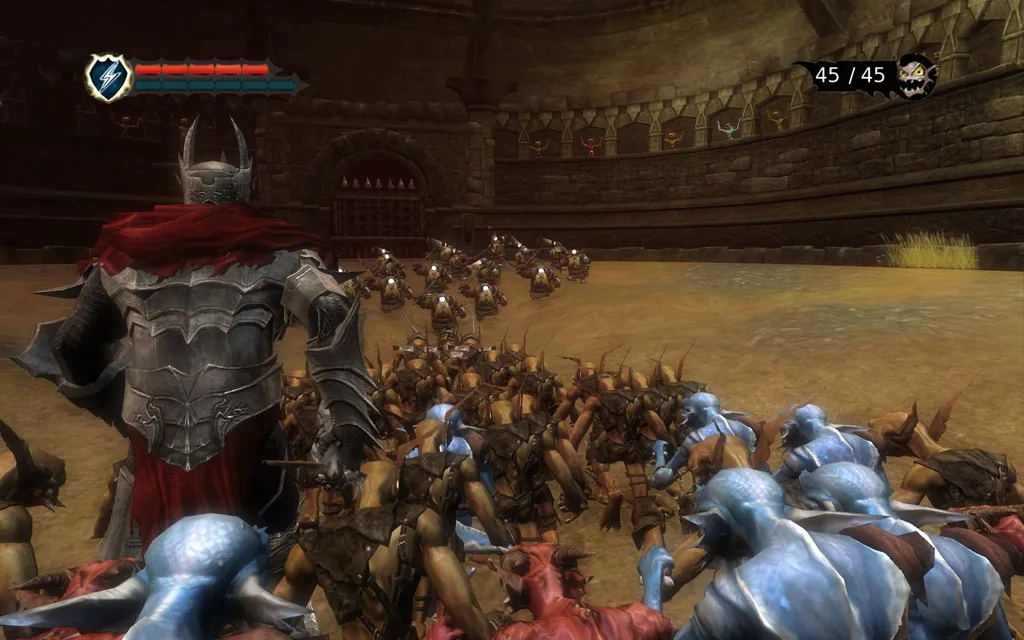
In Overlord, the player takes the role of the Overlord and directs a horde of evil-minded minion creatures rather than acting alone. Control over the crowd is described as intuitive, letting the player steer the group as a single force. The minions serve as the Overlord's instrument for doing evil bidding, and their documented uses are concrete: they smash objects, destroy things, kill targets, steal, and intimidate. These five actions define what the horde is for in play, turning the crowd into a tool applied to whatever the current situation presents.
The documented rules tie minion command to the Overlord's corruption. How corrupt the Overlord becomes depends on how each situation is handled, and the game world responds to those actions. The same horde that smashes, kills, steals, and intimidates is therefore directed within a world that registers what the player does with it. Power is described as available alongside the evil-minded minions, and resisting the temptation to become despotic is framed as the open question. Commanding the crowd and choosing how to apply its actions are thus connected to the corruption the Overlord accrues.
Forging Battlefield Loot into Weapons and Armour
Battlefield loot has a documented purpose in Overlord: the Overlord forges what is collected from the battlefield into powerful weapons. The starting point is the field itself, where the minion horde's smashing, destroying, killing, stealing, and intimidating produce the loot that is then worked into armament. Forging is thus the step that turns battlefield spoils into equipment rather than leaving them as inert trophies. The profile groups this directly under becoming the Overlord, placing the forge alongside the horde's reach and the corruption system as part of the same evil role.
The corruption rule meets the forging rule in the handling of each situation: how corrupt the Overlord becomes depends on how any given situation is handled, and those actions affect the game world. Applying the minions to smash, destroy, kill, steal, and intimidate is the concrete activity that yields material, which the forge then converts into powerful weapons. The temptation described is to be incredibly despotic while holding power and a team of evil-minded minions; the profile leaves open how that temptation is resisted. Loot gathering, forging, and corruption therefore share one chain of events rather than standing apart.
Overlord Powers: Flames and Fear
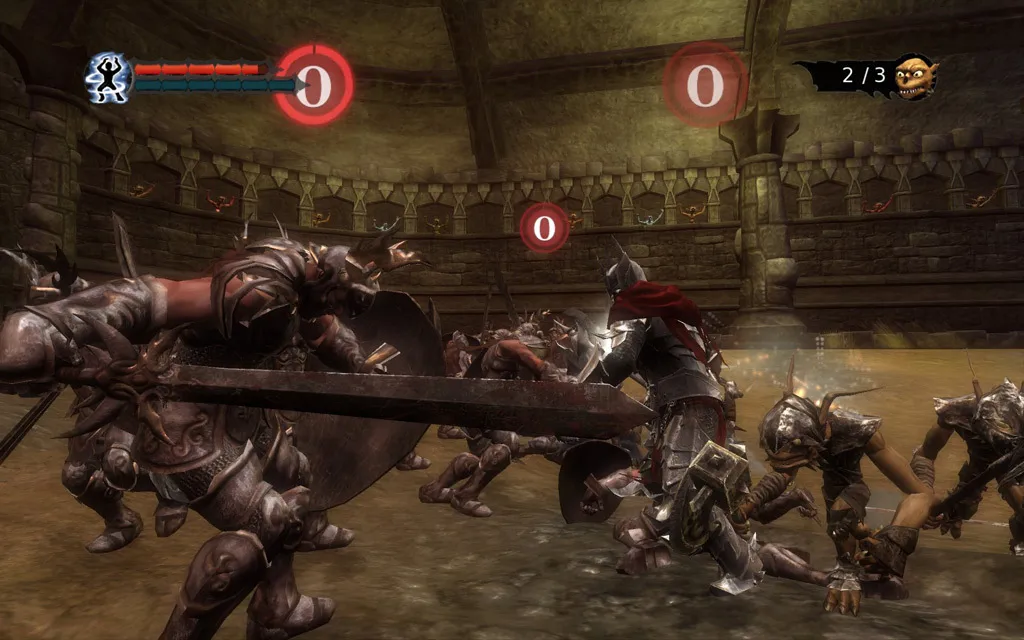
As the Overlord gains power, the profile lists two named abilities under this heading: making enemies burst into flames and making them cower down before the Overlord. One power attacks foes with fire; the other forces them to cower in fear. Both act directly on enemies, so a fight can pair the horde's smashing, destroying, killing, stealing and intimidating with the Overlord's own pressure on the enemy. The profile places these abilities in the same grouping as forging loot from the battlefield into powerful weapons and armour, under the heading of becoming the Overlord.
These powers operate inside the corruption rule: how corrupt the Overlord becomes depends on how any given situation is handled, and the actions taken affect the game world. The profile sets incredible power and a team of evil-minded minions to do evil bidding side by side, then asks how the temptation to be incredibly despotic will be resisted. The stated goals are to conquer the world and impose the Overlord's will on its people, and to defeat the seven fallen heroes to rule over all the world.
Corruption, Conquest, and the Seven Fallen Heroes
The corruption rule gives each situation its own weight: how corrupt the Overlord becomes depends on how that situation is handled, and the actions taken then affect the game world. This is not a separate morality meter sitting apart from the horde—it is the same chain in which minions smash, destroy, kill, steal and intimidate, and the world registers the result. Holding incredible power alongside a team of evil-minded minions to do evil bidding is framed as a temptation to be resisted, not a state to be accepted as the cost of doing business.
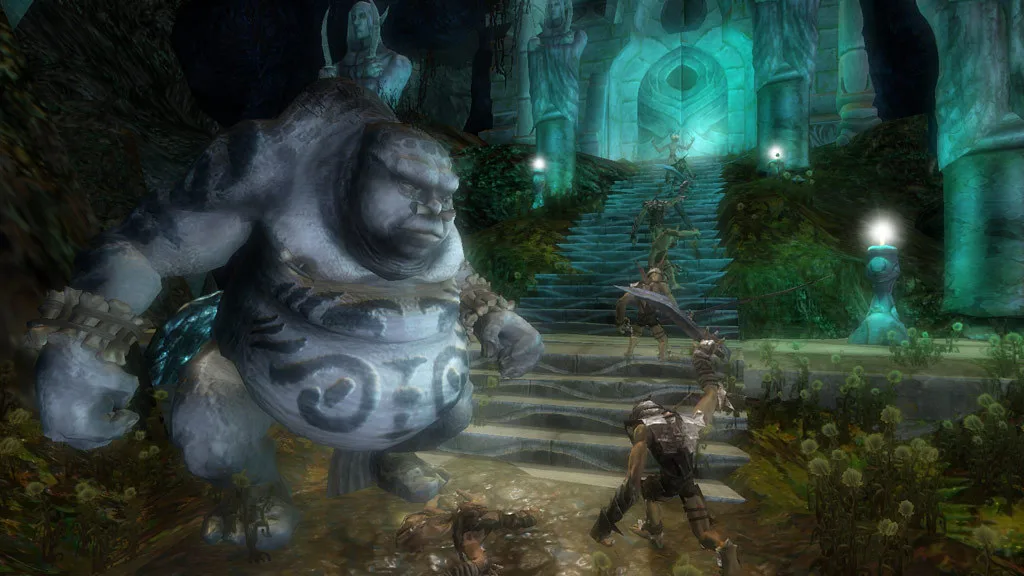
The stated goals are conquest and will: conquer the world and impose the Overlord's will on its people. Standing between that aim and its completion are seven fallen heroes, whose defeat is named as the condition for ruling over all the world. So the campaign's endpoints are concrete—take the world, break its people to the Overlord's will, and remove these seven named figures. The corruption rule runs underneath all of it, since how each situation is handled determines how corrupt the Overlord becomes while pursuing those ends.
Sources & further reading.
- Overlord™ — official game profile Retrieved Oct 16, 2026
First published .