 THE GAME ARCHIVE
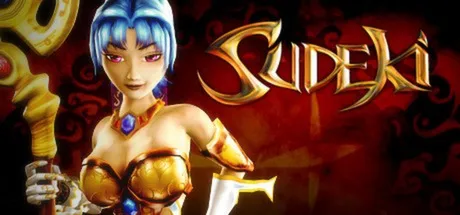
Sudeki is an Action, Adventure and RPG title from developer Climax Studios and publisher Climax Group, released on Windows in 2014. What distinguishes it in play is the combination of a fast, force-forward combat system and a party you steer yourself: blows are described as real-time and bone-crunching, spells and combos are woven into the same fights, and four champions are yours to command and to switch between at will. Each hero carries a personal set of armour, weapons and spells that you customise, and that customisation is tied to evolving new, more powerful attacks.
A World Split Into Light, Shadow and Dark
The fiction gives the combat its purpose. Sudeki is a world torn apart into light, shadow and dark, rent asunder by deceit and betrayal, and the land cries out for a peace that only four united heroes can bring. Those four are friends who have joined together to aid their queen, and their path is destined to bring encounters with ancient gods, primordial wonders and marvellous inventions. The united four are also the unit you play: the premise of a group whose members must succeed together is the same group whose members you rotate through in battle.
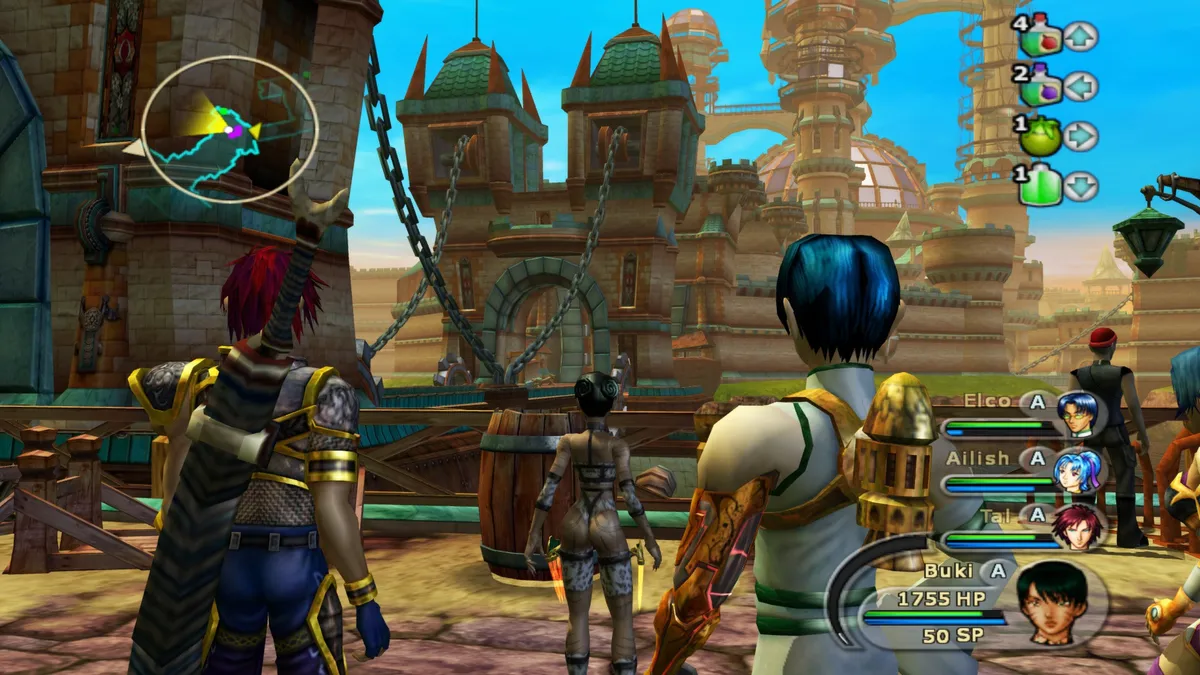
Beyond the protective walls of Illumina Castle lie miles of pastoral, rolling countryside that was once a serene landscape. The Aklorian forces have transformed that countryside into a charred battlefield, so simply passing through the region is unsafe and travellers must be ever alert for ambushes. The journey is also haunted by foes and betrayal at every step. This framing matters for how you approach play: the road itself is presented as hostile ground, and the party's larger aim of bringing peace to a divided world is pursued through a land that has already been scarred by the conflict.
Real-Time Combat Built on Spells and Combos
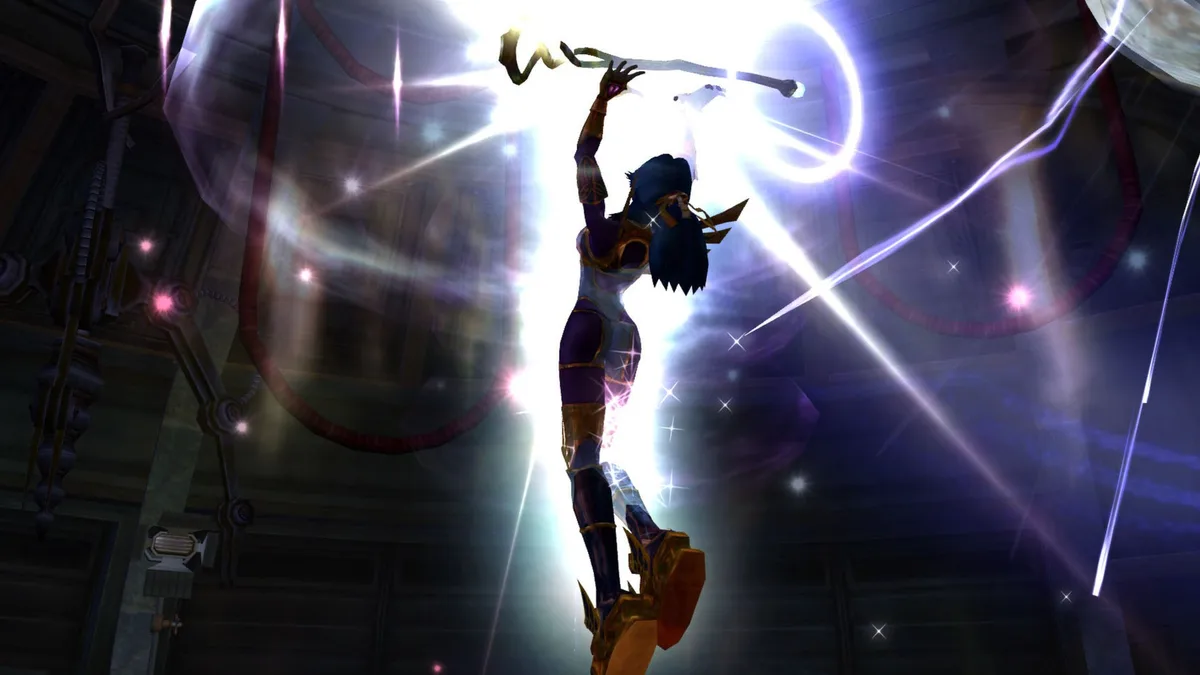
The core of Sudeki's play is real-time, bone-crunching combat with incredible spells and combos. Rather than resolving fights through a detached menu of abstract choices, the system is pitched as immediate and physical: the blows land hard, and the spellwork and combos belong to that same live exchange as the ordinary strikes. Spells and combos are grouped with combat as one package, not offered as a separate mode, which tells you that the abilities you build for a champion are meant to be spent in the thick of a fight rather than saved for a distinct subsystem.
Because the fighting is real-time, the flow of an encounter is continuous, and the player's attention is split between landing hits and bringing spells and combos to bear. That pressure is where the roster decisions begin to matter: each champion's combat options are tied to the armour, weapons and spells you have given them, so the same battle can be approached very differently depending on which hero is holding the field. The spells and combos are the expressive layer on top of the exchange of blows, and using them well is part of what the system asks of you.
Controlling and Switching Between Four Champions
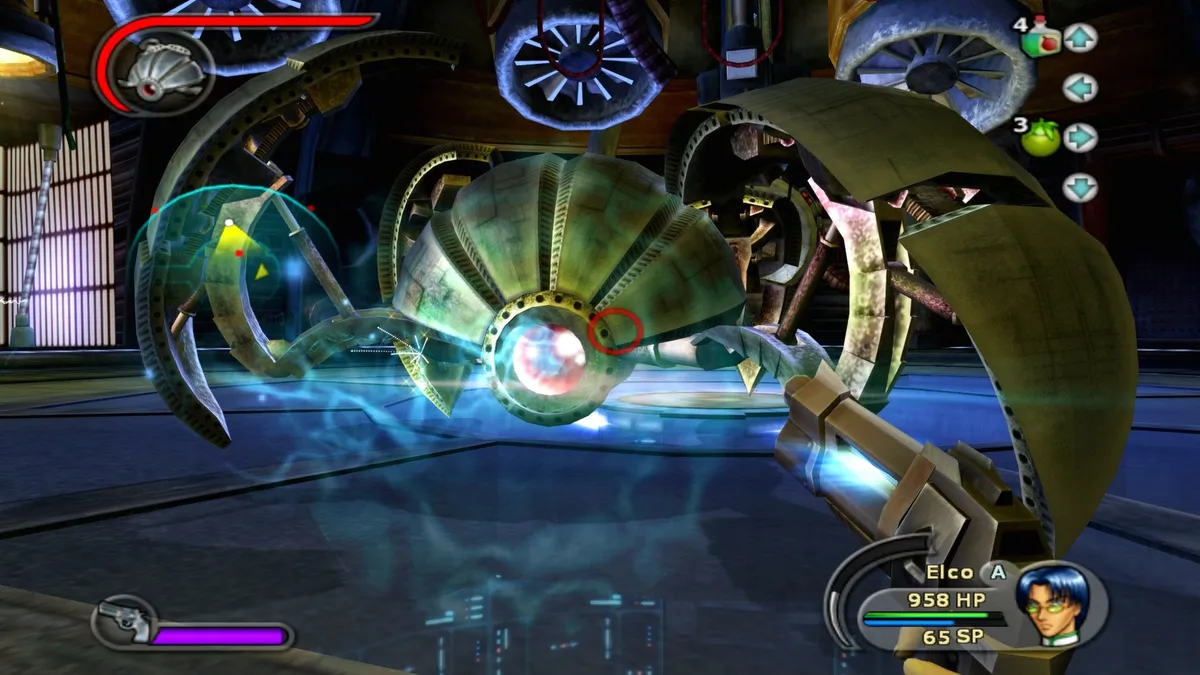
The documented control rule is direct: you control any one of the four champions at any time, and you can skip between them at will. This is the defining handle on the game's party play. The four heroes are each directly playable, and the choice of whom you are steering is not fixed in advance; you can move control from one champion to another by choice. The rule is stated alongside the combat and customisation systems, which places champion-switching firmly within the real-time fighting rather than outside it.
What this produces in play is a party that behaves like a toolkit. When you want the spells and combos of one hero, you can take that hero over; when the situation calls for another champion, you can skip to that one at will. The arrangement also links directly to customisation: because each character has their own armour, weapons and spells, the champion you choose to control determines which of your prepared loadouts is doing the work at that moment. The premise reinforces the same idea, since the four are presented as a united group whose members succeed together, and the system lets you practise that unity by moving freely between them.
Customising Each Champion and Evolving New Attacks
The progression system described for Sudeki rests on personal customisation. You customise each character's armour, weapons and spells, and the source links that practice to a payoff: evolving new powerful attacks. Because the customisation is per character, the preparation you do for one champion belongs to that champion. Combined with the freedom to switch at will, this creates a clear cycle of decisions: you decide what each hero carries, then decide whom to bring forward in a given fight, and the strengths you have shaped for that character come into play when you take control.
The reference to evolving new powerful attacks is the strongest signal of how growth is framed. It sits in the same breath as armour, weapons and spells, so the roster of options available to a champion is presented as something that develops over the course of play rather than remaining static. Spells and combos are treated as integral to combat, which means the new attacks earned through this evolution feed back into the real-time fights where the champions are switched and committed. The loop the documentation supports is therefore preparation, then execution: you shape each hero's gear and magic, you develop stronger attacks from that foundation, and you spend them in the live battles.
Ambushes, Clues and the Road Through the Battlefield
Not everything on the road is resolved by the combat system. The transformed countryside makes passage unsafe, and travellers must stay alert for ambushes, which makes caution a practical habit as the party moves beyond Illumina Castle. A keen eye could prove vital as well, exposing essential clues. Those clues give the exploration side of the game its own demand: observation matters, and the important details are not handed over without being noticed. The dangerous road and the clues you might read along it sit alongside the fighting rather than replacing it.
The larger destination gives these encounters their shape. The four friends set out to aid their queen, and their path is destined to bring them before ancient gods, primordial wonders and marvellous inventions. Along the way, as the companions make their way through darkness and light, they are said to discover that those two extremes have more in common than they once imagined. For a player, this frames the journey as one of moving between opposed regions and the factions and forces within them, with clues and combat alike serving the broader aim of bringing peace to a world split three ways.
Starting Guidance From the Documented Systems
A sensible way in is to treat the four-champion roster as a flexible resource from the start. Since control of any champion can be taken at any time and you can skip between them at will, the habit worth forming early is deliberate swapping: bring a champion forward when their spells and combos suit the moment, then move to another champion when you want different options. Because customisation is per character, it also pays to think of armour, weapons and spells as belonging to specific heroes and to shape them with the switch in mind rather than treating the party as a single undifferentiated unit.
Second, invest in the evolution path. The documentation explicitly ties customising armour, weapons and spells to evolving new powerful attacks, so building out each champion's loadout is the route toward stronger options rather than a cosmetic side activity. Since spells and combos are part of the real-time fighting, the new attacks you develop are meant to be used in the encounters the road throws at you. Third, keep your guard up between fights: the countryside is a charred battlefield where ambushes are a real concern, and a keen eye for clues is offered as vital, so watching the landscape as carefully as you watch the enemy is part of the intended experience.
Scroll sideways to see the full table →
| Detail | Value |
|---|---|
| Game | Sudeki |
| Developer | Climax Studios |
| Publisher | Climax Group |
| Platform | Windows |
| Release year | 2014 |
| Genres | Action, Adventure, RPG |
Sources & further reading.
- Sudeki — official game profileRetrieved Oct 28, 2026
First published .