 THE GAME ARCHIVE
What Task Force 1942 Asks of a Commander
Task Force 1942 is a World War II Pacific War surface naval simulation in which you command a fleet of destroyers, cruisers and battleships against aggressive enemy forces in the South Pacific. The published material frames the fleet engagement as the heart of play: the flagship is itself a target, a Long Lance torpedo can rip through its hull, and enemy gunfire sends huge columns of water up around your battleships. The simulation is described as painstakingly researched, and the official store copy presents the surface action as the point of the experience rather than a backdrop.
The documented routine of command is narrow but concrete: firing torpedoes into enemy vessels and issuing commands to ships and convoys, with enemy ships confronted head-on in explosive night battles. Those tasks are presented together as the daily work of the commander, so the game's decisions sit at the intersection of ordering your fleet and launching weapons. The published description does not detail specific controls, interface layouts or mission routes; it establishes what the player does and the setting in which those actions occur.
The Premise: A Vulnerable Flagship and a Hostile Sea
The official description opens with the flagship under threat: a Long Lance torpedo rips through its hull, and enemy gunfire surrounds the battleships with water columns. That framing establishes the stakes of the simulation before any order is issued. The game is set in the World War II Pacific theater and is billed as the first in a series of World War II Pacific War simulations from MicroProse, so the surface engagement is placed inside a larger naval-war context.
Because the flagship and battleships are shown taking damage, the premise implies that commanding a fleet is not a detached exercise in moving counters. Your own hull and your heaviest ships are exposed to torpedoes and enemy gunfire in the same waters where you are firing back. The catalog frames the whole experience as the thrills and risks of surface naval combat, which matches the opening image of a flagship under torpedo attack.
The Core Loop: Issue Orders, Fire Torpedoes, Confront the Enemy
The documented gameplay loop has two recurring player actions: issuing commands to your ships and convoys, and firing torpedoes into enemy vessels. Those are named as part of the daily routine, alongside confronting enemy ships head-on in night battles. In practice, that structure asks the player to manage friendly vessels and, in the same engagement, choose when to launch torpedoes at the enemy. The source material treats these as the ordinary work of a commander rather than optional side activities.
The sequence matters because the game presents both launching torpedoes and receiving enemy fire as part of the same surface action. A commander who orders ships and convoys while firing torpedoes is working against aggressive enemy forces in the South Pacific, not against a passive target. The published description does not spell out timing windows or damage models, but it does establish that friendly command, torpedo launch and hostile gunfire all occur inside the fleet engagement.
Ships and Fleets: Destroyers, Cruisers, Battleships
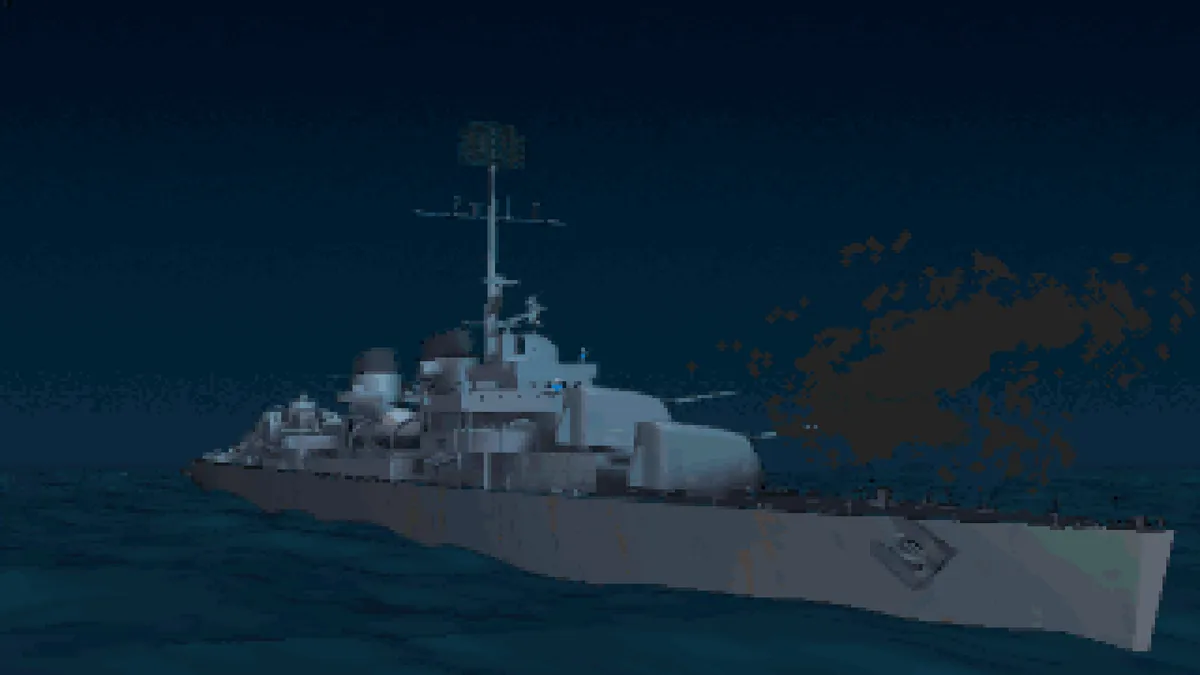
The fleet you command is made up of destroyers, cruisers and battleships, and the catalog lists hundreds of combat ships faithfully reproduced. That roster gives the commander a mix of ship classes to direct against aggressive enemy forces. The published material does not assign separate roles to each class, but it does place all three inside the fleet you command.
The flagship and battleships are described as taking enemy fire, which makes the larger ships feel like assets the commander must shepherd rather than abstract tokens. Because the same fleet includes destroyers and cruisers as well, the composition points toward managing a force of varied vessels rather than a single vessel. The store copy's emphasis on hundreds of reproduced combat ships supports the idea that the roster is a central content feature of the simulation.
Night Battles, Torpedo Wakes and Blinding Explosions
Night battles are where enemy ships are confronted head-on, and the visual language of those engagements is defined by torpedo wakes and explosions. The catalog promises frightening torpedo wakes and blinding explosions so realistic the player would need to change uniforms every time they play. That hyperbolic line still communicates what the designers chose to emphasize: the visible traces of torpedoes and the flash of hits are central to how night actions are presented.
Within a night engagement, the launch of a torpedo and the arrival of the weapon are both documented events. A Long Lance torpedo can rip through the hull of your flagship, while enemy gunfire throws up water columns around the battleships. The realism of the wakes and explosions is presented as a selling point, and those effects give the commander visual signals to read while ordering ships and firing torpedoes in the same battle.
Choosing a Side and a Battle Format
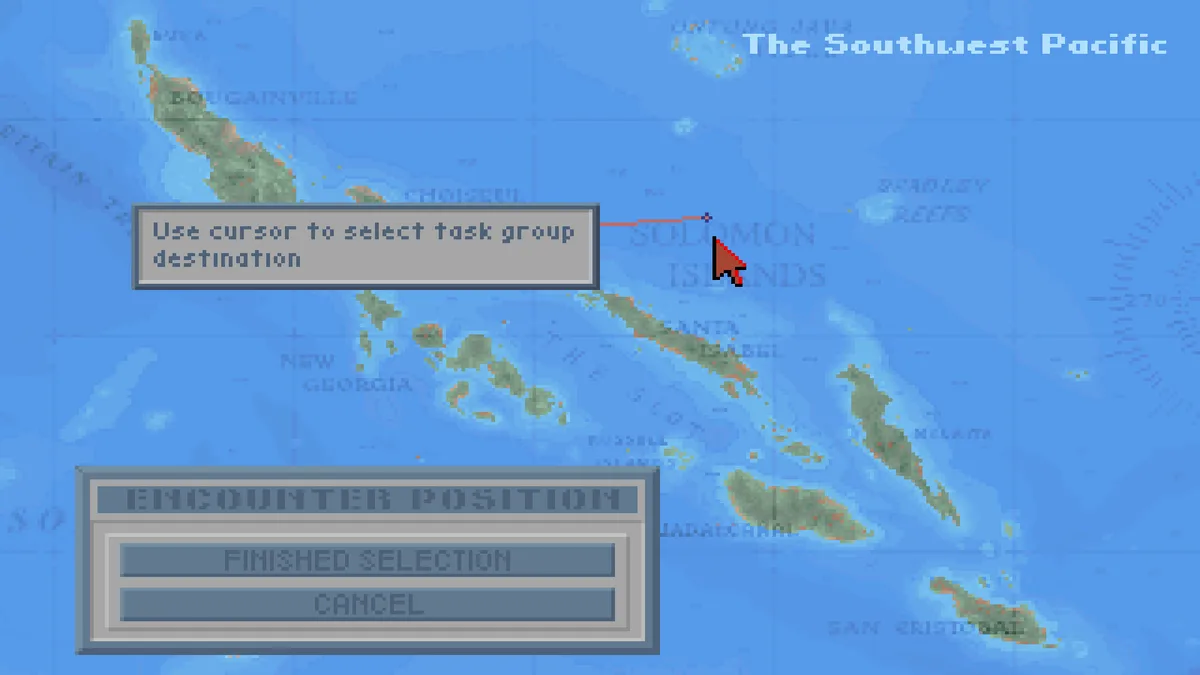
Before the fighting, the player chooses to command U.S. or Japanese forces. The catalog also lists two formats for battle: single engagements or comprehensive campaigns. Those two choices sit above the surface action: allegiance determines which side you command, and the format determines whether you fight a single engagement or a longer campaign.
The published material does not describe how campaigns are structured, how many missions they contain, or whether ships carry over between battles. It simply presents single engagements and comprehensive campaigns as the options for battling enemies. The hundreds of faithfully reproduced combat ships are listed alongside those options, indicating that both the American and Japanese sides draw from a shared pool of modeled vessels.
Source-Backed Starting Guidance
The store copy notes technical guidance from Vice Admiral William Mack, Gunnery Officer aboard the John D. Ford in the World War II Solomons Campaign. For a new commander, that detail is worth knowing because the simulation presents itself as grounded in real naval service rather than generic arcade combat. A player approaching the game should expect to think in terms of a fleet of mixed ships and the documented actions of firing torpedoes and issuing commands, not in terms of a single controllable avatar.
One practical note from the catalog concerns access: the manual needed for copy-protection is included and can be found in the game folder. Since the published description does not document control schemes or interface details, the manual is the natural first stop for a player who wants to understand how to command ships and fire torpedoes before entering a night battle.
Design Character: Research Framed Through Spectacle
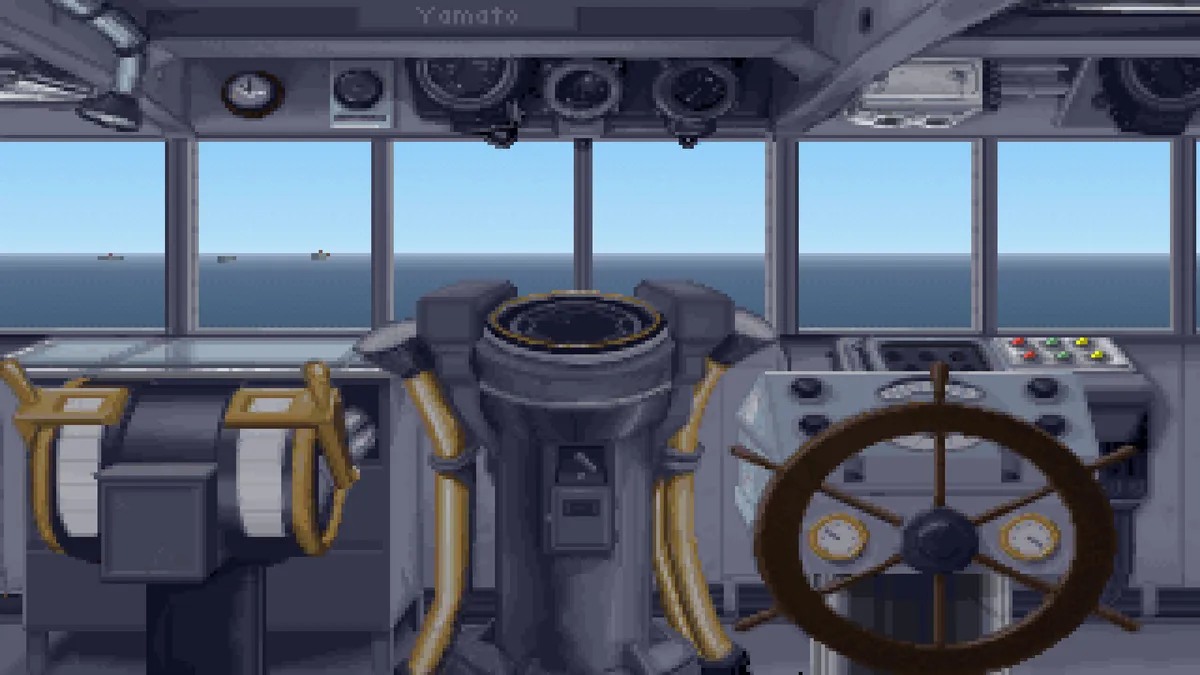
The catalog balances two claims: a painstakingly researched simulation and dramatic presentation of torpedo wakes and explosions. That combination shapes the game's character. The research sits behind the fleet command, the reproduced ships and the sourced guidance, while the spectacle is carried by night battles, the vision of a torpedo ripping through the flagship's hull, and the columns of water thrown up by enemy gunfire. The result is a simulation that tries to make the risk of surface combat visible, not just procedural.
Release and Current Access
The catalog lists Task Force 1942 with a release year of 2014 and platforms Windows, macOS and Linux, developed and published by MicroProse Software. The Steam product date for the page should not be confused with when the game first appeared; a store record date is not proof of original release timing. Readers looking for the official version should rely on the catalog's stated platforms and publisher rather than on third-party reuploads.
Scroll sideways to see the full table →
| Fact | Value |
|---|---|
| Title | Task Force 1942: Surface Naval Action in the South Pacific |
| Developer / Publisher | MicroProse Software |
| Genre | Simulation |
| Release year | 2014 |
| Platforms | Windows, macOS, Linux |
| Command choice | U.S. or Japanese forces |
| Battle formats | Single engagements or comprehensive campaigns |
| Fleet types | Destroyers, cruisers, battleships |
Sources & further reading.
- Task Force 1942: Surface Naval Action in the South Pacific — official game profileRetrieved Nov 1, 2026
First published .