 THE GAME ARCHIVE
An Empty Planet and a Toolkit of Rain, Lightning, and Seedlings
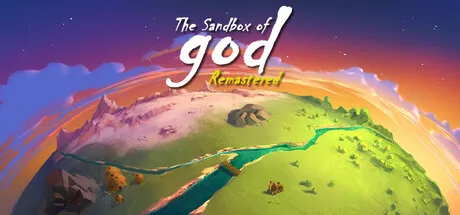
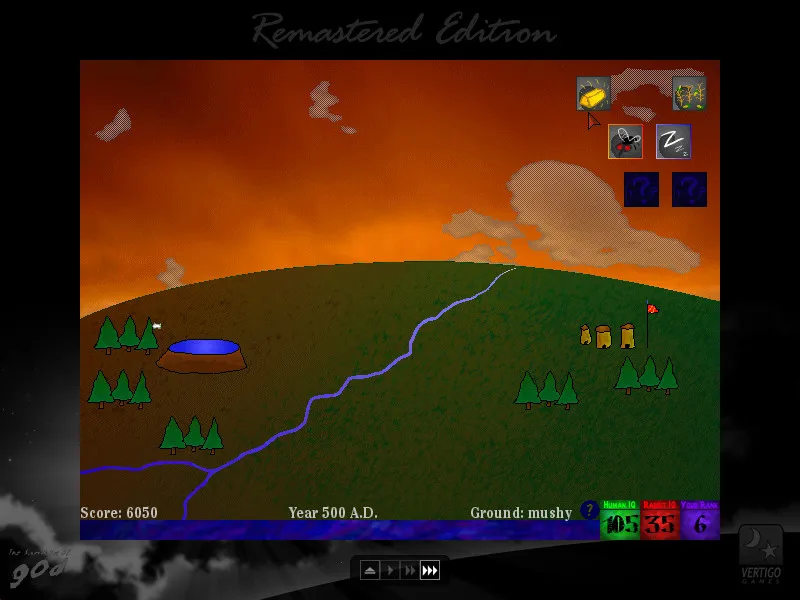
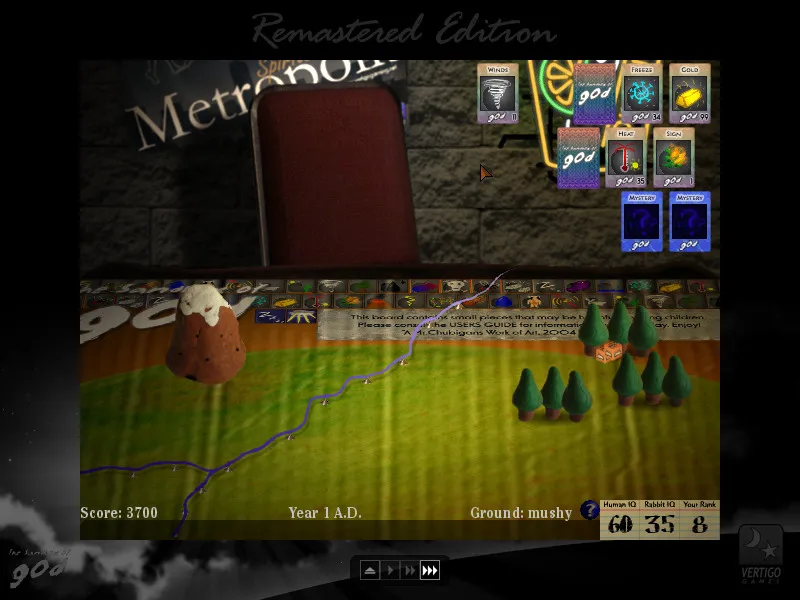
The Sandbox of God: Remastered Edition begins with an empty planet and a collection of world-shaping tools at the top right of the screen. The available actions range from rain and lightning to earthquakes and floods, alongside seedlings for trees. These are actions you select and execute to shape the world, rather than features of an already populated setting. The same toolkit also includes the creation of humans and rabbits, placing natural forces, vegetation, and living inhabitants within the set of options available to build your world.
The governing rule is that actions form a sequence: the world's shape depends on the order in which you use them. Choosing a tool therefore means choosing its place among the other actions, not merely deciding whether to use rain, a flood, or an earthquake at all. This gives the opening toolkit a purpose beyond supplying individual events. Its natural forces and life-creation options serve the broader task of building and guiding a world, with the landscape developing according to the sequence you have chosen.
Earthquake Before Flood: How Action Order Changes the Landscape
To form a river spanning the planet, unleash an earthquake before a flood. The earthquake opens a crack in the earth; the flood then fills that opening with water. This sequence joins two separate actions into a landscape-building process: first create the channel, then supply the water that occupies it. The resulting river depends on the terrain left behind by the earthquake, rather than on the flood alone. Here, the earthquake’s role is not simply to disturb the ground, but to prepare a feature that the next action can use.
Reverse those steps and the same pair of actions produces a different landscape. A flood unleashed first leaves the ground insufficiently dry for the earthquake to create that crack, preventing the channel-forming step of the river sequence. The distinction is a specific terrain condition: the earthquake needs dry enough ground, while the earlier flood changes that condition before it can act. Experimenting with these two orders therefore means comparing how water behaves after a crack exists with how flooding alters the ground before an earthquake reaches it.
Creating Humans and Rabbits, Then Guiding Their World Through Time
Creating humans and rabbits brings living inhabitants into the world you are shaping. Both are available as life-creation options, and your role extends to influencing their development and their interaction with the environment. The task therefore includes guiding life as well as forming terrain: humans and rabbits become part of the planet’s development, alongside the environmental changes produced by your actions.
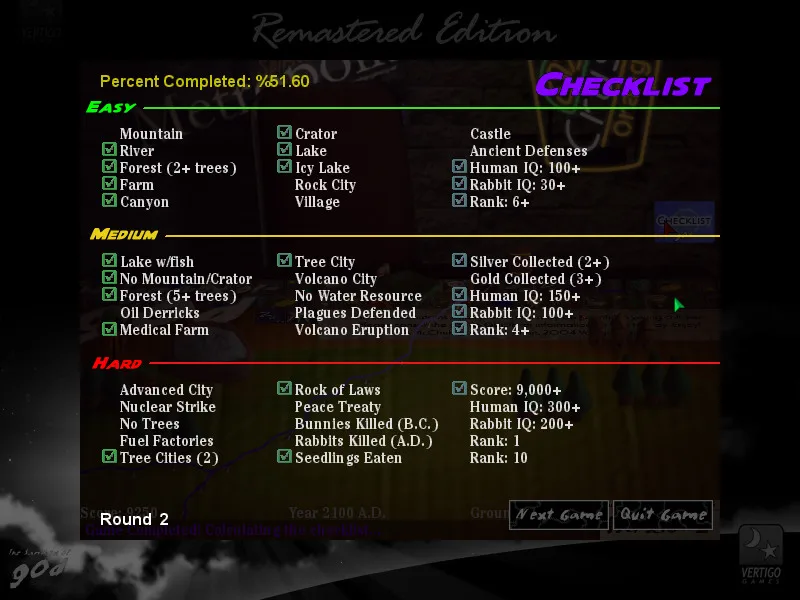
That guidance unfolds across eons, with progression tied to the world’s development. Creating inhabitants belongs within this longer process rather than standing apart from the work of shaping their surroundings. Your choices influence the planet’s evolution over time, while life develops within that changing environment. The focus remains on the world as a whole: its physical shape, its inhabitants, and their relationship with the conditions you help establish.
Tools to Thrive and Prayers to Answer—or Ignore
For humans, your role includes providing the tools they need to flourish, then deciding how to respond when they turn to you for guidance. Their prayers follow that provision: supporting the people you have created leads to requests for further direction. You can answer those prayers, continuing to guide their lives, or leave them unanswered. Giving humans the means to thrive therefore does not commit you to directing everything that follows; the decision to offer guidance remains separate from the help you have already supplied.
Rabbits can also learn to pray, extending this relationship beyond human inhabitants. Their appeals likewise leave the response to you: listen and provide guidance, or ignore them. Leaving prayers unanswered allows the inhabitants to determine their own destiny, rather than receiving your direction whenever they ask for it. Prayer thus introduces a different kind of decision from providing tools: once living creatures seek your help, you choose whether to remain involved in their direction or let them proceed without an answer.
Sources & further reading.
- The Sandbox of God: Remastered Edition — official game profileRetrieved Nov 7, 2026
First published .