 THE GAME ARCHIVE
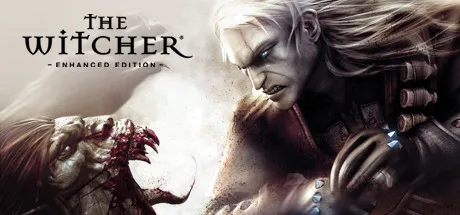
Six Combat Styles in Real-Time Swordplay
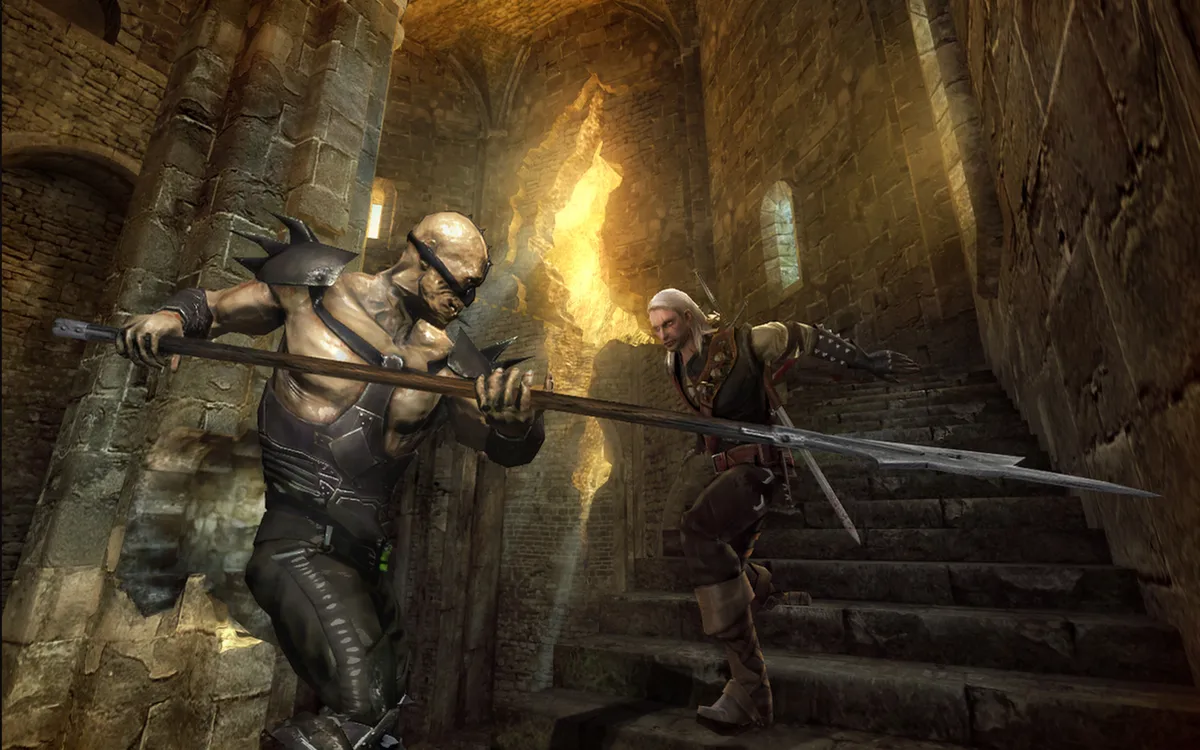
Combat in The Witcher unfolds in real time, with Geralt fighting using six combat styles. The swordplay is grounded in real medieval sword-fighting techniques rather than stylized flourishes, and players mix those styles with dozens of potions, a complex alchemy system, modifiable weapons and powerful magic. That combination is meant to add tactical depth to the fluid action: a fight is not just repeated swings but a decision about which style, preparation and gear to bring. The Enhanced Edition also lists improved combat responsiveness among its technical changes.
The sword animations were produced through motion capture performed by medieval fighting experts at Frankfurt's Metric Minds studio, yielding 600 in-game combat animations. That figure shows the scale of the animation set that supports the six styles: each style draws on recorded movement rather than hand-keyed choreography alone. The result is described as spectacular and authentic, anchoring the real-time fights in the physical techniques the motion-capture performers practice. Together, the six styles, the tactical layering of potions, alchemy, weapons and magic, and the improved responsiveness define how the documented combat system works.
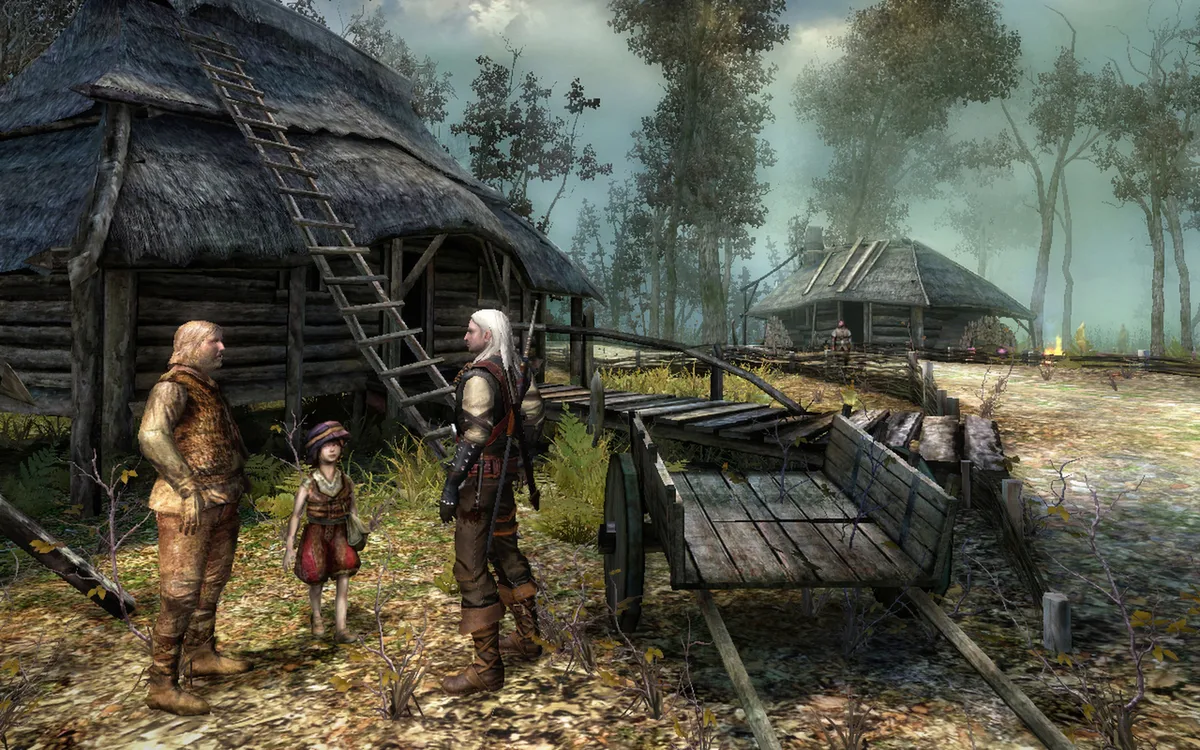
Potions, Alchemy, and a Dedicated Ingredient Sack
The Witcher's combat is built around preparation as much as swordwork. Players wield six combat styles while drawing on dozens of potions, a complex alchemy system, and modifiable weapons; the same tactical layer that shapes a fight also shapes what Geralt carries into it. The Enhanced Edition expands that layer through an enhanced inventory, which adds a separate sack for alchemy ingredients alongside a simple sort-and-stack function. Those two features address the practical side of gathering and using materials, keeping ingredient organization distinct from the rest of Geralt's belongings and making the alchemy system easier to work with during play.
The dedicated ingredient sack is the clearest change to how alchemy is managed. Rather than mixing reagents into the general inventory, the Enhanced Edition stores them separately, while the sort-and-stack function streamlines item organization and usage. This matters because potions are one of the ingredients in the combat formula: the game pairs its six combat styles with dozens of potions, a complex alchemy system, and modifiable weapons. Sorting and stacking applies across that collection, so the alchemy-focused inventory and the broader item management described for the Enhanced Edition are documented as connected parts of the same system.
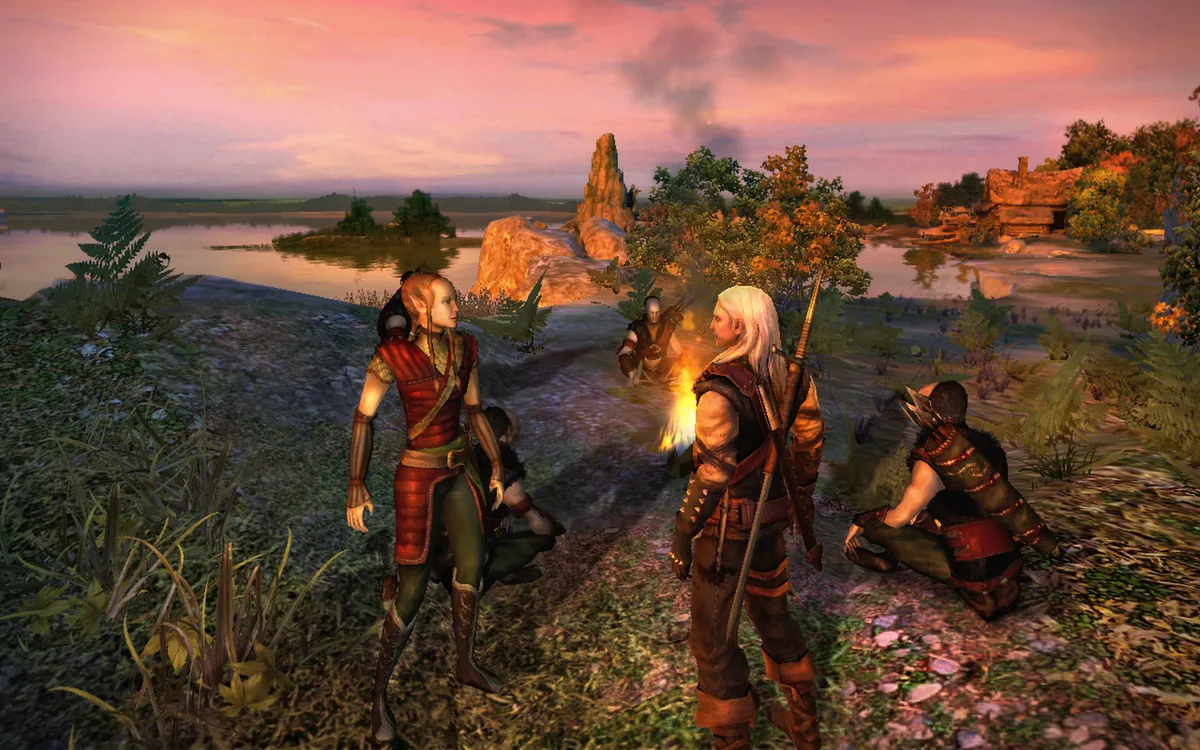
Building Geralt From 250-Plus Abilities
Character building in The Witcher runs on a pool of more than 250 special abilities, combat skills and magical powers. The player selects from that pool to assemble a Geralt suited to a chosen approach, so the build is defined by which abilities, skills and powers get taken up rather than by a single fixed path. Because the options span combat techniques and magic alike, the same character can be shaped toward swordwork, signs or a mixture, and the documented total sets the scale of the choice available.
That progression sits inside a single-player role-playing game set in a dark fantasy world drawn from Andrzej Sapkowski's literature, where the catalog places the emphasis on story and character development alongside a tactically deep real-time combat system. The 250-plus abilities therefore feed a character who is also the protagonist Geralt of Rivia, a swordmaster and professional monster slayer, and the build choices connect directly to how that figure is played through the morally ambiguous setting.
Moral Choices and Three Different Endings
Moral choice is the mechanism the game uses to organize its storyline. The setting is described as one where moral ambiguity reigns, shattering the line between good and evil, so quests can be accomplished in a variety of ways rather than through a single sanctioned method. Geralt of Rivia is caught in a web of intrigue woven by forces competing for control of the world, and the game asks the player to make difficult decisions and live with the consequences. Those decisions are not cosmetic: the narrative is built from turns, twists and ambiguous moral decisions that carry real impact on the storyline as it develops.
That accumulated impact is what resolves the ending. The narrative is documented as culminating in one of three different endings depending on the player's actions, so the outcome is determined by what was done across the quests rather than settled at a final choice alone. Because quests can be completed in multiple ways and the moral decisions are described as ambiguous, the three endings are tied to a storyline that never presents a clean division between right and wrong. The result is a plot structure where variety in quest solutions feeds directly into which of the three conclusions the player reaches.
Sources & further reading.
- The Witcher: Enhanced Edition Director's Cut — official game profile Retrieved Oct 20, 2026
First published .