 THE GAME ARCHIVE
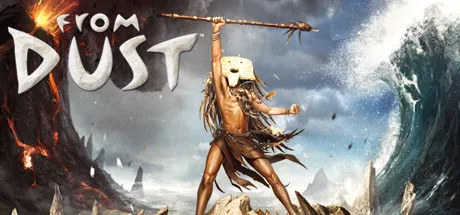
Sculpting the World with Godlike Powers
In the role of a guiding presence, you direct a primitive tribe across an evolving world in which nature continuously reclaims what belongs to it. The setting is a real-time nature simulation rendered as an interactive sandbox: terrain, water, vegetation and other visible elements evolve as you watch and touch them. Rather than commanding units directly, your leverage over the tribe's fate comes from handling the elements themselves. Elemental mastery is framed as the people's only route to survival, so the terrain you reshape is also the mechanism that keeps the tribe alive.
The documented rules tie these powers to the threats the tribe faces. Mighty nature acts as an adversary, and the elements you control serve as the tribe's defense against those natural forces. Your mastery grows across the campaign as one continuous progression: the more you shape the land, the more the tribe can withstand a world that keeps shifting. Because everything visible evolves in real time, reshaping terrain to redirect or contain natural forces counts as direct intervention on the tribe's behalf, not abstract menu management. The game profile identifies Eric Chahi as the concept's creator; a Steam product date is a store record, not the original release year.
Surviving Nature's Devastating Attacks
Survival in this section is defined by confronting mighty nature directly: the documented objective is to protect the primitive tribe against nature's most devastating attacks. Those attacks arrive as named threats, with tsunamis and wildfires counted among them. The defense is not a separate combat system but the same elemental handling that shapes the archipelago, so the acts that redirect water or contain fire double as the tribe's shield against the world's renewed violence. The tribe itself is described as primitive, and its protection against these natural forces is the task the rules set before you.
These attacks unfold across the settings already established for the archipelago, among them tropical islands, volcanic landscapes and deserts, and the rules note that everything visible evolves dynamically in real time. That timing matters because a tsunami or wildfire is not a fixed hazard waiting in a level; it is part of a world in constant evolution where nature reclaims what is hers. Your mastery of the elements is framed as the people's only chance of survival, which ties the defense of the tribe to how well you handle those forces during the thirteen story territories.
A Living Archipelago in Real Time
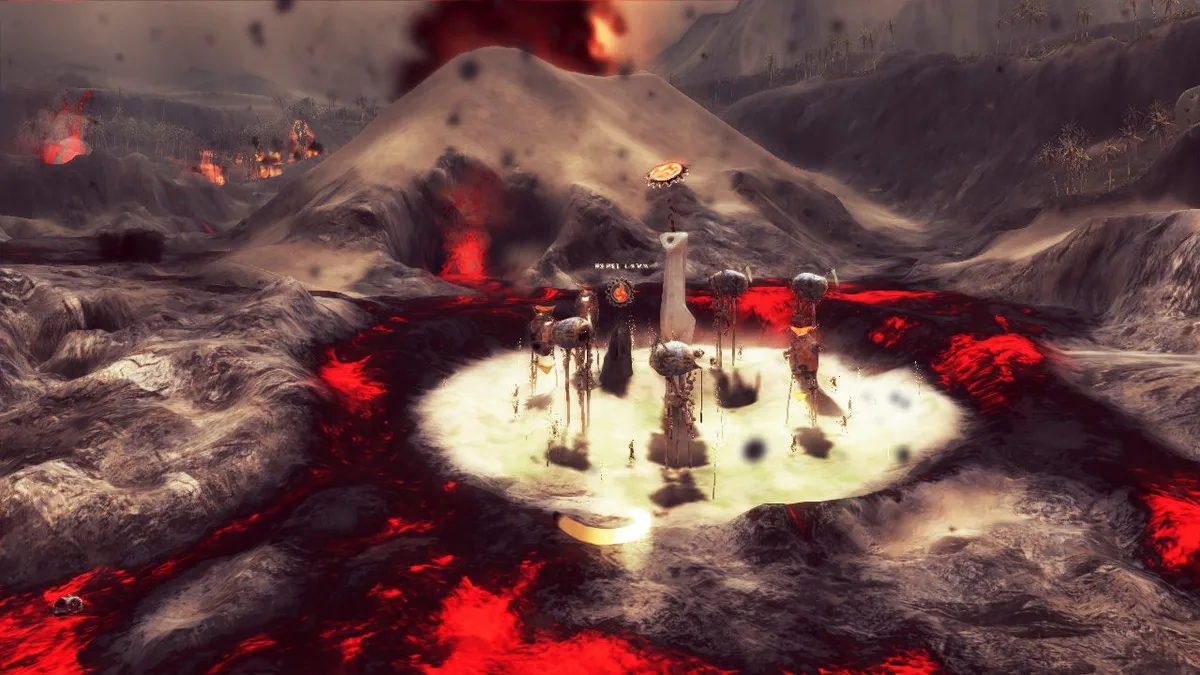
Viewed as a living archipelago in real time, the game is built as a nature simulation rather than a set of disconnected stages. Everything on screen, from terrain and water to vegetation, evolves dynamically as the simulation runs, so the landscape changes whether or not you act. The settings span tropical islands, volcanic landscapes, deserts and further regions, and the world is framed as one in constant evolution where mighty nature reclaims what is hers. Because that evolution is continuous, the archipelago never holds still long enough to be treated as a finished puzzle.
Within that evolving archipelago, the documented rules set a clear goal: protect a primitive tribe against nature's most devastating attacks, including tsunamis and wildfires. The defense is not split off from the simulation; it operates through the same elemental mastery that the profile calls the tribe's only chance of survival. Story mode places this work across thirteen territories of emergent gameplay on a mysterious archipelago, where the tribe seeks to recover the lost powers of its ancestors. In each territory, mastering the natural forces at play and keeping the people alive against incoming attacks are the same ongoing task.
Story Mode's 13 Territories and Ancestral Powers
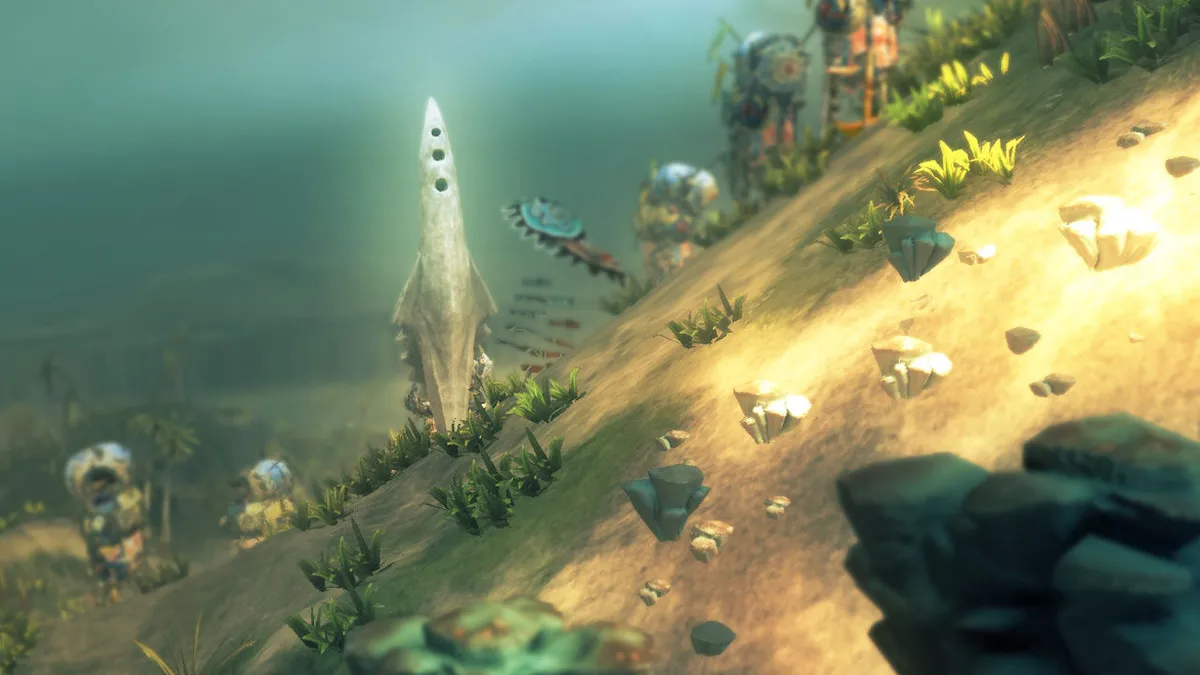
Story mode spreads its emergent gameplay across thirteen territories on a mysterious archipelago. In each territory the tribe pursues a single documented goal: recovering the lost powers of its ancestors. The environments vary widely, from tropical islands and volcanic landscapes to deserts, so the natural forces you must master differ as the campaign moves between regions. Territory count is fixed at thirteen, and the ancestral-power objective is the through-line connecting every one of them, giving the campaign a destination beyond simply staying alive.
Recovering those ancestral powers is the progression mechanic itself: the tribe's lost abilities return as you master the natural forces at play in each territory. That recovery runs alongside defense, since the documented task also requires protecting the tribe against nature's most devastating attacks, tsunamis and wildfires included. The two threads interact because mastering natural forces is how ancestors' powers are regained and how the tribe survives incoming attacks. Thirteen territories of emergent gameplay therefore measure both the tribe's restored legacy and its continued survival.
Challenge Mode: 30 Maps Against the Clock
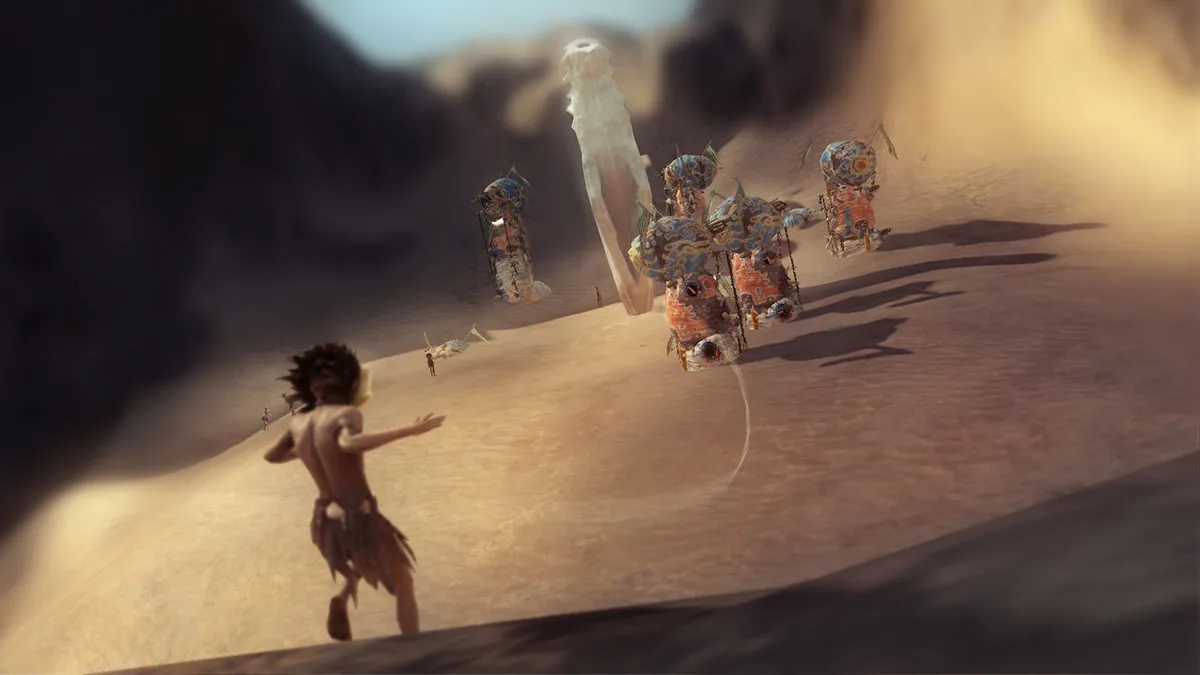
Challenge Mode adds thirty maps beyond the main campaign, and each one is played against the clock. The profile frames these scenarios as puzzle-like challenges in which time is of the essence, so the pressure comes from the countdown rather than from a separate set of rules. Because the same godlike powers remain in play, the familiar acts of holding back lava, stopping raging waters, emptying lakes, growing forests and raising mountains become the tools for solving each timed map. The aim is to reach a solution before the clock runs out.
Scores earned in Challenge Mode are compared with the community on worldwide online leaderboards. That scoring layer sits alongside the puzzle design: a map counts as a puzzle-like challenge where time is of the essence, and the leaderboards place the resulting scores against other players worldwide. The documented threats remain part of the mode's context, since the tribe's protection against nature's devastating attacks is the overarching task, and the thirty extra maps extend that work into timed scenarios rather than replacing it with a different objective.
Sources & further reading.
- From Dust — official game profile Retrieved Oct 20, 2026
First published .