 THE GAME ARCHIVE
Turn-Based Combat and Unmatched Customization
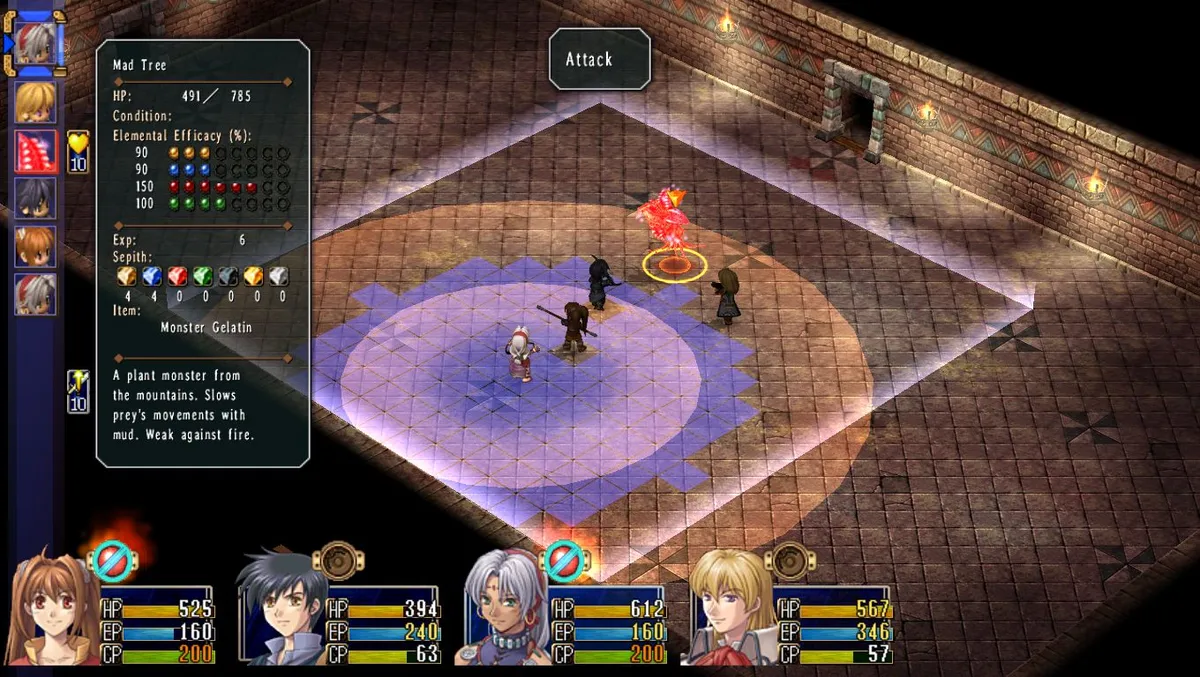
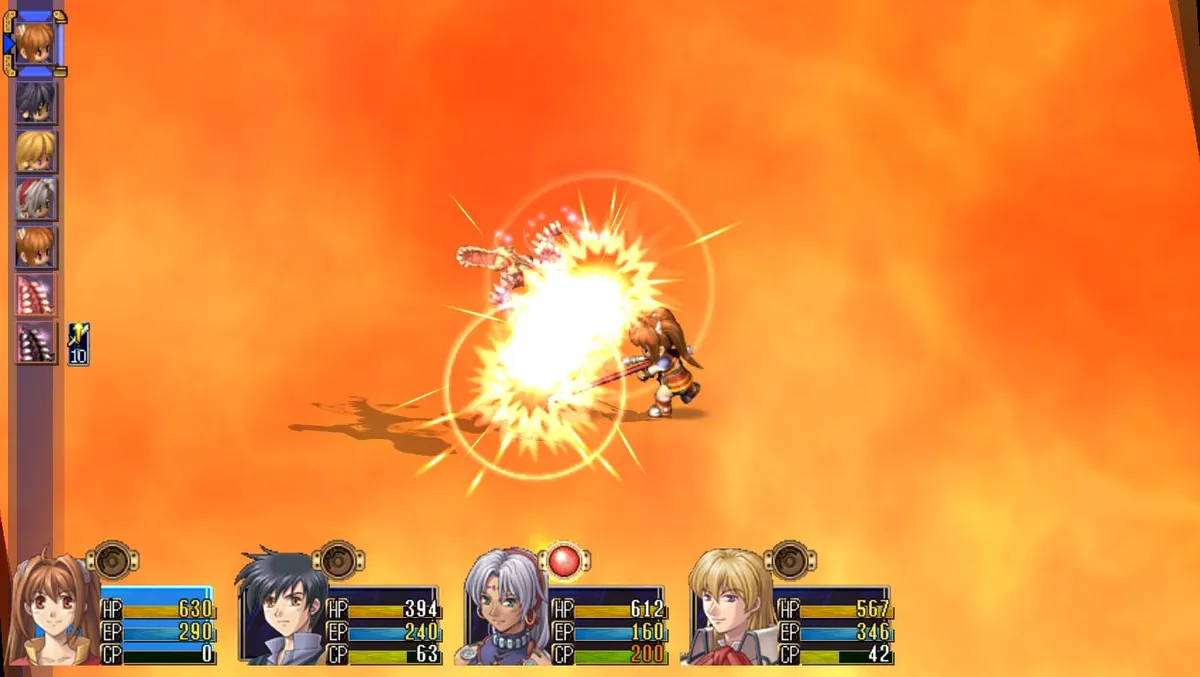
Trails in the Sky builds its encounters around strategic turn-based combat, and the game's feature list pairs that structure with what it calls unmatched customization. Players control a party drawn from Estelle, Joshua, Scherazard, Olivier and the rest of the cast as they travel through Liberl, and battles unfold with each side taking turns rather than in real time. The customization layer sits on top of those turns: party members and their combat setups can be tailored, so the same turn-based framework supports different arrangements of characters and abilities. The campaign surrounding it runs more than 50 hours on average, with side-quests, collectibles and secrets spread across that span.
This Windows edition carries over updates from the handheld version that change how battles are approached. Combat is fully voice-acted, a selectable difficulty level sets the baseline challenge, and a Retry Offset option lowers battle difficulty with each attempt when a fight is retried. New Game+ becomes available on subsequent playthroughs. Those rules interact directly with the turn-based, customizable combat: difficulty selection and Retry Offset are player-facing dials on encounter challenge, while New Game+ gives returning players a second run through Liberl's 50-plus-hour structure. The Steam product record date for this edition is 2014.
Bracer Guild Requests: Taking Jobs from Liberl's Citizens
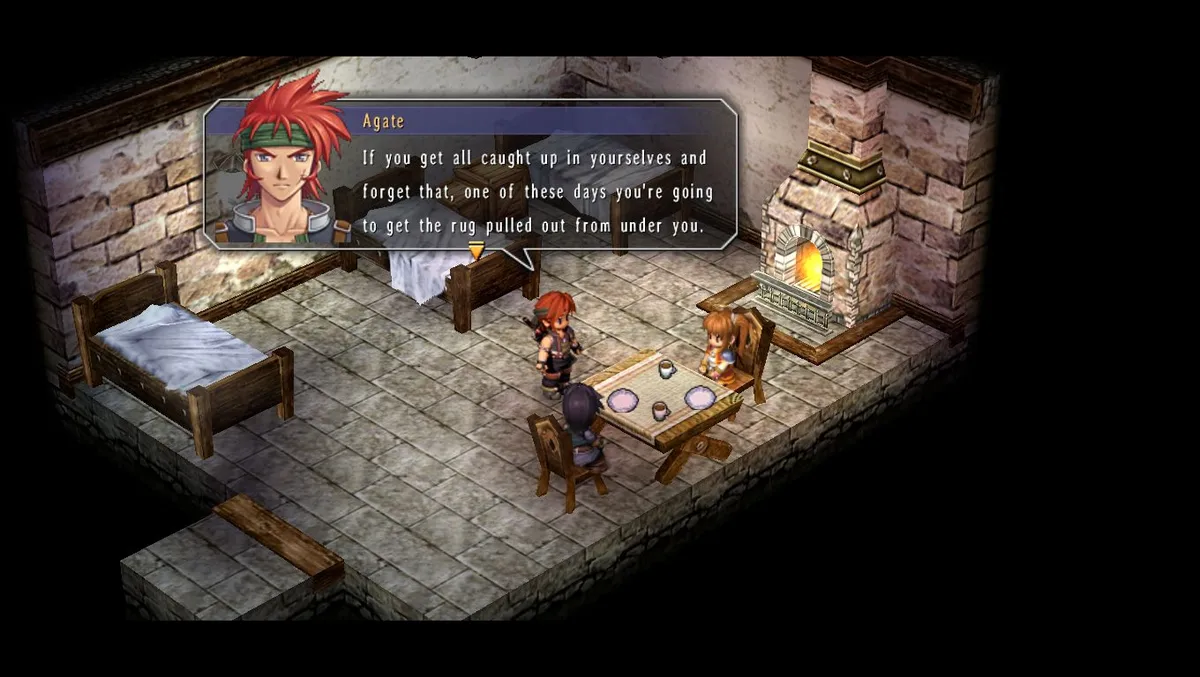
In Liberl, the bracers function as both police and intermediaries, and the organization's stated priority is the peace and safety of the lands under its jurisdiction. The mechanism for drawing players into that work is the local Bracer Guild: whenever a citizen needs assistance, the request is placed at the guild, and the bracers take it on. The kinds of requests named in the game's description range widely, from monster extermination and crime prevention to peace talks among warring nations, so the job board covers both small local trouble and diplomatic disputes.
The guild requests sit inside the broader structure of the campaign, which the feature list describes as running over 50 hours on average. That span is filled with side-quests, collectibles and secrets, and the guild's intake of citizen requests is the in-world channel through which side work arrives. The backdrop for those jobs is a Liberl mired in turmoil: new materials had brought advanced weapons and other implements of war, and the land remains in that unsettled state. Requests for crime prevention or peace talks therefore reflect the same instability that the bracers are charged with holding back.
Progression: Main Story, Side-Quests and New Game+
The campaign follows Estelle and her adoptive brother Joshua after an orbalship carrying the legendary S-rank bracer Cassius Bright, Estelle's father, goes missing. The pair join forces and search for him across the entire Kingdom of Liberl, and what they uncover along the way could change both of their lives. Around this main thread the game spreads countless side-quests, collectibles and secrets, with the average playthrough running over 50 hours. Replay is encouraged by that volume of optional content rather than by a single branching path.
This edition carries over updates previously seen only in the handheld version, and these change how a replay is structured. A selectable difficulty level sets the baseline challenge, while the Retry Offset feature lowers battle difficulty with each attempt if the player desires it. New Game+ becomes available on subsequent playthroughs, so a finished save opens a second run through Liberl's 50-plus-hour structure. These options sit alongside the strategic turn-based combat and its customization, letting a returning player revisit the same campaign under different challenge settings. The Steam product date for this edition is 2014.
A Named, Detailed Liberl: NPCs, Towns and Orbal Technology
Liberl is rendered as a vast world where every non-player character has a name and a personality, and each town carries its own politics and economic concerns. In practice, that means moving from settlement to settlement and meeting residents who are individually identified rather than interchangeable, while local conditions differ by location. The feature list treats no detail as trivial, so the named cast and the distinct civic character of each town are part of the setting that the journey through the kingdom passes through.
The backdrop for that detailed kingdom is orbal energy, a mystical technology to which modern society owes much. Fifty years before the story, the Orbal Revolution brought the invention of this energy and the orbments developed from it, producing rapid human advancement and innovations of many shapes and sizes, including the airliner industry known as orbalship manufacturing. The same new materials also yielded advanced weapons and other implements of war, so the revolution's benefits and its military applications arrived together and shaped the unsettled Liberl the characters travel. The Steam product date for this edition is 2014.
Sources & further reading.
- The Legend of Heroes: Trails in the Sky — official game profileRetrieved Oct 28, 2026
First published .