 THE GAME ARCHIVE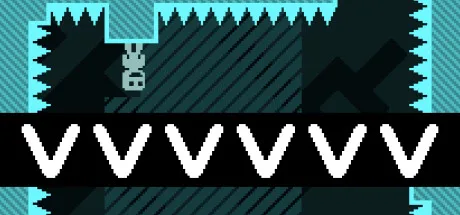
VVVVVV is an action-indie platform game developed by Terry Cavanagh. Its design rests on a single premise borrowed from the store description: what if you reversed gravity instead of jumping? That one decision ripples through every room, every failure, and every retry, because the player moves vertically not by leaping but by flipping which surface the character falls toward.
What makes the game distinctive is not the flip alone but how cleanly the rest of the design supports it. There are no locks, power-ups, or switches gating progress, so the challenges are the only obstacle, and frequent checkpoints ensure a player never has to replay a room already beaten. Special modes, including time trials and a no-death mode, plus a level editor for creating your own dimensions, round out the package.
Premise: Finding Captain Viridian's Teleported Friends
The setup is a rescue. Everyone has been teleported away at random, and the player takes on the role of the heroic Captain Viridian. The task is to find these scattered friends, bring each back to safety, and in doing so save the universe. That framing sits above the room-by-room play, giving the traversal a named purpose: each room crossed is progress toward a missing friend rather than an abstract test.
Because the game is explicitly designed not to artificially gate progress, there are no locks, power-ups, or switches standing between the player and the friends who need rescuing. What stands in the way is the challenge of each room itself. That means the rescue plays out through navigating the levels and overcoming their obstacles, not through hunting for an item or trigger that opens the next door. The premise and the progression rule point in the same direction: the next friend is reached by getting through the challenge, and nothing else.
Core Mechanic: Reversing Gravity Instead of Jumping
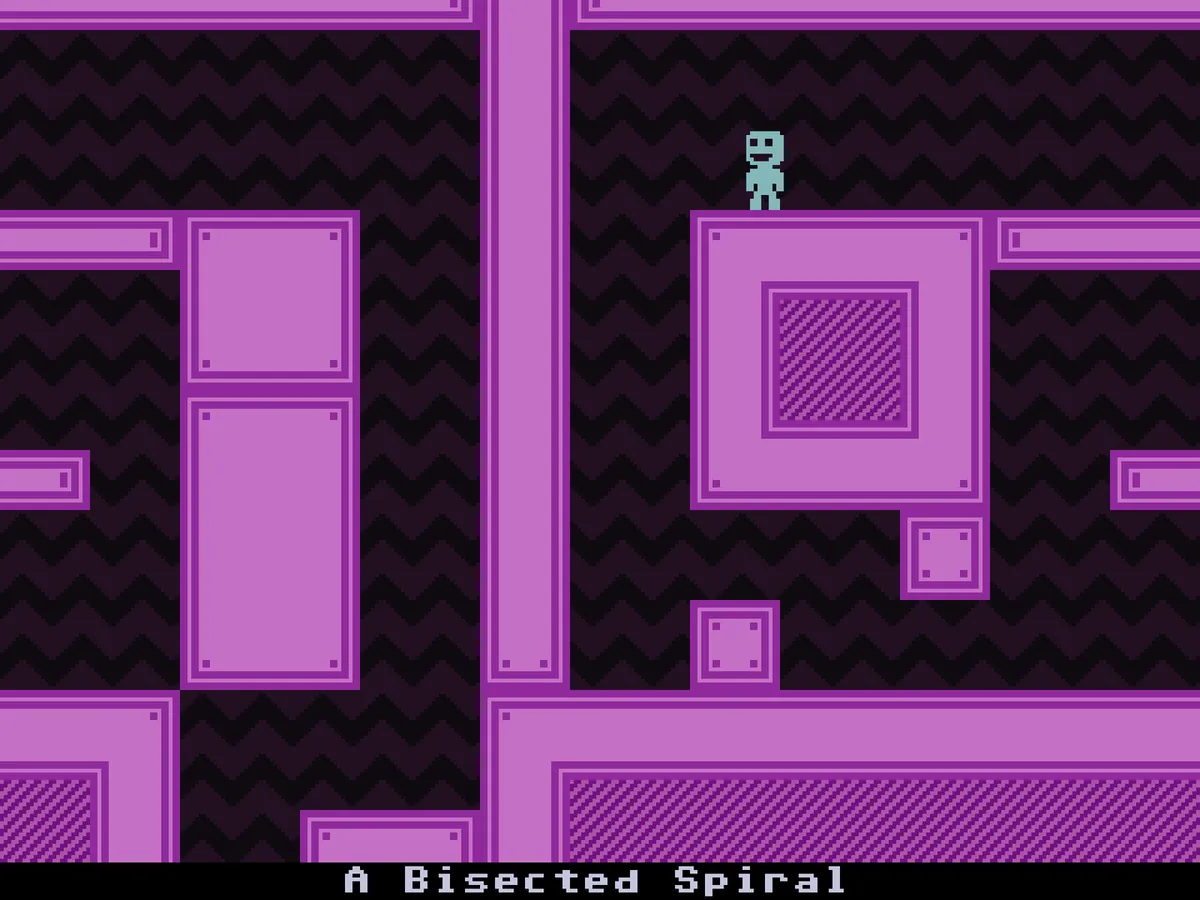
The game is built around one mechanical idea: reversing gravity instead of jumping. Rather than pressing a button to leap over a gap or onto a ledge, the player flips which surface pulls Captain Viridian, so vertical movement comes from switching the direction of gravity. That single rule replaces the standard jump and defines how rooms are traversed. The challenge of each room is therefore met through gravity flips and positioning rather than through a jump arc.
This is a meaningful change to how a platformer is read. In a conventional jump-based game a player judges distances and arcs; here the player judges which surface is overhead, where the open space sits, and how a reversal changes the route. The mechanic also makes failure feel like a positioning problem rather than a mistimed input, since the room's geometry determines which flip moves Viridian where he needs to go.
Minimalist Level Design That Teaches the Flip
The level design is described as elegant and minimalistic, and that supports the single-mechanic focus. Rooms present clean arrangements of floors, ceilings, and obstacles, so the information that matters is the geometry: which surface is overhead, where the open space sits, and how a reversal changes the route. Because the presentation is stripped back, the gravity mechanic carries the play rather than competing with decorative detail.
The game is described as having challenging, fast, and fun gameplay. With a minimal layout and a single traversal verb, difficulty comes from reading a room quickly and committing to the right flips, which is why speed and precision matter as much as patience. The minimalist look is not a limitation the game works around; it is the presentation that keeps the one mechanic legible in every room.
Progression and Checkpoints: Challenge as the Only Gate
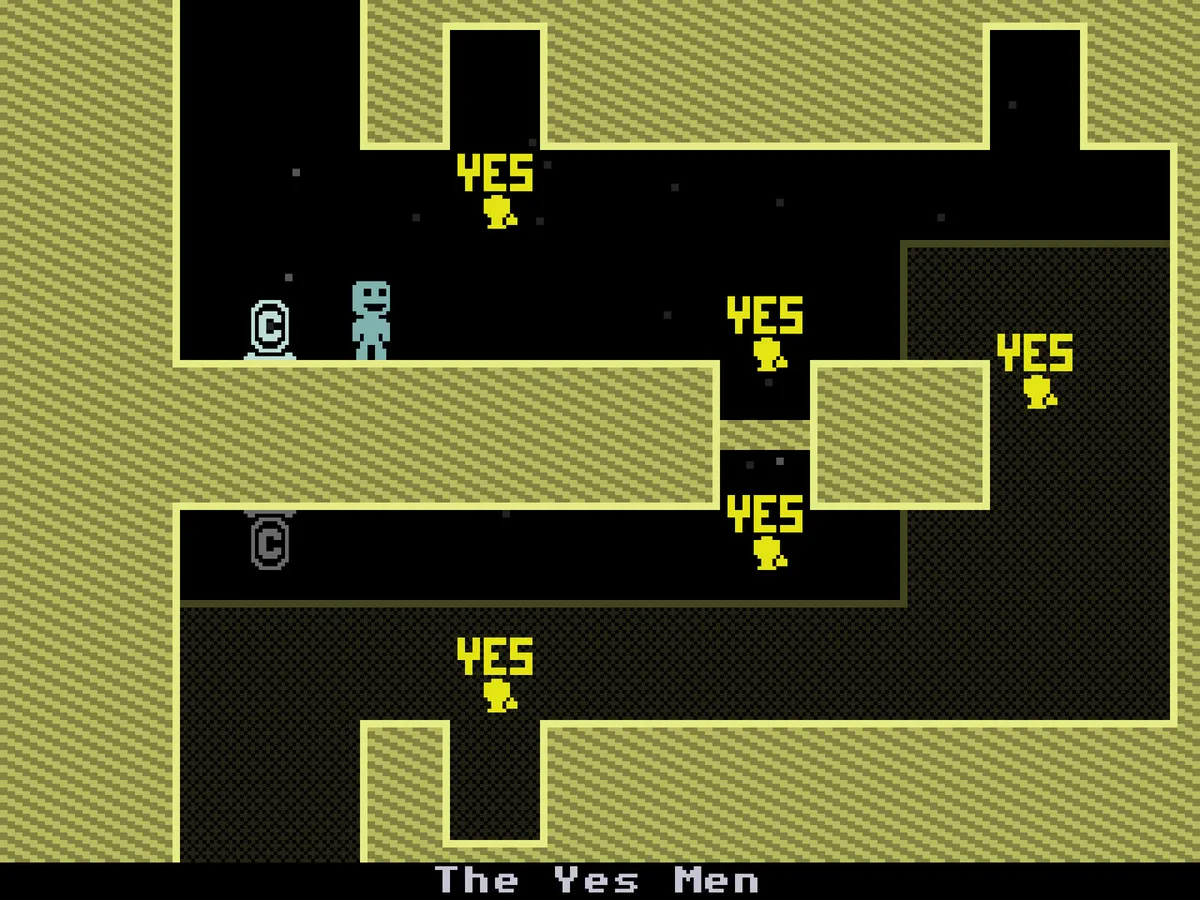
Progress in VVVVVV is not held behind collectible keys, temporary power boosts, or wall-mounted switches; the only barrier between Captain Viridian and each scattered friend is the room's own challenge. Because nothing must be found or activated before a route opens, a room's layout and hazards are the whole test. The player advances by reading the geometry and performing the flips needed to cross it, then moves on toward the next friend rather than hunting for an item or trigger.
Checkpoints are frequent, and they mean a player never has to replay challenges already beaten. They set where play resumes after a failure, so an already-cleared stretch does not have to be repeated before the current obstacle is attempted again. The two rules reinforce each other: since no lock, power-up, or switch controls access, retrying a room comes down to the room's own challenge, and the frequent checkpoints keep that retrying focused on the unsolved section. Rescue progress therefore comes from completing room challenges and continuing from the nearby checkpoint.
Special Modes: Time Trials and No-Death Mode
Beyond the main rescue, the game includes special game modes, among them time trials and a no-death mode. Time trials frame play as a timed attempt, while the no-death mode removes the safety net of failure, so a run must be carried through without dying. These modes shift the terms of play: one measures speed, the other asks for unbroken performance. They are presented as special modes rather than as changes to the core gravity-flip traversal, so the main mechanic stays the same while the challenge around it is redefined.
Level Editor and Chiptune Soundtrack
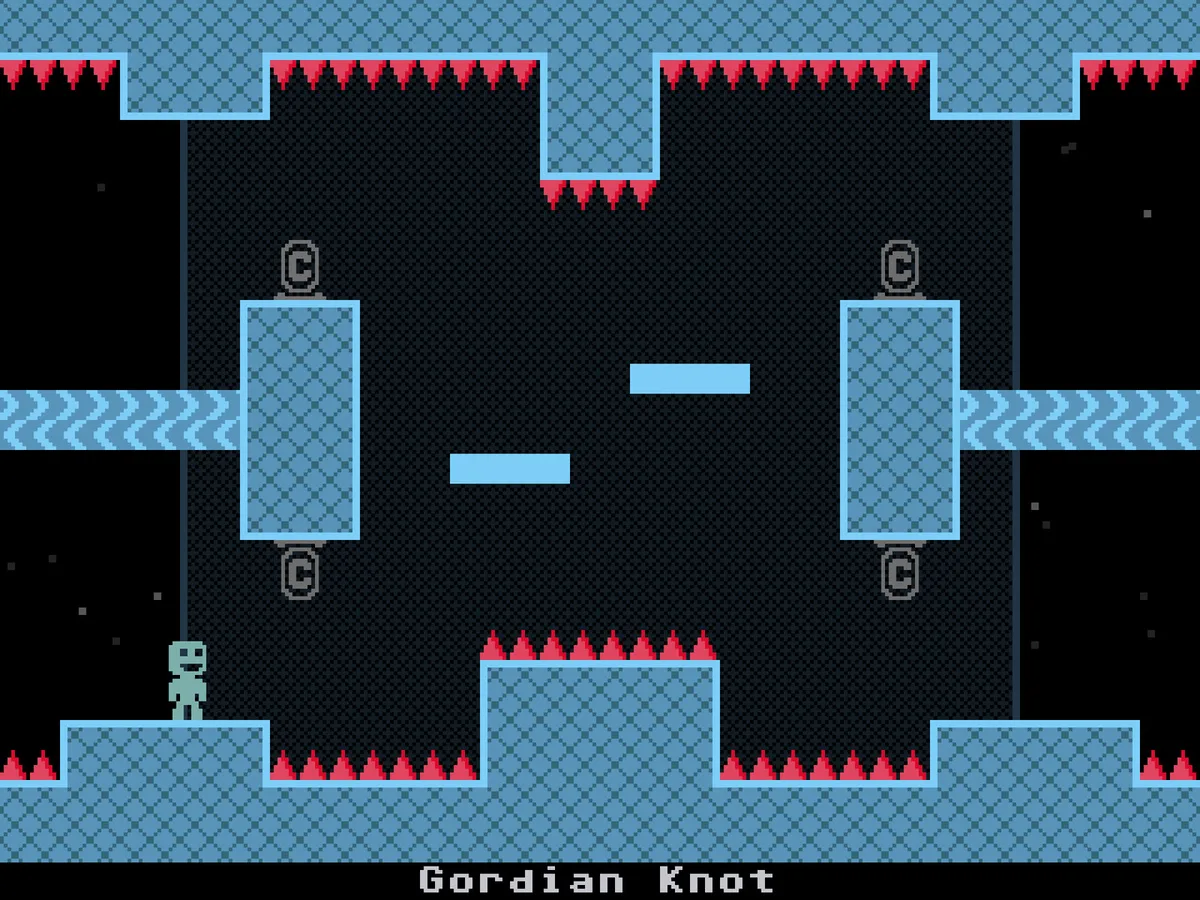
The package also includes a powerful and easy-to-use level editor for creating your own dimensions to explore, which extends the game with player-made content. Alongside it, the release carries over half an hour of chiptune music by composer Magnus Pålsson, which accompanies the minimalist design. The editor and the soundtrack sit as additions to the rescue campaign and its special modes rather than as alterations to the gravity mechanic itself.
Practical Starting Guidance
New players coming from jump-based platformers should expect a mental adjustment rather than a new control scheme to memorize. The only traversal verb is the gravity flip, so the useful habit is to read each room for which surface is overhead and where the open space sits before committing. Since there are no locks, power-ups, or switches to hunt for, a stalled player can be confident the answer is in the room's geometry and hazards rather than a missed item.
When a section goes wrong, the frequent checkpoints mean the already-cleared stretch does not need to be repeated; attention can go straight back to the current obstacle. That makes repetition a learning tool rather than a chore: each retry is a fresh attempt at exactly the flips that failed, so a player learns the room's solution by iteration without losing ground. Save the time trials and no-death mode until the room layouts feel familiar, since those modes raise the stakes on the same mechanic rather than introducing a different one.
- Quick reference: Title — VVVVVV; Developer — Terry Cavanagh; Genres — Action, Indie; Platforms — Windows, macOS, Linux; Release year — 2010.
Sources & further reading.
- VVVVVV — official game profile Retrieved Oct 17, 2026
First published .