 THE GAME ARCHIVE
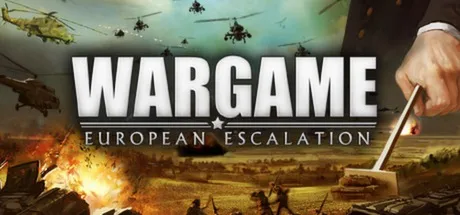
A Cold War Campaign of 22 Missions Across Four Operations
The solo campaign is built as 22 missions divided into four operations, framed around the Cold War period of 1975 to 1985. That framing supplies the setting: NATO and the Warsaw Pact face each other across a divided Germany, and a patrol firefight near the East German border escalates a local skirmish into full war. Progress through these missions is where the army grows, with experience gained by troops leading to unit unlocks and army composition in solo play.
Each mission opens with one or several objectives, and new ones appear as it unfolds. Primary objectives must be reached to complete the mission, while secondary objectives are bonus goals that award additional Command Stars; some secondary objectives are hidden and must be found. Command Star payouts scale with an objective's difficulty, and achievements separately reward certain actions, mission completions and unit unlockings. Command Stars themselves unlock units in the TO&E menu and let you create multiplayer decks.
Command Stars, the TO&E and Deployment Points
Command Stars are earned by completing mission objectives in the solo campaign, with payouts scaling to each objective's difficulty; secondary objectives offer additional Stars. These Stars serve as the currency for unlocking new units in the Table of Organization and Equipment menu, where a list of units can be filtered and the selected unit unlocked via a dedicated button. The same Stars also allow the creation of multiplayer decks. The TO&E menu additionally displays the player's profile, including player level and available Command Stars.
Achieving certain mission objectives, such as taking control of a strategic zone, grants deployment points that can be spent to call reinforcements during that mission. All units unlocked from the TO&E, as well as those from multiplayer mode, are available as reinforcements, limited by the current deployment point total and a cap on how many of each unit type may be called in. Units gain experience through combat, and higher ranks improve accuracy, reloading and aiming speed, and detection while reducing susceptibility to panic or rout under heavy fire.
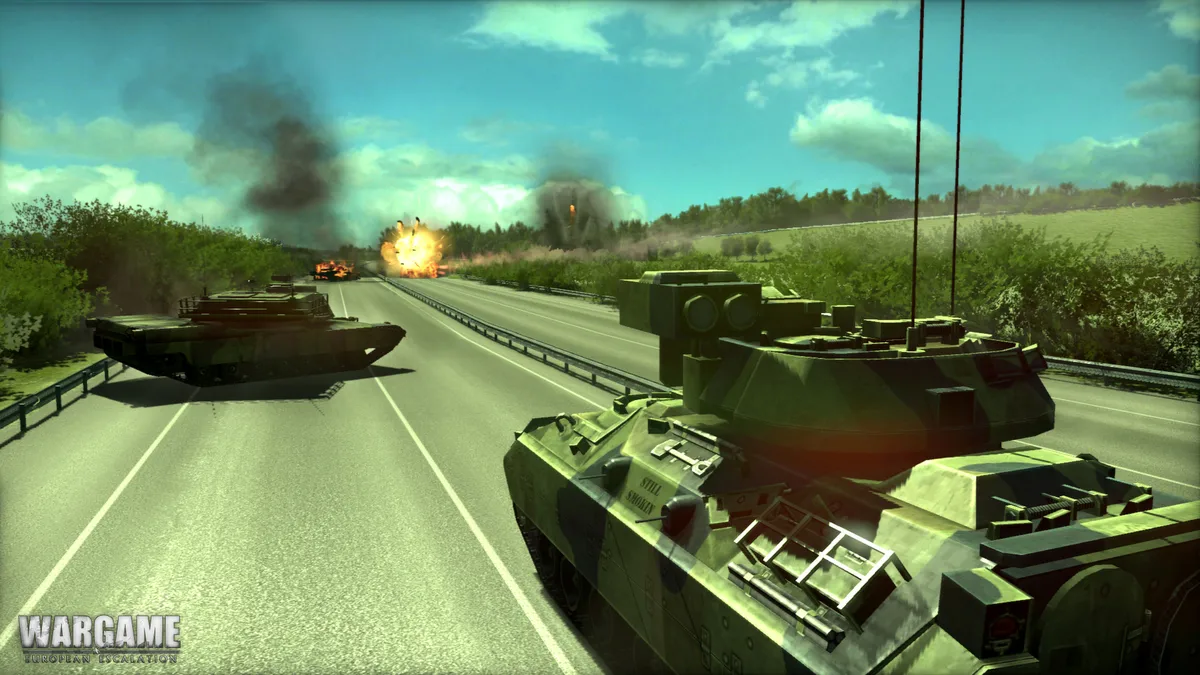
Unit Ranks and the Weapons They Carry
Combat experience changes how a unit performs. As troops fight, they reach ranks that sharpen accuracy, reloading and aiming speed, and detection. Experienced units also resist panic or rout better when under heavy fire. In multiplayer, a player may deploy ranked units at the start of a game or when calling reinforcements, but a higher rank costs more deployment points, and a ranked unit is worth more victory points when destroyed.
Weapons are split by role. HEAT rounds, including shoulder-fired light anti-tank weapons carried by most infantry squads, deal maximum damage at any range against armor. Rifles, submachine guns, and grenade launchers work against unarmored units, and most infantry weapons and machine guns can fire at helicopters at close range. Howitzers and mortars arc shells over obstacles, losing accuracy at distance unless an observer corrects them, while surface-to-air missiles track low-flying aircraft.
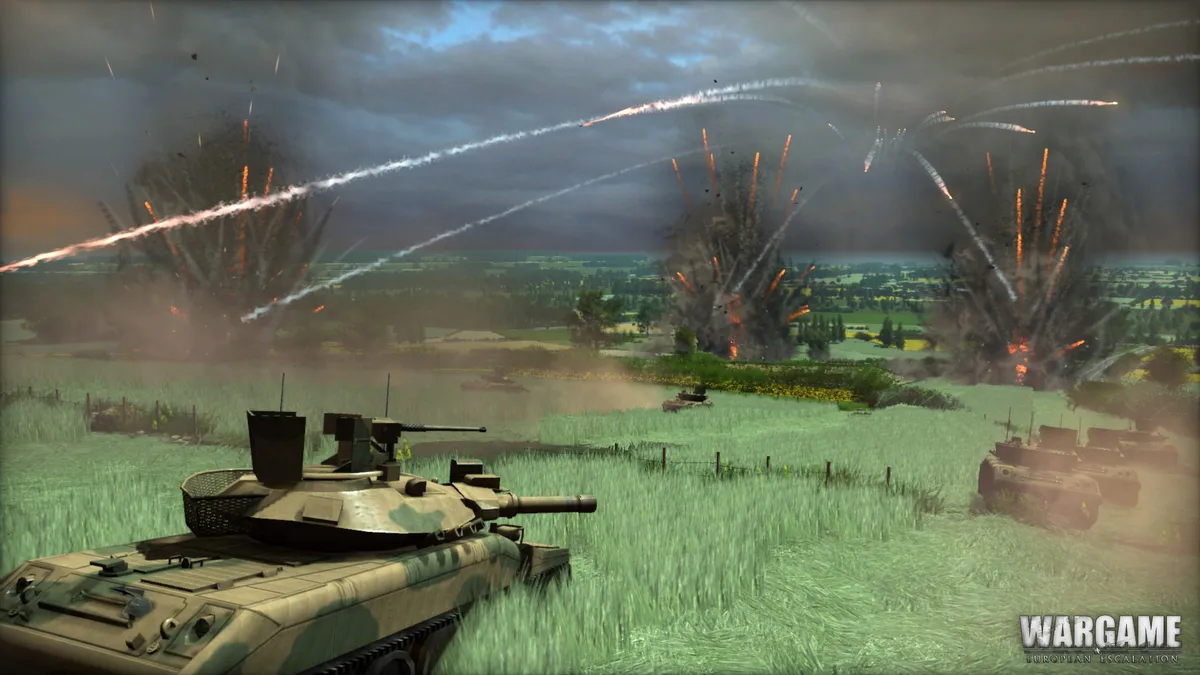
Move-and-Attack, Squads and Transport Orders
Move and Attack is bound to the Q key, and a left click confirms the destination. The unit advances to the selected location, but when it encounters an enemy inside firing range it stops to engage rather than continuing past. This differs from a plain move order, which sends a unit toward a point without that automatic engagement. The same commands panel handles a Stop order on the E key, which halts selected units and makes them forget their current orders.
Squads form in two documented ways: right-clicking one unit onto another of the same type makes them move in close together as a two-unit squad, or selecting several same-type units and clicking Regroup in the interface creates a squad instantly, with a following left click on the ground ordering them to gather at that spot; the units must be close enough. The X key or Split button detaches a unit from a squad. Infantry loads by selecting the infantry and clicking a transport, or the reverse, and a U key or Unload interface command removes them at the transport's location.
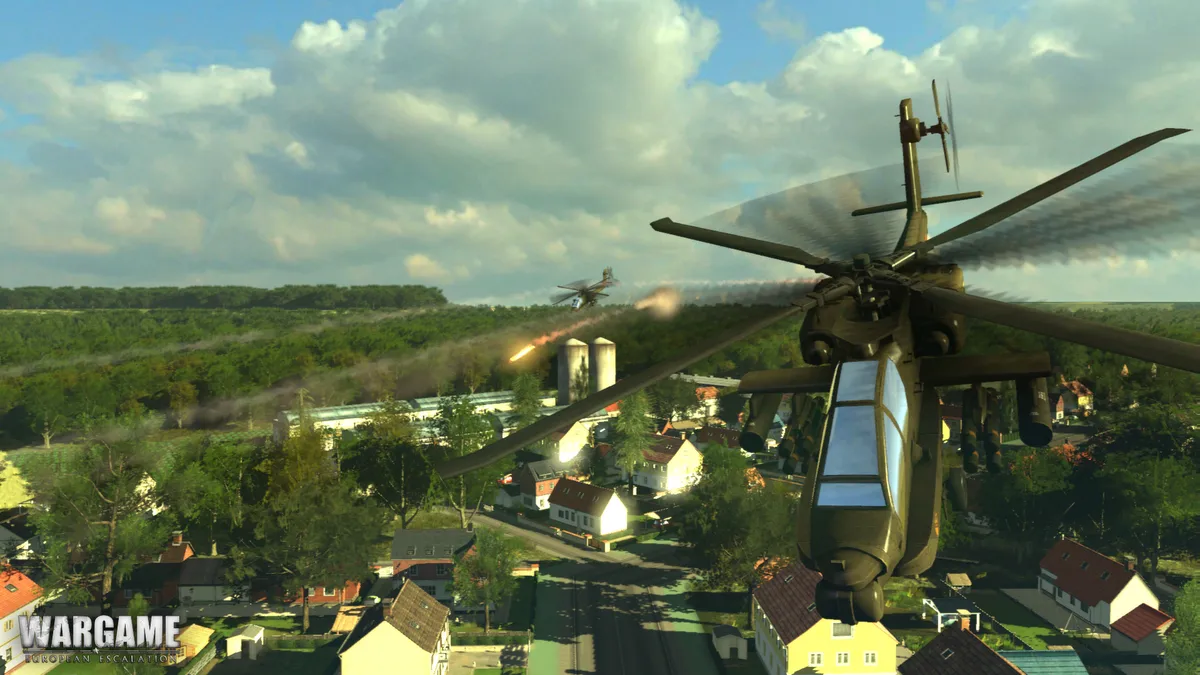
Skirmish, Online Clans and Deck Building
Skirmish mode sits in the solo menu and pits you against the AI in one-on-one battles, with the AI level selectable to set difficulty. Its conditions mirror multiplayer except that only one-on-one play is offered, so the same decks and maps apply. That makes it a place to work out strategies and test decks. Multiplayer runs through the EugenNet service, which supports clan creation, game organization and world rankings, with up to eight players competing at once in battles involving hundreds of units.
Before a game each player deploys units, forming the army they will use, and the Army Deck is the selection from which units are drawn for deployment or reinforcements. With nearly 300 units in the game, the deck system simplifies reinforcement management. Decks are separate for NATO and the Warsaw Pact, and mixing units from the two sides is not possible; multiplayer begins with one basic deck per side. The deck system is tied to Command Stars, so a successful campaign unlocks the units you build from. Unit categories include Logistics, Recon, Tanks, Infantry, Support, Vehicles and Helicopters.
Sources & further reading.
- Wargame: European Escalation — official game profile Retrieved Oct 19, 2026
- Wargame: European Escalation — official game profile — publisher-supplied gameplay manual Retrieved Oct 19, 2026
First published .