 THE GAME ARCHIVE
Wrapping Rope Around Wooden Sculptures
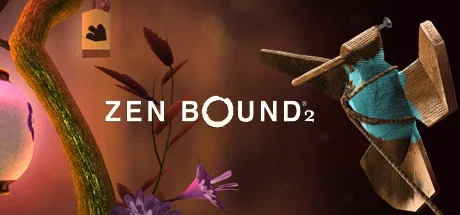
The documented objective in Zen Bound 2 is to paint wooden sculptures by wrapping them in rope. The basic action may sound simple, but the game describes the result as having surprising complexity, because each level is built as a spatial puzzle that becomes obvious when you inspect the object. Levels present a form to examine and a rope to work around it, and the paint spreads where the rope contacts the wood. This turns wrapping into a planning problem: you work out which faces and crevices need coverage, then trace paths that reach those areas.
The game is catalogued as an indie and casual title, and its puzzles are framed as gentle ones for the mind and fingers rather than as high-pressure challenges. That framing fits the rope-wrapping task: the documented rule is contact between rope and wooden sculpture, and the described spatial puzzles become clear through inspection of each level's object. Where a sculpture has complex areas that are awkward to cover directly, some levels include paint bombs as a documented aid for covering those regions, giving the wrapping task a second route to full coverage.
Multi-Touch Manipulation of the Object
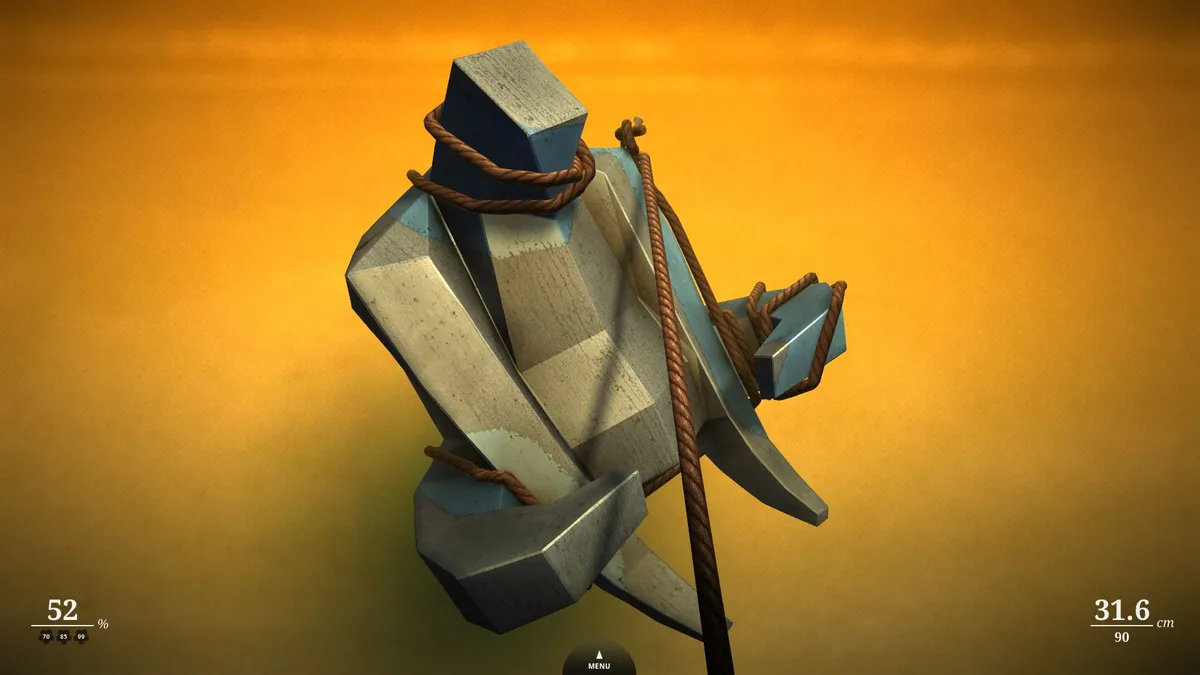
On Macs equipped with multi-touch trackpads, Zen Bound 2 documents multi-touch controls for manipulating the object. The player handles the wooden sculpture itself rather than steering a separate avatar, turning and orienting the form so the rope meets its surfaces. This ties directly into the wrapping rule: paint spreads only where rope contacts wood, so repositioning the sculpture is how those contact points get arranged. The documented input method is tied to Macs with multi-touch trackpads, not described as a universal control scheme across every listed platform.
The object spans more than 100 levels, and the Steam product record lists Windows, macOS and Linux. The Steam product date shown for the listing is 2010; that is a store record date, not a confirmed original release year. Within the wrapping task, adjusting the sculpture's position lets the player trace rope paths over faces and into crevices, while paint bombs offer a documented alternative for complex areas. Both routes serve the same contact-based paint rule, so the manipulation and the bombs interact as two ways of covering awkward regions.
Paint Bombs and Multiple Modes
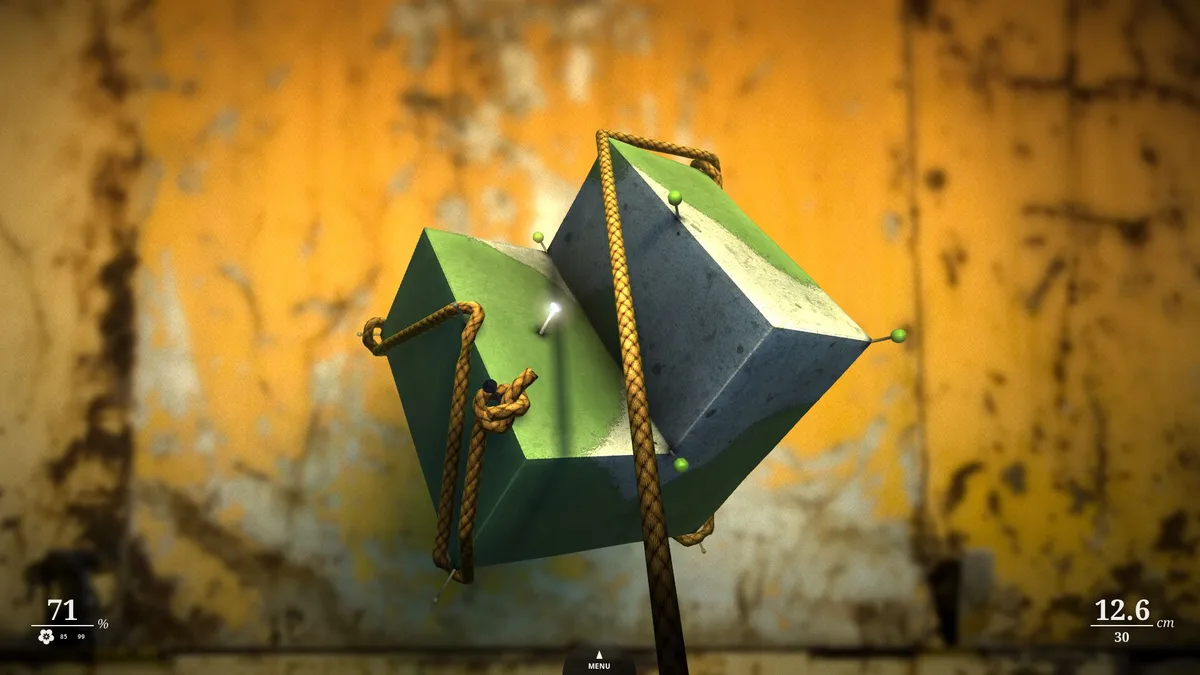
Paint bombs are a documented feature in some levels of Zen Bound 2, where they help cover complex areas of the sculpture. Because the paint rule depends on rope touching wood, a region full of tight crevices or awkward faces can obstruct straightforward wrapping. A paint bomb provides a second way to cover those hard-to-reach places, working alongside rope paths rather than replacing them. The wrapping task still centers on where the rope meets the wood; the bomb simply addresses areas that direct contact makes difficult to complete.
The feature list also records multiple gameplay modes that use paint bombs, so the bombs are not confined to a single mode. Across the more than 100 levels, the wrapping puzzle repeats with different forms, and the modes layer in the paint-bomb option for covering complex areas. The two documented elements interact directly: the level structure sets the spatial problem, and the bombs supply an aid for regions that are awkward to cover with rope alone. The Steam product record for the listing shows a product date of 2010, which is the store record date rather than a confirmed original release year.
Tactile Dusty Visuals and Ghost Monkey's Score
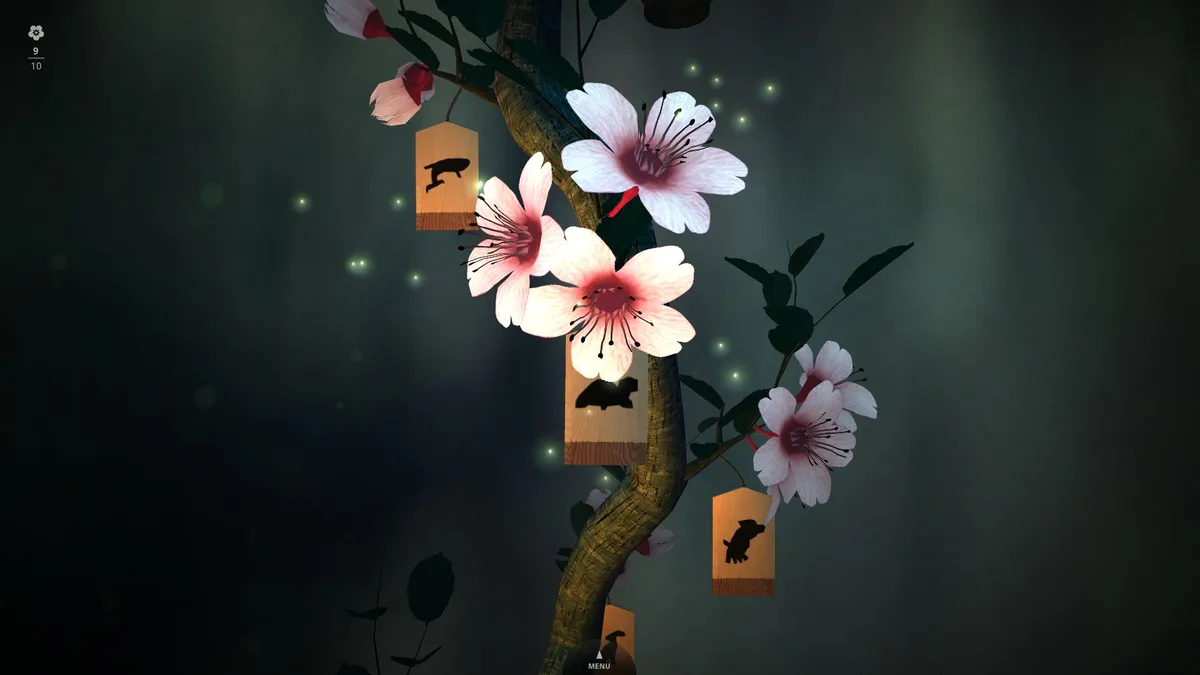
Zen Bound 2 pairs its rope-wrapping puzzles with a deliberately quiet presentation. The game is described as a calm and meditative experience, and that tone is carried by tactile, dusty visuals and beautiful high definition visuals, so the wooden sculptures and the space around them are rendered with a fine, matte texture rather than a glossy or busy look. The framing of the puzzles as gentle ones for the mind and fingers suits this stillness: wrapping rope across a form and watching paint spread where contact occurs is a slow, observational task, and the visual treatment supports that unhurried inspection of each object.
Sound backs the same atmosphere. The electronic artist Ghost Monkey is credited with a sublime, enveloping soundtrack, listed as a 45-minute score. That length is part of the key feature set rather than a passing detail, and the enveloping quality matches the meditative pacing: the music runs alongside the wrapping, the paint bombs used to cover awkward regions, and the multiple gameplay modes that include them. Where the visuals establish the tactile, dusty surface of the sculptures, the Ghost Monkey score supplies the surrounding calm that the game describes as its intended experience.
Sources & further reading.
- Zen Bound 2 — official game profile Retrieved Oct 19, 2026
First published .