 THE GAME ARCHIVE
A Visual Novel Framed by Interactive Scenes and a Map
Bionic Heart places its classic visual novel gameplay within a dark and mature science fiction setting, but the reading is punctuated by two additional systems: interactive scenes and a map. The interactive scenes sit alongside the dialogue passages, giving the adventure moments that step beyond talking heads and into direct play. The map system works together with those scenes, framing the voyage rather than leaving it as a backdrop. Both are presented as companions to the visual novel core, so the story sections, the scenes and the map all share the same screen-to-screen flow. The profile bills the result as a truly dynamic adventure.
Read the feature list closely and the structure becomes clear: the visual novel is the base, while interactive scenes and a map are layered beside it. The dark, mature sci-fi setting supplies the tone those parts share, and the branching plot carries the choices made across the reading, the scenes and the map into consequences. Because the relationships between characters can alter the final outcome, the story does not simply pass through the map — the map belongs to a branching adventure with twenty-four unique endings to unlock. That link between relationships and outcome is documented alongside the other systems.
Choices, Relationships and the Branches They Open
Bionic Heart's branching plot follows Luke Black, a 36-year-old bio-informatic engineer and one of the lead programmers at the nanotechnology research company Nanotech, in a London of 2099 where extreme climate change has caused near-constant rain. A night encounter with Tanya turns his life around and becomes the springboard for the paths the player explores. The structure is presented as a true multiple branching plot, meaning decisions carry the story along alternative routes instead of a single fixed line, and the goal is to discover all 24 different endings by exploring every possible path.
The relationships between characters are the documented mechanism that changes the final outcome of the game, so how Luke's ties develop steers which of the 24 endings the player reaches. That link works together with the multiple branching plot and the 24 endings to unlock: relationships shape the final outcome, while the branching structure and the ending count define the destinations those relationships can lead toward. The title is described as highly replayable for this reason, since reaching the other endings depends on exploring the alternative paths rather than repeating a single route.
Twenty-Four Endings and the Replay Loop
The ending count gives the branching plot a concrete target: twenty-four different endings are waiting to be discovered. Rather than steering Luke Black toward a single conclusion, the documented structure treats every possible path as worth exploring, so the goal becomes uncovering all twenty-four outcomes. The relationship system feeds directly into that count, since the ties between characters are what change the final outcome of the game. A playthrough therefore ends wherever Luke's connections have pushed the story, and the remaining endings sit on the alternative routes those ties leave untaken.
Because the plot is described as a true multiple branching structure, the replay loop rests on trying different paths instead of repeating one fixed line. The same profile describes the title as highly replayable, and that label is tied to the branching design: reaching the other twenty-four endings depends on exploring the routes not yet taken. The relationships that alter the final outcome work alongside this structure, so a new run is a chance to develop Luke's ties differently and arrive somewhere else. The combination of branching paths and ending count is what the documented replayability rests on.
Manga Art, Dialogue and the Optional Voiced Version
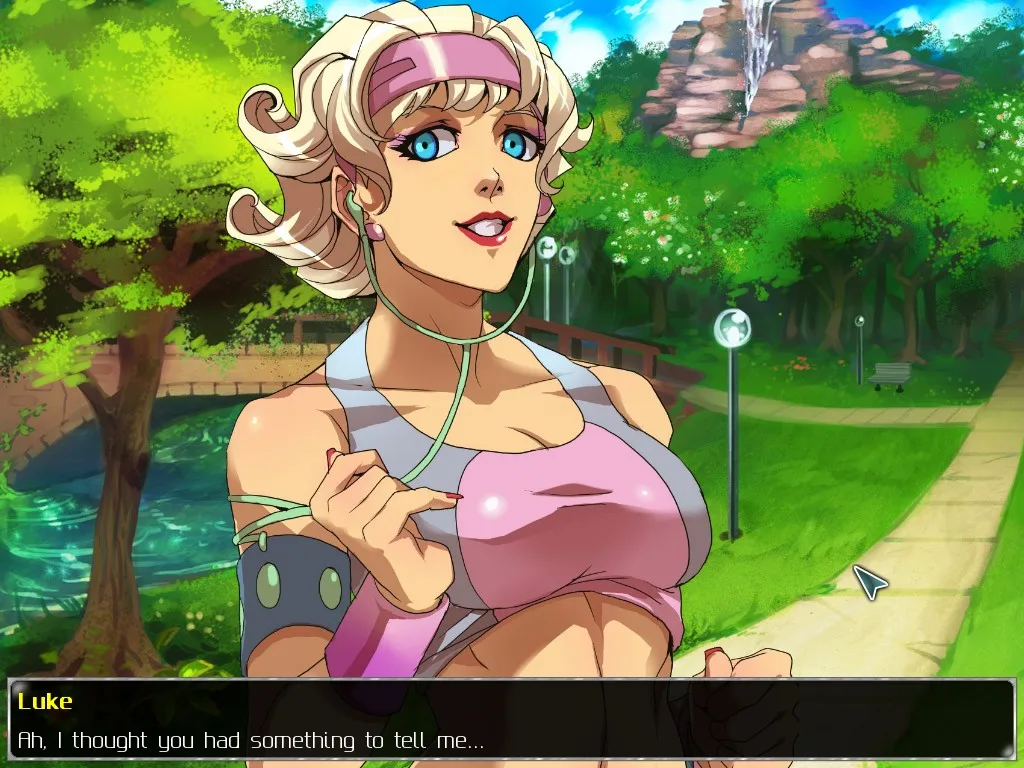
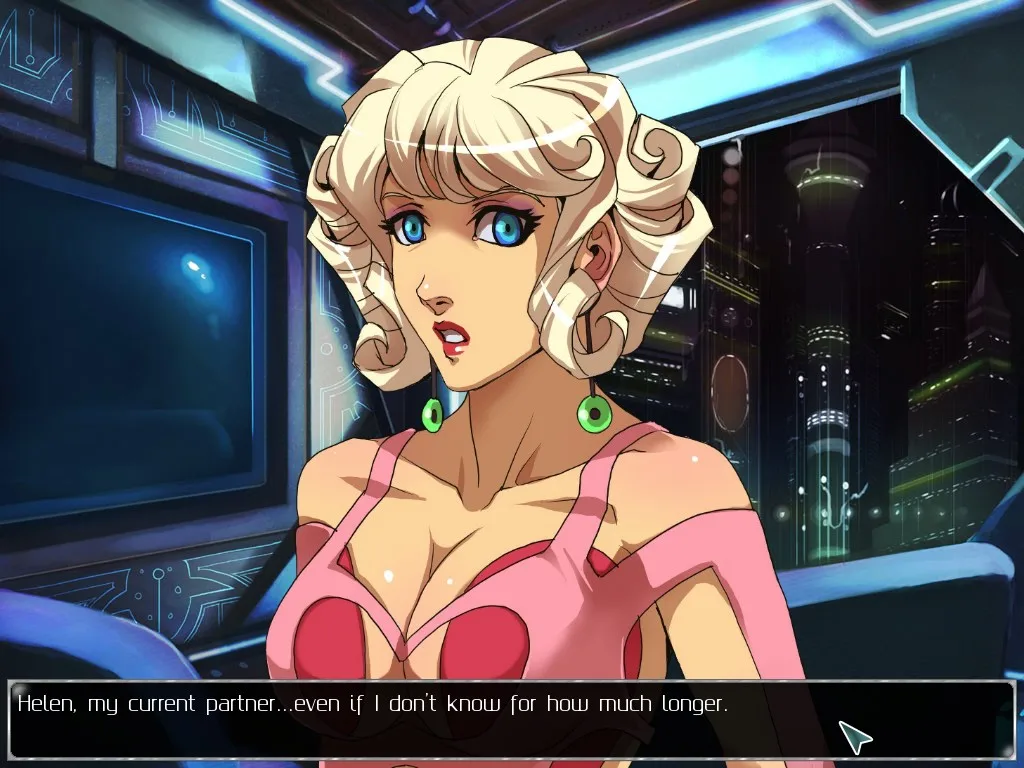
Bionic Heart presents its story through manga artwork that illustrates the visual novel passages as they advance. Dialogue carries the reading, and the characters' relationships are documented as the element that changes the final outcome of the game. These presentation choices sit alongside the interactive scenes, map system and branching plot, so the art and conversations accompany the choices rather than replacing them. The described structure keeps the reading moving through illustrated scenes and character exchanges, with the relationship thread connecting those conversations to where the branching story eventually lands.
An optional fully voiced version is listed as a separate feature, offering more than four hours of voices. Because the fully voiced version is optional, it can be treated as an alternative way to hear the material rather than a requirement of the visual novel itself. The feature list places it among the presentation details, next to the manga art and dialogue, not among the systems that drive the branching plot, the interactive scenes or the map. Players who use it receive over four hours of recorded voices across the game's dialogue, while the written passages remain the documented core.
Sources & further reading.
- Bionic Heart — official game profileRetrieved Nov 1, 2026
First published .