 THE GAME ARCHIVE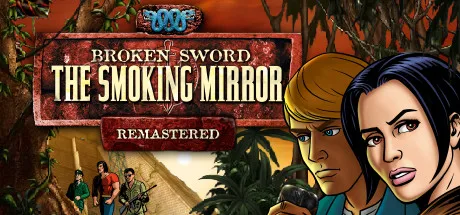
An Investigation You Solve One Puzzle at a Time
Broken Sword 2: The Smoking Mirror Remastered is built around a single-player adventure, and that framing matters for how you actually play. There is no squad to manage and no second player to hand a controller to; the investigation is yours alone, conducted as journalist Nico Collard alongside her adventuring companion George Stobbart. What you do, moment to moment, is work a scene: examine what is in front of you, gather the clues it yields, and apply them to the next obstacle standing between you and the truth. The objective is explicitly puzzle-solving, and the game supplies hundreds of mind-bending puzzles and clues to collect as the fuel for that process. The story of the ruthless drug gang and the ancient artifact is not a separate layer from the play — it is the reason the puzzles exist and the reward for clearing them.
Because progress is gated by puzzles rather than by reflexes or combat, the pacing is yours to set. The remaster's context-sensitive hint system exists precisely for the moments when that pacing stalls: when a puzzle resists you, the guidance it offers is tied to the current situation instead of being a generic nudge. A diary runs alongside the investigation as a written reference, and together these two supports define the remaster's approach to friction — keep the puzzle in front of the player, but never let a stuck puzzle end the session. For anyone approaching the game for the first time, that combination is the single most useful thing to understand before starting: you are meant to explore, collect, and consult, not to brute-force your way forward.
The Core Loop: Explore, Talk, Solve
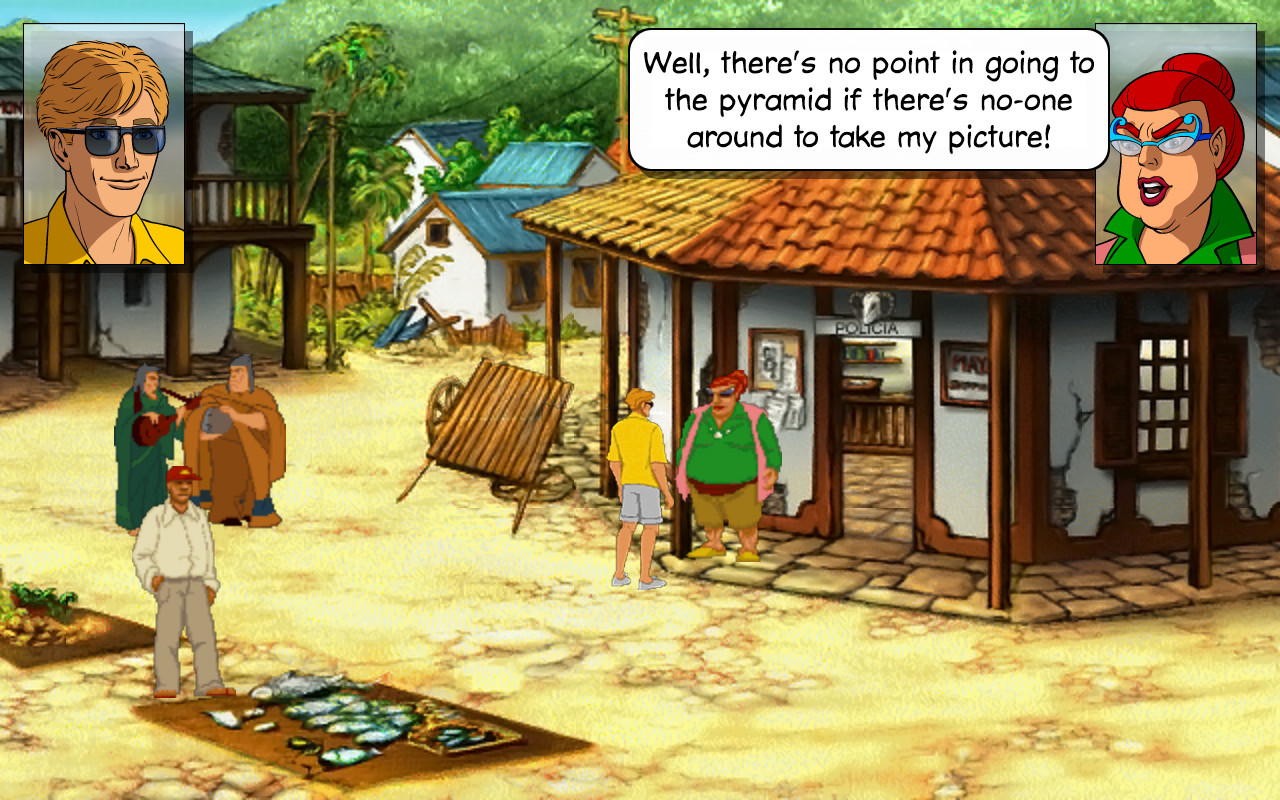
The documented content of the remaster breaks into three broad pools: over 60 characters with which to interact, a multitude of highly detailed locations to explore, and hundreds of mind-bending puzzles and clues to collect. These are the resources the investigation draws on. A location is where the material of a scene waits, a character is a source of information and often a puzzle in themselves, and the collected clue is what a puzzle ultimately consumes. That reading explains why the content counts are so high: the variety of characters, places and problems is the mechanism that sustains a long investigation, not decoration around it.
The support systems are documented for exactly this reason. Since a long puzzle chain plus many locations and many characters multiplies the number of things a player can lose track of, the remaster pairs a context-sensitive hint system for the moment of a specific block with a diary as a written reference travelling alongside the adventure. The designer-facing implication is that the game expects you to get stuck at some point and provides two different kinds of recovery: an answer tuned to the situation, and a record of the situation.
Two Systems That Define the Remaster’s Friction
The context-sensitive hint system is the reactive half of the support. It is described as context-sensitive, which means the guidance is shaped by what the player is currently doing rather than being a generic nudge. In practice that makes it the right tool at the moment of a concrete block — you are facing a specific problem and want help with that problem, not a general reminder that help exists.
The diary is the other half, and it is documented as part of the package rather than as a progression mechanic. That is a meaningful distinction. A diary functions as a record carried alongside the adventure; it does not, on the basis of what the publisher material says, impose objectives or gate progress. The practical pairing is therefore straightforward: consult the diary to reorient when the thread of the investigation has gone slack, and use the context-sensitive hint system when a single puzzle is the thing standing in the way.
It is worth being precise about what the evidence does not say. The description covers a hint system and a diary, not a walkthrough, a skip option, or a difficulty setting. So the sensible expectation is guidance rather than solution, and a record rather than a checklist of tasks. That reading stays inside what has been documented for this remaster and avoids attributing conveniences the release has not been shown to include.
The Premise That Frames the Puzzles
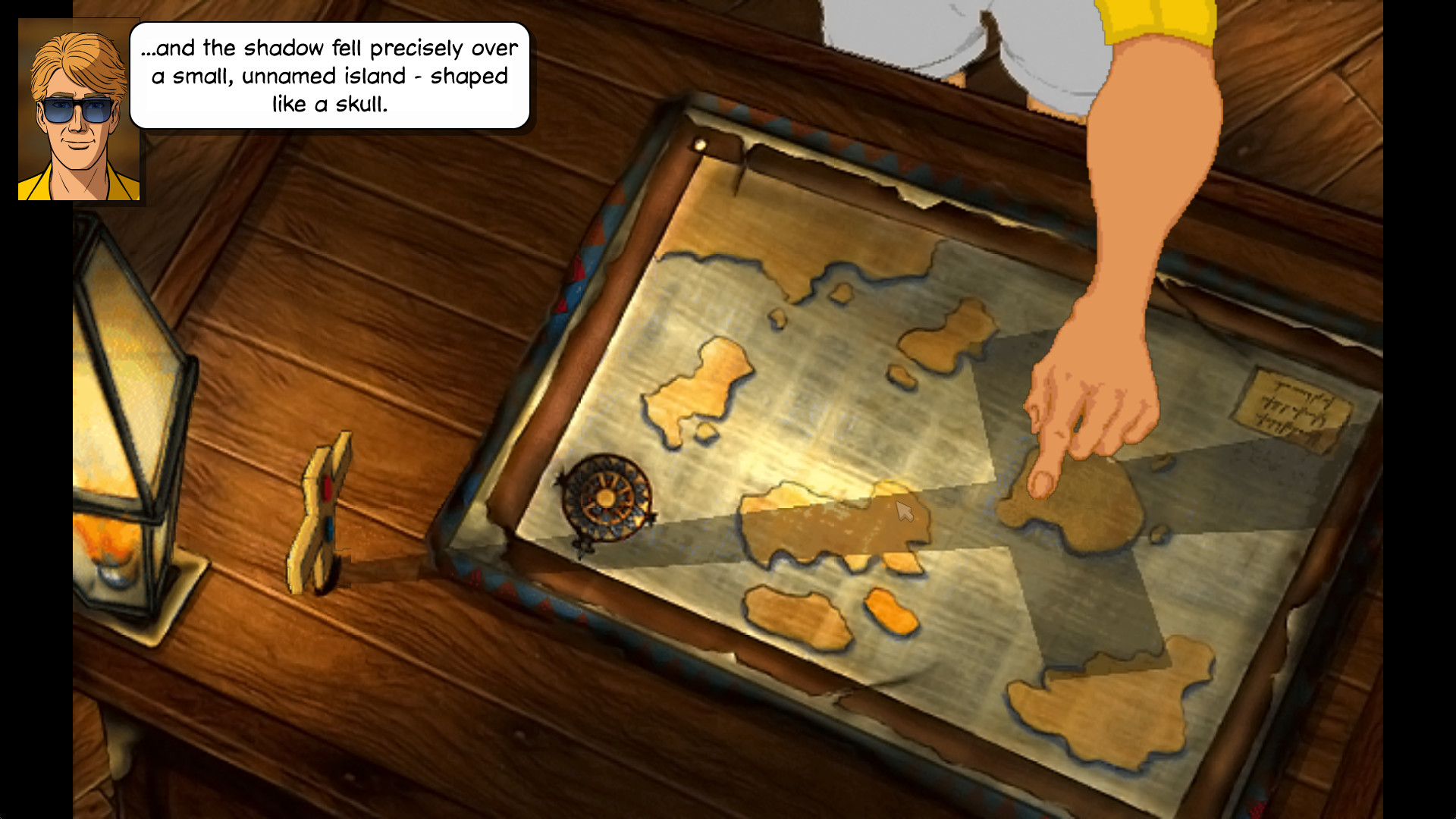
The setup gives the puzzle-solving its stakes. While investigating a ruthless drug gang, journalist Nico Collard unexpectedly comes across an ancient artifact — an ornately carved obsidian stone. That find draws her and her adventuring companion George Stobbart into a mysterious escapade of intrigue and deceit, in which they must overcome powerful forces and antagonists who will stop at nothing to fulfil their evil ambitions. The publisher material also names the register of the story directly: torment and terror, sacrificial rituals, and a bloody massacre unearthed beneath a veil of Mayan mystery, with kidnap, stolen treasure, astronomy, and a deadly drug baron among the things the pair must contend with.
What matters for play is that this material is story-driven rather than systemic. The documented challenge is built around nerve, cunning and guile, which points at the skills the game is actually testing: observation, dialogue, and inference. If you come in expecting action, the honest expectation to set is that your tools are the scene in front of you and the people in it, not a combat or movement system.

Remaster Additions: Graphics, Expressions, Music, Comic
The remaster's presentation changes are documented clearly enough to list without speculation. It boasts fully animated facial expressions and enhanced graphics throughout, so conversations gain movement in the characters' features and scenes carry sharper detail. Stunning music comes from world-famous composer Barrington Pheloung, and beautiful classically animated sequences are included as part of the package. Alongside all of this sits an exclusive new interactive digital comic from Watchmen co-creator Dave Gibbons. The comic is the most distinctive addition, because it is a separate way to engage with the story rather than a modification of the point-and-click puzzling.
It is worth separating what this remaster is from what the source describes of the original. The store description calls the release a stunning update to the multi million-selling original, which establishes the relationship plainly: this is the same adventure, presented with enhanced graphics, animated expressions, a Pheloung score, classical animated sequences, and the added Gibbons comic. The puzzle systems, the character and location counts, and the hint-and-diary support are documented for the remastered release, and there is no evidence in the supplied material of the gameplay itself having been rebuilt. Anyone deciding whether to revisit it should read the value as presentation and added comic content rather than a redesigned game.
Starting Out: A Few Practical Notes
Start by accepting the game's size on its own terms. With over 60 characters to interact with and a multitude of highly detailed locations to explore, the content is broad by design. That breadth suggests a productive first habit: work the material a scene offers before moving on. Characters are a primary vector for the information the puzzles require, so speaking to the people available is a natural step; the detailed locations are likewise worth examining before you decide they are finished. When you do reach for the context-sensitive hint system, use it on the puzzle in front of you, because that is the situation the system is documented to respond to.
Keep the diary in mind as a way of recovering your own thread rather than as a set of directions. On a long adventure with hundreds of puzzles and clues, the realistic failure mode is losing track of which questions are still open, and the diary is the documented companion for that. Pairing it with the hint system gives you both halves of the support the remaster provides: recovery of context, and recovery from a specific block. The publisher frames the challenge in similar terms — nerve, cunning and guile, and an adventure that should leave you with an aching brain and a beating heart — which is a fair description of what a dense point-and-click adventure asks of a player.
Scroll sideways to see the full table →
| Field | Detail |
|---|---|
| Game | Broken Sword 2 - the Smoking Mirror: Remastered |
| Release year | 2009 |
| Developer | Revolution Software Ltd |
| Publisher | Revolution Software Ltd |
| Genres listed | Adventure, Casual |
| Platforms listed | Windows, macOS, Linux |
| Mode | Single-player adventure |
| Support systems | Context-sensitive hint system and diary |
| Content highlights | Over 60 characters, a multitude of detailed locations, hundreds of puzzles and clues |
| Composer | Barrington Pheloung |
| Added extra | Exclusive interactive digital comic by Dave Gibbons |
Sources & further reading.
- Broken Sword 2 - the Smoking Mirror: Remastered (2010) — official game profile Retrieved Oct 16, 2026
First published .