 THE GAME ARCHIVE

Sneaking, Crouching and the Stealth Attack
Jack can enter a Sneak mode that slightly widens his field of vision while letting him move more quietly and stay less visible to enemies. That reduced exposure lets him slip past nearby patrols, avoiding a fight entirely, or line up a stealthy strike on an opponent who has not yet noticed him. The manual treats the decision as situational: sneaking is often the most sensible course, but it also opens a combat option. The manual notes the Sneak button can be configured to toggle or to hold, so activation differs depending on that setting.
Crouching is a separate action listed among the controls, used for stealth and for avoiding detection, and it sits alongside Sneak as part of how Jack keeps out of sight. The payoff for a successful approach is concrete: stealth melee attacks deal significantly more damage than a frontal assault. So the documented loop is to close distance unseen, then strike before the enemy reacts, rather than trading blows head-on. The two movement states work together, with Sneak governing visibility and Crouch lowering Jack's profile as he moves.
Aiming, Recoil and the Cost of a Wild Shot
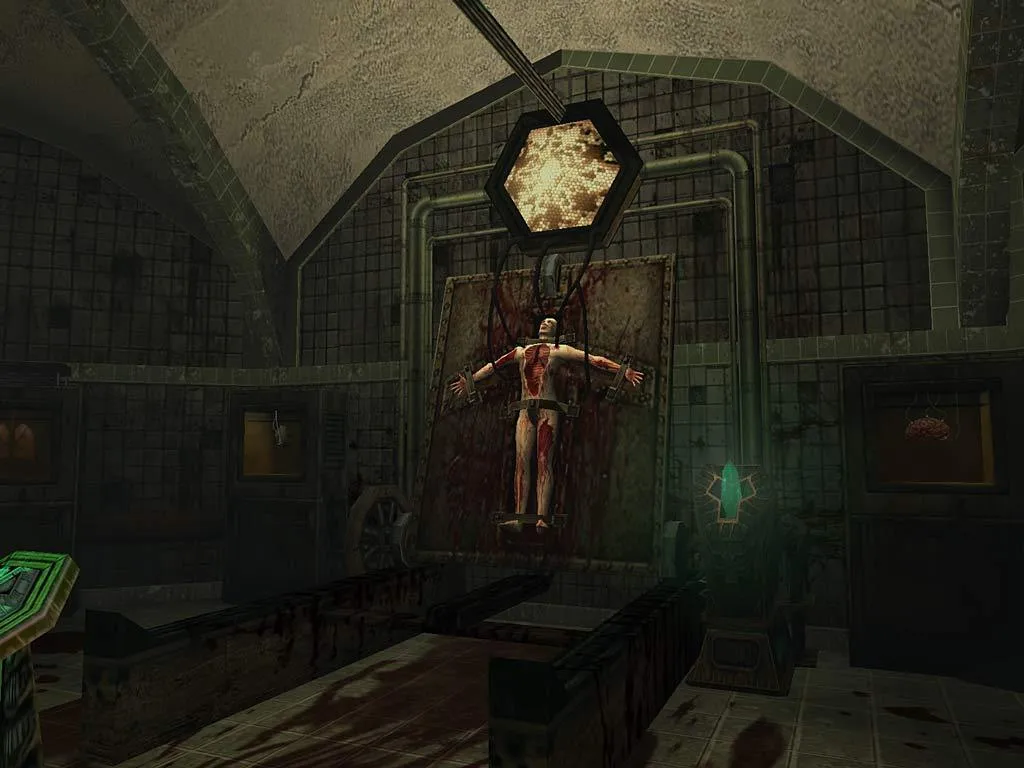
Holding the Aim control—the right mouse button by default—puts Jack into Aimed mode and gives much finer control over where his shots land. For most ranged weapons it centers the weapon on screen and presents an over-the-barrel view. The mode lasts only while the Aim control is depressed and ends the moment the player releases it. Its sensitivity is tied to the standard view sensitivity, so raising view sensitivity may call for a matching adjustment to the aim setting so the finer control stays usable.
Firing is not simply a matter of pointing: with ranged weapons, accuracy depends on the weapon type, the range, general accuracy, the steadiness of Jack's arm, and the moment the shot is fired. Moving or looking quickly around can leave the arm unsteady and send a shot slightly astray. Recoil adds a recovery period after each shot, which differs by weapon, and sustained fire with certain weapons makes successive shots less and less accurate. The manual lists revolver, shotgun and alien technology among the 1920s-era equipment.
Sanity: Losing the Thread and Winning It Back
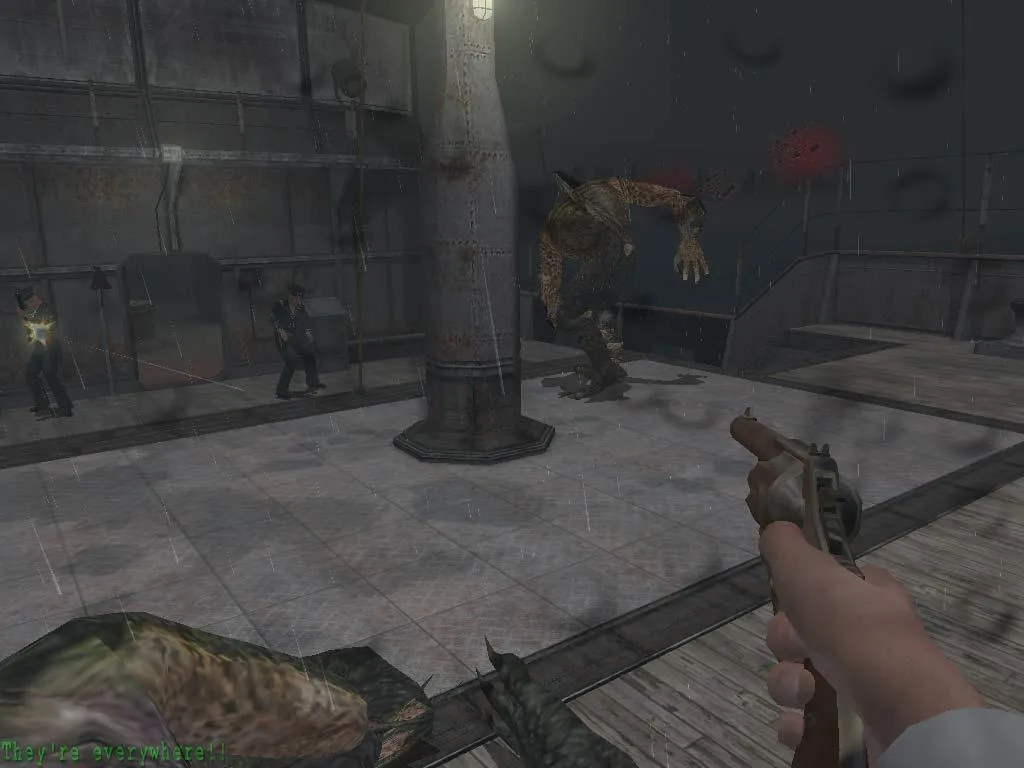
Jack loses sanity by witnessing horrific scenes, encountering strange creatures, and enduring stress. When sanity drops, he may develop one or more conditions. Blurred vision makes the screen oscillate. Hearing loss deadens environmental sounds while his heartbeat, pain sounds, and breathing remain audible. Mysterious voices make him hear various game characters in his head. Panic brings increased control sensitivity, camera motion blur on horizontal movement, and involuntary actions such as firing off rounds or putting his weapon away. Shaking makes the camera shake and his teeth chatter, while dizziness distorts and oscillates the screen in a disorienting manner.
The manual treats sanity as a resource to be managed, not merely a penalty. In a safe area, Jack can recover sanity, which lets him withstand further assaults on his psyche. As recovery proceeds, his breathing and heart rate slow and eventually stop—observable signs that the safe area is doing its work. Before recovery, rapid breathing and an increased heart rate signal that the player is losing sanity. These physical cues give the player a way to read Jack's condition and decide when to withdraw to safety rather than pressing on while the effects are still active.
Inventory, Elder Signs and the Score at the End
The inventory screen, opened with the I key, stores every item Jack collects across the game, including medical supplies, and also lets him heal and review notes about his latest case. Notes feed the Journal, which is divided into reference sections: Jack's diary records important conversations, events and objectives; a general evidence collation holds clues and information about significant characters; and a section on Mythos tomes and manuscripts gathers material relating specifically to the Mythos. Morphine is among the supplies: a potent pain blocker given to Jack so pain does not prevent rapid movement or strenuous acts, working only briefly and never curing him. A pocket watch tracks elapsed game time.
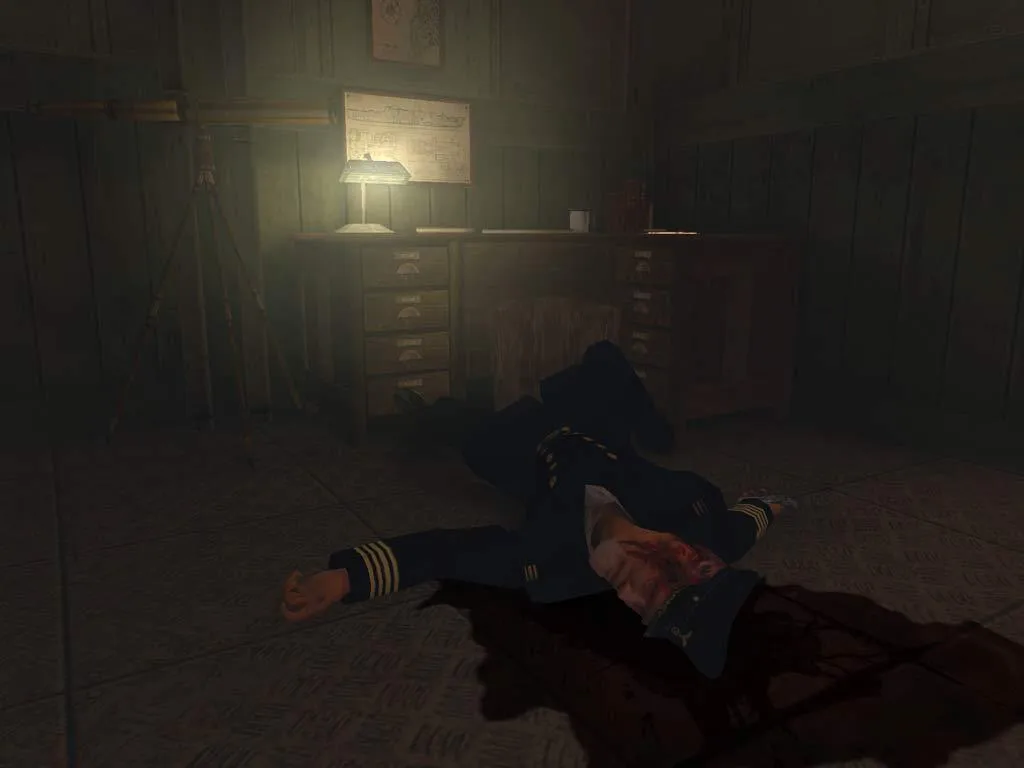
Saving requires locating an Elder Sign; signs sit at fairly regular intervals through each level, and some stay hidden behind cupboards and posters or under crates, while many are unmistakable. Two sign types exist: the simple eye symbol and the strong symbol. The final score weighs completion time, number of saves, evidence discovered, sanity and health management, and shooting accuracy, producing a rank from A down to E. Finishing on Private Investigator unlocks Hardened Detective; earning an A grade there unlocks Mythos Specialist. Reaching zero sanity instead ends the run fatally, by Jack's own hand.
Sources & further reading.
- Call of Cthulhu®: Dark Corners of the Earth — official game profile Retrieved Oct 20, 2026
- Call of Cthulhu®: Dark Corners of the Earth — official game profile — publisher-supplied gameplay manual Retrieved Oct 20, 2026
First published .