 THE GAME ARCHIVE
A Fairy Tale You Break on Purpose
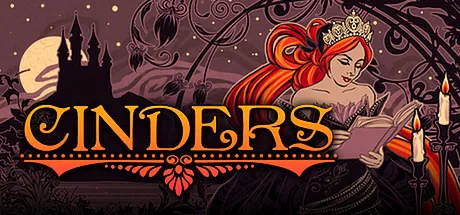
Cinders is an adventure game from MoaCube, described as a mature take on Cinderella in which player choices drive the story and the classic fairy tale can be broken in any way you like. The central interaction is not reenacting the familiar tale but steering it: the heroine is a witty young woman living with an overbearing stepmother and her two daughters, as if she were reenacting a certain well-known fairy tale. Unlike its protagonist, this Cinders is not afraid to take fate into her own hands, even if it means breaking the rules.
The subjects the game names are freedom, dreams, sisterhood, and finding your own Happily Ever After that may not exactly agree with the stale morals of classic fairy tales. That framing tells you what the choices are for: they are the means by which the player decides what kind of ending the heroine earns, rather than simply walking her toward the expected one.
120 Decision Points and Over 300 Choices
The game's core loop runs on decision points. Its material specifies multiple endings, 120 decision points, and over 300 choices, with those choices giving the player total control over the main character's personality and how her story unfolds. That combination is the engine the whole game is built on: the 120 decision points are the moments where the story pauses for input, and the more than 300 choices are the individual options pressed on the player across those moments.
Because those counts are described as spread across the story and paired with multiple endings, the practical rhythm is a continuous series of small and large forks rather than a single selection near the close. Each decision point asks you to pick among the offered options; collectively those picks define how the tale unfolds. The structure therefore rewards thinking about the whole arc: an early choice about how the heroine behaves is not a throwaway line but part of what later scenes and endings inherit.
Choosing Who Cinders Becomes
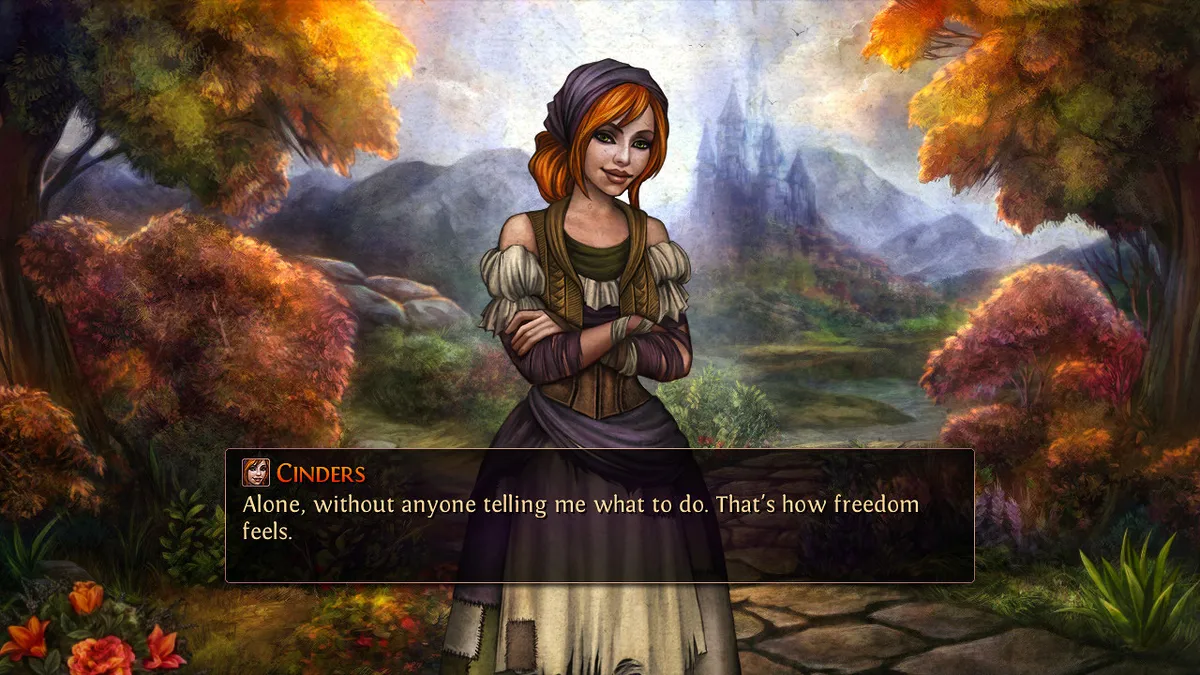
The most distinctive documented mechanic is the link between choices and personality. The game grants total control over the main character's personality alongside control over how her story unfolds, which makes the decisions partly an act of characterization. In practice that means a decision point is not only a question of what happens next; it is also a statement about who this Cinders is when she acts.
That is what separates a choice-driven fairy tale from a branching menu of endings. Personality and plot are named as the two things the player steers, so a run can be understood as a record of the Cinders you chose to play: how she handles an overbearing household, what she values, and how far she is willing to break the rules of the tale she is reenacting. The outcome is a personal happily ever after, one that may not exactly agree with the stale morals of classic fairy tales.
Four Women, One Household
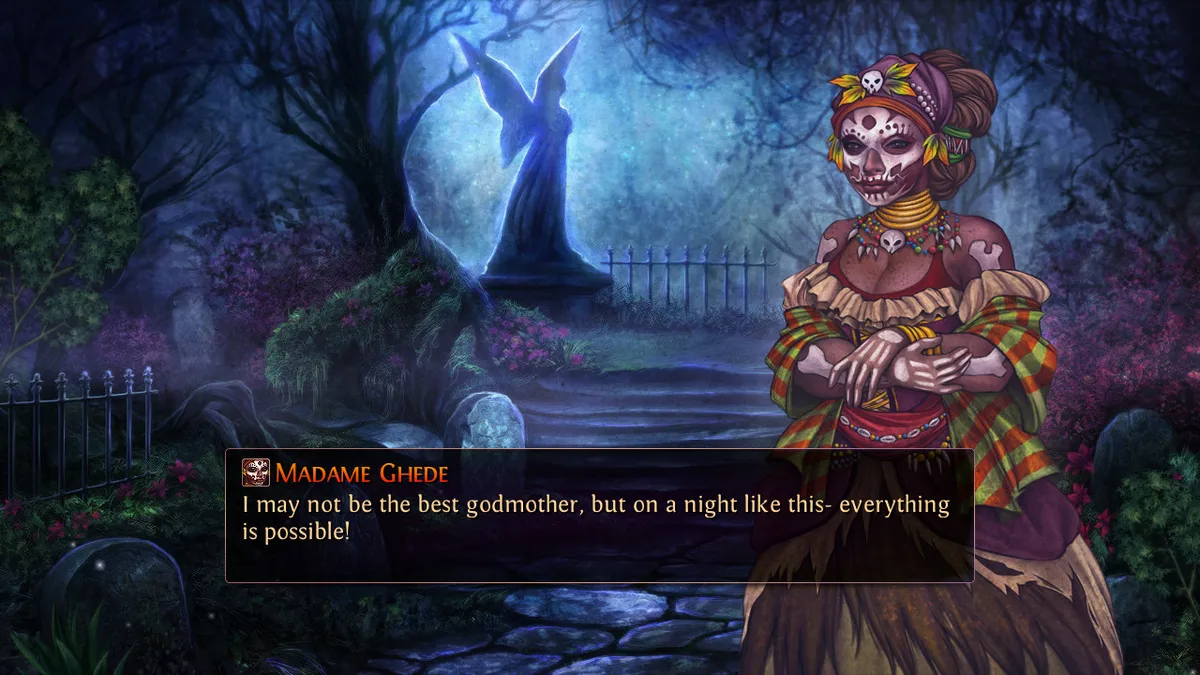
The game takes a look at four women and what made them who they are. Cinders, her overbearing stepmother, and her two daughters make up that four-woman household, which is the arena in which the story happens. The material's focus on what shaped these women is worth taking seriously as a design statement: the same characters who would be flat figures in a straight retelling anchor the branching narrative.
Because the story is about freedom, dreams, and sisterhood as well as Cinders herself, the decision points visible in a household like this are not only about Cinders escaping. They are about what she wants, what she maintains or rejects in that household, and whose perspective she gives weight to. The supplied material does not spell out the plot of each route, so the key practical takeaway is structural: expect choices that engage the other women in the house, not only the heroine alone.
Multiple Endings and Your Own Happily Ever After
The endgame is built on multiple endings, and the ending you reach is shaped by what your choices built along the way rather than fixed at the start. The promise of a Happily Ever After that may not exactly agree with the stale morals of classic fairy tales is the concluding expression of that system: the final outcome is personal, tied to the personality and path the player selected at the 120 decision points.
The presence of more than 300 choices alongside multiple endings also implies replay within the documented structure: a different set of decisions across the 120 decision points produces a different narrative and a different conclusion. The material does not enumerate individual endings, so the safest conclusion is the one it supports: choices carry into how the tale unfolds and which ending you earn.
How to Approach a Run
Because the documented mechanic is total control over the main character's personality and how her story unfolds, the most useful habit in Cinders is to decide early who you want this Cinders to be and answer decision points consistently. If you want the personal happily ever after that breaks with the stale morals of the classic tale, favor the choices that take fate into her own hands. If a run feels contradictory, begin a fresh path instead of assuming earlier choices are lost: the branching is measured at 120 decision points, so a coherent new set of answers is the intended way to see a different story.
Scroll sideways to see the full table →
| Item | Detail |
|---|---|
| Title | Cinders |
| Developer / Publisher | MoaCube |
| Genre | Adventure, Indie |
| Platforms | Windows, macOS |
| Release year | 2014 |
| Documented structure | Multiple endings, 120 decision points, over 300 choices |
Sources & further reading.
- Cinders — official game profileRetrieved Oct 31, 2026
First published .