 THE GAME ARCHIVE
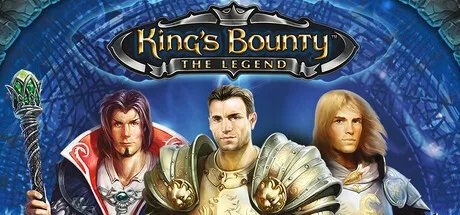
Riding Out in Real Time Across Endoria
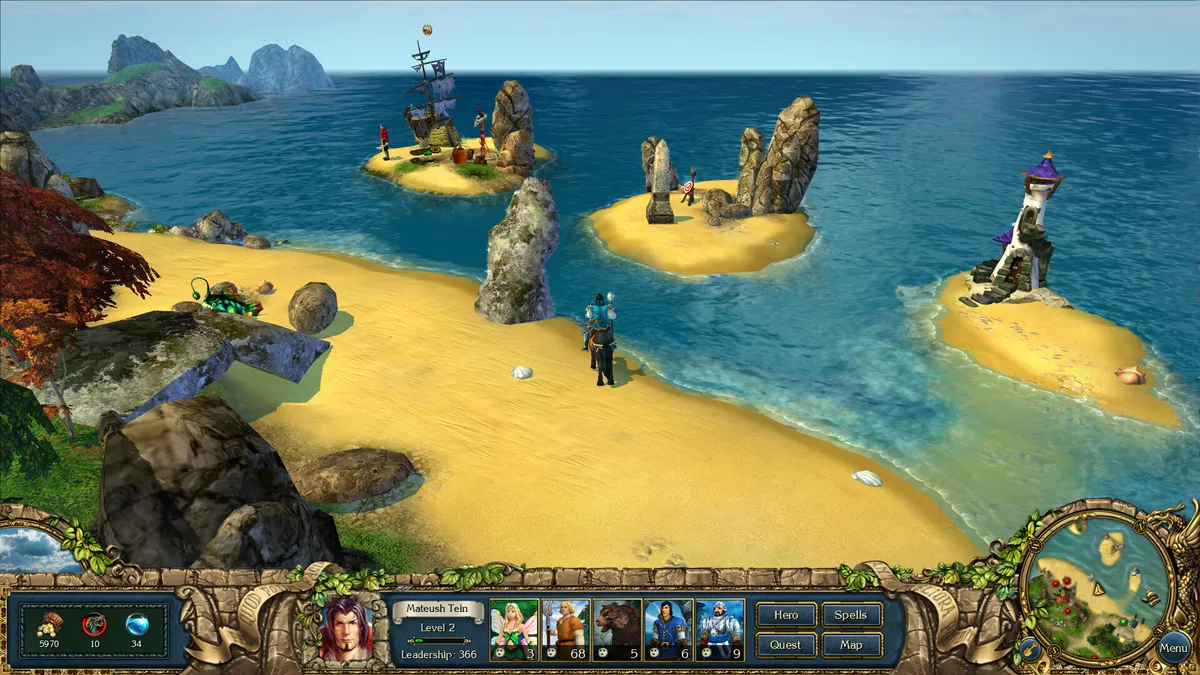
You take the role of a royal treasure hunter sent into the lands of Endoria to pursue gold, glory and ancient secrets. Movement across the overworld happens in real time, and that exploration is bound to turn-based combat rather than continuous action. The map spans several kinds of ground: lively towns, untamed wilderness and perilous dungeons, each with its own part to play as the story grows from a simple opening into one full of twists, surprises and a memorable ending. Traveling these places is how you uncover the quests, secrets and rewards they hold.
Endoria does not pause while you ride. Enemies roam the map and pursue you in real time, so crossing open ground, entering a town or descending into a dungeon carries the risk of drawing a chase before you are ready. The hand-crafted world offers dozens of locations and battlefields, on the surface and underground, stocked with quests, secrets and powerful rewards. Because foes move on their own, the path you pick through wilderness or dungeon corridors is a decision made under pressure, not a fixed sequence. Touching a hostile party hands the encounter to turn-based tactics.
A World That Moves Before You Do
In King's Bounty: The Legend, the world of Endoria operates on its own schedule. While you explore towns, wilderness and dungeons in real time, enemy parties also roam the map, pursuing their own goals and actively standing in your way. This turns ordinary travel into part of the challenge: crossing open ground or entering a dungeon means watching for hostile movement rather than following a fixed route. The hand-crafted world holds dozens of locations and battlefields, on the surface and underground, each stocked with quests, secrets and powerful rewards, so every journey mixes opportunity with the risk of interception.
Because foes move independently, the documented rules tie exploration directly to combat: contact with a hostile party shifts the encounter into turn-based tactics. The real-time layer is therefore not separate from the fighting but the approach to it. You might enter a town to find quests and rewards, or descend into a dungeon where enemies pursue their own aims; in either setting, the same roaming behavior can put a party in your path before you are ready. These interactions make positioning and awareness on the map as consequential as the turn-based battles that follow.
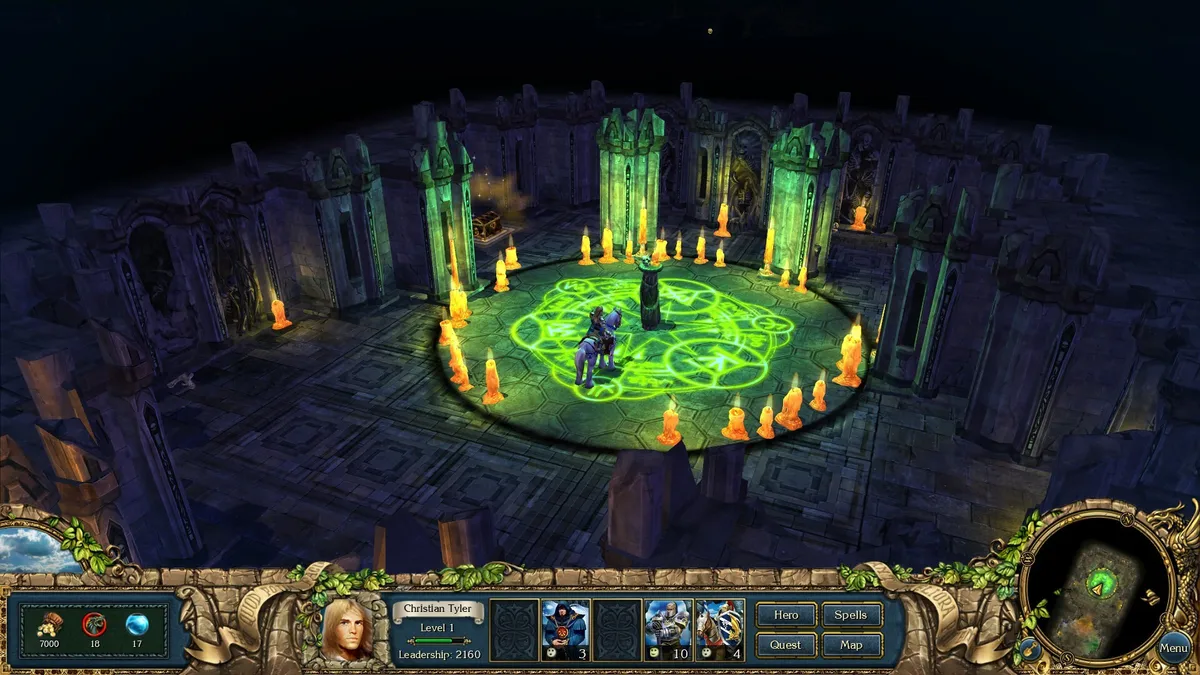
Turn-Based Battles Where Preparation Beats Reflexes
When a roaming hostile party catches you, the encounter hands over to turn-based tactical combat, and the fight is decided by positioning, timing and preparation rather than reflex. On the battlefield, where you place your units matters as much as what you brought, and the order in which actions unfold rewards planning ahead of the clash. Armies are built around morale bonuses and unit synergies, so the creatures you recruit and how they complement one another shape what your formation can actually do once the turns begin.
The battles are puzzle-like by design: outcomes rest on smart decisions, army composition, spell usage and morale rather than reflexes or brute force. Because a wide variety of creatures, spells and artifacts can be assembled into different armies, you can experiment with strategies suited to your preferred way of playing before committing to an engagement. Choosing among the Warrior, Paladin and Mage hero types adds another layer of preparation, since each offers distinct abilities and a different approach to progression that colors how the tactical layer plays out.
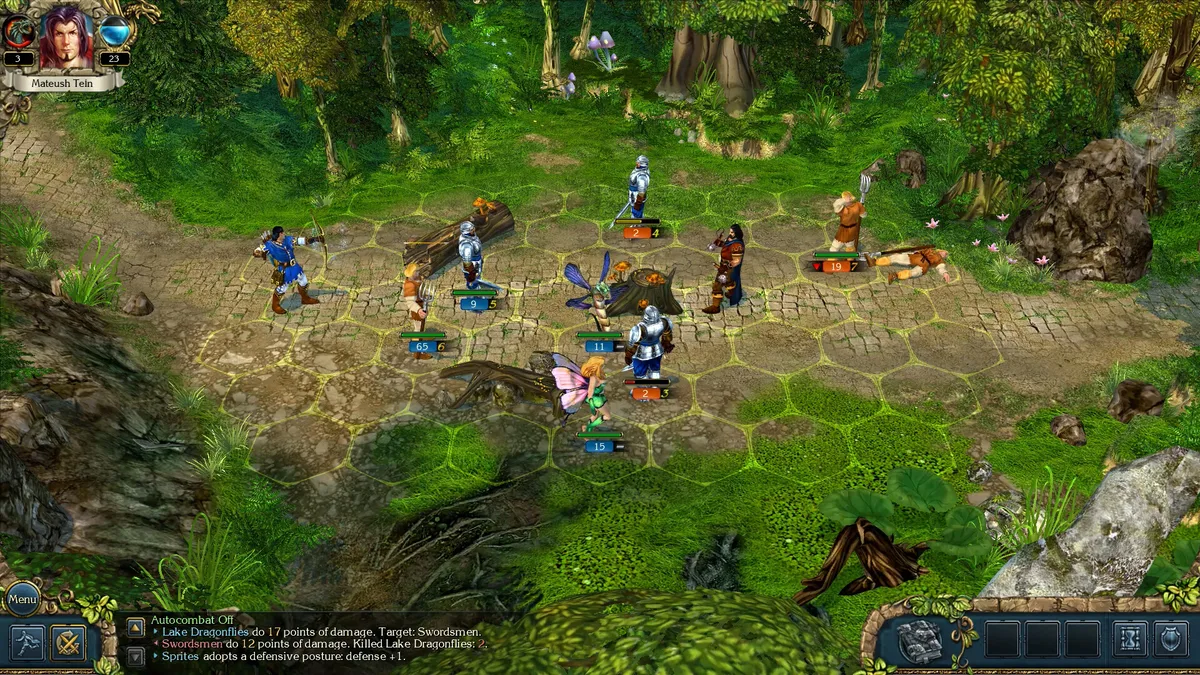
Building an Army Around Morale, Synergies and Magic
Army composition sits at the center of preparation in King's Bounty: The Legend. You recruit a wide variety of creatures, then arrange them into armies built around morale bonuses and unit synergies, so the bonuses tied to who fights alongside whom shape what the formation can accomplish once the turns begin. Creatures, spells and artifacts can be mixed into many different combinations, giving you room to experiment with strategies that match how you prefer to play before you commit your troops to an engagement.
Morale and spell usage reinforce that preparation. Battles are puzzle-like by design, with outcomes resting on smart decisions, army composition, spell usage and morale rather than reflexes or brute force. The choice of hero type adds another variable: Warrior, Paladin or Mage, each with unique abilities and a different approach to progression. Your troops, the spells you bring, the artifacts you assemble and the hero leading them all meet in the same turn-based battlefield.
Warrior, Paladin or Mage: Three Paths Through the Campaign
Before committing troops to a fight, you pick the hero who will lead them, and the game offers three types: Warrior, Paladin and Mage. Each comes with its own distinct playstyle, a set of unique abilities earned along the way, and a different route through progression. That choice sits alongside the other preparation work of army building, since a wide variety of creatures, spells and artifacts can be assembled into combinations that suit a particular strategy. The hero and the army therefore get shaped together rather than separately.
Magic is one of the factors that decides battles, so the spells a hero carries belong in the same planning as positioning, morale and army composition. Success rests on preparation and strategy rather than quick reactions, which means the loadout you assemble beforehand matters more than speed of input. Artifacts join creatures and spells as parts you can rearrange, and because there are many of each, the combinations give room to experiment with different approaches before an engagement. The Mage, Paladin and Warrior each bring their own abilities to those combinations.
The One-More-Battle Progression Loop
The progression loop in King's Bounty: The Legend is fed by constant rewards: new units, artifacts, spells and upgrades arrive as you play, giving a steady sense of advancing rather than long dry stretches. Each engagement can add something to your army or your hero's kit, which is what keeps the adventure moving forward and makes the next fight worth seeking out. Rewards are not a side effect of battle; they are the mechanism that restocks the tools you bring into the following encounter.
Those rewards tie directly into preparation. New units can be recruited into armies built around morale bonuses and unit synergies, while spells and artifacts expand the combinations available for experiments with different strategies. Unit upgrades feed back into the same system, changing what your formations can field. Because battles are puzzle-like and rest on smart decisions, army composition, spell usage and morale rather than reflexes, the steady inflow of units, artifacts, spells and upgrades continually reshapes how you plan the next engagement.
Sources & further reading.
- King's Bounty: The Legend — official game profile Retrieved Oct 20, 2026
First published .