 THE GAME ARCHIVE
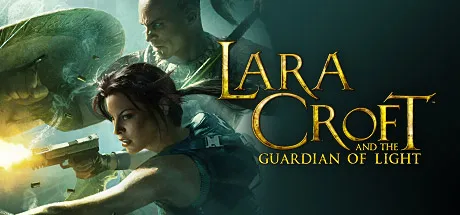
An Isometric Lens on Tomb Raider
Lara Croft and the Guardian of Light places its action and adventure framework under an isometric lens, giving the player a fixed, angled view of the space ahead. Within that perspective, the documented formula brings together three strands of the Tomb Raider tradition: exploration and discovery, platforming, and puzzle solving. These are not offered as separate modes but as parts of one continuous isometric experience, so traversing a room, reading its layout, and working out what blocks progress all draw on the same view of the environment.
The combat side is described as fast-paced and is paired in the same formula with character progression. Alongside the exploration, platforming, and puzzle solving, the game also carries elements of human cooperation and competition. Because the isometric view frames both the platforming routes and the fights, the puzzle, combat, and exploration strands share one presentation rather than switching between perspectives; the documented loop treats them as a single classic formula filtered through that angled, fast-paced style.
Two Heroes and the Mirror of Smoke
The objective named in the official store description is the recovery of an ancient artifact called the Mirror of Smoke. Lara is joined by a new partner, Totec, a Mayan tribesman, and the player takes control of both characters as they pursue that artifact through an all-new action adventure. Crystal Dynamics developed the game, and it arrived on Windows; the Steam product date is 2010. Within the isometric presentation, exploration and discovery, platforming, and puzzle solving are woven together with character progression.
The documented formula also sets a fast-paced combat strand beside the puzzle, exploration, and platforming work, and adds elements of human cooperation and competition to the mix. Character progression gives the two-hero search a growth dimension rather than leaving it as a single stateless run. Because all of these strands are filtered through one isometric, fast-paced style, the artifact hunt is framed by a fixed angled view whether the two characters are navigating a platforming route or engaging in combat.
Puzzles, Traps, and Your Own Solutions
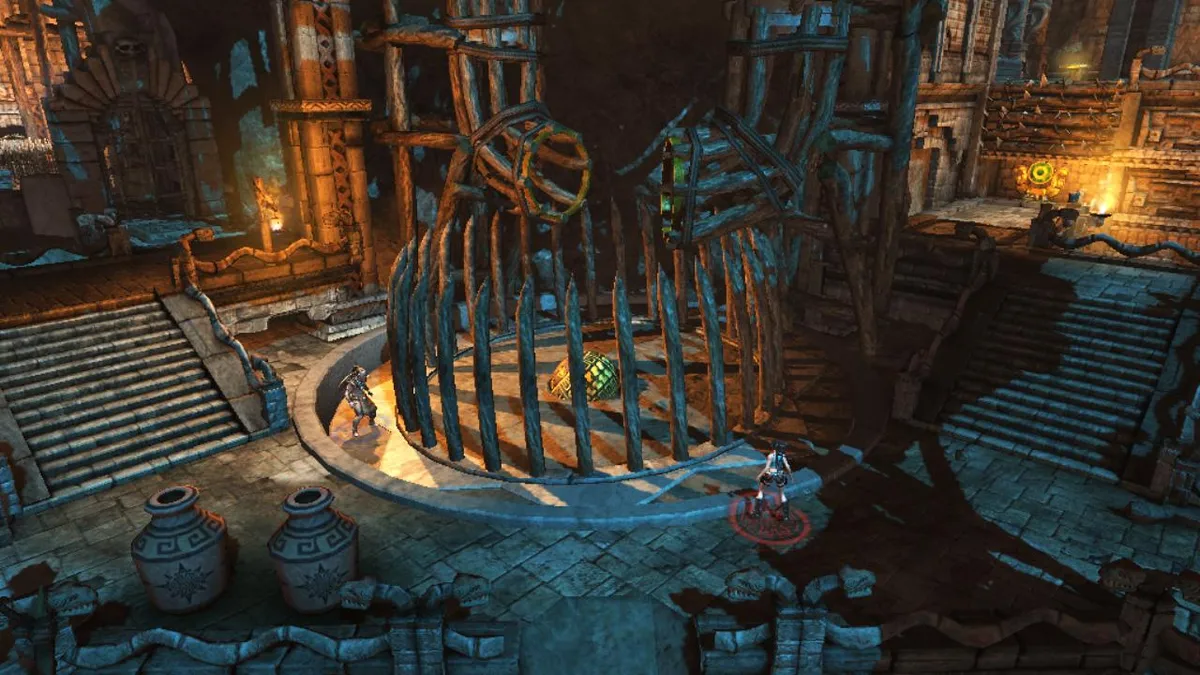
Puzzle solving in this game is framed around a wide range of options for both solving puzzles and traversing deadly environmental traps. The documented freedom lets players choose their own solutions rather than follow a single prescribed answer, and it also opens various paths for exploring the dense jungles of Central America. Because the isometric view presents the room in one fixed angle, the traps and puzzle elements are read within the same frame as the platforming routes, so deciding how to cross a hazard and deciding how to open the way forward are part of one overlapping exercise in reading the space.
The environment itself carries the puzzle and trap work through two documented engine behaviors. Crystal Dynamics' proprietary engine delivers sprawling environments with no load-times, so the jungle paths and tomb interiors are presented as continuous space rather than broken into separated rooms. The same engine supplies vertical gameplay through tombs that reach deep into the Earth. That vertical scale interacts with the puzzle-solving freedom: when a solution can be chosen from several options and tombs extend downward, the environment offers height as another dimension to account for, not just a flat field of traps to cross.
Undead Warriors, Bosses, and Character Growth
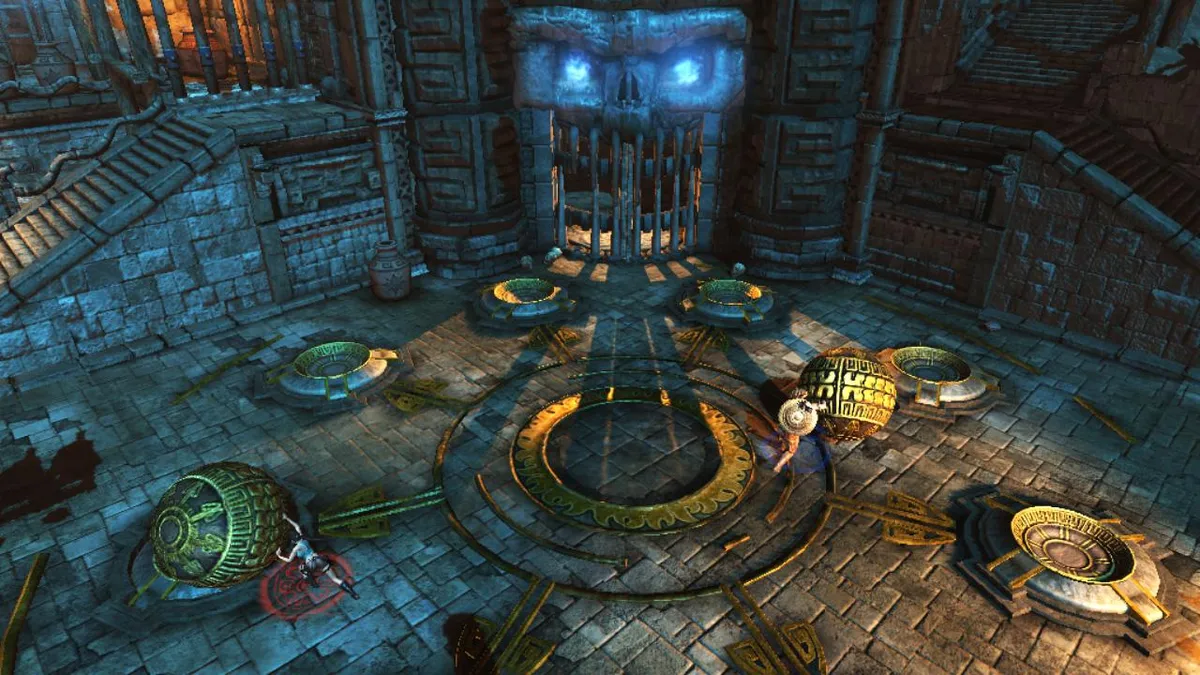
Enemies in Lara Croft and the Guardian of Light include a multitude of undead warriors, reanimated by the evil Xolotl. These foes are part of the same isometric, fast-paced combat strand that runs alongside puzzle solving, platforming, and exploration. Fighting them does not replace the environmental work; both happen inside the fixed angled view, so a fight and the route through a room are read together. The documented enemy roster names Xolotl as the force behind the undead warriors rather than describing individual enemy types or their attack patterns.
Beyond the rank-and-file undead, the game includes a number of boss battles tied to the same Xolotl conflict. Character progression is the growth layer that sits beside these encounters: the Tomb Raider hallmarks of exploration and discovery, platforming, and puzzle solving are combined with character progression, fast-paced combat, and elements of human cooperation and competition. As the two heroes move through the adventure, that progression gives the combat and exploration work a persistent dimension, so facing undead warriors and bosses is not isolated from the rest of the formula.
Cooperation and Competition in a Downloadable Debut
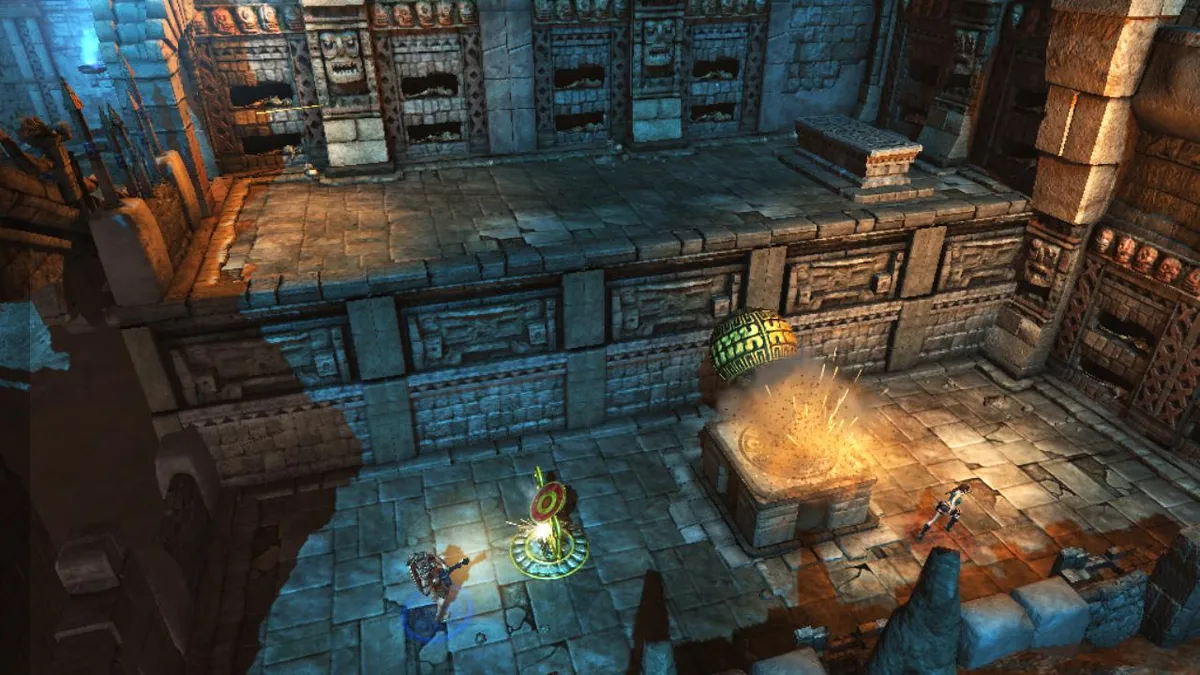
The downloadable debut is documented as a distinction in its own right: this was Crystal Dynamics' first downloadable-only title and the first downloadable-only Lara Croft game. That delivery identity frames how the cooperative and competitive element enters the formula. Exploration and discovery, platforming, and puzzle solving sit alongside character progression, fast-paced combat, and elements of human cooperation and competition. Players move through a classic formula of puzzles, combat, exploration, and visuals, all presented through an isometric lens, so the cooperation and competition are part of the same angled, fast-paced presentation as the rest of the action.
Cooperation and competition are listed as one strand of that formula rather than a separate mode, sharing the frame with character progression and fast-paced combat while puzzle solving and platforming continue alongside them. Because the isometric lens holds puzzles, combat, and exploration in a single classic formula, the human cooperation and competition named in the description join the same structure instead of replacing any part of it. The Windows version carries a Steam product date of 2010, recorded here as a store date rather than an original release claim.
Sources & further reading.
- Lara Croft and the Guardian of Light — official game profile Retrieved Oct 19, 2026
First published .